The Power of Clinical Research in Skincare: How Science Shapes Healthy, Radiant Skin
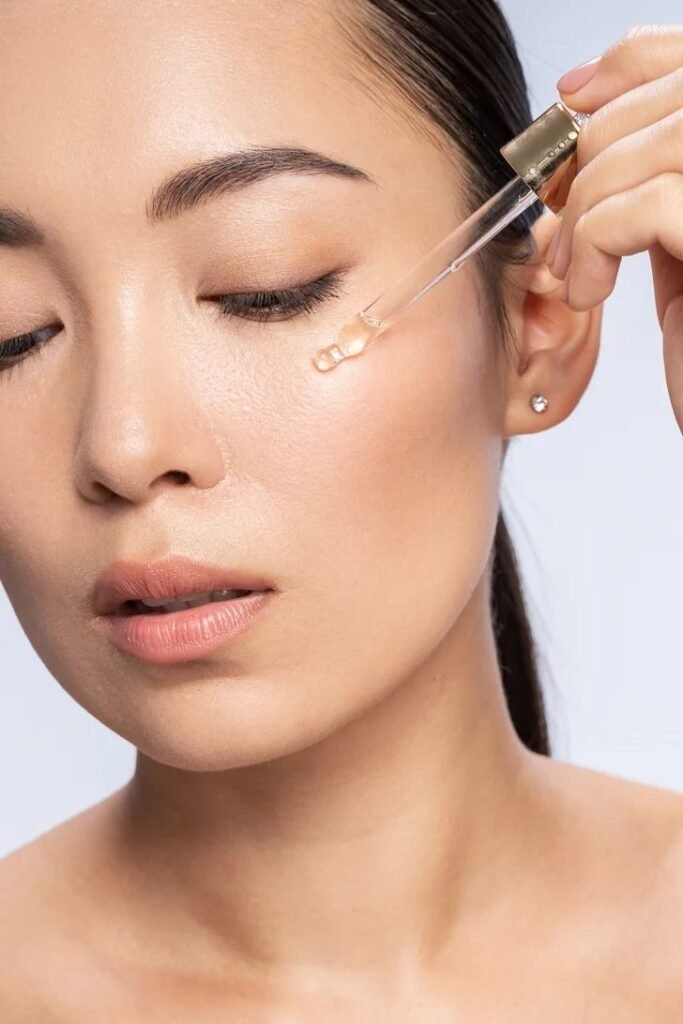
In today’s fast-evolving beauty industry, clinical research in skincare has become the gold standard for determining what truly works. With thousands of products claiming to “transform” your skin, only those backed by scientific evidence and dermatological studies can be trusted. Through carefully designed clinical trials, researchers analyze ingredient efficacy, safety, and long-term benefits.
This article explores why clinical research in skincare matters, how it’s conducted, and what makes evidence-based skincare the future of healthy, glowing skin.

What Is Clinical Research in Skincare?
Clinical research in skincare refers to scientific investigations conducted to evaluate the effects, benefits, and potential risks of skincare ingredients or formulations. These studies often involve human participants, controlled environments, and dermatologist supervision to ensure reliable data.
Unlike marketing claims, clinical research provides measurable, reproducible results—offering consumers transparency and confidence in the products they use.
In simple terms, it’s the process that separates scientifically proven skincare from those that merely rely on fancy packaging and buzzwords.

Why Clinical Research Matters in Modern Skincare
The global skincare market is saturated with products promising instant results. However, without clinical research in skincare, there’s no way to validate these claims.
Clinical trials help to:
1.Prove Efficacy – They determine whether an ingredient truly delivers on its promise (like reducing wrinkles or clearing acne).
2. Ensure Safety – Every new formulation undergoes dermatology safety studies to ensure it won’t irritate or damage the skin barrier.
3. Build Trust – Consumers increasingly seek products backed by clinical data, not influencer hype.
4. Guide Innovation – Brands rely on clinical findings to develop next-generation skincare products.
How Clinical Research in Skincare Is Conducted
Every clinical research study in skincare follows a structured, evidence-based process. Here’s how it works:
1. Preclinical Phase
Before human testing, formulations are evaluated in labs—testing stability, toxicity, and bioactivity.
2. Human Clinical Trials
Once confirmed safe, the formula moves into human trials under a dermatologist’s supervision. Participants apply the product for a specific period, and measurable results (hydration, elasticity, pigmentation changes) are recorded.
3. Data Analysis
Researchers compare the test product to a placebo or control formula to ensure differences are statistically significant.
4. Peer Review and Publication
Finally, findings are published in peer-reviewed journals—ensuring the research meets international scientific standards.
This rigorous process ensures that clinical research in skincare provides factual, unbiased, and reproducible results.
Examples of Clinical Research Driving Skincare Innovation
Modern skincare breakthroughs owe their credibility to years of clinical research. A few notable examples include:
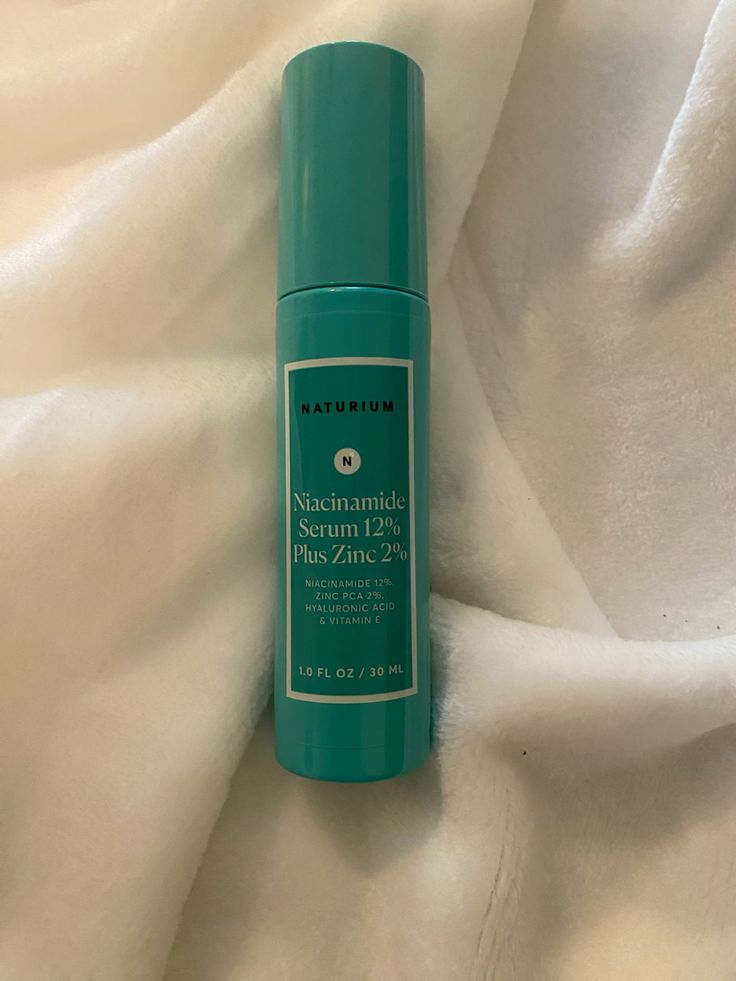
- Niacinamide (Vitamin B3) – Proven through clinical trials to improve skin tone, strengthen the barrier, and reduce inflammation.
- Retinol – Backed by decades of dermatology studies, retinol remains the gold standard for anti-aging due to its proven collagen-boosting effects.
- Hyaluronic Acid – Clinically shown to retain moisture and improve skin elasticity, supporting hydrated, plump skin.
- Sunscreen Formulas – Rigorously tested in clinical environments to measure SPF accuracy, UV protection, and photo-stability. For more Info
Each of these ingredients achieved global trust through consistent clinical research in skincare, not marketing hype.
Clinical Research vs. Marketing Claims
Most skincare products advertise “clinically proven results,” but only a fraction have undergone true clinical research.
Here’s how to tell the difference:
| Marketing Claim | Clinically Proven Evidence |
|---|---|
| Based on consumer feedback | Backed by peer-reviewed studies |
| No sample size mentioned | Uses statistically significant participant groups |
| Unverified before-after photos | Includes measurable scientific data |
| Sponsored by brand only | Conducted by independent dermatologists |
Understanding this difference empowers consumers to choose products rooted in scientific validation rather than empty promises.
Benefits of Using Clinically Researched Skincare Products
Using skincare products backed by clinical research ensures:
- Fewer allergic reactions or side effects
- Visible results supported by data
- Transparency about ingredients and safety
- Long-term skin health
- Confidence in your skincare choices
In short, clinical research in skincare transforms beauty routines into evidence-based self-care practices.

The Future of Clinical Research in Skincare
With advances in biotechnology, AI-driven analysis, and genetic testing, the next generation of skincare will be more personalized than ever.
Future clinical research in skincare aims to tailor treatments based on individual skin microbiomes, DNA, and lifestyle factors.
This evolution will shift skincare from a one-size-fits-all model to precision dermatology—making science the true foundation of beauty.

Conclusion
In the ever-growing world of skincare, clinical research acts as a guiding light—ensuring products are effective, safe, and scientifically sound.
By prioritizing clinical research in skincare, both brands and consumers move toward a future built on transparency, trust, and proven results.
Because when science meets skincare, beauty becomes more than skin deep—it becomes evidence-based. Healthline