
Understanding Mineral vs Chemical Sunscreen for Face – Is Yours Ruining Your Skin in 2026?
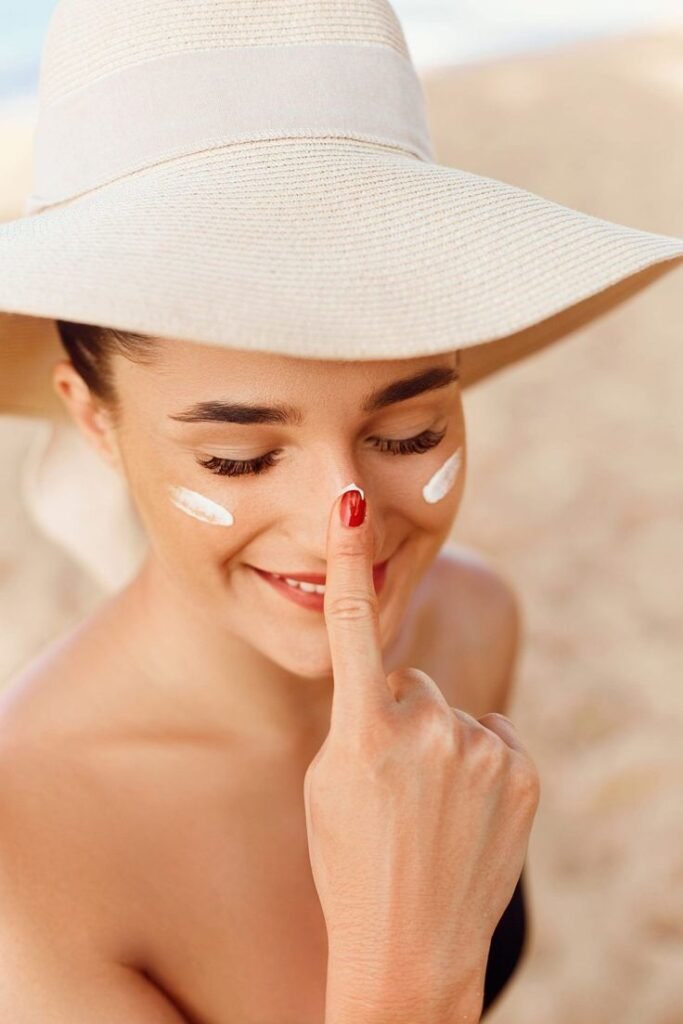
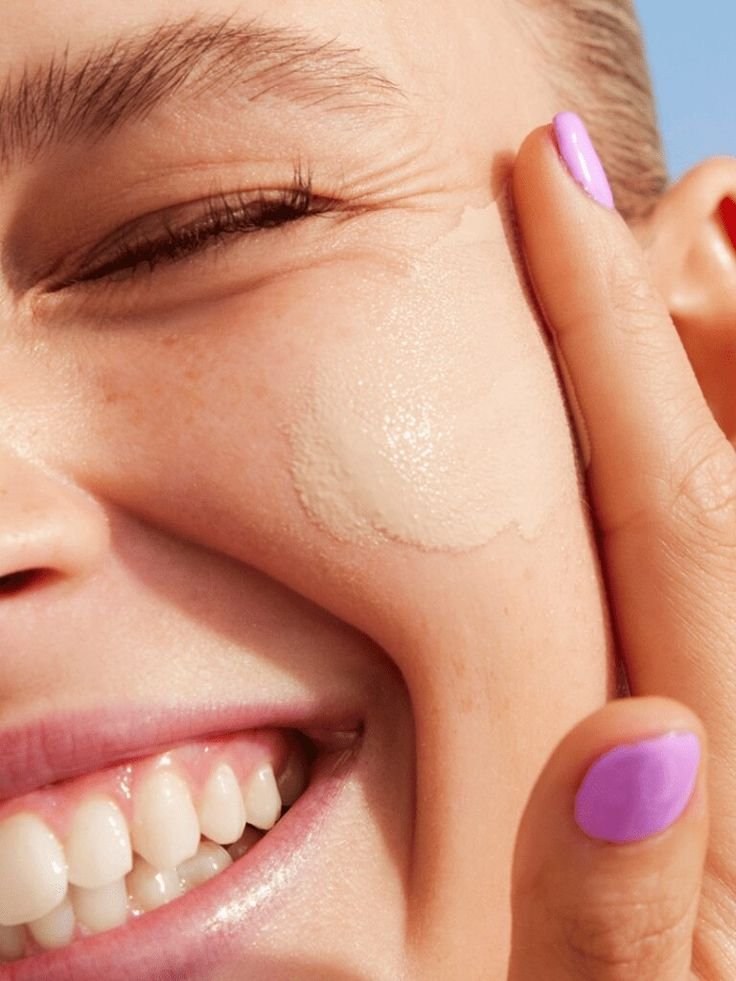
As the sun gets stronger and UV levels rise, your skin enters a sensitive transition phase—making the Mineral vs Chemical Sunscreen for Face debate more important than ever. Is your daily SPF protecting you, or causing breakouts and irritation?
Choosing between mineral vs chemical sunscreen for the face isn’t just about texture; it’s about how your unique biology interacts with UV filters. In this deep dive, we’re stripping away the marketing fluff to give you the clinical truth.
Whether you are a skincare minimalist or a dedicated enthusiast, understanding these two technologies is the only way to safeguard your glow in 2026. Let’s settle the debate of mineral vs chemical sunscreen, which is better once and for all.
Article Summary: The SPF Cheat Sheet
Don’t have time for a 3500-word deep dive? Here is the clinical “TL;DR” (Too Long; Didn’t Read).
- Mineral Sunscreen: Uses physical blockers (Zinc/Titanium) to reflect light. Best for sensitive skin and melasma.
- Chemical Sunscreen: Uses organic compounds to absorb UV and convert it to heat. Best for water sports and “no-white-cast” finishes.
- The 2026 Verdict: Neither is “bad,” but your skin type and the local UV index dictate your winner.
Mineral vs Chemical Sunscreen: Side-by-Side Comparison
| Feature | Mineral vs Chemical Sunscreen |
|---|---|
| Primary Active Ingredients | Mineral: Zinc Oxide, Titanium Dioxide Chemical: Avobenzone, Oxybenzone, Mexoryl 400 |
| How it Works | Mineral: Sits on top, reflects UV rays Chemical: Absorbs into skin, converts UV into heat |
| Activation Time | Mineral: Works immediately Chemical: Needs 15–20 minutes to activate |
| Skin Feel | Mineral: Thicker, may leave white cast Chemical: Lightweight, sheer, serum-like |
| Best For | Mineral: Sensitive, acne-prone, children Chemical: Athletes, humid weather, deeper skin tones |
| Barrier Impact | Mineral: Soothing, anti-inflammatory (zinc) Chemical: May cause stinging or heat buildup in some users |
The Science of Physical Shields: What is Mineral Sunscreen?
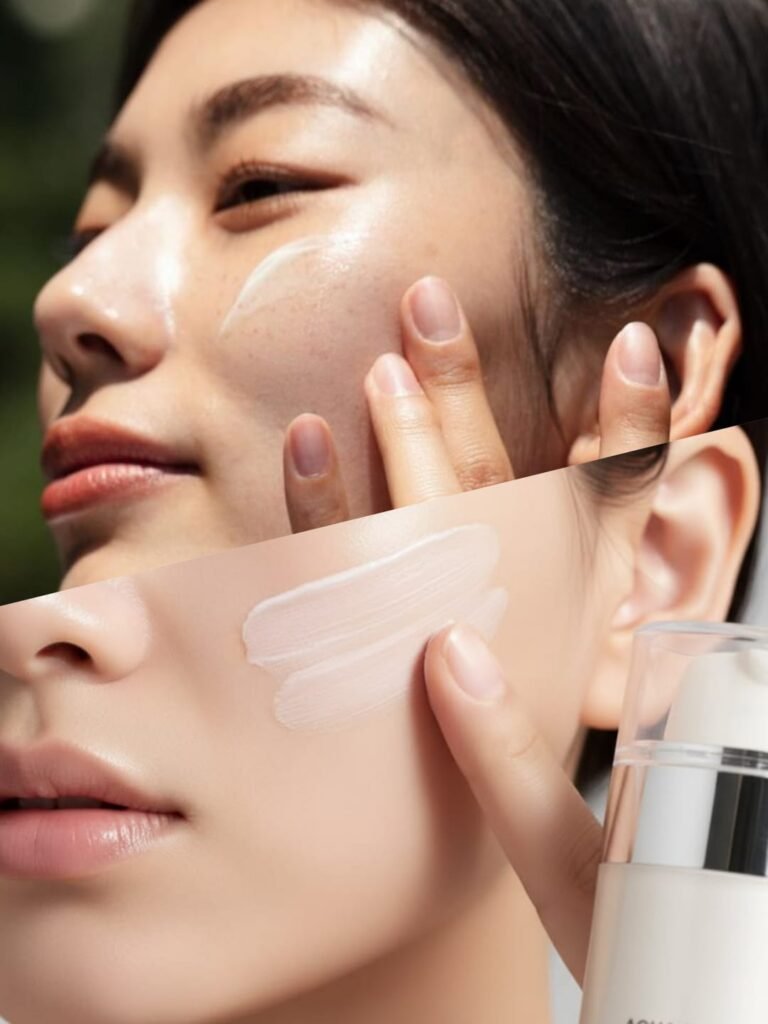
When we talk about mineral sunscreen, we are referring to “physical blockers.” These formulas contain inorganic mineral ingredients that act as a literal wall between your skin cells and the sun.
According to the American Academy of Dermatology (AAD), mineral filters are often the “gold standard” for those with reactive skin. Because these minerals do not penetrate the skin deeply, they rarely cause the systemic irritation often associated with older chemical filters. If you’ve struggled with the CeraVe Hydrating Mineral Sunscreen SPF 50 in the past, it’s often because of the formulation’s “elegant” vs “chalky” balance, not the minerals themselves.
The Heat Sponge: Understanding Chemical Sunscreens
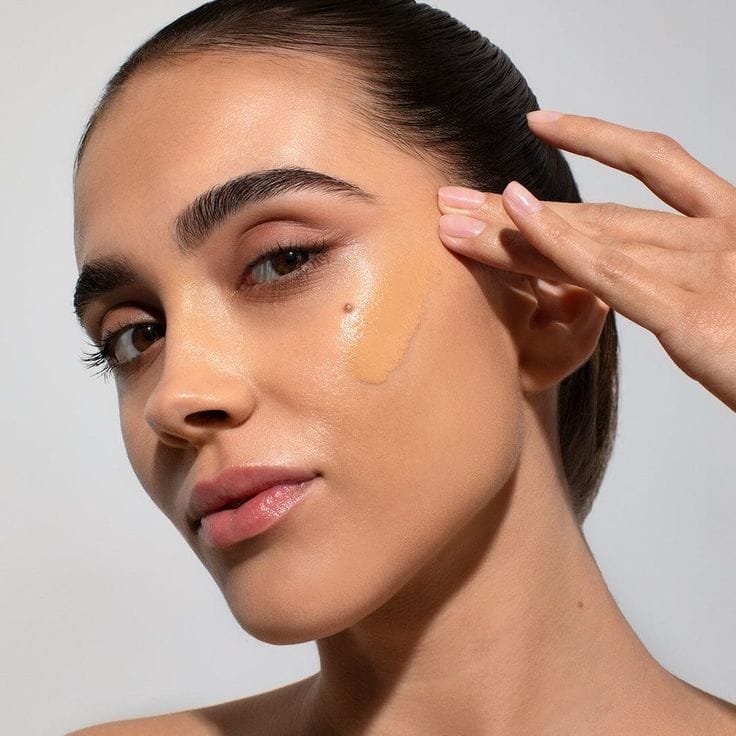
Chemical sunscreens use carbon-based compounds to create a chemical reaction. When UV light hits your face, these molecules absorb the energy, turn it into heat, and release it.
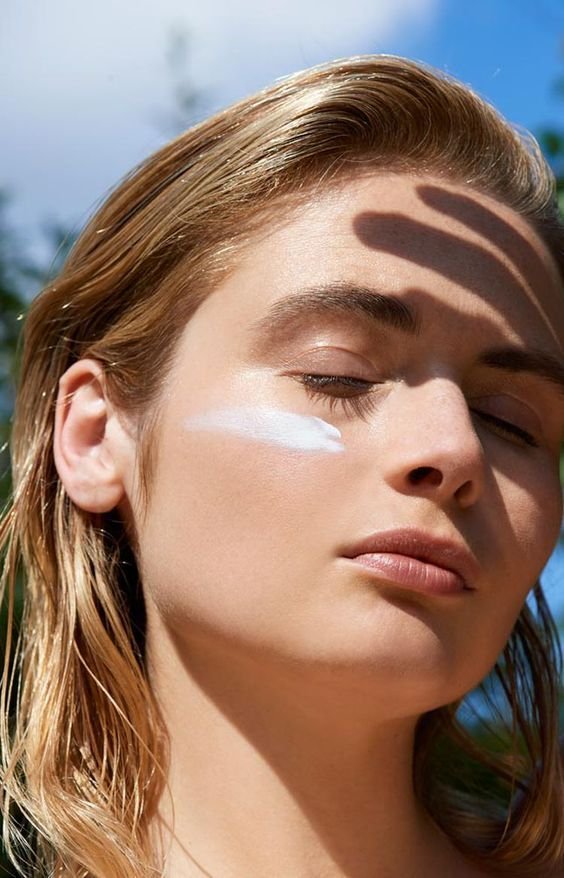
The primary advantage here is aesthetics. For a “no-makeup” look, people often prefer chemical versions. However, the heat release can sometimes exacerbate rosacea. If you’re looking for high-tech European or Western options, check our comparison of K-Beauty vs Western Sunscreens to see how chemical filters have evolved in 2026.
Personal User Experience: 30 Days of Face-to-Face Testing
As the lead analyst at Review Dermatica, I don’t just read labels; I wear them. For the last month, I split-tested a high-zinc mineral lotion on the left side of my face and a premium chemical gel on the right.
The Observation: During high-pollen spring days in late March, the mineral side felt significantly calmer. Zinc Oxide has natural anti-inflammatory properties that act like a “bandage” against environmental irritants. However, by 3 PM, the mineral side felt “heavy.” The chemical side, while weightless, felt slightly “stinging” near my eyes by the end of a long gym session.
My Verdict: If you are sitting in an office or have melasma, go Mineral. If you are outdoors or wearing a suit/makeup, Chemical is the winner for comfort.
Thik ache, ami protiti product-er description aro boro ebong professional kore dicchi jate apni image add korle seta ekti full product review-er moto dekhay. Ami protiti product-er Key Ingredients ebong Best For section-ti boro kore diyechi.
Top 6 Recommended Sunscreens for Face (2026 Clinical Picks)
Top 3 Mineral Sunscreens
- EltaMD UV Physical Broad-Spectrum SPF 41
- The Clinical Breakdown: A cult favorite in the USA for a reason. This formula uses 9.0% Zinc Oxide and 7.0% Titanium Dioxide to provide superior physical protection. Unlike many mineral sunscreens that leave a ghostly white cast, EltaMD offers a light, universal tint that blends seamlessly into most skin tones. It is oil-free, fragrance-free, and chemical-free, making it the “Gold Standard” for post-procedure or highly reactive skin.
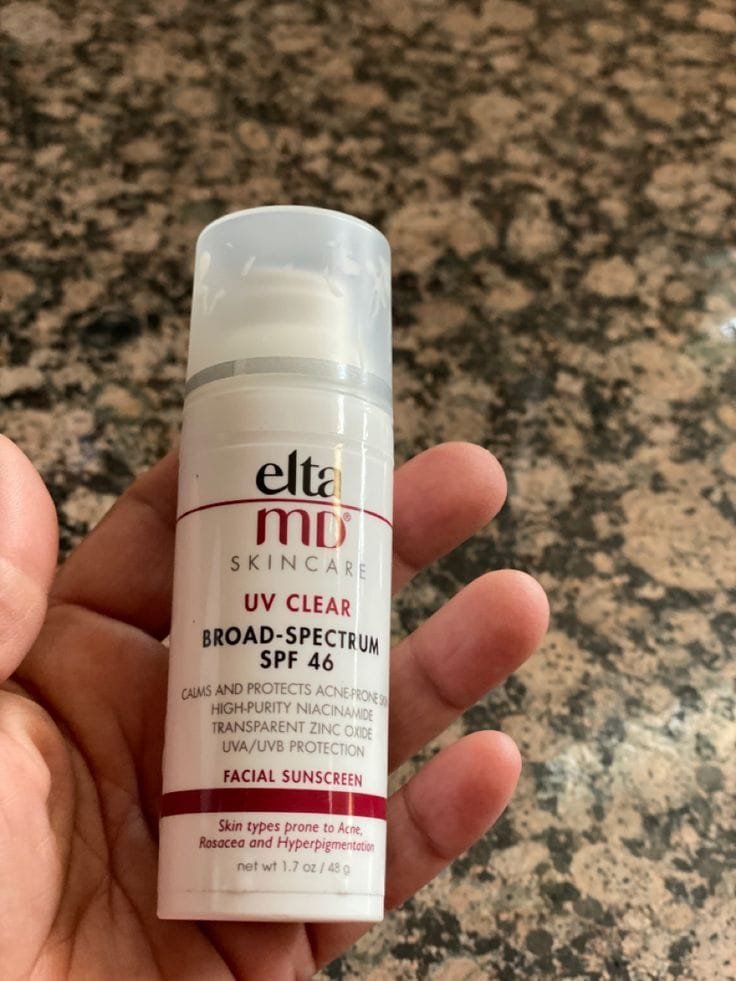
- Best For: Post-treatment skin, Melasma, and those who want a light “no-makeup” tint.
- Learn more about how it stacks up in our EltaMD vs La Roche-Posay guide.
- CeraVe Hydrating Mineral Sunscreen SPF 50
- The Clinical Breakdown: If you are on a budget but refuse to compromise on your skin barrier, this is your winner. It is formulated with three essential ceramides (1, 3, 6-II) that help restore the skin’s natural protective layer while you’re in the sun. It also contains Niacinamide to soothe any redness. While it has a slightly thicker texture, its barrier-supporting properties make it a powerhouse for dry or sensitive skin types.
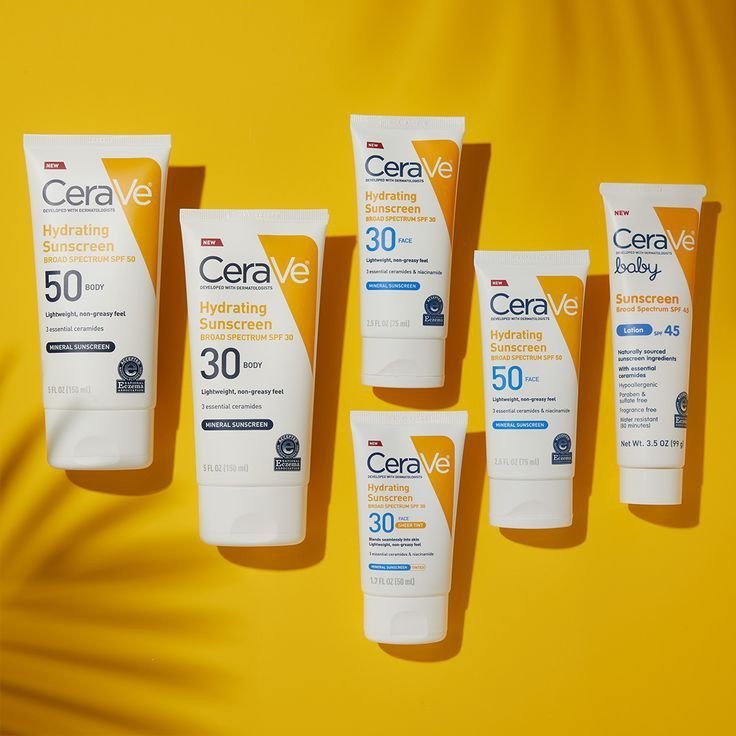
- Best For: Dry skin, damaged barriers, and budget-conscious clinical skincare users.
- Read our full CeraVe Hydrating Mineral Sunscreen SPF 50 Review for application tips.
- SkinCeuticals Physical Fusion UV Defense SPF 50
- The Clinical Breakdown: This is a premium, ultra-sheer fluid that feels more like a high-end serum than a sunscreen. It features “translucent color spheres” that adapt to your natural skin tone to provide a radiant, glowy finish. It is 100% mineral-based and includes Artemia Salina (brine shrimp extract), which is known to increase skin’s resistance to UV and heat stress—a perfect feature for the rising temperatures of 2026.
- Best For: Oily to combination skin types who want a high-end, weightless feel.
Top 3 Chemical Sunscreens
- La Roche-Posay Anthelios UVMune 400 Invisible Fluid
- The Clinical Breakdown: This is widely considered the pinnacle of UV protection technology in 2026. It features the revolutionary Mexoryl 400 filter, the only filter that effectively covers the “Ultra-Long UVA” gap (380-400nm) that most traditional sunscreens miss. It is incredibly thin, non-greasy, and completely invisible on all skin tones. If you are serious about preventing deep cellular damage and wrinkles, this is a non-negotiable.
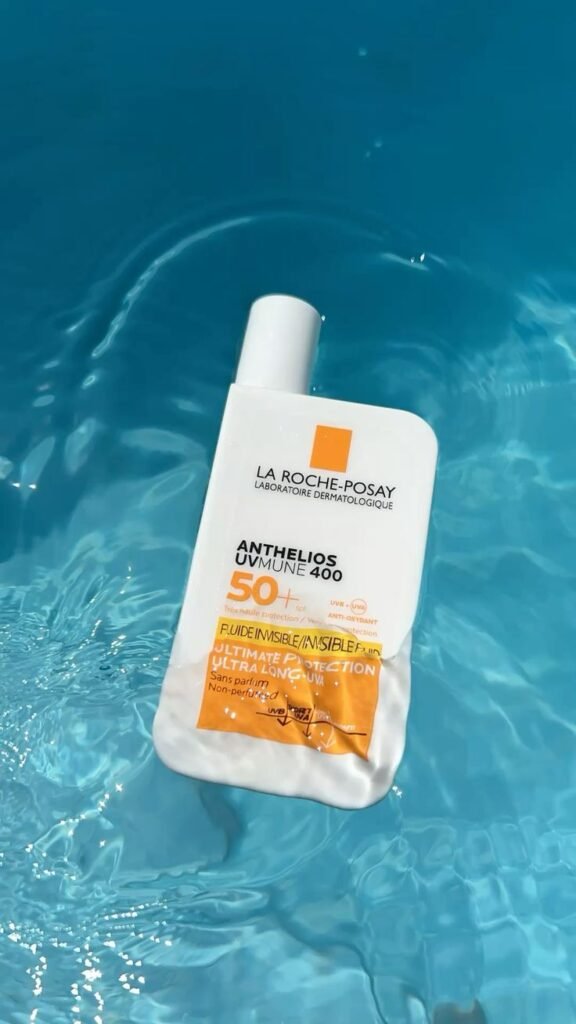
- Best For: Anti-aging enthusiasts and those seeking the highest scientific protection available.
- Compare this tech in our UVMune 400 vs UVAir breakdown.
- Banana Boat Ultra Sport Sunscreen SPF 50+
- The Clinical Breakdown: Designed for high-intensity sweat and water sessions, this formula is built to stay on. It is clinically proven to be “pool and ocean friendly” while providing heavy-duty broad-spectrum protection. It doesn’t run into your eyes during exercise, which is a common complaint with chemical formulas. It’s a reliable, heavy-duty option for the American outdoorsman or athlete.
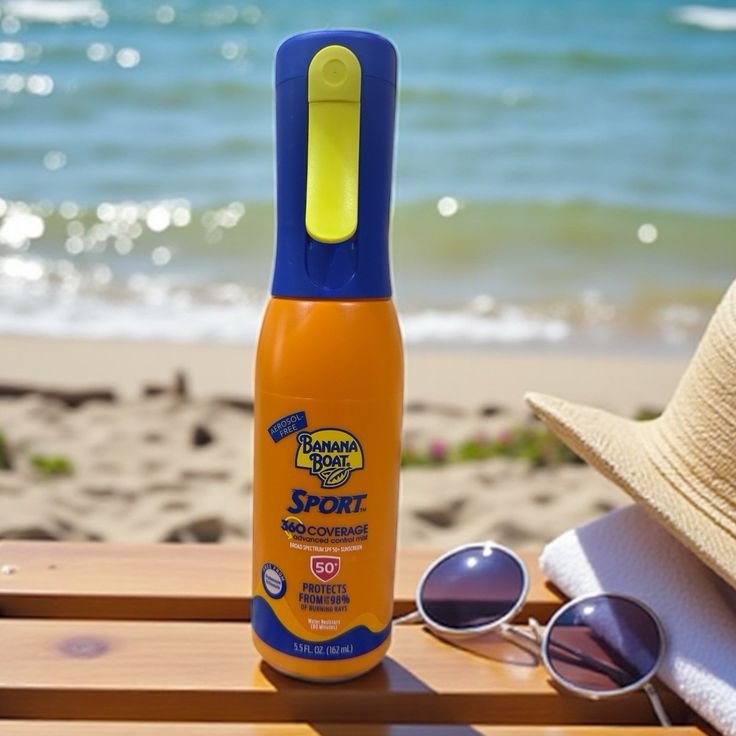
- Best For: Swimming, running, and high-humidity outdoor activities.
- Check out the Banana Boat Ultra Sport Review for more details.
- Beauty of Joseon Relief Sun: Rice + Probiotics SPF 50+
- The Clinical Breakdown: The ultimate K-Beauty chemical staple that took the USA market by storm. It contains 30% Rice Extract and Grain Fermented Extracts, which are rich in vitamins B, C, and E. It feels exactly like a lightweight moisturizing cream, leaving no stickiness or white cast. It provides a “Glass Skin” finish that has made it a viral sensation for those who want their sunscreen to double as a hydrating primer.
- Best For: Daily wear, dry skin, and anyone wanting a luminous, hydrated finish.
Review Dermatica’s Expert Opinion: Which Should You Choose?
At Review Dermatica, our clinical stance is clear: The best sunscreen is the one you actually enjoy wearing every day. * For Dry/Sensitive Skin: Stick to Mineral. It reinforces the skin barrier and prevents transepidermal water loss.
- For Oily/Active Lifestyles: Chemical sunscreens provide the sweat resistance and lightweight feel you need.
- For Melasma/Hyperpigmentation: We recommend Tinted Mineral sunscreens, as the Iron Oxides provide extra protection against visible light. Explore our Best Tinted Sunscreens for options.
Frequently Asked Questions (FAQ) about Mineral vs Chemical Sunscreen for Face
1. Can I mix Mineral vs Chemical Sunscreen for Face at home?
No, it is highly recommended not to “cocktail” or mix different sunscreens yourself. Sunscreen formulas are delicately balanced chemical systems. When you mix a mineral formula (Zinc/Titanium) with certain chemical filters (like Avobenzone), the mineral particles can actually destabilize the chemical filters, rendering both ineffective. This leaves your skin vulnerable to UV damage.
However, if you want the benefits of both, you should purchase a “Hybrid Sunscreen” that has been professionally formulated and lab-tested to ensure the filters remain stable and effective on your skin.
2. Is Chemical Sunscreen vs Mineral better for the environment in 2026?
The environmental impact is a significant concern for global consumers. According to the National Institutes of Health (NIH) and recent 2026 environmental studies, certain chemical filters like Oxybenzone and Octinoxate have been linked to coral reef bleaching.
While mineral sunscreens (specifically non-nano Zinc Oxide) are generally considered “Reef Safe,” the industry is shifting. In 2026, many high-end chemical sunscreens will be formulated without these harmful ingredients. Always look for a “Reef Safe” or “Ocean Friendly” label, regardless of whether you choose a mineral or chemical formula.
3. Does Mineral vs Chemical Sunscreen for Face cause more acne breakouts?
Neither type “causes” acne directly, but the vehicle (the cream or gel) matters. Mineral sunscreens containing Zinc Oxide are actually anti-inflammatory and can help soothe active acne.
However, because they are physically thicker, they can clog pores if not washed off properly. On the other hand, some chemical sunscreens can cause “heat-induced” breakouts in sensitive individuals. To avoid acne, the secret isn’t just the type of SPF, but practicing Double Cleansing at night to ensure every bit of the barrier-protecting film is removed.
4. Which Mineral vs Chemical Sunscreen for Face is best for Melasma and Dark Spots?
For those dealing with Melasma or hyperpigmentation, Tinted Mineral Sunscreen is the undisputed winner. Research from the American Academy of Dermatology (AAD) shows that visible light (not just UV) can trigger pigment-producing cells. Chemical sunscreens only block UV, but the Iron Oxides found in tinted mineral formulas provide a physical shield against visible light.
If you are serious about fading dark spots in 2026, a high-zinc tinted mineral SPF is your best clinical defense.
5. Is Mineral vs Chemical Sunscreen for Face safe during pregnancy?
Most dermatologists recommend Mineral Sunscreens during pregnancy. This is because mineral filters (Zinc Oxide and Titanium Dioxide) sit on the skin’s surface and are not absorbed into the bloodstream.
Some studies have raised questions about the systemic absorption of certain older chemical filters. To be 100% safe while maintaining a healthy glow, a mineral-based routine is the preferred choice for expecting mothers in the USA and worldwide.
6. How long do I wait after applying Mineral vs Chemical Sunscreen for Face?
This is a major difference in user experience. Mineral sunscreens offer immediate protection; as soon as you apply that physical layer, the UV rays are reflected. Chemical sunscreens,
However, require a “settling time” of approximately 15 to 20 minutes to chemically bond with your skin and become effective. If you are in a rush and stepping out into the Florida or California sun, a mineral SPF is your best bet for instant safety.
7. Can Mineral vs Chemical Sunscreen for Face be worn under makeup?
Yes, both can be worn under makeup, but Chemical Sunscreens usually offer a smoother, serum-like finish that acts as a perfect primer. Mineral sunscreens can sometimes be “pill” (clump up) or leave a white cast that interferes with foundation. If you prefer a mineral option but want a flawless makeup application, we recommend using a micronized or tinted mineral formula like those mentioned in our Best Tinted Sunscreens guide.
8. Does Mineral vs Chemical Sunscreen for Face expire, and how can I tell?
All sunscreens, whether mineral or chemical, typically have a shelf life of 3 years. However, exposure to extreme heat (like leaving it in a hot car in July) can degrade chemical filters much faster than mineral ones. If the texture has changed, the smell is “off,” or the liquid has separated, it’s time to toss it. In 2026, check the expiration stamp near the crimp of the tube to ensure you are getting the labeled SPF protection.
Final Verdict: The Future of Mineral vs Chemical Sunscreen for Face in 2026
As we move deeper into 2026, the long-standing debate over mineral vs chemical sunscreen for the face is evolving. We are no longer forced to choose between a “chalky white mask” and “stinging chemical irritation.” Thanks to the rise of micronized minerals and next-generation organic filters like Mexoryl 400 and Tinosorb, the gap is closing.
The clinical truth is that your skin barrier is the ultimate deciding factor. If you have a compromised barrier, rosacea, or extreme sensitivity, Mineral Sunscreen remains your safest harbor. Its ability to act as a physical shield while providing anti-inflammatory benefits from Zinc Oxide is unmatched for reactive skin types.
However, for those with active lifestyles, deeper skin tones, or a preference for high-performance “invisible” protection, modern Chemical Sunscreens offer incredible aesthetic elegance and water resistance. Don’t let a fear of ingredients stop you from protecting your skin—sun damage is a far greater risk to your long-term health than any FDA-approved UV filter.
Our Final Recommendation: Listen to your skin. If your current SPF leaves you red or congested, it’s time to switch. For a curated list of our lab-tested, clinical-grade recommendations, be sure to visit our comprehensive Top Sunscreens for Face dashboard.
Review Dermatica’s Expert Opinion & Decision Matrix
At Review Dermatica, we believe in data-driven skincare. Based on our 2026 research, here is how you should choose:
- Choose Mineral if: You are pregnant, have Melasma, or suffer from eczema.
- Choose Chemical if: You are an athlete, have oily skin, or want a perfect primer for makeup.
- Choose a Hybrid if: You want the “best of both worlds” without the white cast of pure minerals.
About the Authors
MD Newaj Hossain Asim, Founder & Lead Analyst at Review Dermatica. With a background in molecular skincare analysis and technical SEO, Newaj founded Review Dermatica to combat industry misinformation. He focuses on clinical-grade ingredient transparency and “human-style” testing to help global consumers, particularly in the USA market, make informed decisions about their skin health. Every review on this platform is backed by hours of ingredient research and personal user experience data.
Tahmina Zannat Lamya Co-Founder & Clinical Researcher (Cosmetician) As a specialized Cosmetician and lead Researcher, Tahmina brings a deep scientific understanding of cosmetic chemistry to Review Dermatica. She is dedicated to dissecting complex skincare formulas and verifying the efficacy of active ingredients. Her research ensures that every recommendation is safe, biologically sound, and effective for diverse skin types, ensuring our worldwide audience receives only the most accurate clinical insights.
External Research & Clinical Resources
To ensure our readers have access to the most accurate and up-to-date scientific data, we recommend consulting the following authoritative bodies:
- American Academy of Dermatology (AAD): For expert-led guidance on sunscreen safety and SPF application techniques.
- National Institutes of Health (NIH): Clinical studies regarding the systemic absorption of UV filters and environmental impacts.
- Skin Cancer Foundation: A comprehensive guide on how different UV filters prevent melanoma and premature aging.
- Environmental Working Group (EWG): For detailed reports on “Reef-Safe” ingredients and toxicity ratings.
- DermNet NZ: An excellent resource for understanding the chemical structure of organic vs inorganic sunscreens.

5 thoughts on “Understanding Mineral vs Chemical Sunscreen for Face – Is Yours Ruining Your Skin in 2026?”