
Kiehl’s Ultra Facial Cream Review (2026): Shockingly Worth $70?
I’ll be honest with you: I’ve sat in front of this jar of Kiehl’s Ultra Facial Cream more times than I can count, trying to figure out whether it actually deserves the cult following it has. There’s a reason this little blue-and-white tub keeps showing up in “best moisturizer” roundups, dermatology Reddit threads, and roughly half of every skincare influencer’s “shelfie.” But there’s also a reason some people try it once and never repurchase. So for this Kiehl’s Ultra Facial Cream review, I didn’t just read the marketing copy.
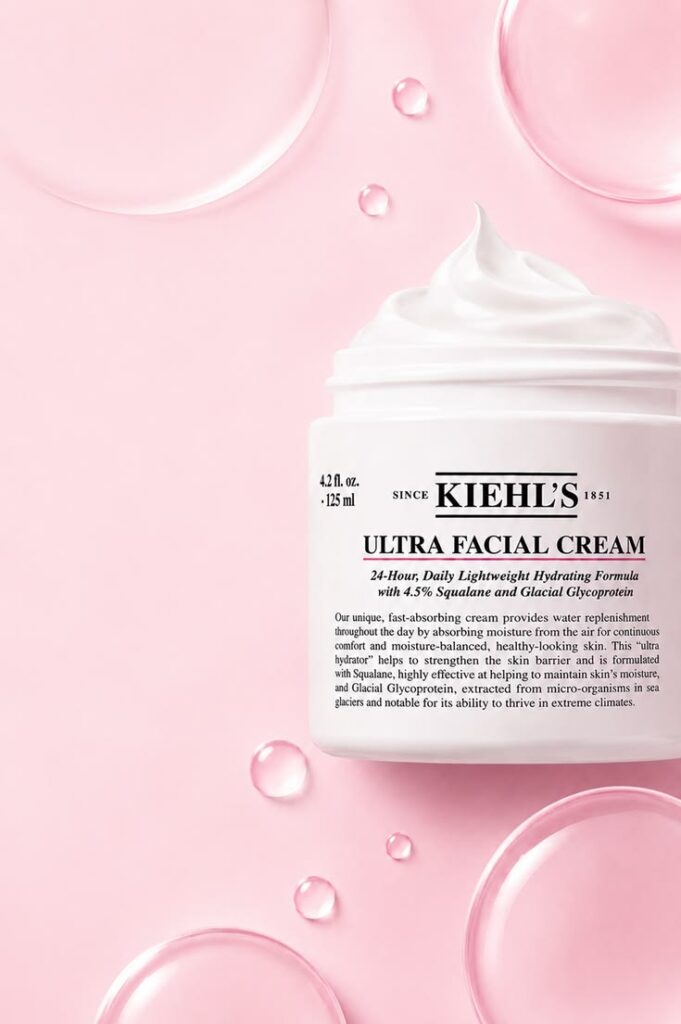
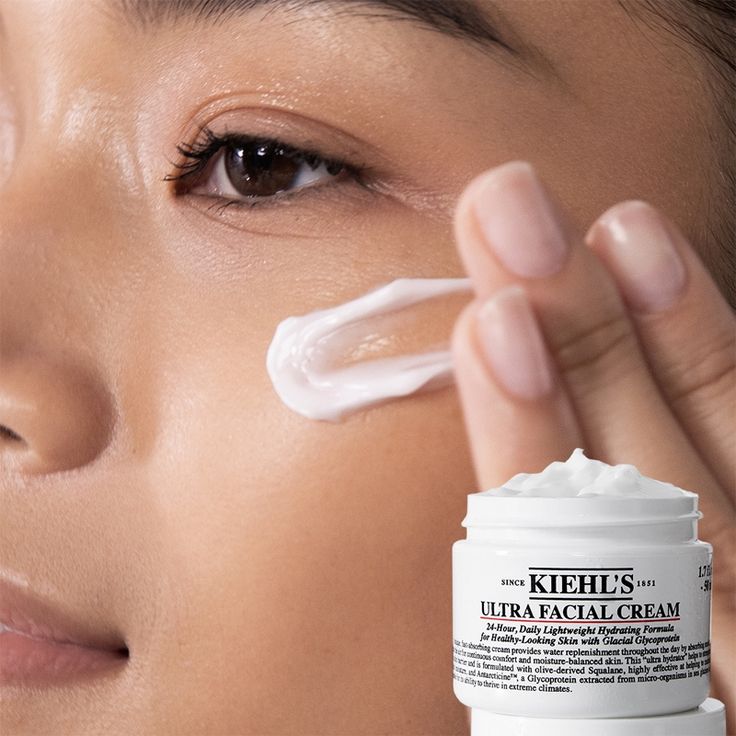
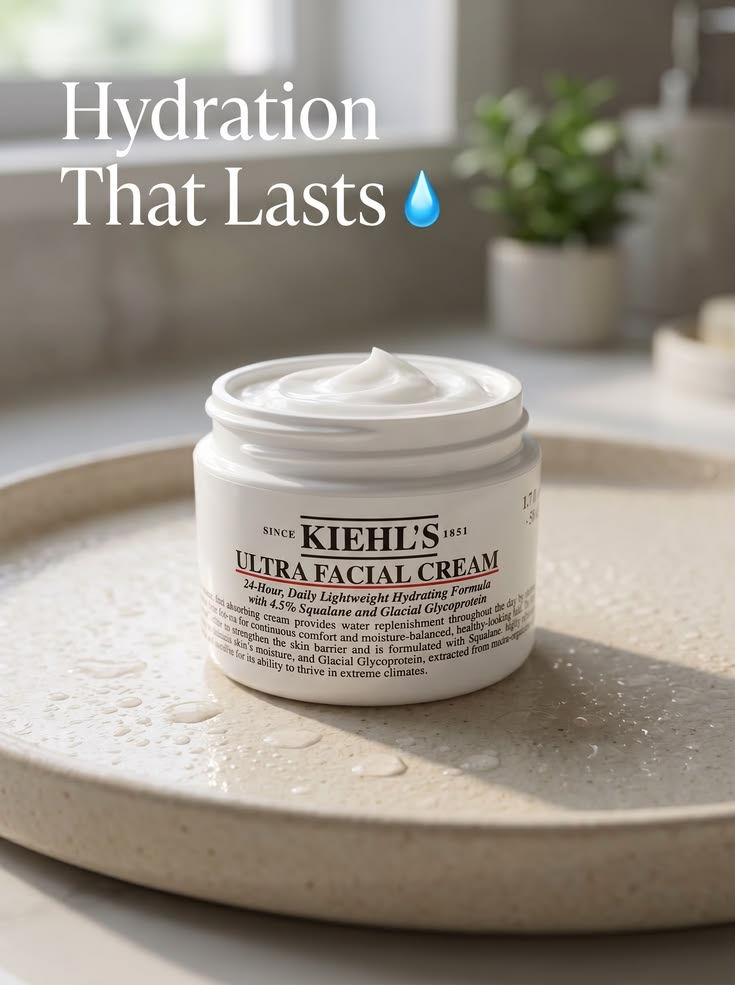
I dug into the formula, compared it against what dermatologists actually say about its ingredients, checked real buyer feedback, and weighed the price against what you’re genuinely getting. By the end of this, you’ll know exactly whether this cream earns a spot in your routine — or whether your money is better spent elsewhere.
Here’s the quick version before we get into the weeds:
- Best for: Dry, dehydrated, sensitive, or combination skin that needs lasting hydration without heaviness
- Hero ingredients: Squalane (4.5%), Glacial Glycoprotein, Pro-Ceramides, Glycerin
- Texture: Lightweight gel-cream hybrid, fragrance-free, non-greasy once absorbed
- Hydration claim: 72-hour moisture retention (we’ll dig into what that actually means)
- Price range: Roughly $35 to $78, depending on size, with refill pouches available
- Skip it if: You have oily, acne-prone skin, or you’re chasing active ingredients like retinol or AHAs in the same step.
- Our overall verdict: A genuinely well-formulated barrier moisturizer that’s worth it for the right skin type — but not a universal must-have
Let’s break down why.
This review reflects independent testing and research compiled by the Review Dermatica team, with all clinical and ingredient claims reviewed by our team’s clinical research lead. As an affiliate partner, we may earn a commission on qualifying purchases made through links on this page, at no additional cost to you. Commissions never influence our editorial opinions, ratings, or recommendations — every product is evaluated on its own merits first.
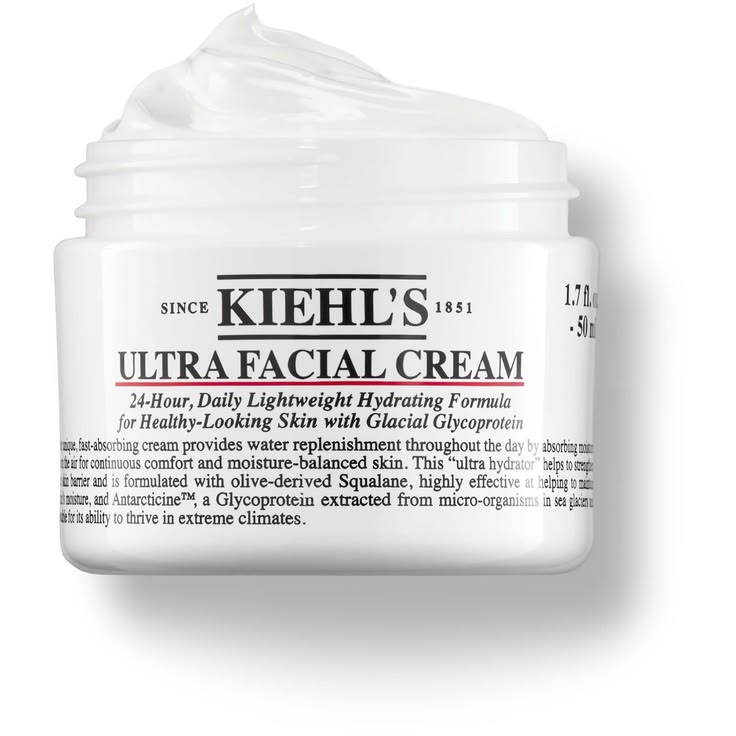
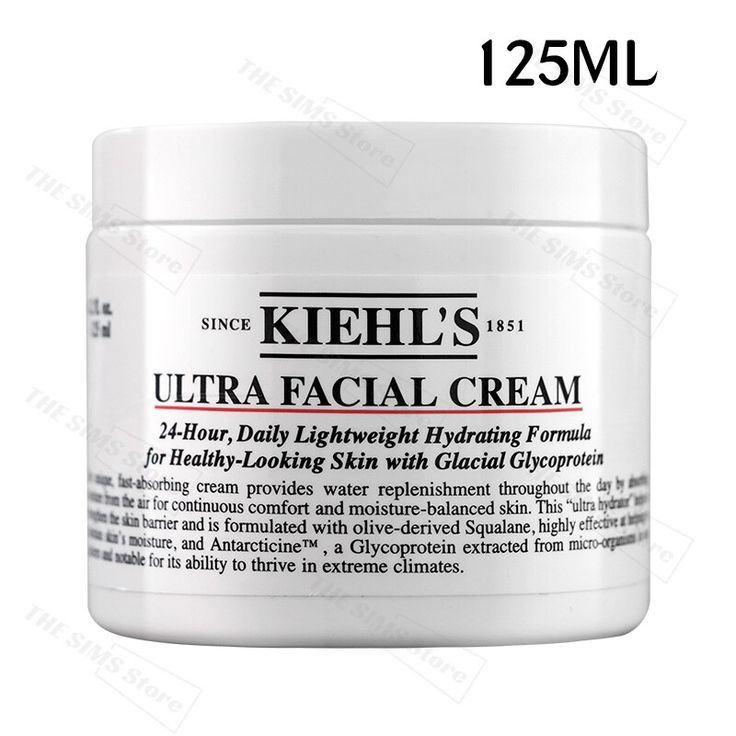
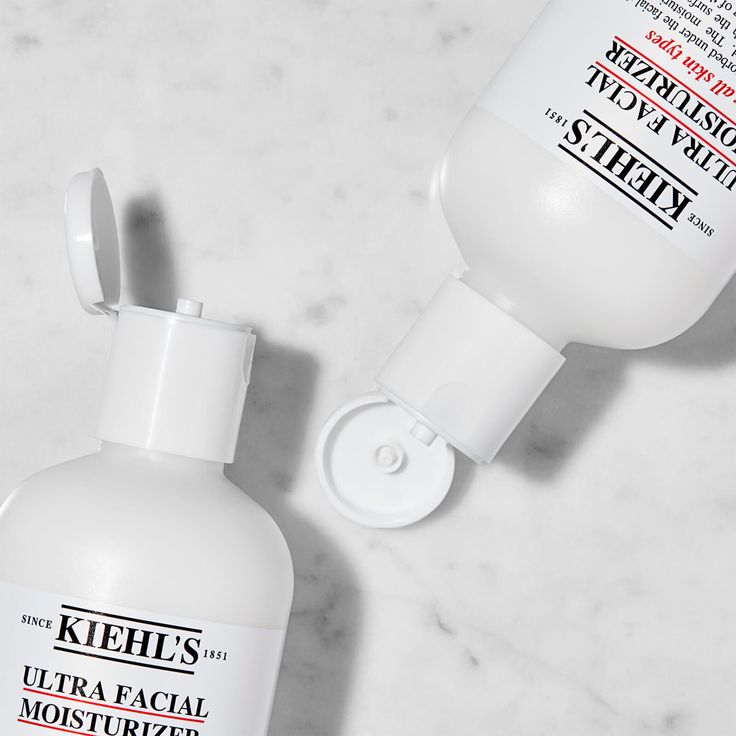
What Exactly Is Kiehl’s Ultra Facial Cream?
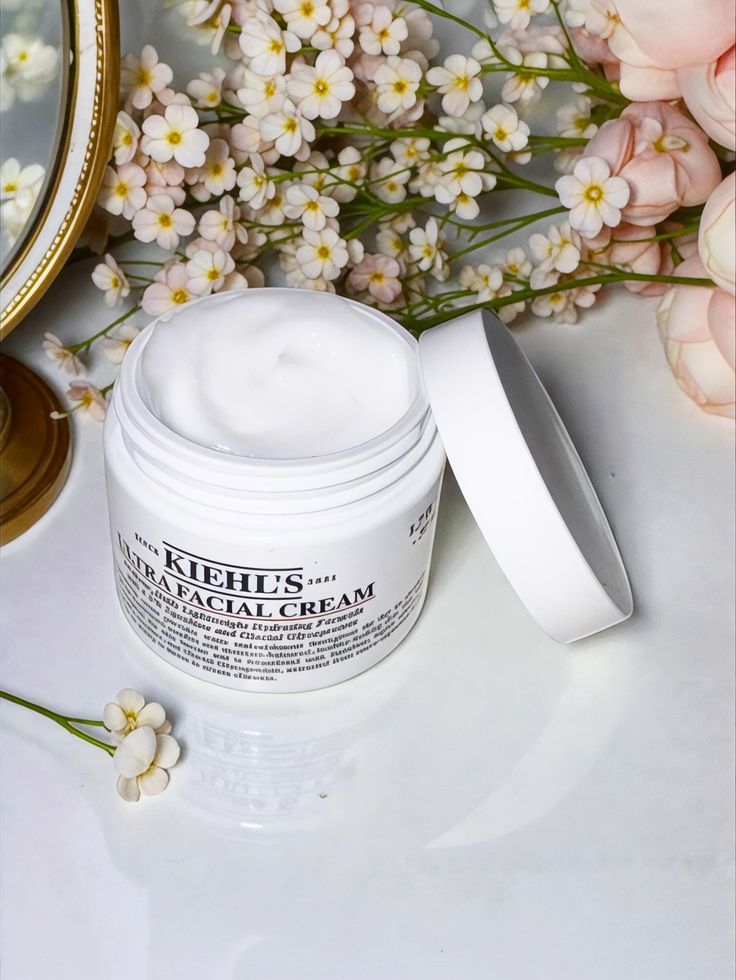
Kiehl’s has been a fixture in American pharmacy-turned-prestige skincare since the brand’s apothecary roots in the East Village, and the Ultra Facial line is arguably its most famous export. The Ultra Facial Cream itself is a daily moisturizer built around the idea of long-lasting hydration without the greasy aftermath that thicker creams tend to leave behind. It’s marketed as suitable for “all skin types,” which is a phrase I always take with a grain of salt — but in this case, it’s closer to true than most brands’ claims, mostly because the formula skews toward lightweight rather than rich.
The cream comes in a few variations now, including a gel-cream for oilier skin and an SPF version, but the original Ultra Facial Cream is the one everyone’s actually asking about, and it’s the one we tested for this review.
Kiehl’s Ultra Facial Cream Ingredients: What’s Actually in the Jar
This is where most reviews stop at “it has squalane!” and call it a day. I wanted to know why that matters, so let’s go ingredient by ingredient.
Squalane is the headline ingredient, and for good reason. It’s a stable, plant-derived (olive-based, in Kiehl’s case) lipid that mimics the skin’s own natural oils. Research published in the International Journal of Molecular Sciences has shown that squalane can actually help counteract UVA-related damage to skin cells and support the skin’s natural repair processes by protecting against oxidative stress and supporting collagen biosynthesis in dermal fibroblasts. In plainer terms, it doesn’t just sit on your skin looking moisturizing; it appears to have a genuine protective role at a cellular level. MDPI
Glacial Glycoprotein is Kiehl’s signature marketing flex — sourced from a fermentation process linked to Antarctic marine bacteria. It sounds like science fiction, but the function is straightforward: it’s positioned to help the skin retain moisture and support a smoother texture over time.
Pro-Ceramides and Glycerin round out the formula’s “barrier repair” angle. Ceramides aren’t just a trendy ingredient name — they’re structurally part of what holds your skin barrier together. A qualitative review of ceramide-based formulations found that ceramide-containing products consistently improved skin water content and reduced water loss through the skin barrier across multiple controlled trials. Glycerin, meanwhile, is one of the most extensively studied humectants in skincare and works by pulling moisture into the skin’s outer layer. PubMed Central
What you won’t find: fragrance, parabens, or heavy silicones high up on the ingredient list. That’s a deliberate formulation choice, and it’s part of why this cream shows up so often in “sensitive skin approved” lists.
Does the 72-Hour Hydration Claim Actually Hold Up?
Marketing claims like “72-hour hydration” always make me raise an eyebrow, because no, you are not applying this once and walking around hydrated for three straight days. What it actually means, based on the formulation and how occlusive/humectant blends typically perform in lab testing, is that a single application can continue supporting measurable hydration levels in the skin’s outer layer well beyond the usual 24-hour mark most moisturizers are tested against — not that you can skip reapplication entirely.
In real-world use, that translates to skin that doesn’t feel tight or flaky by the afternoon, even if you only apply it in the morning. It’s a genuinely noticeable difference if you’re coming from a thinner, water-based moisturizer.
What It Feels Like on Skin (The Honest Texture Breakdown)
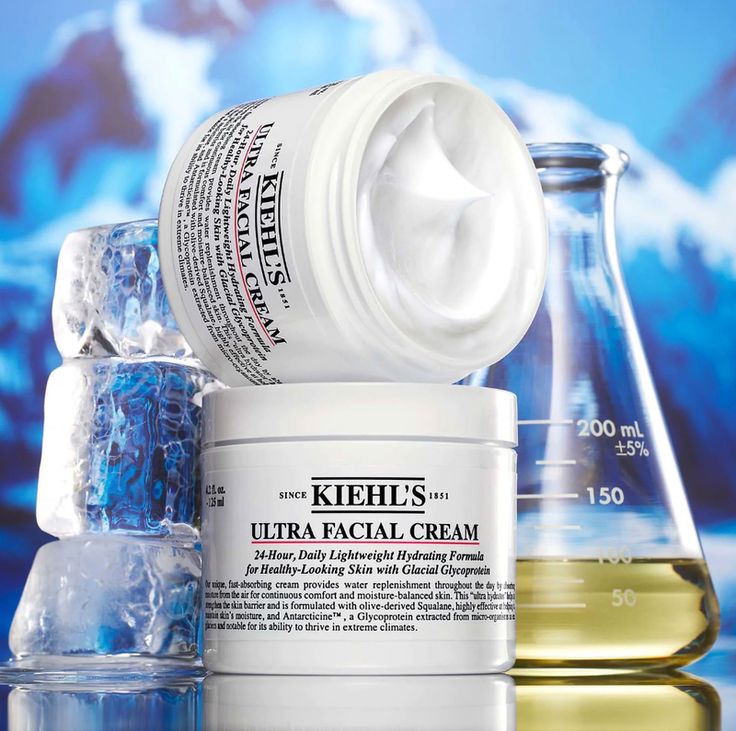
This is the part people care about most, and also where opinions split hardest. Kiehl’s Ultra Facial Cream sits in a strange in-between zone — it looks like a dense, almost gel-like cream in the jar, but it melts down quickly once you rub it between your fingers. On application, there’s a brief moment where it feels rich, almost like it’s going to sit heavy, and then it sinks in within about a minute, leaving a soft, slightly cushioned finish rather than a greasy film.
If you have genuinely dry or dehydrated skin, this texture feels like relief. If you have oily or acne-prone skin, even the “lightweight” version of this cream can feel like a touch too much, especially layered under makeup in humid weather. A few buyers have also reported it triggering some breakouts, which tracks with the ingredient list — there are a couple of comedogenic-leaning emollients in there that, while fine for most people, aren’t ideal if you’re already acne-prone.
Kiehl’s Ultra Facial Cream Review: Dermatologist Perspective
A lot of what makes this cream credible isn’t influencer hype — it’s that the core ingredients line up with what dermatology research actually supports for barrier repair. Ceramide-deficient skin is a well-documented issue in conditions like eczema and chronic dryness, and formulations built around restoring that lipid balance have repeatedly shown improved hydration outcomes in clinical settings. That’s not a guarantee this exact cream will perform identically to a lab study, but it does mean the category of ingredients here isn’t just trend-chasing — it’s grounded in actual skin barrier science.
Where dermatologists tend to get more cautious is with comedogenicity. The formula does include a few ingredients that, in isolated ingredient testing, have shown some pore-clogging potential. As we always remind readers on Review Dermatica, comedogenic ratings on individual ingredients don’t necessarily predict how a finished, balanced formula will behave on your specific skin — but if you’re prone to clogged pores, it’s worth patch-testing this one before committing to the full-size jar.
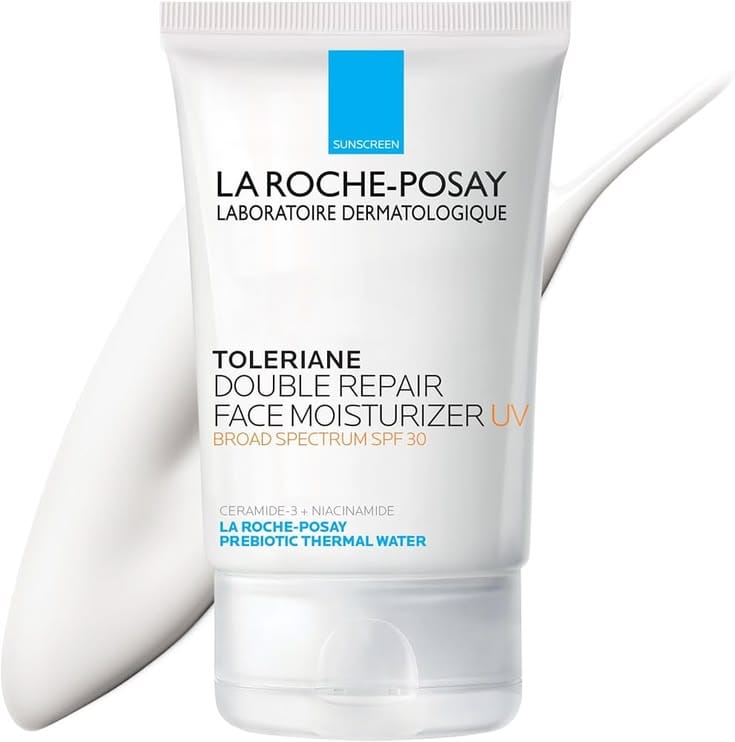
If you’re building a barrier-focused routine and want a gentler alternative with a similar philosophy, our La Roche-Posay Toleriane Double Repair Face Moisturizer review covers a ceramide-forward option that leans even lighter.
Kiehl’s Ultra Facial Cream Price: Is It Actually Worth $70?
Let’s get to the number everyone’s actually here for. Kiehl’s Ultra Facial Cream price varies quite a bit depending on size:
Refill pouches: Slightly cheaper per ounce, and better for anyone trying to cut down on plastic waste
So is it worth $70 for the bigger jar? Here’s my honest math: at that price point, you’re paying a premium that’s partly justified by the formulation quality and partly justified by, frankly, the Kiehl’s name. The ingredients themselves — squalane, glycerin, ceramides — aren’t rare or impossibly expensive to source. You can find similar barrier-supporting actives in moisturizers priced well under $30.
What you are paying extra for is texture refinement, a fragrance-free formula that’s genuinely gentle, and a brand with decades of consistent reformulation based on dermatological feedback. If you have the budget and dry or sensitive skin that’s struggled with other moisturizers, I think it’s worth it. If you’re budget-conscious or your skin leans oily, you can get comparable barrier support for less — and our best non-comedogenic moisturizer guide breaks down several options that won’t strain your wallet the same way.
Who Should Actually Buy This Cream
I don’t love blanket “everyone needs this” statements, so let’s get specific.
You’ll probably love it if:
- Your skin tends toward dry, flaky, or tight, especially after cleansing
- You have sensitive skin and react badly to fragranced products
- You live somewhere with harsh winters or constant air conditioning
- You want a moisturizer that works equally well morning and night
You should probably skip it if:
- You have oily or acne-prone skin and want something that mattifies
- You’re layering multiple active ingredients and need something thinner underneath
- You’re on a tight budget and need something more economical for daily use
If you fall into the second category, it’s worth comparing this against lighter gel-based options. Our Neutrogena Hydro Boost vs CeraVe comparison covers two budget-friendly alternatives that handle oilier skin types better.
How to Use It for Best Results
Application matters more than people think with this cream. Here’s the routine that gave me the best results during testing:
- Cleanse with a gentle, non-stripping cleanser (avoid anything with harsh sulfates right before this step)
- Apply a hydrating toner or essence while skin is still slightly damp — this is where a humectant-forward toner like Round Lab’s 1025 Dokdo Toner works beautifully underneath.
- Take a dime-sized amount of Ultra Facial Cream and warm it slightly between your fingers before applying.
- Press it into the skin rather than rubbing aggressively, focusing on the cheeks, jaw, and neck, where dryness tends to concentrate.
- In the morning, always follow with sunscreen — this cream offers zero SPF protection on its own, so don’t skip this step.
If you’re someone who layers actives like vitamin C or niacinamide, apply those before this cream, not after. The richness of the formula can act as a barrier that blocks thinner serums from absorbing properly if applied first.
How It Compares to Other Popular Moisturizers
I get asked constantly how this stacks up against other well-known creams, so here’s the short version. Compared to gel-based hydrators like the ones in our Neutrogena Hydro Boost vs CeraVe breakdown, Kiehl’s is noticeably richer and better suited to genuinely dry skin rather than normal-to-oily types. Compared to higher-end luxury creams like those in our Augustinus Bader vs La Prairie comparison, Kiehl’s is actually the more affordable, more straightforward option — less about anti-aging marketing, more about pure barrier function.
If your priority is layering this under a vitamin C serum, take a look at our guide on the best vitamin C serum for sensitive skin to build a routine that won’t pill or separate when paired with this cream’s texture.
Real Buyer Feedback: What People Are Actually Saying
Across thousands of reviews, a few patterns show up consistently. The overwhelming majority of long-term users praise the texture — specifically how it manages to feel rich without ever turning into a greasy mess, with quite a few comparing the silky finish to higher-end prestige creams. The most common complaint isn’t about effectiveness; it’s about price creep over the years, with several long-time repurchasers noting the cost has crept up noticeably compared to a few years ago.
A smaller but vocal group reports breakouts or a feeling of being “too hydrated,” especially when used both morning and night on skin that isn’t actually that dry to begin with. This lines up with what we’d expect: this is a moisturizer built for deficiency, not maintenance, so if your skin barrier is already healthy, you may find it’s simply more than you need.
Frequently Asked Questions
1. Is Kiehl's Ultra Facial Cream good for dry skin?
Yes. Its blend of squalane, glycerin, and pro-ceramides is specifically formulated to support dry and dehydrated skin, helping restore the moisture barrier without feeling heavy.
2. Does Kiehl's Ultra Facial Cream cause breakouts?
Most users don’t experience breakouts, but a small percentage with oily or acne-prone skin have reported clogged pores due to a few comedogenic-leaning emollients in the formula. Patch testing is recommended if you’re acne-prone.
3. How much does Kiehl's Ultra Facial Cream cost?
Pricing ranges from around $35 for the 1.7 oz size to $78–$85 for the 8.4 oz jumbo jar, with refill pouches offering better value per ounce.
4. Can I use Kiehl's Ultra Facial Cream both morning and night?
Yes, it’s designed for twice-daily use. Just remember to follow up with sunscreen in the morning, since this cream offers no SPF protection on its own.
5. Is Kiehl's Ultra Facial Cream worth the price?
For genuinely dry, sensitive, or barrier-compromised skin, yes — the formulation quality justifies the cost. For normal or oily skin types, a lighter, more affordable moisturizer may deliver similar results.
Final Verdict: Should You Buy Kiehl’s Ultra Facial Cream?
After actually living with this cream rather than just reading the marketing page, my take is this: Kiehl’s Ultra Facial Cream earns its reputation, but it’s not a universal yes. The formulation is genuinely thoughtful — squalane and ceramides aren’t filler ingredients, they’re doing real, barrier-supporting work backed by actual research. The fragrance-free, gentle approach makes it a safe bet for sensitive skin types who’ve been burned by harsher products before.
But $70 for the larger size is a real ask, and if your skin doesn’t desperately need that level of richness, you’re paying for refinement you may not notice. For genuinely dry, dehydrated, or barrier-compromised skin, I’d call this worth it. For normal, combination, or oily skin types, I’d point you toward a lighter, cheaper alternative first.
If you’ve decided this is the one for your routine, the smartest way to buy is through a retailer with frequent promotions:
Check Today’s Price on Amazon →
For anyone still building out the rest of their routine around this moisturizer, take a look at our best vitamin C serum for sensitive skin guide or our breakdown of mineral vs chemical sunscreen for face to round things out with proper SPF protection, since Kiehl’s Ultra Facial Cream offers none on its own.
Sources referenced:
- International Journal of Molecular Sciences / MDPI — squalane and dermal fibroblast research
- PMC (National Library of Medicine) — qualitative review of ceramide-containing formulations and skin barrier function
About the Editorial Team
The Strategic Architect
Newaj H. Asim | Founder & Lead Analyst
Asim is the founder of Review Dermatica and leads the site’s research and editorial strategy, combining technical SEO expertise with a rigorous, data-first approach to skincare analysis. As a developer and strategist by background, he focuses on cutting through marketing hype to deliver clear, evidence-based conclusions for a US-based audience. He oversees the research, structure, and accuracy standards behind every in-depth review published on the site.
The Scientific Mind
Tahmina Zannat Lamya | Co-Founder & Clinical Research Lead
Focus area: Acne & Blemish Treatments
Tahmina leads the scientific and clinical review process at Review Dermatica. With a background in cosmetic formulation and skin microbiome science, she examines the molecular function of active ingredients — from PDRN to ceramides — and verifies that the clinical claims referenced in each article align with current dermatological research. Her work ensures that ingredient science is both accurate and accessible to readers.
Clinical Context Referenced From
Dr. Shereene Idriss, MD — Board-Certified Dermatologist
To support the medical accuracy of our ingredient analysis, Review Dermatica references publicly available, published clinical insights from Dr. Shereene Idriss, a Harvard-trained, board-certified dermatologist and founder of Idriss Dermatology (NYC). Her public commentary on skin barrier health, ingredient science, and dermatological best practices helps inform the broader medical context behind our evaluations.
Disclaimer: Dr. Idriss is not affiliated with, employed by, or a contributor to Review Dermatica. She has no relationship with this site. She is cited solely as an independent, external clinical authority whose publicly available published work and commentary we reference for general medical context — not as an endorsement of Review Dermatica, this article, or any specific product reviewed.
4 thoughts on “Kiehl’s Ultra Facial Cream Review (2026): Shockingly Worth $70?”