
If your skin has ever felt angry, itchy, or just “off” no matter what you put on it, you’ve probably already heard someone mention a hypochlorous acid spray. It’s the one product dermatologists keep recommending in the same breath as sunscreen — and for good reason. A hypochlorous acid spray is a gentle, pH-balanced mist that calms redness, fights bacteria, and helps rebuild a damaged skin barrier without the sting of alcohol-based toners or the harshness of chemical exfoliants.
At Review Dermatica, we spent weeks going through the clinical literature, comparing formulas, and cross-checking real user reviews to find the best hypochlorous acid spray for face use in 2026. Below, you’ll find our top 7 picks, a full breakdown of how this ingredient actually works, and practical guidance on using a hypochlorous acid spray for home care — whether that’s for acne, eczema, post-workout skin, or general daily maintenance.
Affiliate Disclosure: Review Dermatica participates in the Amazon Associates program. Some links in this article are affiliate links, meaning we may earn a small commission if you make a purchase through them, at no additional cost to you. Our product selections are based on independent research and clinical evidence, not sponsorship.
Quick Summary: Our Top Picks
Before we go product by product, here’s the short version if you’re in a hurry:
- Best Overall Hypochlorous Acid Spray: Tower 28 SOS Daily Rescue Facial Spray
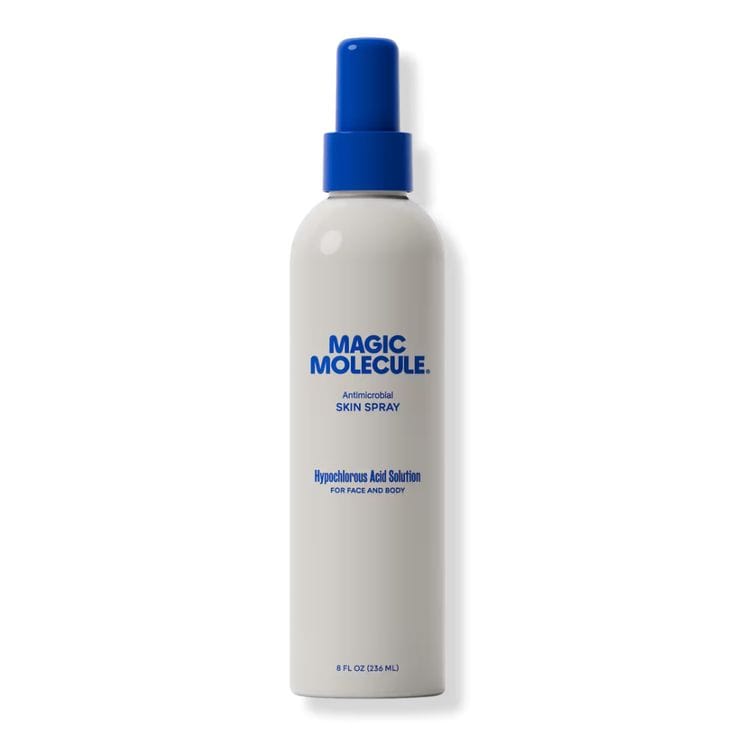
- Best for Whole-Family/Home Use: Magic Molecule Skin Spray
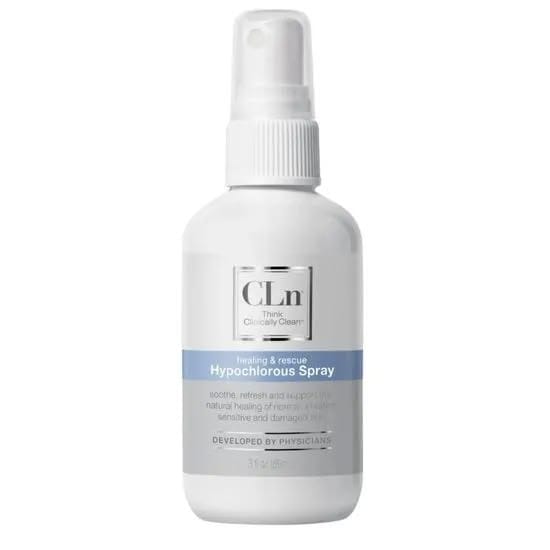
- Best for Eczema-Prone Skin: CLn Skin Care Hypochlorous Acid Spray
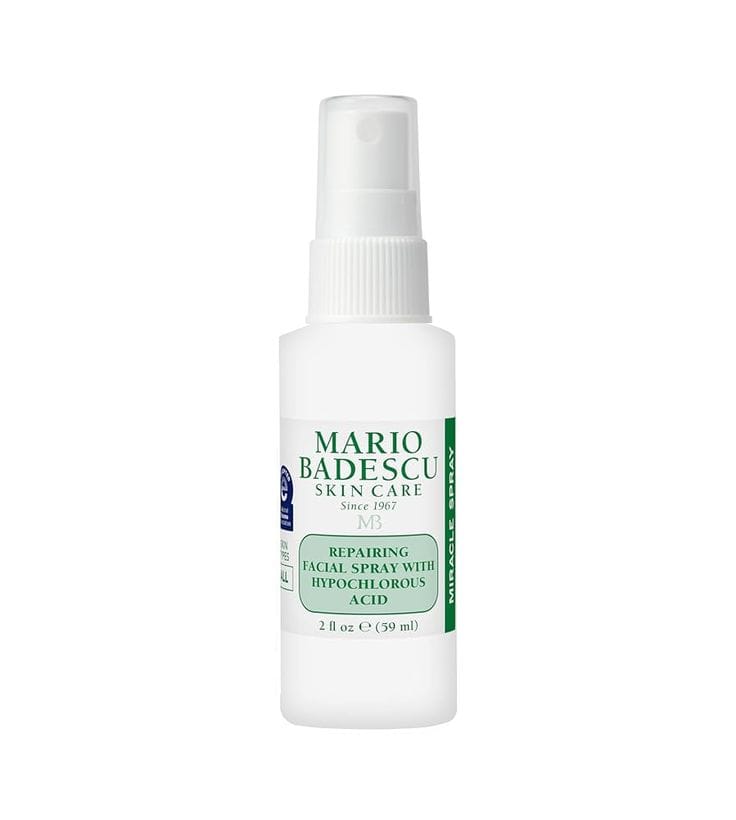
- Best Budget Pick: Mario Badescu Repairing Facial Spray
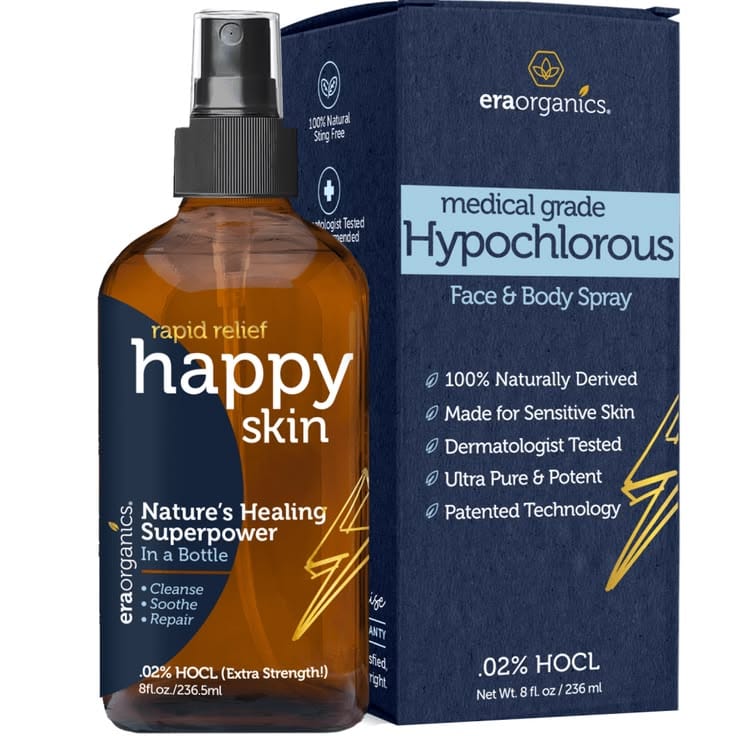
- Best for Sensitive, Reactive Skin: Era Organics Hypochlorous Acid Spray
- Best Higher-Concentration Option: For Skin’s Sake (FSS) Hypochlorous Acid Spray 0.02%
- Best Amazon-Rated Pick: Honeydew Labs Hypochlorous Acid Spray
Now let’s get into why hypochlorous acid spray has become one of the most talked-about products in skincare, and which bottle is actually worth your money.
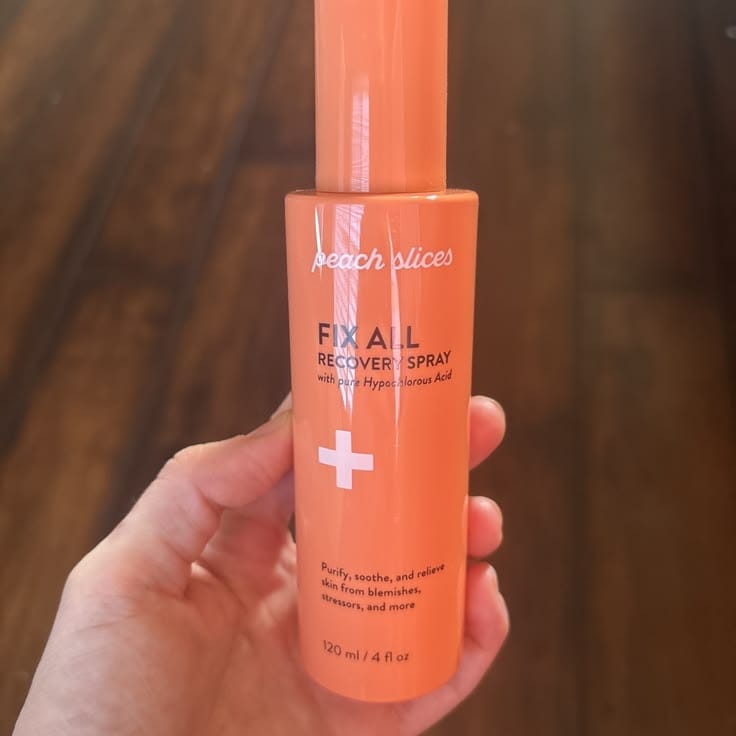
What Is Hypochlorous Acid Spray and How Does It Work?
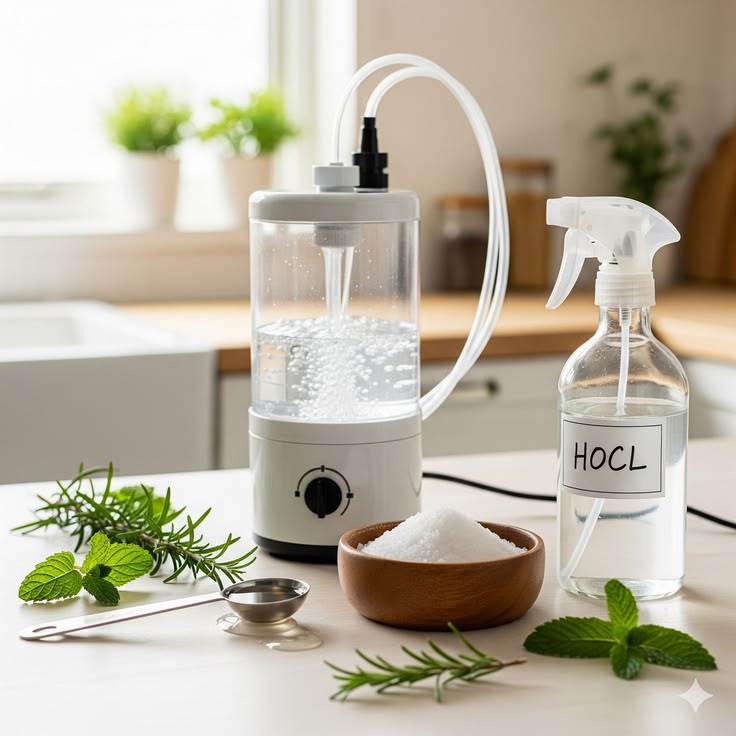
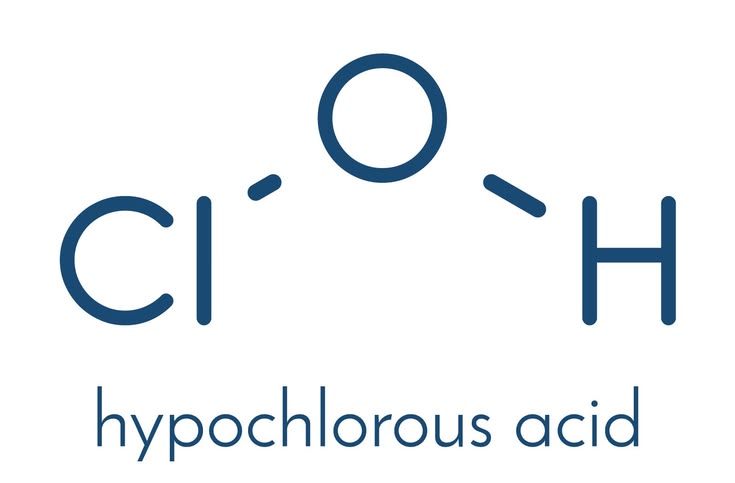
Hypochlorous acid (HOCl) isn’t a new synthetic chemical dreamed up by a lab — it’s a molecule your own white blood cells already produce as part of your immune system’s first line of defense. A cosmetic hypochlorous acid spray simply bottles a stabilized, skin-safe version of that same compound at a very low concentration, usually between 0.01% and 0.02%. Clinical researchers have been studying HOCl for wound care and dermatology for years, and the evidence is genuinely strong. A recent scoping review in the American Journal of Clinical Dermatology traced how sodium hypochlorite and its diluted forms have moved from antiseptic wound care into everyday skincare, pointing to consistent antimicrobial, healing,
And anti-inflammatory effects. Separately, laboratory research on UV-exposed skin found that topical HOCl reduced inflammatory gene activity, supporting its role in calming irritated, sun-stressed skin. Reviewers writing in the journal Biomedicines also compiled clinical data across dermatology, surgery, and ophthalmology, concluding that stabilized HOCl solutions are well tolerated across a wide range of skin conditions.
In plain terms: a hypochlorous acid spray reduces surface bacteria, calms inflammation, and does this without disrupting your skin barrier the way harsher actives can. That’s exactly why it pairs so well with barrier-supporting products like a beta-glucan serum or a ceramide-rich moisturizer — the spray calms things down, and the moisturizer locks the barrier back in.
Who Should Use a Hypochlorous Acid Spray?
You don’t need “problem skin” to benefit from a hypochlorous acid spray, but it tends to help these groups the most:
- People with active breakouts who want antibacterial support without drying out their skin, especially alongside a gentle BHA treatment
- Anyone with eczema, rosacea, or general redness-prone skin
- People recovering from in-office procedures, waxing, or shaving
- Anyone who wants a lightweight refresh post-workout or midday over makeup
- People rebuilding a compromised skin barrier after over-exfoliating, who may also want a calming toner like a mugwort essence in the same routine.
If you have very dry, mature skin, a hypochlorous acid spray still works well, but you’ll want to follow it immediately with a richer cream such as Kiehl’s Ultra Facial Cream or First Aid Beauty Ultra Repair Cream so the hydration doesn’t evaporate straight back off your skin.
How to Use a Hypochlorous Acid Spray (Face and Home)
Using a hypochlorous acid spray is genuinely simple, which is part of why it has caught on so fast.
For Face Use
- Cleanse your face as usual.
- Hold the hypochlorous acid spray bottle about 4-6 inches from your face and mist evenly, eyes closed.
- Let it air-dry for a few seconds — no need to wipe it off.
- Follow with your regular serum and moisturizer.
- You can reapply a hypochlorous acid spray for face use throughout the day, even over makeup, since it doesn’t disturb your base.
For Home Use
Beyond the face, a hypochlorous acid spray for home use is increasingly common as a general-purpose sanitizing mist — for gym mats, phone screens, pillowcases, or even minor skin irritations on the body like ingrown hairs, razor bumps, or post-shower body acne. Because HOCl breaks down into simple saltwater components, it’s considered safe for frequent household use without the toxic residue of bleach-based cleaners, though you should always check the specific product label, since formulations differ between cosmetic-grade and industrial-grade sprays.
How We Chose These Products
Every hypochlorous acid spray on this list was evaluated by our team against four criteria: HOCl concentration and pH stability, third-party clinical or dermatologist testing, ingredient transparency (no unnecessary fillers or fragrance), and real-world user feedback from verified purchases. Our co-founder, Tahmina Zannat Lamya, who leads clinical and formulation research at Review Dermatica, reviewed the ingredient lists and stability data behind each pick to make sure the concentration claims lined up with what’s actually shown to work in the literature.
This is the same process we use for every comparison article on the site, including our recent Anua PDRN Hyaluronic Acid 100 review and our CeraVe vs Neutrogena Hydro Boost breakdown.
Best Hypochlorous Acid Spray 2026: Top 7 Picks Reviewed
1. Tower 28 SOS Daily Rescue Facial Spray — Best Overall
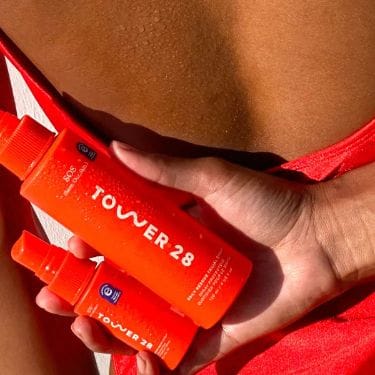
Tower 28 brought hypochlorous acid spray into mainstream skincare, and this remains the most dermatologist-recommended pick in 2026. Just three ingredients — water, sodium chloride, HOCl — and recognized by all three major U.S. skin health organizations (eczema, rosacea, psoriasis).
Pros: gentle even post-procedure, works over makeup, fragrance-free.
Cons: pricier for a small bottle.
Best for: sensitive, reactive, or post-procedure skin.
2. Magic Molecule Skin Spray — Best for Whole-Family and Home Use
FDA-cleared and now sold in 500+ Whole Foods stores, this hypochlorous acid spray doubles as a face and home-use option for the whole family.
Pros: FDA-cleared, widely available, versatile.
Cons: more utility-focused branding.
Best for: households wanting one all-purpose bottle.
3. CLn Skin Care Hypochlorous Acid Spray — Best for Eczema-Prone Skin
Dermatologist-developed, FDA-cleared, 125 ppm concentration built for compromised or eczema-prone skin, without steroids or alcohol.
Pros: physician-formulated, safe near eyes.
Cons: clinical feel over “spa” appeal.
Best for: eczema, psoriasis, chronic barrier issues.
4. Mario Badescu Repairing Facial Spray with Hypochlorous Acid — Best Budget Pick
Delivers the same redness-calming, antibacterial benefits at a much lower price point.
Pros: affordable, widely available.
Cons: less clinical backing than physician brands.
Best for: first-time HOCl users.
5. Era Organics Hypochlorous Acid Spray — Best for Sensitive Skin
A 0.02% clean-beauty formula in a generous 8 oz bottle, positioned as near-bioidentical to your body’s own HOCl.
Pros: great value size, gentle on reactive skin.
Cons: patch-test first due to higher concentration.
Best for: sensitive skin on a budget.
6. For Skin’s Sake (FSS) Hypochlorous Acid Spray 0.02% — Best Higher-Concentration Option
A stronger 0.02% formula for active breakouts or post-workout body use, still within dermatologist-safe range.
Pros: extra strength for stubborn irritation.
Cons: overkill for daily maintenance.
Best for: active acne or post-workout skin.
7. Honeydew Labs Hypochlorous Acid Spray — Best Amazon-Rated Pick
A 4.7-star Amazon favorite (1,000+ reviews), also named a top pick by NBC Select.
Pros: strong reviews, consistent 0.015% concentration.
Cons: smaller bottle size.
Best for: shoppers who want a trusted, no-research-needed option.
Hypochlorous Acid Spray for Face vs. Hypochlorous Acid Spray for Home
It’s worth separating these two use cases clearly. A hypochlorous acid spray for face use is formulated at a gentle, skin-safe concentration (typically 0.01%-0.02%) and is meant to be misted directly onto clean or makeup-covered skin. A hypochlorous acid spray for home use, on the other hand, may reference higher-concentration or bulk formulations intended for surface sanitizing, gym equipment, or general household disinfecting — not necessarily for prolonged skin contact.
If you want one product to do both jobs safely, look for a brand like Magic Molecule that explicitly markets FDA clearance and multi-use safety on the label, rather than assuming a purely household-grade HOCl product is safe for your face.
Is Hypochlorous Acid Spray Safe? Side Effects to Know
Hypochlorous acid spray has one of the best safety profiles of any active skincare ingredient, largely because it’s chemically similar to what your own immune system already produces. Clinical research on stabilized HOCl in wound care and scar management has found it well tolerated with minimal risk of ocular or ototoxicity, unlike harsher antiseptics such as chlorhexidine.
That said, a few sensible precautions apply:
- Patch-test any new hypochlorous acid spray, especially higher-concentration formulas like the FSS 0.02% pick.
- Avoid mixing it with other strong actives at the same time unless your dermatologist has advised otherwise.
- Store it away from direct sunlight and heat, since HOCl solutions can degrade over time.
- If you’re using it for acne, pair it with a gentle routine — an aggressive Vitamin C serum or strong retinoid on the same night can increase overall irritation risk.
Frequently Asked Questions
Can I use a hypochlorous acid spray every day?
Yes, and most dermatologists actually encourage it. Because hypochlorous acid breaks down into simple saline components rather than building up on the skin, it doesn’t carry the same cumulative irritation risk as actives like retinoids or acids. Many users apply their hypochlorous acid spray both morning and night as part of their normal routine, then reach for it again throughout the day — after a workout, over makeup, or whenever skin feels stressed. Unlike alcohol-based toners, there’s no drying rebound effect, so daily or even multiple-times-daily use is considered safe for nearly every skin type, including sensitive and compromised skin.
Which is the best hypochlorous acid spray for acne?
For acne-prone skin, the Tower 28 SOS Daily Rescue Spray and the For Skin’s Sake 0.02% formula both stand out. They combine genuine antibacterial action against acne-causing bacteria with barrier-friendly, non-comedogenic ingredient lists, so they calm active breakouts without clogging pores or over-drying skin the way benzoyl peroxide or harsh spot treatments sometimes can. The higher 0.02% concentration in the FSS formula can be especially useful for more stubborn or inflamed breakouts, while Tower 28’s gentler profile works well for daily maintenance alongside your existing acne routine.
Is a hypochlorous acid spray the same as a toner?
Not exactly, though it can absolutely replace one. A traditional toner usually works by rebalancing skin pH or providing light exfoliation. A hypochlorous acid spray works through a different mechanism entirely — it reduces surface bacteria and calms inflammation, mimicking the same antimicrobial response your immune system already produces. So while you can use it in the same step of your routine where a toner would normally go, you’re getting a functionally different (and in many cases more therapeutic) benefit, particularly if your skin deals with redness, breakouts, or irritation rather than just needing a hydration boost.
Can I use hypochlorous acid spray around my eyes?
Some formulations are specifically manufactured and tested to ophthalmology-grade standards, meaning they’re considered safe for use on the eyelids and around the eye area — this is common in formulas developed for conditions like blepharitis or general eyelid dermatitis. However, this isn’t true across every product on the market, since concentration and stabilization methods vary by brand. Always check the specific product’s label or manufacturer guidance before spraying near your eyes, and when in doubt, apply it to the rest of your face first and patch-test the eye area separately.
What's the difference between hypochlorous acid spray for face and body?
Facial formulas are almost always kept at a lower concentration (typically 0.01% to 0.015%) and are fragrance-free, since facial skin tends to be thinner and more reactive. Body-focused or higher-strength sprays, by contrast, may use concentrations closer to 0.02% or higher, since areas like the back, chest, or underarms can tolerate slightly stronger formulas and often need it for tougher concerns like body acne, ingrown hairs, or post-shave irritation. Using a body-strength spray on facial skin isn’t necessarily dangerous, but it does raise the chance of dryness or sensitivity, so it’s worth matching the concentration to the area you’re treating.
Does hypochlorous acid spray expire or lose effectiveness over time?
Yes — this is one of the most overlooked aspects of using a hypochlorous acid spray. HOCl is a naturally unstable molecule, which is part of why manufacturers rely on stabilization technology and opaque or UV-protective packaging to preserve it. Once opened, most hypochlorous acid sprays are best used within a few months, and they should always be stored away from direct sunlight and heat. If your spray starts smelling faintly like bleach, looks discolored, or simply doesn’t feel as effective as when you first opened it, that’s usually a sign the HOCl concentration has degraded and it’s time to replace the bottle.
Can I use a hypochlorous acid spray with other active ingredients like retinol or vitamin C?
Generally, yes. Because hypochlorous acid spray is non-acidic and doesn’t alter skin pH the way exfoliating acids do, it layers well with most other actives, including retinol, vitamin C, and niacinamide. Many people actually use it as a calming first step before applying stronger treatments, since it can help lower baseline inflammation before you introduce something more potent. That said, if your skin is already irritated or you’re using multiple strong actives in the same routine, it’s worth giving the spray a minute to dry down fully before layering anything else on top.
Final Verdict
A hypochlorous acid spray earns its hype honestly — it’s backed by real clinical research, works across an unusually wide range of skin types and concerns, and slots easily into almost any existing routine. For most people, Tower 28’s SOS Daily Rescue Spray remains the safest all-around pick, while Magic Molecule is the smarter choice if you want one bottle that covers both face and home use. Whichever you choose, pair it with a solid barrier-repair moisturizer, and you’ll get the most out of this quietly powerful ingredient.
Affiliate Disclosure: Review Dermatica participates in the Amazon Associates program. Some links in this article are affiliate links, meaning we may earn a small commission if you make a purchase through them, at no additional cost to you. Our product selections are based on independent research and clinical evidence, not sponsorship.
About Review Dermatica
Review Dermatica is a science-backed skincare review platform founded by Asim (Newaj Hossain Asim) and Tahmina Zannat Lamya. Tahmina leads our clinical and formulation research, ensuring every ingredient claim on this site is checked against current dermatological literature before publication.
External Sources Referenced:
- American Journal of Clinical Dermatology, scoping review on sodium hypochlorite in dermatology (Springer)
- Topical hypochlorous acid and inflammatory gene expression in UV-exposed skin (PubMed)
- Stabilized hypochlorous acid in wound care and scar management (PubMed)
- Hypochlorous Acid: Clinical Insights and Experience in Dermatology, Surgery, and Other Specialties (MDPI Biomedicines, 2025)
1 thought on “Best Hypochlorous Acid Spray 2026: Top 7 Picks Reviewed”