
Best At-Home Chemical Peels in 2026: Expert-Tested Picks for Every Skin Type
Walk into any skincare aisle today and you will likely be met with a wall of acids. Glycolic, lactic, mandelic, salicylic, citric, tartaric—plus blends with names that sound more like chemistry experiments than skincare products. If you are searching for the best at-home chemical peels, the number of options can quickly become overwhelming.
The good news is that you do not need to understand every acid on the shelf to choose well. A thoughtfully formulated at-home chemical peel can help improve the look of rough texture, dullness, uneven tone, congestion, and the appearance of fine lines. You do not necessarily need a spa appointment to see a difference. What you need is the right type of acid, an appropriate strength for your skin, and a routine you can follow safely.
Rank #1
Rank #2
Rank #3
Rank #4
This guide focuses on four at-home chemical peels that each serve a different purpose. We included a premium weekly peel, a budget-friendly high-strength option, convenient two-step pads, and a lactic acid peel for people who want something less aggressive than a traditional glycolic treatment.
We looked at formula design, acid strength, directions, supporting ingredients, evidence behind claims, price per use, and availability across the US, UK, and Europe. We also separated brand-reported results from independent research, because not every impressive statistic carries the same weight.
One rule applies to every product in this guide: with chemical exfoliants, more is not better. Start slowly, patch test first, avoid layering multiple strong actives on the same night, and wear broad-spectrum sunscreen every day.
Quick Summary
- U Beauty Resurfacing Flash Peel — Best overall weekly at-home peel
- The Ordinary AHA 30% + BHA 2% Peeling Solution — Best budget peel for experienced acid users
- Dr. Dennis Gross Alpha Beta Universal Daily Peel — Best two-step peel pads
- Perfect Image Lactic 50% Gel Peel — Best lactic acid peel for dullness and uneven tone
Affiliate Disclosure and Editorial Team
Review Dermatica is reader-supported. If you buy through links on this page, we may earn a commission at no extra cost to you. Prices and availability were checked in October 2026 and may change.
This guide was prepared by Review Dermatica’s editorial team, led by founder Newaj Hossain Asim, with clinical and formulation research by co-founder Tahmina Zannat Lamya. We are skincare researchers and analysts, not medical professionals. If you have a skin condition, are pregnant, breastfeeding, or use prescription retinoids, speak with a dermatologist before starting any chemical peel.
How We Chose the Best At-Home Chemical Peels
There is no single “best” chemical peel for everyone. The right product depends on your skin type, your experience with acids, your main skin concern, and how much time you want to spend on your routine.
To narrow the field, we evaluated each product across six main criteria:
- Acid type and strength: We looked at whether the product uses AHAs, BHAs, or a combination, and whether the concentration and contact time make sense for at-home use.
- Formula design: A strong acid alone is not enough. We considered whether the formula includes soothing, hydrating, or barrier-supporting ingredients.
- Directions and usability: Clear instructions matter. A peel that is difficult to time, rinse, or neutralize creates more room for user error.
- Evidence behind claims: We distinguished between brand-conducted consumer studies, instrumental measurements, and published dermatology research.
- Cost per use: A low upfront price does not always mean good value. We considered how many treatments each product provides.
- Availability: Because Review Dermatica serves readers in the US, UK, and Europe, we prioritized products that are realistically accessible across these markets.
We also chose for range. Some people want a structured weekly treatment. Others want a convenient pad format. Some want a strong peel and already know how their skin reacts to acids. Others want a gentler entry point. The four products below were selected because each one leads in a different direction.
AHA, BHA, and PHA: What Chemical Exfoliants Actually Do
Chemical exfoliants work by loosening the bonds that hold dead skin cells to the surface of the skin. Instead of physically scrubbing them away, acids encourage the natural shedding process. When used appropriately, this can leave skin looking smoother, brighter, and more even.
Chemical exfoliants are usually grouped into a few main families.
AHAs: Alpha Hydroxy Acids
AHAs are water-soluble acids that mostly work on the surface of the skin. Common examples include glycolic acid, lactic acid, mandelic acid, tartaric acid, and citric acid.
Glycolic acid has the smallest molecule among commonly used AHAs, which is one reason it is often associated with more noticeable exfoliation. Lactic acid is larger and is often considered gentler and more hydrating. Mandelic acid is even larger, so it penetrates more slowly and may be a better option for people who find glycolic acid too intense.
The depth and intensity of an AHA peel depend on several factors, including concentration, pH, the number of layers applied, and how long the product remains on the skin. A clinical review of glycolic acid peels explains that these variables all influence how the skin responds. Read the clinical review on glycolic acid peels.
BHAs: Beta Hydroxy Acids
Salicylic acid is the best-known BHA in skincare. Unlike AHAs, it is oil-soluble, which allows it to work within the oily lining of pores. That is why it is often recommended for oily skin, blackheads, congestion, and acne-prone skin.
A peer-reviewed review describes salicylic acid as a useful peeling agent for congestion-prone skin because it can help loosen the bonds between cells inside the follicle. Read the review on salicylic acid as a peeling agent.
PHAs: Polyhydroxy Acids
PHAs, such as gluconolactone and lactobionic acid, are larger molecules than many AHAs. They tend to penetrate more slowly and are often positioned as gentler exfoliating options. While none of the four products in this guide is primarily a PHA peel, it is useful to understand the category because many people move between AHAs, BHAs, and PHAs as they learn what their skin tolerates.
Sun Sensitivity Is Non-Negotiable
All AHAs can make skin more sensitive to sunlight. The FDA notes that this increased sensitivity may continue for up to a week after someone stops using an AHA product. That means sunscreen is not optional when you use a chemical peel. See the FDA guidance on AHA-containing cosmetics.
Use a broad-spectrum SPF 30 or higher every morning, and be especially consistent in the days following a peel. If you will be outdoors, reapply sunscreen as directed and consider physical protection such as a hat or shade.
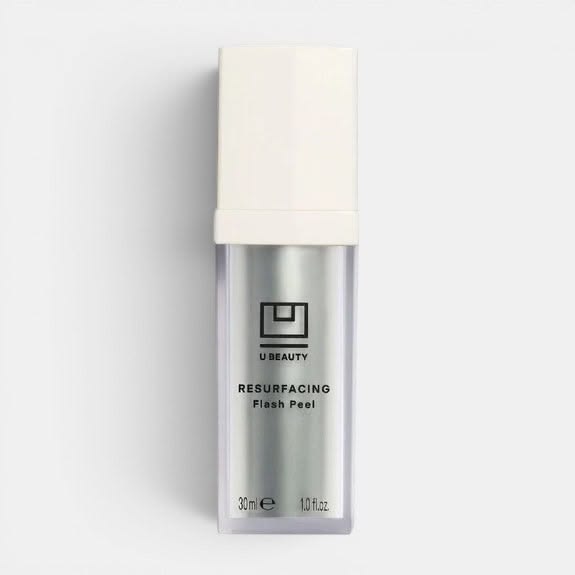
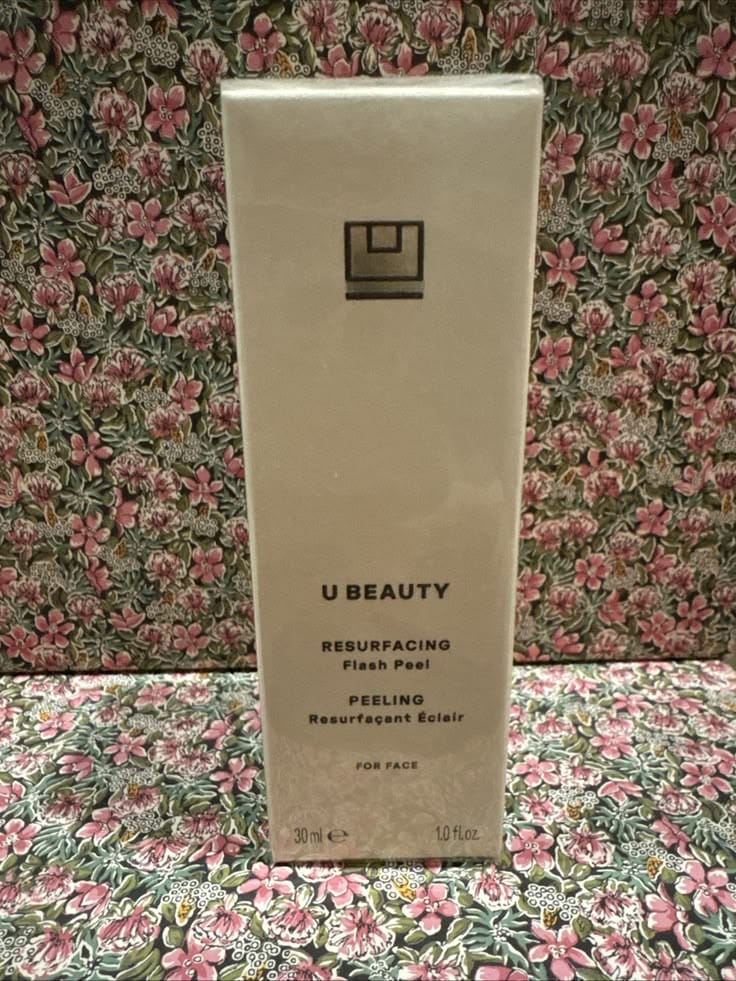
1. U Beauty Resurfacing Flash Peel: Best Overall Weekly At-Home Chemical Peel
The U Beauty Resurfacing Flash Peel is a once-weekly, rinse-off peel designed for the face and neck. It is a premium option, but it stands out because it combines a relatively controlled usage format with a multi-acid formula and several skin-supporting ingredients.
You apply it to clean, dry skin, leave it on for five to ten minutes, then rinse it off thoroughly. The gel texture spreads easily and does not require complicated timing or a separate neutralizer. For people who want a peel that feels like a deliberate weekly treatment rather than another daily serum, this format is appealing.
What Is Inside the Formula?
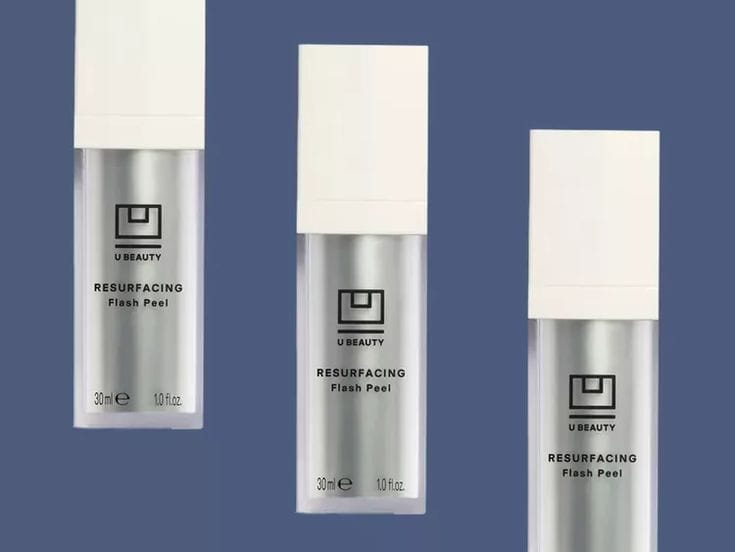
Glycolic acid leads the formula. It is supported by fruit-derived hydroxy acids from bilberry, sugar cane, orange, lemon, and sugar maple extracts. The formula also contains salicylic acid, which adds a BHA component for pore-level exfoliation.
Beyond the exfoliating acids, U Beauty includes several comfort-oriented and antioxidant ingredients:
- Aloe vera leaf juice
- Betaine
- Panthenol, also known as pro-vitamin B5
- Sodium hyaluronate
- Vitamins C and E
- Retinyl palmitate, a retinol ester
- Ubiquinone, also known as coenzyme Q10
This combination matters. A peel that only focuses on exfoliation can leave skin feeling tight or irritated, especially if it is used too often. The presence of humectants and soothing ingredients does not make a peel risk-free, but it can make the overall experience more comfortable for many users.
What the Brand Claims
U Beauty reports an 18% improvement in skin brightness after one use in an instrumental study. In an expert evaluation, 93% of volunteers were assessed as having smoother-looking skin. In a separate consumer perception study, 96% agreed their skin looked smoother and felt softer.
These results are encouraging, but they should be read carefully. They come from brand-conducted studies with small participant groups, and many of the measurements are appearance-based rather than independent clinical endpoints. That does not make them meaningless, but it does mean they should not be treated as proof that every user will see the same result.
How to Use It
Apply the peel to clean, completely dry skin on the face and neck. Avoid the immediate eye area, lips, and any areas that are dry, flaky, broken, or irritated.
If you are new to chemical peels, start with five minutes. Rinse thoroughly with lukewarm water. If your skin tolerates it well over several uses, you can build up to the full 10 minutes.
Use it once a week. On peel day, avoid other exfoliating products, retinoids, and strong vitamin C treatments. After rinsing and drying the skin, follow with a simple, comforting moisturizer.
Who Should Use It?
The U Beauty Resurfacing Flash Peel is best for someone who wants a premium, structured weekly peel for dullness, uneven texture, and the appearance of fine lines. It is also a good option for people who prefer a rinse-off format over leave-on exfoliants.
It may not be the best first peel for very sensitive skin, especially because it contains both AHAs and a BHA. If your skin is reactive, patch test first and keep the initial contact time short.
Price: $188 for 30 ml.
Best for: A premium weekly peel for brightness, texture, and fine lines.
Shop the U Beauty Resurfacing Flash Peel
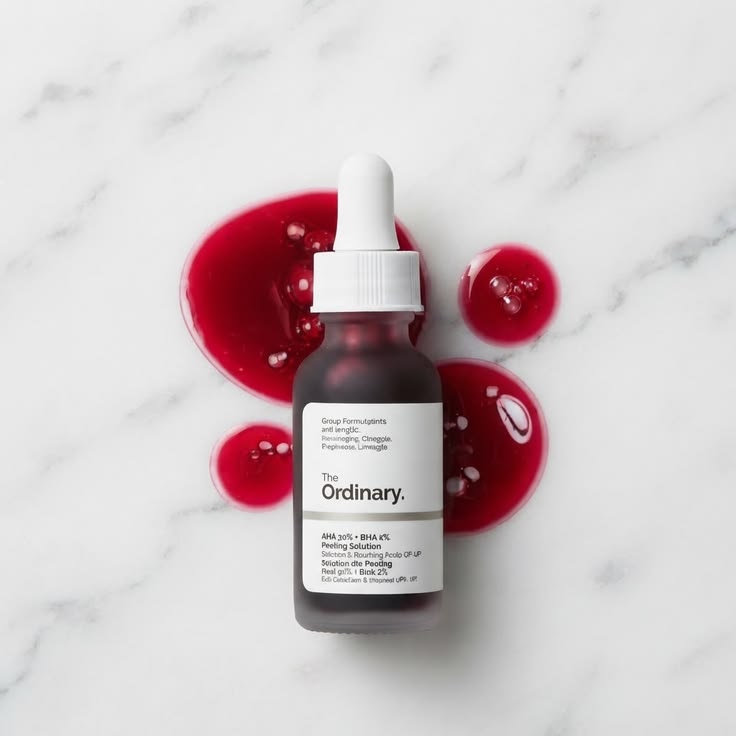
2. The Ordinary AHA 30% + BHA 2% Peeling Solution: Best Budget Peel for Experienced Users
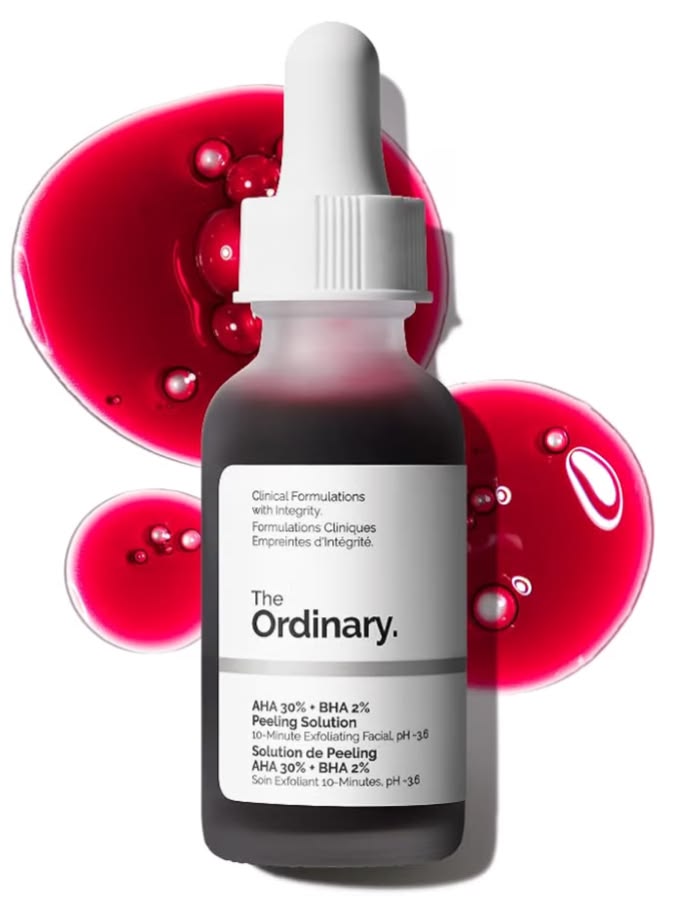
The Ordinary’s AHA 30% + BHA 2% Peeling Solution is one of the most recognizable at-home peels on the market. Its deep red color, low price, and high acid concentration have made it a viral skincare product—but popularity does not automatically make it suitable for everyone.
This is a strong peel. It combines 30% AHAs with 2% salicylic acid, and it is best suited to people who already have some experience with chemical exfoliation.
What Is Inside the Formula?
The AHA blend includes glycolic acid, lactic acid, tartaric acid, and citric acid. The BHA component is salicylic acid. Together, these acids target both the surface of the skin and the inside of pores.
The formula also includes several supporting ingredients:
- Aloe barbadensis leaf water
- Panthenol
- Sodium hyaluronate crosspolymer
- Glycerin
- Tasmanian pepperberry extract
- Black carrot extract
These ingredients may help make the experience more comfortable, but they do not neutralize the strength of the acids. This is still a product that demands caution.
Why It Earned a Spot
The main reason this product is included is value. For roughly the price of a lunch, you get a high-strength AHA/BHA peel that can provide enough product for multiple treatments.
It is also widely available in the US, UK, and Europe, which makes it a practical recommendation for an international audience. The Ordinary is transparent that this product is intended for experienced users of acid exfoliation whose skin is not sensitive. That honesty is one of the reasons it remains a credible option.
How to Use It
Apply a small amount to clean, dry skin, avoiding the eye area. Leave it on for no more than 10 minutes, then rinse thoroughly with lukewarm water.
Use it in the evening. If you are new to this specific product, start with once a week and consider a shorter contact time. The Ordinary says the product should not be used more than twice per week. See The Ordinary’s usage guidance.
Do not use it on the same night as retinoids, vitamin C serums, other exfoliating acids, or benzoyl peroxide. Keep the rest of your routine simple: cleanse, peel, rinse, moisturize.
Who Should Use It?
This peel is best for experienced acid users with resilient skin who want an affordable option for dullness, rough texture, congestion, and uneven tone.
It is not ideal for beginners, sensitive skin, compromised skin, or anyone currently using prescription retinoids without dermatologist guidance. If your skin stings intensely, burns, or becomes visibly irritated, rinse immediately and do not continue.
Price: Around $10 in the US, £8.90 in the UK, and approximately €9–€10 in Europe for 30 ml.
Best for: Experienced users who want a strong, affordable AHA/BHA peel.
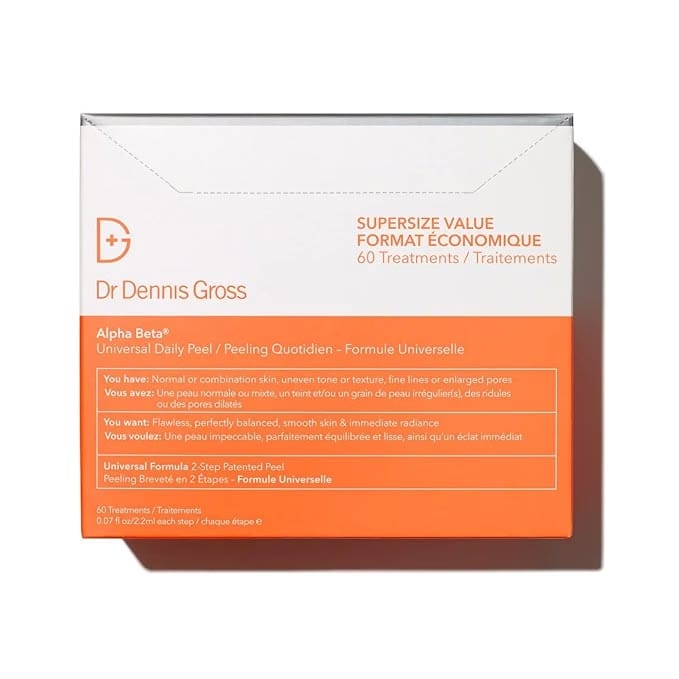
3. Dr. Dennis Gross Alpha Beta Universal Daily Peel: Best Two-Step Peel Pads
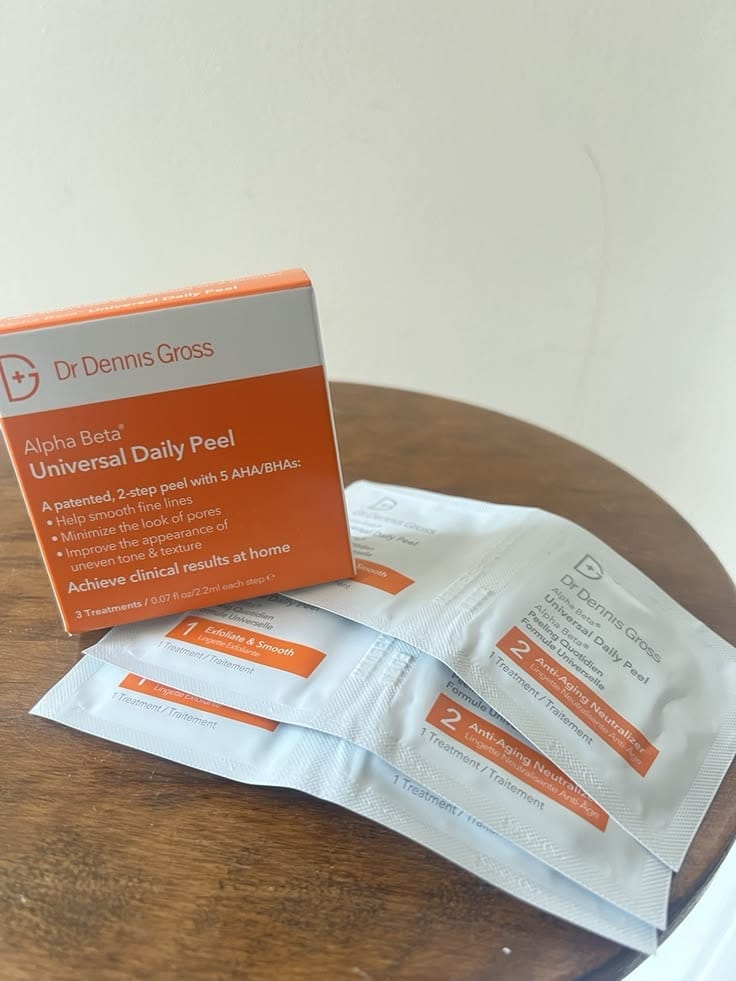
Not everyone wants to pour acid from a bottle, time it precisely, and rinse it off. For many people, the biggest barrier to using a peel consistently is simply convenience. That is where the Dr. Dennis Gross Alpha Beta Universal Daily Peel stands out.
This product comes in single-use packettes, each containing two pads. Step 1 exfoliates. Step 2 neutralizes and delivers supporting ingredients. The format removes much of the guesswork and makes it easier to apply a consistent amount each time.
How the Two-Step System Works
Step 1 is the exfoliating pad. It contains a blend of five alpha and beta hydroxy acids, including lactic acid. These acids help loosen dead skin cells and support smoother-looking skin.
Step 2 is the neutralizing pad. It contains retinol, resveratrol, and green tea extract. The second step helps end the exfoliating process and adds ingredients that support the skin after the first step.
This two-part design is useful because one of the most common mistakes with at-home peels is leaving a product on for too long. With pre-soaked pads, you do not need to measure anything or decide when to rinse.
What the Brand Claims
Dr. Dennis Gross reports that 92% of participants saw a brighter, firmer, clearer complexion after one week. The brand also reports that 100% saw improved hydration after two weeks, while 85% saw improved texture after four weeks.
As with U Beauty, these are brand-reported results rather than independent clinical trials. They suggest the product has performed well in company testing, but individual results will vary based on skin type, frequency of use, and the rest of a person’s routine.
How to Use It
Massage Step 1 over clean, dry skin on the face, neck, and décolleté. Wait two minutes, then repeat with Step 2. See Dr. Dennis Gross’s application instructions.
Although the product is called a “daily” peel, starting slowly is still the smarter approach. Begin with two or three nights per week. If your skin responds well, you can increase frequency gradually.
Avoid using other exfoliants on the same night. If you use retinol, keep it on separate evenings, especially when you are first introducing this peel.
Who Should Use It?
This is an excellent option for beginners who feel intimidated by liquid peels. It is also useful for frequent travelers, people who want a mess-free routine, and anyone who prefers pre-measured doses.
The inclusion of retinol in Step 2 may be a benefit for some users, but it is worth considering if you already use a prescription retinoid or find retinol irritating. In that case, speak with a dermatologist before adding it to your routine.
Price: About $155 in the US for a 60-pack, roughly £153 in the UK, and around €176 in Europe.
Best for: Convenient, pre-measured peel pads for smoother, brighter-looking skin.
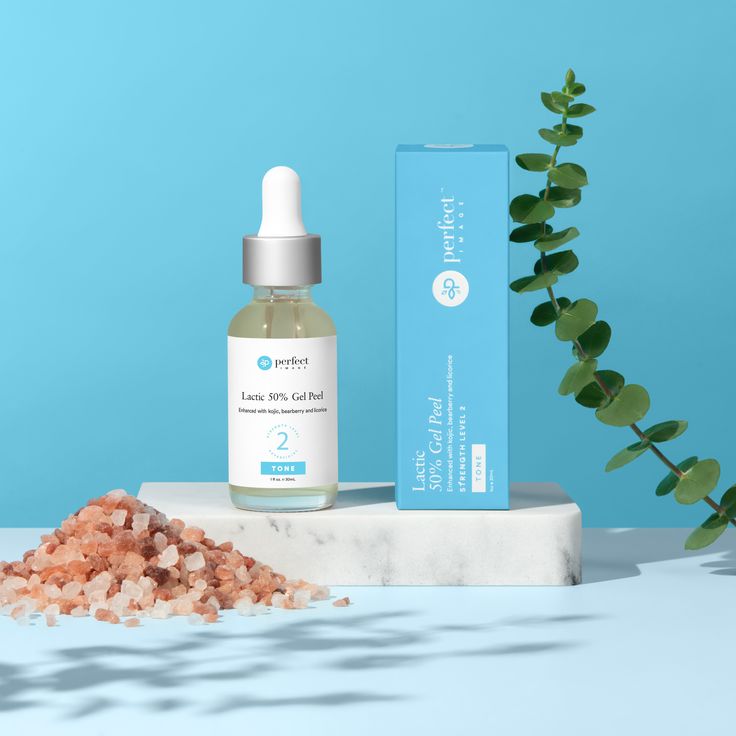
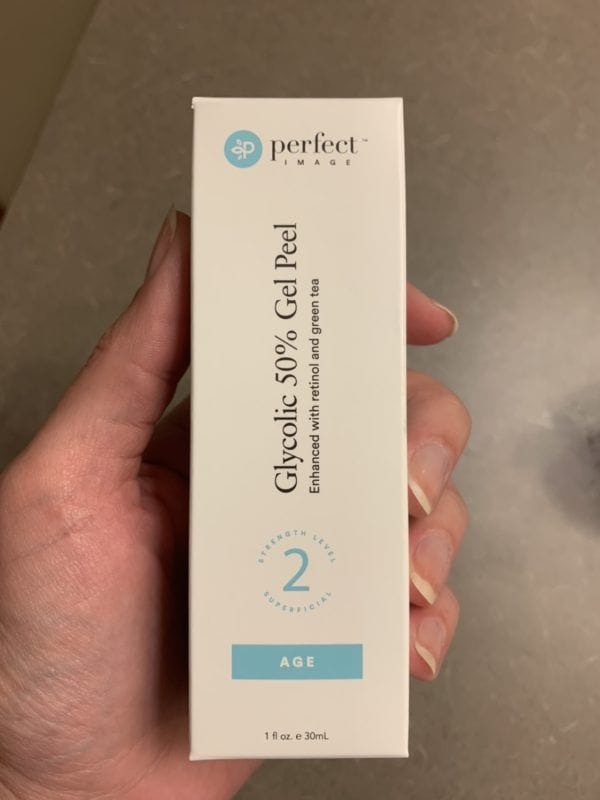
4. Perfect Image Lactic 50% Gel Peel: Best Lactic Acid Peel for Dullness and Uneven Tone
Perfect Image’s Lactic 50% Gel Peel is the most treatment-focused product in this guide. It comes in a simple 1 fl oz bottle and is designed as a professional-style, rinse-off gel peel.
Unlike the U Beauty peel, which is positioned as a luxury weekly ritual, or the Dr. Dennis Gross pads, which prioritize convenience, this product is for people who want a more direct lactic acid treatment at a lower cost per use.
Why Lactic Acid Deserves Attention
Lactic acid is an AHA, but it behaves differently from glycolic acid in several ways. Its larger molecular size means it penetrates more slowly, which can make it feel less intense for some people. It is also humectant-like, meaning it can help support hydration while exfoliating.
For dry, dull, or dehydrated-looking skin, lactic acid can be a more comfortable choice than a high-strength glycolic peel. It is still an acid, though. A 50% lactic acid peel is not automatically gentle just because lactic acid has a reputation for being milder.
What Is Inside the Formula?
The formula pairs lactic acid with kojic acid, bearberry, and licorice. These ingredients are commonly used in products aimed at the appearance of dark spots, discoloration, and uneven tone.
This makes the product particularly interesting for people whose main concern is dullness or post-blemish marks rather than active breakouts. However, results depend on consistent use, sun protection, and the underlying cause of pigmentation.
What the Research Says
A 2025 study compared 30% mandelic acid peels with 30% lactic acid peels for dark circles. Both approaches showed benefits, and lactic acid was associated with better outcomes and higher patient satisfaction in the study.
It is important to be clear: that study used 30% peels, not this specific 50% product, and the authors called for larger trials. Still, the research supports why lactic acid is a meaningful option for people concerned about uneven tone and dullness. Read the study.
How to Use It
Perfect Image recommends starting with only 30 seconds before rinsing with water. On later treatments, contact time can be increased gradually if your skin tolerates it well.
The brand also suggests trying its 30% Level 1 peel first if you are new to chemical peels. That advice is sensible. A 50% peel should not be someone’s first introduction to acids.
Use this product in the evening, followed by a plain moisturizer. Avoid other exfoliants, retinoids, and strong actives on peel night. Sunscreen the next morning is essential.
Who Should Use It?
This peel is best for people who already know how their skin responds to acids and want a stronger lactic acid option for dull, dehydrated-looking, or uneven-toned skin.
It is not the best choice for a complete beginner. If you have sensitive skin, start with a lower-strength product or speak with a dermatologist before trying a 50% peel.
Price: About $30 for 1 fl oz.
Best for: Experienced users seeking a stronger lactic acid peel for dullness and uneven tone.
At-a-Glance: How the Four Peels Compare
| Product | Key details |
|---|---|
| U Beauty Resurfacing Flash Peel | Format: Rinse-off gel Main acids: Glycolic acid, fruit AHAs, salicylic acid Best for: Weekly brightness and texture treatment Experience level: Beginner to intermediate, with caution Approximate price: $188 / 30 ml |
| The Ordinary AHA 30% + BHA 2% Peeling Solution | Format: Rinse-off liquid Main acids: 30% AHAs, 2% salicylic acid Best for: Budget-friendly strong peel Experience level: Experienced users Approximate price: About $10 / 30 ml |
| Dr. Dennis Gross Alpha Beta Universal Daily Peel | Format: Two-step pads Main acids: Five AHAs/BHAs, retinol in Step 2 Best for: Convenience and consistent dosing Experience level: Beginner-friendly, with gradual introduction Approximate price: About $155 / 60 treatments |
| Perfect Image Lactic 50% Gel Peel | Format: Rinse-off gel Main acids: 50% lactic acid, kojic acid, licorice Best for: Dullness and uneven tone Experience level: Intermediate to experienced Approximate price: About $30 / 1 fl oz |
Which At-Home Chemical Peel Is Right for Your Skin?
Oily or Congestion-Prone Skin
If your main concern is blackheads, enlarged-looking pores, or frequent congestion, salicylic acid is especially relevant. The Ordinary AHA 30% + BHA 2% Peeling Solution includes a BHA, but it is strong and should only be used by people who already tolerate acids well.
If you are newer to acids, the Dr. Dennis Gross pads may be a more manageable starting point. They provide a measured dose and a built-in second step.
Dry or Dehydrated Skin
Dry skin often does better with lactic acid than with high-strength glycolic acid. The Perfect Image Lactic 50% Gel Peel is designed for this type of concern, though its 50% concentration means it still requires caution.
Follow every peel with a simple, fragrance-free moisturizer. Avoid layering it with strong retinoids or additional exfoliants.
Sensitive or Reactive Skin
Sensitive skin does not mean you must avoid exfoliation forever, but it does mean you should be more selective. Start with the lowest strength and shortest contact time. Patch test behind the ear or along the jawline and wait 24 hours.
The U Beauty peel may be tolerable for some sensitive skin types when used briefly and infrequently, but it is not guaranteed to be gentle. The Perfect Image lactic peel may be a better fit for some people, but its 50% strength means it is not automatically a beginner product.
Dull Skin and Uneven Texture
For dullness and rough texture, the U Beauty Resurfacing Flash Peel and Dr. Dennis Gross pads are both strong choices. They offer structured routines and include supporting ingredients alongside their exfoliating acids.
If uneven tone is your main concern, the Perfect Image lactic peel may be worth considering, especially because of its kojic acid and licorice-containing formula.
Experienced Users on a Budget
The Ordinary AHA 30% + BHA 2% is difficult to beat on cost per treatment. But it is also the product most likely to cause irritation if used carelessly. Respect the 10-minute limit, avoid overuse, and do not combine it with other strong actives.
How to Build a Peel-Friendly Routine
A chemical peel works best when the rest of your routine supports your skin barrier. You do not need a complicated regimen. In fact, simpler is usually better on peel days.
Morning After a Peel
- Cleanse with a gentle, non-stripping cleanser.
- Apply a hydrating serum if your skin feels dry.
- Use a plain moisturizer.
- Finish with broad-spectrum SPF 30 or higher.
Do not use additional exfoliants the morning after a peel. Your skin needs time to recover.
Evening Peel Routine
- Cleanse thoroughly and pat dry.
- Apply the peel according to its directions.
- Rinse or neutralize as required.
- Apply a simple, fragrance-free moisturizer.
- Skip retinoids, vitamin C, benzoyl peroxide, and other exfoliants.
If your skin feels tight or warm afterward, use a plain moisturizer and avoid adding active treatments until your skin feels normal again.
What Not to Combine
Avoid combining a peel with:
- Retinol or prescription retinoids
- Additional AHAs or BHAs
- Benzoyl peroxide
- Strong vitamin C treatments
- Physical scrubs
- Waxing or other exfoliating treatments
Layering multiple strong actives does not speed up results. It usually increases the risk of irritation, dryness, and post-inflammatory pigmentation.
How to Use an At-Home Chemical Peel Safely
The American Academy of Dermatology notes that peel results depend heavily on how the peel is performed. At-home formulas are generally milder than professional treatments, but they still require care. See the AAD’s chemical peel FAQs.
Patch Test First
Apply a small amount of product behind the ear or along the jawline. Wait 24 hours. If you experience intense burning, swelling, blistering, or persistent redness, do not use the product on your face.
A mild tingling sensation can be normal with acids. Pain, burning, or visible irritation is not.
Start Low and Slow
Use the shortest contact time and lowest recommended frequency when you first introduce a peel. You can always increase frequency later. You cannot undo irritation after it happens.
Protect Your Skin Barrier
Use a gentle cleanser, a plain moisturizer, and daily sunscreen. Avoid fragrance-heavy products immediately after a peel if your skin feels reactive.
Know When to Stop
Stop using a peel and consult a dermatologist if you experience:
- Persistent burning or stinging
- Swelling
- Blistering
- Crusting
- Significant redness that does not settle
- New or worsening pigmentation
- Broken or infected-looking skin
FAQs About the Best At-Home Chemical Peels
How often should I use an at-home chemical peel?
It depends on the product. The U Beauty Resurfacing Flash Peel is designed for weekly use. The Ordinary AHA 30% + BHA 2% can be used up to twice weekly by experienced users. Dr. Dennis Gross pads can be introduced a few times per week, while Perfect Image recommends building contact time gradually.
Can I use a chemical peel if I have acne?
Sometimes. Salicylic acid can be useful for congestion-prone skin because it is oil-soluble. However, active, inflamed, or severe acne should be assessed by a dermatologist. A peel may not be appropriate if your skin barrier is already compromised.
Can I use retinol on peel night?
In most cases, no. Keep peel night simple. Use retinol on separate evenings to reduce the risk of irritation and barrier damage.
Are at-home peels safe during pregnancy?
Many peel products are not recommended during pregnancy or breastfeeding, especially those containing retinoids. Check the label carefully and ask a dermatologist or obstetric provider before use.
Are at-home peels safe for darker skin tones?
They can be, but they require extra care. Darker skin tones can be more prone to post-inflammatory hyperpigmentation after irritation. Choose gentler acids, patch test, introduce products slowly, and prioritize daily sunscreen.
How long does it take to see results?
Some people notice smoother-feeling skin after one use, especially with a rinse-off peel. More noticeable improvements in texture, tone, and congestion usually take several weeks of consistent, non-irritating use.
The Bottom Line
The best at-home chemical peel is not the one with the highest percentage or the most dramatic marketing. It is the one that matches your skin type, experience level, and routine.
Choose the U Beauty Resurfacing Flash Peel if you want a premium, structured weekly treatment for brightness and texture. Choose The Ordinary AHA 30% + BHA 2% Peeling Solution if you are an experienced acid user looking for a budget-friendly strong peel. Choose Dr. Dennis Gross Alpha Beta Universal Daily Peel if convenience and pre-measured pads matter most. Choose Perfect Image Lactic 50% Gel Peel if you want a lactic acid-focused option for dullness and uneven tone.
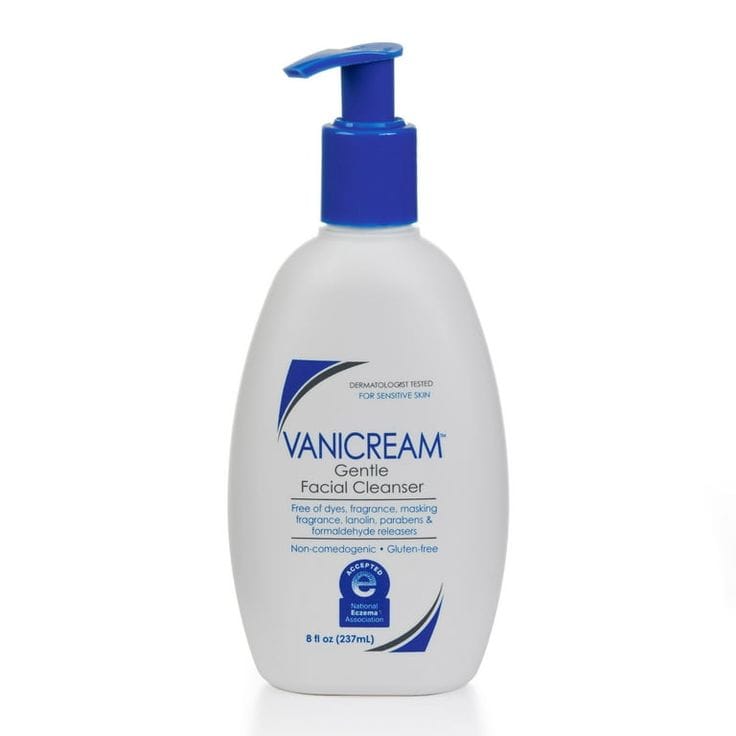
If you are new to acids or your skin reacts easily, our guide to the best skincare brands for sensitive skin can help you build a gentler routine. For post-peel hydration, a simple barrier-friendly moisturizer such as the one covered in our Vanicream Enhanced Moisturizer review is a sensible option.
Sunscreen is the most important step after any peel. If you are deciding between two popular SPF formulas, our EltaMD UV Clear vs Supergoop Unseen comparison breaks down the differences.
Whatever you choose, start slowly, protect your skin from the sun, and let results build over weeks rather than forcing them overnight.
1 thought on “Best At-Home Chemical Peels in 2026: Expert-Tested Picks for Every Skin Type”