Abib PDRN Cream Review: 7 Powerful Facts Before You Buy
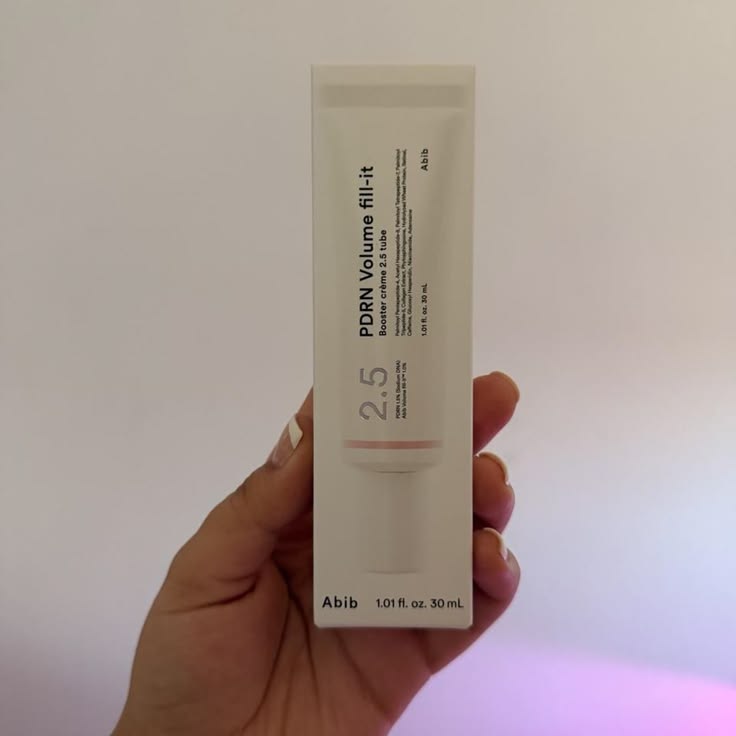
Salmon DNA. Retinal. Seven peptides. A pink tube that promises to “fill” your smile lines. That is a lot of buzzwords for a 30 ml cream. So before you spend your money, you probably want a straight answer: is this abib PDRN cream worth it, or is it just clever packaging?
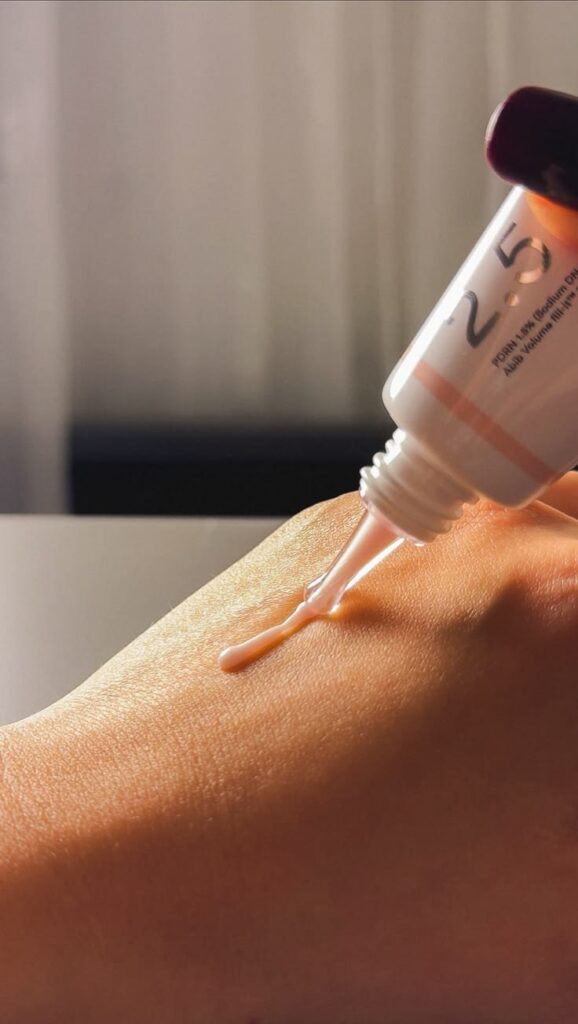
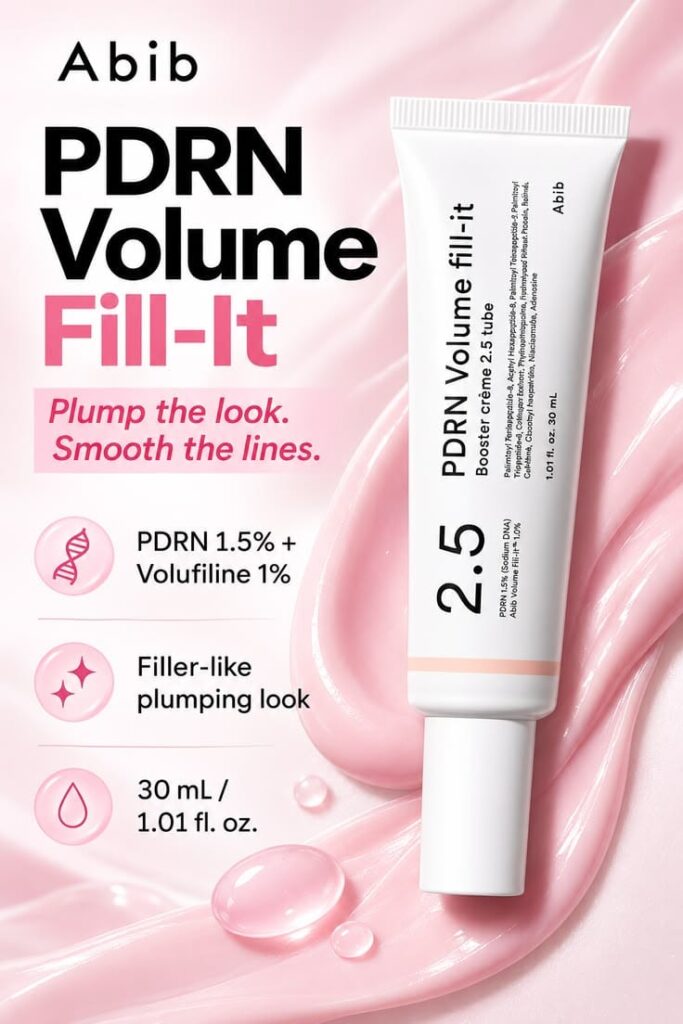
This abib pdrn cream review looks past the marketing. We went through retailer listings, ingredient databases, and published research on PDRN, retinal, and peptides. Then we put it all in plain English.
You will learn what is actually inside the Abib PDRN Volume Fill-It Booster Cream, what the science can and cannot back up, who should skip it, and how to use it without wrecking your skin barrier.
Quick Summary
- What it is: a targeted booster cream, not an all-over moisturizer. It is designed for forehead lines, smile lines, jawline, and neck.
- Hero actives: 1.5% salmon-derived PDRN, 1% Volufiline-inspired Volume Fill-It complex, retinal, a peptide blend, niacinamide, and ceramide NP.
- Best for: dry to very dry and mature skin that looks flat or deflated.
- Skip or be careful if: you are pregnant or breastfeeding, have sensitive or reactive skin, or react to fish or wheat ingredients.
- Price: roughly $25 to $28 in the US for 30 ml, with prices varying by country.
- Our honest take: a well-built night treatment with a smart barrier-lipid base. The “filler” language is marketing, though. Expect softer, smoother-looking skin, not a filler result.
Affiliate Disclosure and Editorial Team
Review Dermatica is reader-supported. If you buy through links on this page, we may earn a small commission at no extra cost to you. This never changes our verdict. We judge products by ingredients, evidence, and who they actually suit.
This article was prepared by the Review Dermatica editorial team. Newaj Hossain Asim, founder and lead analyst, handles product analysis and SEO. Co-founder Tahmina Zannat Lamya handles clinical and formulation research.
We do not diagnose skin conditions or replace medical advice. If you have eczema, rosacea, or any condition that needs treatment, please speak with a board-certified dermatologist first.
Fact 1: It Is a Targeted Booster, Not a Regular Moisturizer
The first thing to understand about the abib pdrn volume fill-it booster cream is how it is meant to be used.
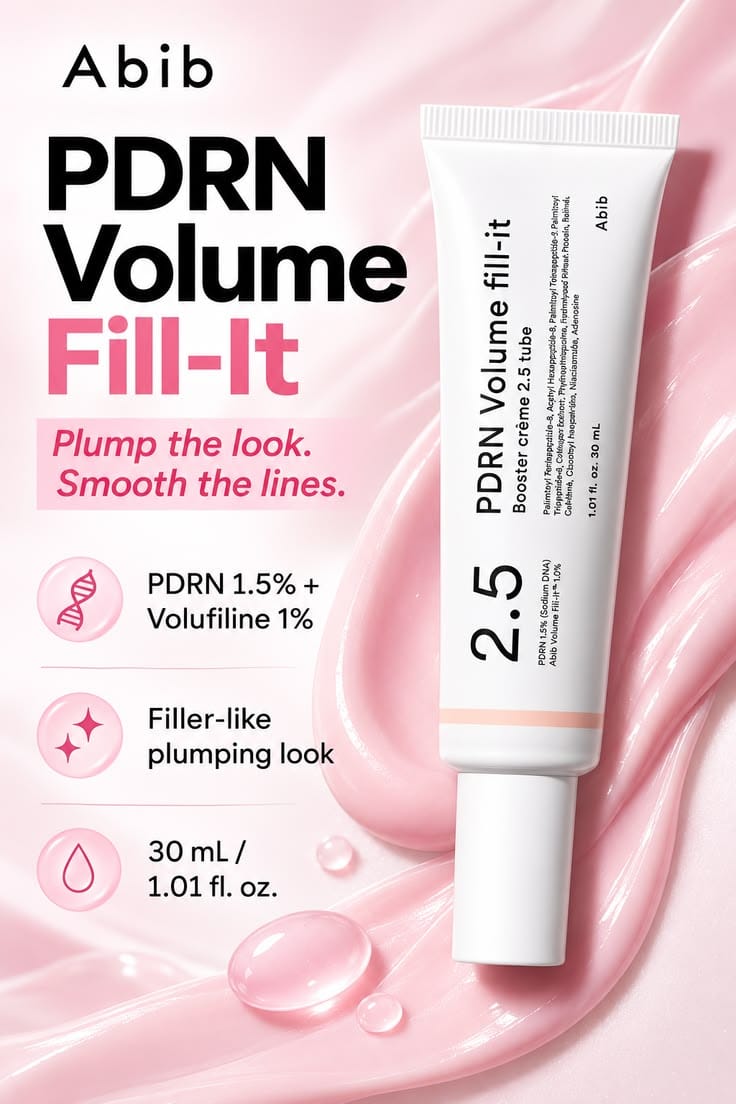
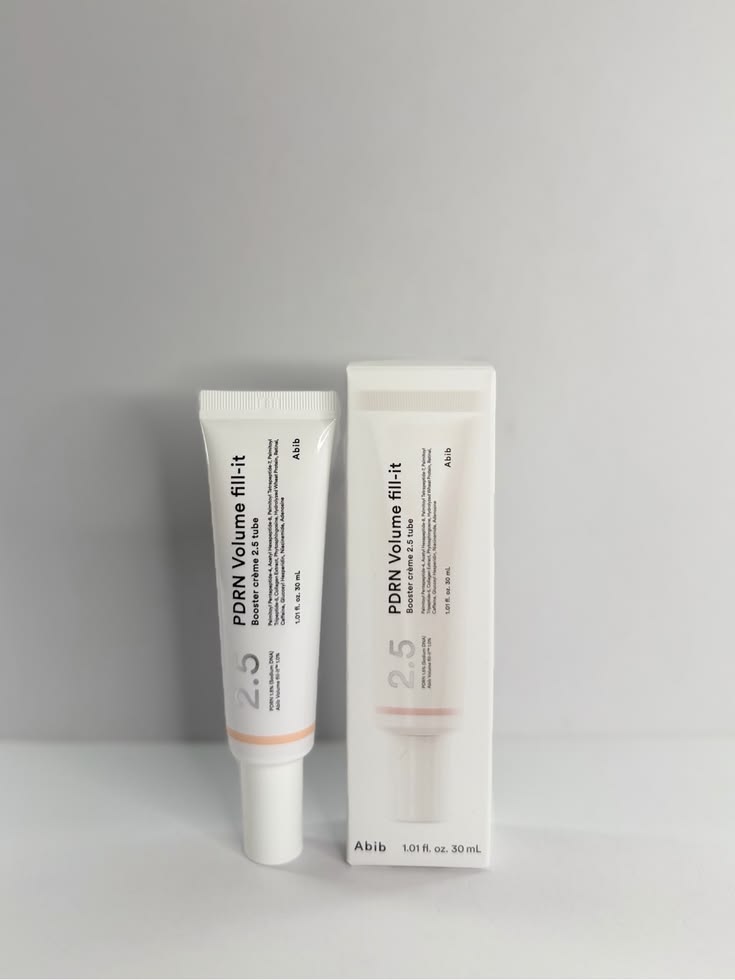
Retailers describe it as a pink-hued booster cream with PDRN at 15,000ppm and Volufiline at 10,000ppm, applied to areas that have lost volume, like forehead lines, smile lines, the jawline, and the neck. Another listing adds that it targets the under-eyes, glabella, and smile lines.
So this is a spot-treatment style cream. You do not smear it across your whole face like a daily lotion.
It also sits in the middle of your routine. The brand’s suggested order is serum, then booster cream, then a regular cream. The texture is described as a pink, elastic cream that adheres comfortably to targeted areas.
If you want to see how other brands approach this same idea, our Medicube PDRN Pink Collagen Volume Multi Balm review covers a similar “volume” product.
H2: Fact 2: The PDRN Is Real, but the Evidence Is Mostly Not Topical
PDRN stands for polydeoxyribonucleotide. In skincare, it usually comes from salmon DNA. One retailer explains that PDRN refers to DNA components extracted from salmon cells and is popular in K-aesthetic injectable procedures.
This cream lists 1.5% salmon PDRN. That is a meaningful amount compared with many “PDRN” products that only add a trace.
What the Research Actually Shows
The strongest PDRN evidence is about wound healing. A review in Pharmaceuticals concluded that PDRN promotes tissue repair through adenosine A2A receptor activation and showed encouraging results for healing time and wound regeneration. nih
A newer comparison of polynucleotide and PDRN in dermatology explains that PDRN has been shown to stimulate fibroblast proliferation, accelerate wound healing, promote angiogenesis, and exert anti-inflammatory effects. nih
That sounds exciting, but here is the catch. Much of this data comes from injections or wound models, not a cream you rub on at home. A systematic review of polynucleotides in aesthetic medicine included nine studies of low and moderate quality.
Our Take
PDRN is a legitimate, well-studied ingredient with a sound mechanism. But we could not find independent clinical trials proving that a topical cream delivers injectable-level results.
So treat the PDRN here as a supportive, soothing, skin-conditioning ingredient. It is a nice bonus, not a miracle.
If you are curious how it compares with other trending actives, read our guide to NAD vs PDRN. You can also see how another PDRN cream stacks up in our Rejuran Turnover Ampoule vs Anua PDRN Cream comparison.
Fact 3: The “Filler” Claim Comes From Volufiline, and It Needs Perspective
The name “Volume Fill-It” is the loudest part of this abib PDRN cream.
Retailers say it is powered by salmon DNA-derived PDRN and clinically studied Volufiline, working like a skin filler to help restore a fuller appearance. Abib also describes its own Volume Fill-It complex at 1%, containing Anemarrhena root extract and Palmitoyl Tripeptide-5.
Volufiline is a plant-derived complex used in cosmetics for a plumping effect. It is inspired by how fat tissue builds volume.
Here is what you should know before getting your hopes up.
- A cream cannot physically add volume the way a filler injection does.
- Any plumping you see is cosmetic. It comes from hydration, softer texture, and ingredients that support the look of firmness.
- We did not find independent, peer-reviewed human trials on this finished formula.
So the claim is best read as “visibly plumper-looking skin,” not “filler in a tube.” That is still a nice result for dry, flat-looking skin, as long as you go in with realistic expectations.
For readers weighing procedures against skincare, our guide to spicule serum vs derma roller explains where at-home products end and professional treatments begin.
Fact 4: Retinal Is the Real Workhorse (and the Real Risk)
This is the fact that most buyers miss, and it matters a lot.
The cream contains retinal, also called retinaldehyde. Swiss retailer Saranghae says it promotes a smoother-looking complexion and is complemented by a peptide complex, collagen extract, and adenosine. Another retailer describes retinal as a stronger, faster-converting form of vitamin A than retinol.
What the Science Says
A review of retinoids in cosmeceuticals found that retinol, retinyl esters, and retinaldehyde used in cosmeceuticals are efficacious, safe, and well tolerated.
There is a fair caveat, though. Another review of topical retinoids for antiaging points out that retinaldehyde and retinol sit in products regulated as cosmetics, where clinical efficacy studies are not required.
In plain words: retinal is a proven category of ingredient, but a specific cream’s strength and results depend on its formula, which the brand does not fully disclose.
Why This Changes How You Should Use It
Retinal means this is not a casual “slather it on” cream. The American Academy of Dermatology notes that retinoids should not be used during pregnancy. It also advises using the least intense retinoid formula available, every other night to start, and building up slowly. You can read the full guidance in the AAD’s retinoid or retinol overview. aadaad
One retailer states plainly that the cream is not recommended during pregnancy or breastfeeding, and should be followed by SPF the next morning.
If you have skin of color, pay extra attention. The AAD warns that irritation can trigger dark marks, known as hyperpigmentation. Starting slowly and moisturizing helps reduce that risk.
For a deeper look at how retinoids stack up against peptides, our peptides vs retinol guide is a good next read.
Fact 5: The Peptide Blend Is Solid, but Not Magic
Abib’s formula includes a multi-peptide complex. One retailer says it contains seven peptides, including copper tripeptide-1, Matrixyl, and Argireline.
Peptides are small chains of amino acids that act as signals in the skin. A review of cosmeceutical peptides groups them into three main categories: signal peptides, neurotransmitter-affecting peptides, and carrier peptides.
The evidence is mixed. A review of acetyl hexapeptide-8 (Argireline) says preclinical and clinical studies indicate it may reduce wrinkle depth, improve elasticity, and enhance hydration. The same research stream also flags that low skin penetration limits its bioavailability. nihmdpi-res
So peptides here are a helpful supporting cast. They will not replace the retinal or the barrier lipids as the main drivers.
If you want to try a standalone peptide product, see our The Ordinary Buffet peptide serum review.
H2: Fact 6: The Barrier Support Is What Makes It Tolerable
Here is the smartest part of the formula. A retinal cream can be harsh. This one comes with a strong support system.
According to retailer listings, the cream includes ceramide NP, cholesterol, and phytosphingosine, which the listing calls the full barrier lipid set, plus squalane, mango seed butter, and niacinamide. olivekollection
Why Ceramides Matter
Ceramides are a main part of your skin’s protective lipid layer. A qualitative review of ceramide-containing formulations reports that external ceramide-containing preparations can improve dry skin and barrier function in patients with atopic dermatitis.
Why Niacinamide Helps
Niacinamide is widely used in skincare. A narrative review of niacinamide notes that it is extremely well tolerated by the skin, with no irritation, redness, burning, stinging, or itch issues. nih
Together, these ingredients make the formula far more comfortable for nightly use than a plain retinal serum. If you want to understand the barrier side better, see our CeraVe Moisturizing Cream review and our guide to the best moisturizers for dehydrated skin.
Fact 7: Who Should Buy It, Who Should Skip It, and What It Costs
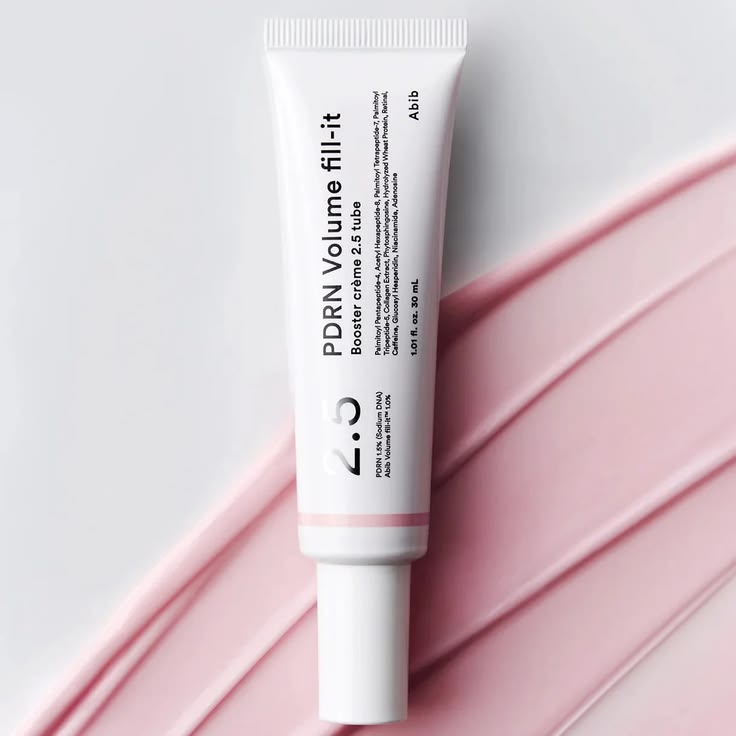
The Swiss retailer lists it for normal, dry, very dry, and mature skin. A European retailer calls it suitable for all skin types and ideal for mature skin. An ingredient analysis site also rates it well-suited to dry skin, based on its 74 ingredients. pdrn volume fill it booster creme 2 5 tube +2
It is a good match if your skin looks flat, dehydrated, or has fine lines around the smile area and forehead. If that is you, our guide to skincare for mature skin can help you build a full routine around it.
Who Should Skip or Be Careful
- Pregnant or breastfeeding: avoid it because of the retinal.
- Very sensitive or reactive skin: retinal can irritate. Our list of the best products for sensitive skin offers gentler routes.
- Fish or wheat sensitivity: one retailer notes it contains salmon-derived PDRN and hydrolyzed wheat protein, so use caution if sensitive to either. yami
- Vegans: it is not vegan because it contains salmon DNA and collagen extract. olivekollection
- Scent sensitivity: one US retailer calls it fragrance-free, while a European retailer says it has a natural scent and color from salmon PDRN that may vary over time. Patch test first. peachesandcremeshop
Price
Prices vary by region. Examples we found for the 30 ml tube:
- US: $25.00, down from $28.00, at one retailer. olivekollection
- UK: £27.00 at Holland & Barrett. hollandandbarrett
- Europe: €24.95. peachesandcremeshop
- Switzerland: CHF 24.90. saranghae
- Australia: AUD 32.00. nudieglow
- India: ₹6,606 at one retailer. kiwla
For a 30 ml targeted cream with retinal and a barrier base, that is a fair value. Always confirm the live price and make sure you buy from an authorized seller.
How to Use the Abib PDRN Volume Fill-It Booster Cream
Retailers disagree on timing. One says to use it AM and PM, while the same retailer also says to use PM only for the retinal benefit and apply SPF the next morning.
Our safest advice is simple: use it at night, and always read the label on your own tube.
A Simple Routine
- Cleanse gently.
- Apply a hydrating toner or serum.
- Pat a small amount of the booster cream onto target areas: forehead, smile lines, jawline, neck.
- Follow with your regular moisturizer.
- In the morning, use sunscreen.
Start Slow
Begin two nights a week. If your skin handles it, move to every other night. Dermatologists consistently advise that people should start every other night or two nights per week, then increase gradually, and go slower with sensitive skin.
What Not to Stack
Avoid layering it with strong exfoliants or peels during the first weeks. Our guide to at-home chemical peels explains why stacking actives can backfire.
Do Not Skip Sunscreen
Retinal makes skin more sun-sensitive. A good daily SPF is non-negotiable. See our Ultra Violette Supreme Screen review or the EltaMD UV Clear vs Supergoop Unseen comparison.
How Long Before You See Results?
Be patient. One ingredient database notes that it typically takes at least 6 weeks to notice results, because changes to fine lines and elasticity happen in deeper skin layers. In our view, that is a reasonable timeline for any retinoid-based cream.
Pros and Cons
Pros
- Contains 1.5% PDRN and 1% Volume Fill-It complex
- Retinal plus peptides in one targeted step
- Strong barrier-lipid base (ceramide NP, cholesterol, phytosphingosine)
- Comfortable, melt-in texture
- Fair price for the ingredient list
Cons
- Not suitable during pregnancy or breastfeeding
- Not vegan, and contains fish- and wheat-derived ingredients
- “Filler” language overstates what a cream can do
- Retinal strength is not disclosed
- Limited independent data on this exact formula
Abib PDRN Cream Review: Final Verdict
So, is the Abib PDRN Cream worth buying?
For dry, mature, or deflated-looking skin that tolerates retinoids, yes. It is a thoughtful night treatment with PDRN, retinal, peptides, and a proper barrier base, at a reasonable price.
For sensitive skin, pregnancy, or anyone expecting a literal filler effect, no. You will likely feel disappointed or irritated.
The honest summary of this Abib PDRN Booster Cream review is simple. The formula is smart, and the claims are bigger than the evidence. Use it patiently, wear sunscreen, and judge it after at least six to eight weeks.
If you also care about the eye area, our Medicube PDRN Eye Cream review and Elire eye cream reviews are good follow-ups.
FAQs About the Abib PDRN Volume Fill-It Booster Cream
Does the Abib PDRN cream really work like a filler?
No. It can make skin look plumper and smoother through hydration and active ingredients, but it cannot physically add volume like an injectable filler.
Can I use the Abib PDRN booster cream every day?
Possibly, but start slowly. Because it contains retinal, begin with two nights a week and increase only if your skin stays comfortable.
Is the Abib PDRN cream safe during pregnancy?
Retailers advise against it during pregnancy and breastfeeding, and the AAD says retinoids should not be used during pregnancy. Ask your doctor before using it.
Is the Abib PDRN cream vegan?
No. It contains salmon-derived PDRN and collagen extract.
Can I use it around my eyes?
Some retailers list under-eye use. If your skin is sensitive, patch test first and keep the product away from the lash line. For dedicated options, see our CeraVe Eye Repair Cream review.
Final Thoughts
This Abib PDRN cream is a targeted, retinal-powered booster with a barrier-friendly base. It earns its spot for dry, mature skin and falls short for anyone expecting filler-level change.
Use it at night, start slow, wear SPF, and give it time. If you like in-depth PDRN comparisons, our Anua PDRN Hyaluronic Acid 100 review is a great next read.
This article is for educational purposes and is not medical advice.