Every November, the same thing happens. The heating comes on, the air dries out, and your hands start to feel like sandpaper. Your lips crack. Your cheeks sting when you rinse your face.
Somewhere in your bathroom cabinet there’s a thick, slightly sticky tube you were told would fix all of it. Odds are it says Aquaphor or CeraVe.
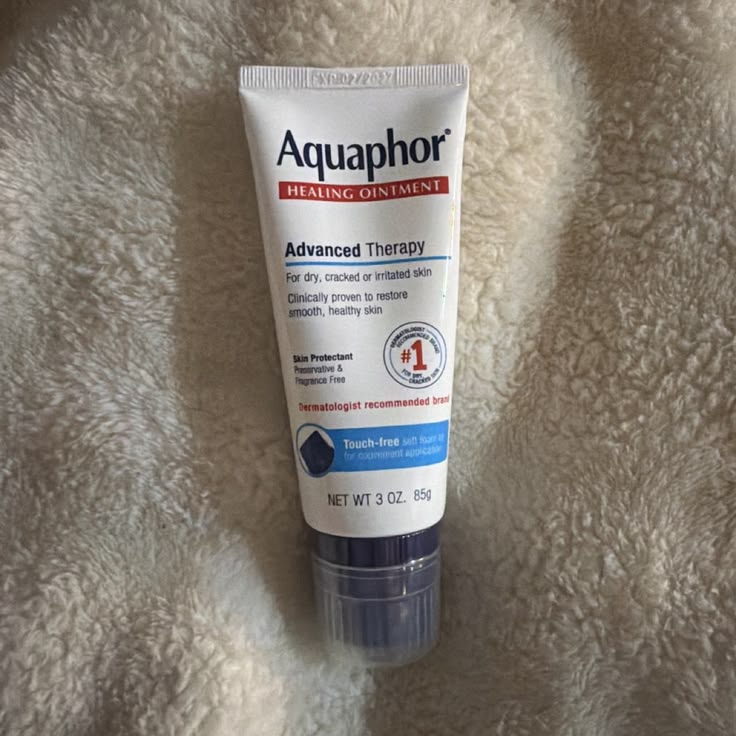
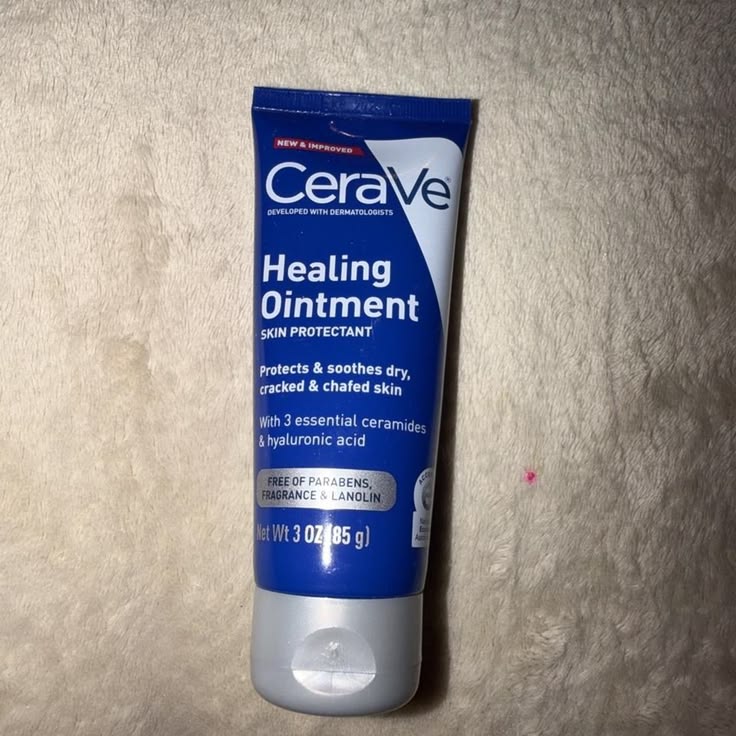
The Aquaphor vs CeraVe Healing Ointment question is one of the most common ones we hear from readers heading into cold weather. It makes sense. Both are cheap, both are fragrance-free, both are built on petrolatum, and both get recommended by dermatologists and slugging fans alike.
So what actually separates them?
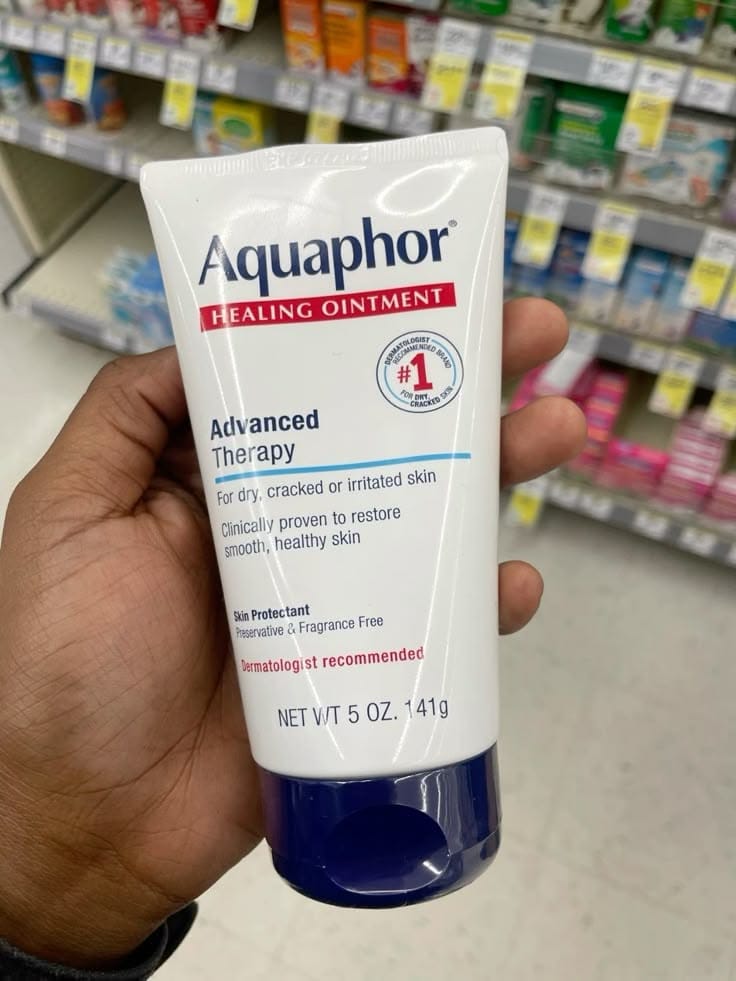
VS
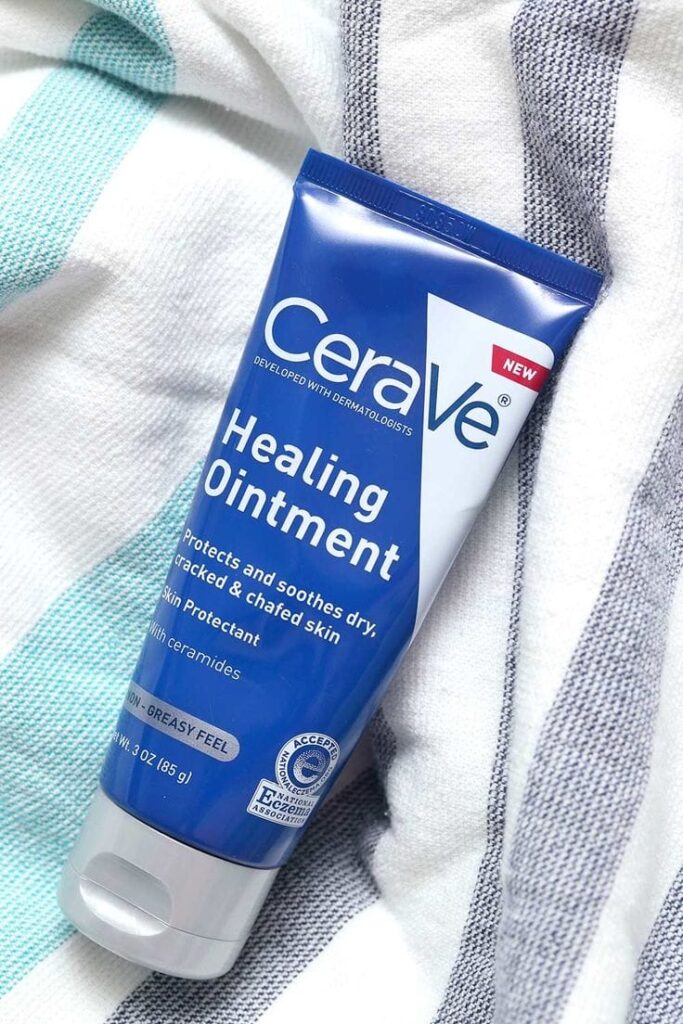
The answer is smaller than the marketing suggests, but it matters for certain skin types. One has ceramides and no lanolin. The other has a simpler label and a long track record.
In this guide, we compare the labels line by line, look at what the research says about petrolatum and ceramides, and sort out which tube suits your face, your body, and your winter slugging routine.
H2: Quick Summary: Aquaphor vs CeraVe Healing Ointment at a Glance
- Both are petrolatum-based occlusive ointments. Their main job is to seal water into your skin and shield it from cold, dry air.
- Aquaphor Healing Ointment contains 41% petrolatum, plus mineral oil, ceresin, lanolin alcohol, panthenol, glycerin, and bisabolol. It has no ceramides.
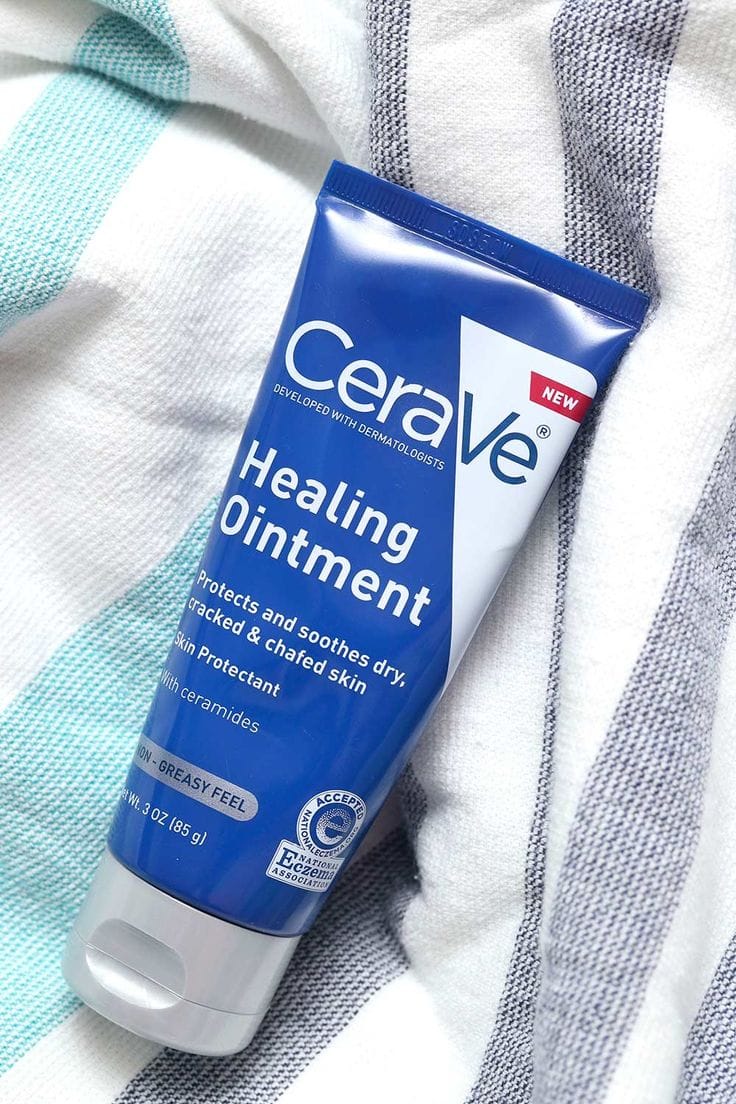
- CeraVe Healing Ointment contains 46.5% petrolatum, plus three ceramides, cholesterol, hyaluronic acid, panthenol, and dimethicone. It is lanolin-free.
- Choose CeraVe if you want something for your face, have eczema-prone or sensitive skin, or know lanolin bothers you.
- Choose Aquaphor if you want a classic, minimal formula for lips, hands, heels, and body, and you tolerate lanolin well.
- Our winter verdict: CeraVe has a slight edge for facial use and slugging. Aquaphor is just as effective on cracked lips, elbows, and feet.
Affiliate Disclosure and Editorial Team
Review Dermatica is reader-supported. If you buy through links on this page, we may earn a small commission at no extra cost to you. That never changes how we compare products.
Editorial Team: This article was written by Asim, founder and lead analyst at Review Dermatica, with clinical and formulation research by our co-founder, Tahmina Zannat Lamya. We built this comparison from the published ingredient labels and peer-reviewed research linked throughout.
We are not affiliated with any brand or doctor mentioned here. This guide is educational and is not medical advice. If you have eczema, a skin infection, or a rash that won’t settle, see a board-certified dermatologist.
What Is a Healing Ointment, and Why Does Petrolatum Matter?
A healing ointment isn’t a moisturizer in the usual sense. Most moisturizers add water or pull water into the skin. An ointment does something different. It sits on top and stops the water you already have from escaping.
The ingredient doing that work in both tubes is petrolatum, better known as petroleum jelly.
A dermatology review in Cutis explains that petrolatum cuts transepidermal water loss by about 98%, while other oil-based moisturizers manage only around 20% to 30%. That’s a big gap, and it’s the reason your grandmother’s jar of Vaseline never went out of style.
There’s more to it than just a lid on the skin. A small study in the Journal of Allergy and Clinical Immunology found that petrolatum also nudged skin toward better barrier function. It raised markers like filaggrin and loricrin and boosted antimicrobial peptides in the skin. The study was small, with 36 healthy volunteers and 13 people with atopic dermatitis, so we treat it as encouraging rather than final.
So when you compare Aquaphor vs CeraVe Healing Ointment, you’re really comparing two different ways of dressing up the same core ingredient. Everything else on the label is a supporting cast.
Why Winter Is So Hard on Your Skin Barrier
Cold air holds very little moisture. Indoor heating dries it out even more. Add long, hot showers and harsh cleansers, and your skin barrier loses water faster than it can replace it.
The American Academy of Dermatology recommends using a thick cream or ointment rather than a lotion for dry skin, because ointments hold in more moisture. The AAD also advises applying it right after you wash, while skin is still slightly damp, and choosing fragrance-free products.
Your water matters too. If you’ve noticed your skin feels tighter after every shower, hard water might be part of the problem. We cover that in our guide to shower filters vs water softeners.
One more thing worth separating out: dry skin and dehydrated skin aren’t the same thing. Dry skin lacks oil. Dehydrated skin lacks water. A healing ointment helps both by sealing the surface, but dehydrated skin also needs water-binding ingredients underneath. Our list of the best moisturizers for dehydrated skin is a good place to start building that layer.
Aquaphor Healing Ointment Ingredients: What’s Inside
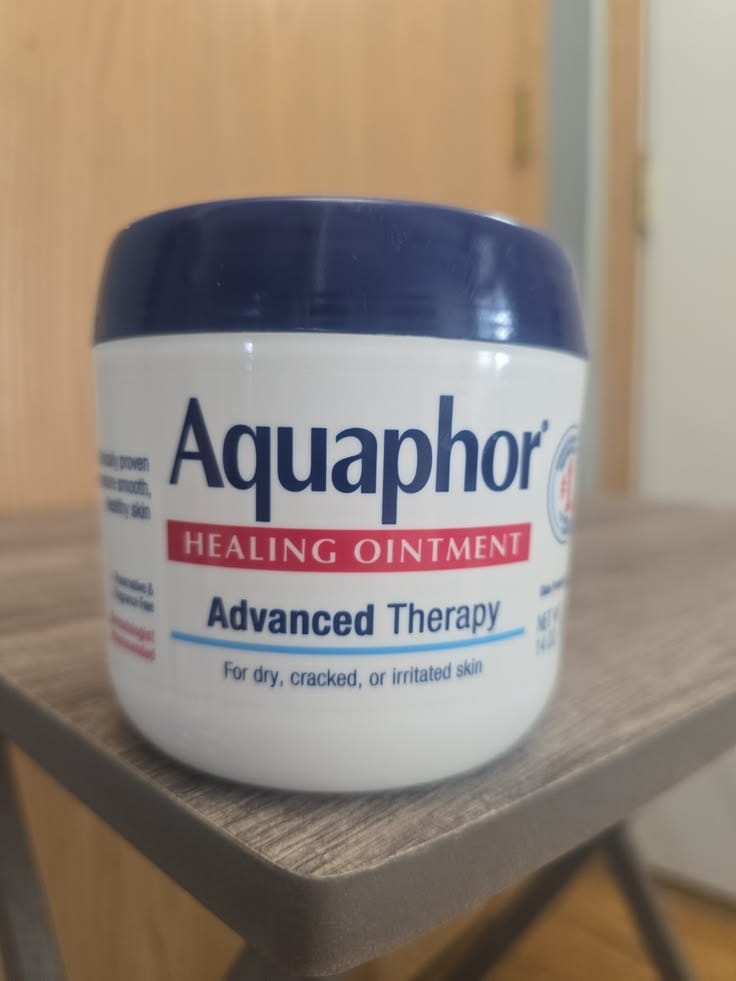
Aquaphor’s label is short. The active ingredient is petrolatum at 41%. The inactive ingredients are mineral oil, ceresin, lanolin alcohol, panthenol, glycerin, and bisabolol.
That’s seven ingredients in total. Here’s what each one does.
Petrolatum (41%)
This is the occlusive heavy lifter. It’s registered as an FDA skin protectant, and it forms the seal that slows water loss.
At 41%, it’s lower than CeraVe’s concentration, but that doesn’t make Aquaphor weak. Past a certain point, extra petrolatum mostly changes the texture, not the benefit.
Mineral Oil and Ceresin
Mineral oil softens the skin and helps the ointment spread. Ceresin is a wax that gives the product its body. Together they make Aquaphor feel smoother and less stiff than straight petroleum jelly.
Lanolin Alcohol
This is the one that divides people. Lanolin alcohol comes from sheep’s wool and acts as an emollient and emulsifier. It’s a big part of Aquaphor’s familiar feel.
It’s also the single biggest reason some people can’t use the product. We’ll come back to this in the comparison.
Panthenol, Glycerin, and Bisabolol
Panthenol is provitamin B5, which helps skin hold moisture and supports comfort in irritated skin. Glycerin is a humectant that draws water toward the surface. Bisabolol is a calming ingredient derived from chamomile.
If you want to understand how humectants like glycerin compare with hyaluronic acid, our breakdown of hyaluronic acid vs glycerin covers it in plain terms.
The takeaway: Aquaphor is a simple, well-built occlusive with a few soothing extras. Nothing about the formula is fancy, and that’s the point.
CeraVe Healing Ointment Ingredients: What’s Inside
Now the other tube. The CeraVe Healing Ointment ingredients list is longer, and the extras are the main selling point.
The active ingredient is petrolatum at 46.5%. The inactive list includes mineral oil, paraffin, ozokerite, dimethicone, ceramide NP, ceramide AP, ceramide EOP, hyaluronic acid, panthenol, cholesterol, phytosphingosine, tocopheryl acetate, and a few stabilizers and preservatives such as carbomer, xanthan gum, and phenoxyethanol.
Labels vary slightly between sizes and regions, and CeraVe has changed its formula before, so always check the tube in your hand.
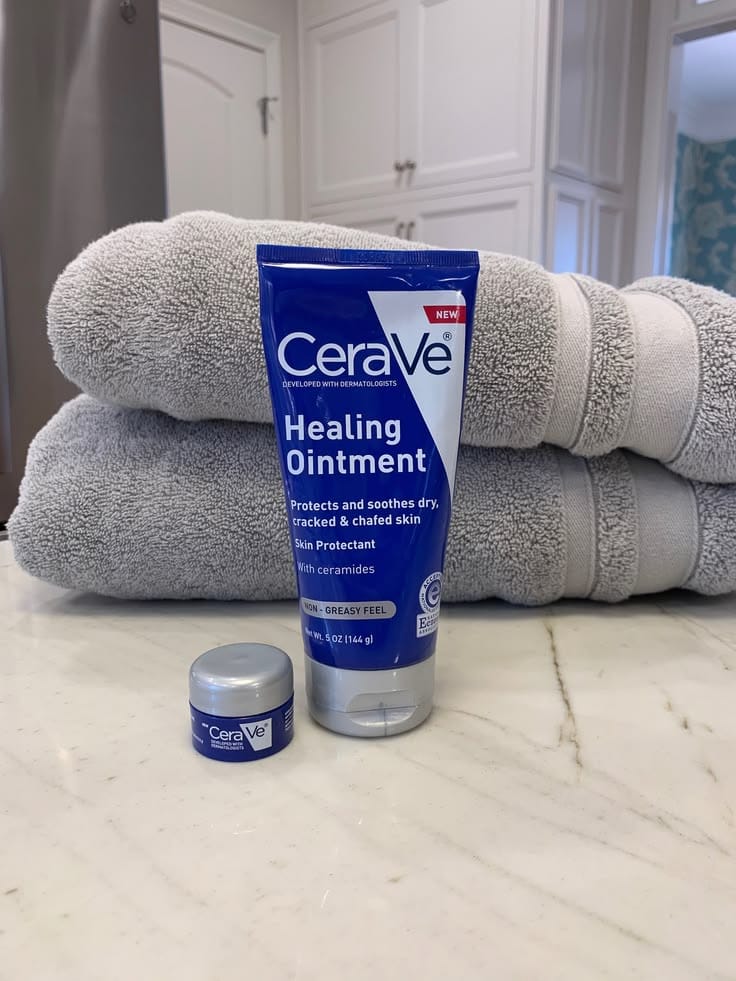
Petrolatum at 46.5%
This is the occlusive base, and it’s a touch higher than Aquaphor’s. In practice, you won’t feel a dramatic difference in sealing power. You might notice it feels a bit denser.
Three Ceramides, Cholesterol, and Phytosphingosine
Ceramides are fats that sit between skin cells like mortar between bricks. Low ceramide levels are linked with dry, barrier-damaged skin.
A review in the journal Cells notes that ceramide-dominant emollients can help restore barrier function and are used as an add-on treatment in atopic dermatitis. CeraVe pairs its three ceramides with cholesterol and phytosphingosine, which is the kind of lipid mix that mimics what skin makes naturally.
Hyaluronic Acid, Panthenol, and Dimethicone
Hyaluronic acid pulls in water. Panthenol soothes. Dimethicone is a silicone that adds slip and helps the ointment feel less tacky than plain petrolatum.
CeraVe describes the finish as non-greasy. We’d call it less greasy rather than not greasy at all. It’s still an ointment.
What’s Not in It
CeraVe Healing Ointment is free of lanolin, fragrance, and dyes. It’s also accepted by the National Eczema Association and labeled non-comedogenic by the brand.
Those labels are useful, but they’re brand claims. Non-comedogenic isn’t a regulated term, so patch-testing still beats trusting a front-of-pack promise.
If you like CeraVe’s approach and want something lighter for daytime, see our CeraVe Moisturizing Cream review. The cream and the ointment make a good pair in winter.
Aquaphor vs CeraVe Healing Ointment: Head-to-Head Comparison
Here’s where the two actually differ.
Occlusion and Barrier Protection
Both are strong occlusives. CeraVe has slightly more petrolatum, and Aquaphor has slightly less, but both fall in the range where the seal is excellent.
If you’re choosing based on raw barrier protection alone, it’s close to a tie. Neither will leave you exposed to winter wind.
Texture and Feel
This part is subjective, but readers describe it consistently. Aquaphor feels like a smooth, slightly tacky balm that takes a while to settle. CeraVe feels a bit lighter and glidier, likely thanks to the dimethicone.
Neither disappears into the skin. Both leave a film. If you hate the feeling of anything occlusive on your face, no formula in this category will win you over.
Ceramides: Do They Matter Here?
This is the question that decides most Aquaphor vs CeraVe Healing Ointment debates, so let’s be honest about it.
On paper, ceramides are the headline difference. In an ointment that’s nearly half petrolatum, though, the occlusive base is doing most of the heavy lifting. The ceramides are a bonus, not the engine.
The research backs up a measured view. A meta-analysis of studies in atopic dermatitis found that ceramide-containing moisturizers improved SCORAD scores more than other moisturizers, but the difference in transepidermal water loss wasn’t statistically significant. That’s evidence for a real but modest benefit, mostly in eczema-prone skin.
So ceramides help, but they won’t make CeraVe dramatically better than Aquaphor for a typical dry winter patch. They matter more if your barrier is already compromised.
Lanolin: The Real Dividing Line
Aquaphor contains lanolin alcohol. CeraVe doesn’t contain any lanolin.
For most people, that’s irrelevant. A Cutis review points out that lanolin is a rare sensitizer in people with healthy skin, though it was named the American Contact Dermatitis Society’s Allergen of the Year in 2023. Risk goes up in people with chronic inflammatory conditions such as atopic dermatitis or stasis dermatitis.
So if you have eczema, a damaged barrier, or a history of reacting to balms and creams, CeraVe is the safer bet. If you’ve used Aquaphor for years without a problem, there’s no reason to switch.
Formula Simplicity and Preservatives
Aquaphor’s short list contains no added fragrance and is sold as preservative-free. CeraVe’s formula contains water, so it carries a preservative system, including phenoxyethanol.
Preservatives aren’t bad. They keep products safe. But if you prefer the shortest label possible, Aquaphor wins that round.
Price and Value
Both sit in the affordable drugstore tier. When we checked, CeraVe’s 3 oz tube was around $10 at major US retailers, and Aquaphor generally lands in a similar range. Prices shift weekly, so check both before you buy.
Larger tubs usually cost less per ounce, which is worth it if you plan to use the ointment on your whole body all winter.
Quick scorecard:
- Barrier protection: tie
- Face-friendliness: slight edge to CeraVe
- Eczema-prone or lanolin-sensitive skin: CeraVe
- Minimal label: Aquaphor
- Lips, heels, hands: tie
Aquaphor vs CeraVe Healing Ointment for Face
This is the question we get most, so it deserves its own section.
Neither product is made specifically for the face. Both are sold as skin protectants for dry, chapped, or cracked skin. Still, plenty of people use them on their cheeks, and dermatologists often suggest petrolatum for thin-skinned areas like eyelids and lips because it’s less irritating than lotions.
For facial use, we’d lean toward CeraVe. It’s lanolin-free, it feels slightly lighter, and the ceramides and hyaluronic acid suit a face routine better. The glidier texture also makes it easier to apply in a thin layer, which is the whole secret to using an ointment on your face.
Dry, Flaky Cheeks and Windburn
Both work. Apply a thin layer over damp skin at night, and you should wake up with calmer, softer cheeks. If your face is peeling from winter wind, this is exactly where an ointment earns its place.
Skip the temptation to scrub the flakes away. The AAD’s guidance on dry skin points out that over-exfoliating dry, peeling skin in winter only strips more moisture. If you use acids, our guide to at-home chemical peels explains why you should pause them during a flare of dryness.
Acne-Prone and Oily Skin
This is where you need to be careful. Heavy occlusion can feel suffocating on oily or breakout-prone skin, and the AAD notes that too much moisturizer can clog pores in some people.
Petrolatum itself is generally considered low-risk for clogging pores, but trapping sweat and oil under a thick layer isn’t ideal for everyone. If you’re acne-prone, start with a thin layer on dry areas only, two nights a week, and see how your skin responds.
For daily use, a lighter option is usually smarter. Our picks for the best non-comedogenic moisturizers work better as an everyday base, with the ointment saved for the driest nights. And if you use a salicylic acid exfoliant like the one in our COSRX BHA Blackhead Power Liquid review, keep it away from the nights you slug.
Sensitive and Eczema-Prone Skin
For sensitive faces, CeraVe is the more cautious pick because of the missing lanolin and the National Eczema Association acceptance. Our roundup of the best products for sensitive skin goes deeper on building a gentle winter routine around it.
If your rash is red, weeping, or spreading, an ointment isn’t the answer. See a dermatologist.
Beyond the Face: Lips, Hands, Heels, and Elbows
Winter damage doesn’t stop at your cheeks, and neither do these ointments.
Lips
The AAD suggests using a thick ointment such as petroleum jelly on very dry, cracked lips, because ointments seal in moisture longer than waxes or oils. Both Aquaphor and CeraVe fit the bill. If you like a more cosmetic overnight option, see our Laneige Lip Sleeping Mask review.
Hands and Cuticles
Hands take the worst of it because we wash them constantly. Apply an ointment after washing and before bed, and wear cotton gloves overnight for a deep repair. Both tubes work, and Aquaphor’s balm-like feel is popular here.
Heels, Elbows, and Shins
For thick, cracked areas, use a generous layer right after your shower. The 12 oz and 14 oz tubs are the budget move here.
Mature Skin
Skin gets drier with age, and a rich ointment can be a lifesaver in winter. For a fuller routine, our guide to skincare for mature skin pairs well with this one.
H2: Who Should Choose Aquaphor, and Who Should Choose CeraVe?
Choose CeraVe Healing Ointment if:
- You want to use it on your face
- You have eczema-prone or sensitive skin
- You know lanolin irritates you
- You like the idea of ceramides in your routine
Choose Aquaphor Healing Ointment if:
- You want the simplest label possible
- You use it mainly on lips, hands, heels, or body
- You’ve used it for years without trouble
- You prefer a classic balm-like feel
Pick either one if:
- You just need a reliable winter sealant at a fair price
If neither feels right, a fragrance-free cream can be a gentler everyday option. Our Vanicream Enhanced Moisturizer review covers one, and our Kiehl’s Ultra Facial Cream review looks at a richer daytime alternative.
Frequently Asked Questions
Is Aquaphor or CeraVe Healing Ointment better for face?
For most people, CeraVe is the better face pick. It’s lanolin-free, slightly lighter, and includes ceramides and hyaluronic acid. Aquaphor still works well if your skin tolerates lanolin, but use a thin layer either way .
What are the main CeraVe Healing Ointment ingredients?
The core CeraVe Healing Ointment ingredients are petrolatum (46.5%), mineral oil, paraffin, ozokerite, dimethicone, three ceramides (NP, AP, EOP), hyaluronic acid, cholesterol, panthenol, and phytosphingosine. It is free of fragrance, dyes, and lanolin.
Can I use these ointments every night for slugging?
Many people with very dry skin do, but start slowly. Begin with two or three nights per week and watch for clogged pores or irritation. If you’re acne-prone, keep slugging occasional and limit it to dry areas.
Will either ointment clog my pores?
Both are marketed as non-comedogenic, and petrolatum is generally low-risk. Still, heavy occlusion can trigger breakouts in some people, so patch-test on a small area first.
Can I use Aquaphor or CeraVe on a new tattoo?
Many tattoo artists recommend thin layers of a petrolatum ointment during the early healing phase, but instructions vary. Follow your artist’s aftercare advice first, and avoid thick layers that keep the area soggy.
Final Verdict: Aquaphor vs CeraVe Healing Ointment
When you strip away the branding, Aquaphor vs CeraVe Healing Ointment is a close match between two very good occlusives.
Both rely on petrolatum to do the real work, and the research behind petrolatum is strong. The difference comes down to the supporting cast.
CeraVe adds ceramides, hyaluronic acid, and a lanolin-free base, which makes it our pick for the face, for sensitive or eczema-prone skin, and for anyone who wants a slightly lighter feel. Aquaphor offers a short, classic label that has earned its reputation on lips, hands, heels, and everything in between.
If you can only buy one for winter, we’d go with CeraVe for the extra flexibility. If you already love Aquaphor and your skin is happy, keep using it. Winter skin is rarely helped by switching products that already work.
Whichever you choose, use it the smart way: on slightly damp skin, in a thin layer, and with a gentle routine underneath.