Anua Retinol Eye Cream Review: Worth It for Fine Lines?
The skin around your eyes is the first place many people notice tiredness, fine lines, and that slightly shadowed look. It’s also the last place most of us want to experiment with a strong active.
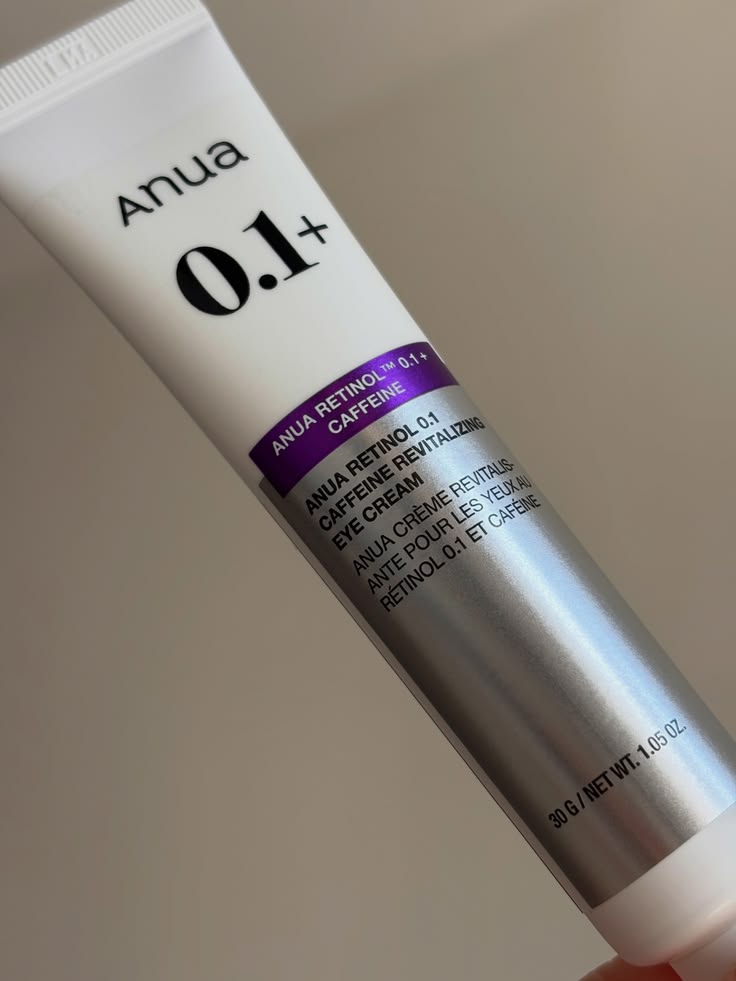
That tension is exactly why this Anua Retinol Eye Cream review exists. Anua’s Retinol 0.1 Caffeine Revitalizing Eye Cream promises retinol benefits without the usual sting, and it’s priced low enough that plenty of people are curious.
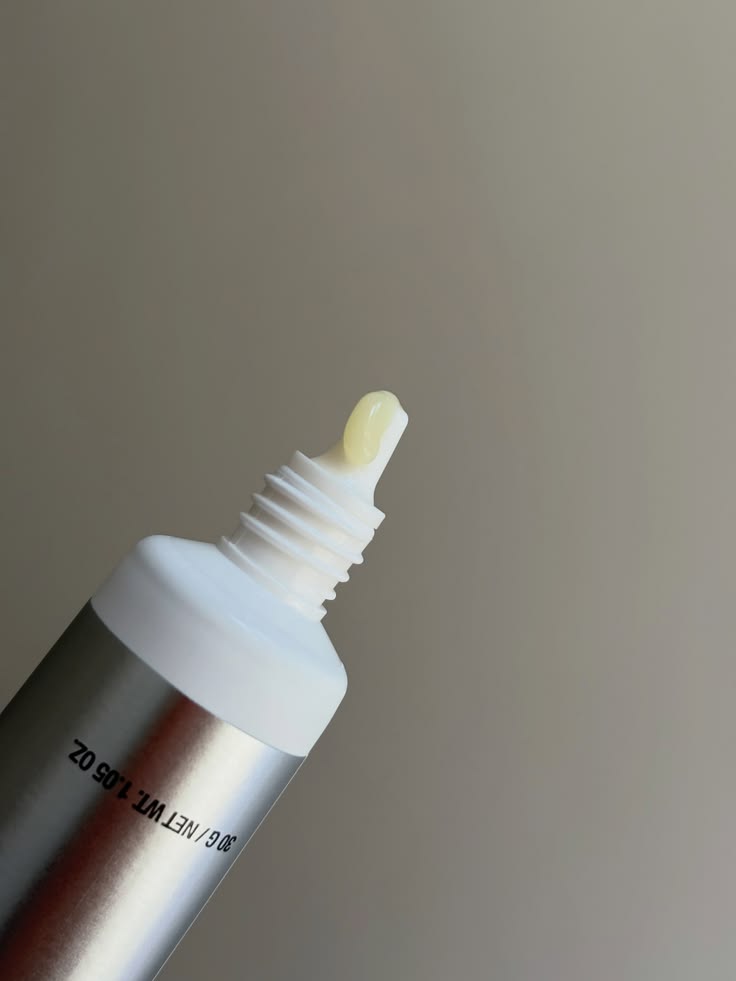
Short version: the formula is thoughtfully built, the retinol strength is sensible for the eye area, and the evidence for retinol and fine lines is real but more modest than the marketing suggests.
Quick Summary
- Product: Anua Retinol 0.1 Caffeine Revitalizing Eye Cream (30 g)
- Best for: early fine lines, tired-looking eyes, and people new to retinol who want a gentler start
- Key ingredients: 0.1% retinol, caffeine, niacinamide, six ceramides, hyaluronic acids, peptides, squalane
- Fragrance: none listed
- Price: about $23 on Anua’s US site
- Standout claim: Anua reports eye-area shading faded 39.68% after 8 weeks (brand testing)
- Watch-outs: retinol can still cause dryness or peeling, and it needs daily sunscreen
- Our take: a sensible, well-cushioned retinol eye cream for beginners, though results on dark circles depend heavily on the cause
Affiliate Disclosure and Editorial Team
Review Dermatica may earn a commission if you buy through links on this page, at no extra cost to you. That never changes our verdicts, which come from ingredient analysis and published research.
This article was written by Newaj Hossain Asim, lead analyst at Review Dermatica, with clinical and formulation research by co-founder Tahmina Zannat Lamya. It’s educational content, not medical advice. If you’re pregnant, nursing, or managing a skin condition, ask your doctor before using any retinoid.
What Is Anua Retinol Eye Cream?
Anua is a Korean skincare brand best known for its Heartleaf toners and PDRN products. The Anua Retinol Eye Cream, officially called Retinol 0.1 Caffeine Revitalizing Eye Cream, is its answer to the eye-area retinol category.
According to Anua’s official product page, it’s a fast-absorbing cream formulated with 0.1% retinol and caffeine. It’s marketed to visibly reduce dark circles, puffiness, and fine lines, and it comes in a 30 g tube.
The brand also labels it fragrance-free and clinically tested. Its recommended routine is simple: apply small dots around the eye after cleansing. If you’re new to retinol, start every other day and patch test first.
What makes it different from a basic retinol cream is the support cast. It pairs retinol with ceramides, hyaluronic acids, peptides, and niacinamide, which is a deliberate attempt to keep the delicate eye area comfortable.
If you’re comparing eye creams generally, our Beauty of Joseon eye cream review and CeraVe Eye Repair Cream review are good side-by-side reads.
Anua Retinol Eye Cream Ingredients: The Full List
Here’s the complete Anua Retinol Eye Cream ingredients list as printed by the brand:
Water, Propanediol, Dipropylene Glycol, Niacinamide, Glycerin, Limnanthes Alba (Meadowfoam) Seed Oil, Pentylene Glycol, Cyclohexasiloxane, Polyglyceryl-3 Methylglucose Distearate, Polyglyceryl-3 Distearate, 1,2-Hexanediol, Caffeine, Panthenol, Soluble Collagen, Squalane, Adenosine, Ceramide NP, Ceramide NG, Ceramide NS, Ceramide AP, Ceramide AS, Ceramide EOP, Hexapeptide-2,
Copper Tripeptide-1, Acetyl Hexapeptide-8, Acetyl Dipeptide-1 Cetyl Ester, Retinol, Hydrolyzed Hyaluronic Acid, Hyaluronic Acid, Sodium Hyaluronate, Sodium Hyaluronate Crosspolymer, Dimethylsilanol Hyaluronate, Hydrolyzed Sodium Hyaluronate, Potassium Hyaluronate, Hydroxypropyltrimonium Hyaluronate, Sodium Hyaluronate Dimethylsilanol, Sodium Acetylated Hyaluronate,
Hippophae Rhamnoides Oil, Macadamia Ternifolia Seed Oil, Chitosan, Butyrospermum Parkii (Shea) Butter, Hippophae Rhamnoides Fruit Oil, Pentaerythrityl Tetraethylhexanoate, Hydroxyethyl Acrylate/Sodium Acryloyldimethyl Taurate Copolymer, Diglycerin, Polymethylsilsesquioxane, Tocopheryl Acetate, Sodium Polyacryloyldimethyl Taurate, Hydrogenated Polydecene,
Hydroxyacetophenone, Glyceryl Stearate Citrate, Caprylic/Capric Triglyceride, Sodium Phytate, Butylene Glycol, Trideceth-10, Hydrogenated Lecithin, Sorbitan Isostearate, Palmitic Acid, Stearic Acid, Brassica Campestris (Rapeseed) Sterols, Cholesterol, Polyglyceryl-10 Laurate, Phytosteryl/Behenyl/Octyldodecyl Lauroyl Glutamate, Aluminum/Magnesium Hydroxide Stearate, Pentaerythrityl Tetra-di-t-butyl Hydroxyhydrocinnamate, Oleic Acid, Potassium Cetyl Phosphate, Tris(Tetramethylhydroxypiperidinol) Citrate, Octyldodecanol, Phytosterols, Sorbitan Laurate, Hydroxyethylcellulose, Phytosphingosine, Biotin, Cetearyl Alcohol, Xanthan Gum.
It’s a long list, so let’s sort it by what matters.
Retinol 0.1%: The Active
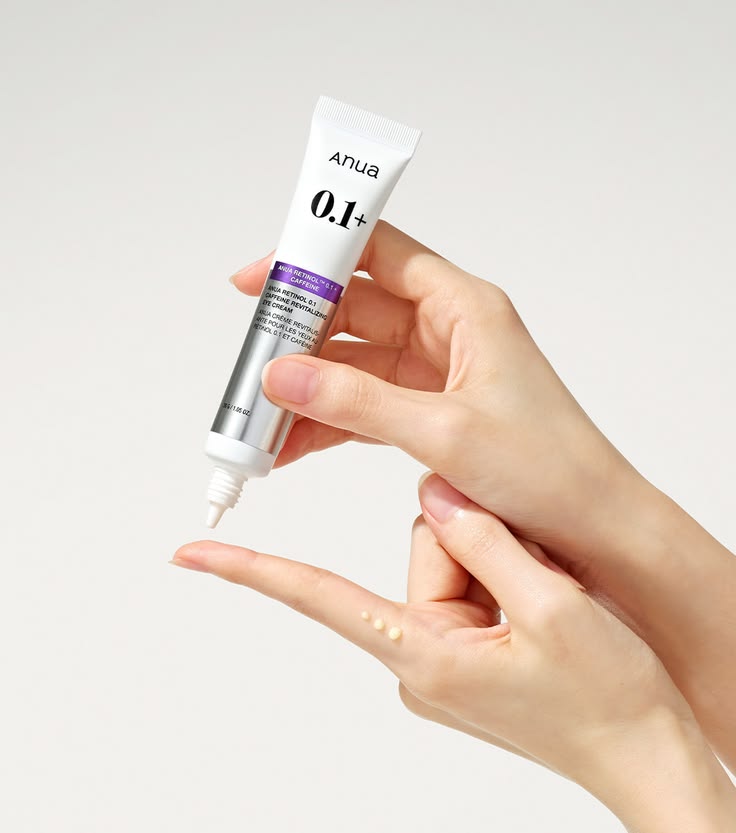
Retinol is the headline. It’s a vitamin A derivative that skin converts into the active form, retinoic acid, and it’s the most widely used cosmetic retinoid.
Here’s a detail worth understanding. Retinol sits 27th on the list. That sounds low, but it’s consistent with a 0.1% concentration, because ingredients below roughly 1% can appear in any order.
Is 0.1% a good strength for the eyes? For a first retinol near the eyes, yes. It’s on the gentle end, and that’s the point. The eyelid and under-eye skin are thinner than the rest of the face, so a cautious dose makes sense.
The flip side is that 0.1% won’t act like a prescription retinoid. Expect gradual, modest changes, not dramatic ones.
Niacinamide and Caffeine: The Brightening Duo
Niacinamide is 4th on the list, which signals a real amount. Retailer listings show Anua positioning it at 5% alongside 1% caffeine. If that’s right, it’s a meaningful dose for a barrier-friendly, tone-evening ingredient.
Caffeine is a popular eye-cream ingredient because it constricts blood vessels briefly and can make puffiness look better for a while. The evidence for lasting dark-circle improvement is thinner than the marketing implies, so treat caffeine as a short-term de-puffer, not a cure.
Ceramides, Hyaluronic Acids and Squalane: The Cushion
This is where the formula stands out. It contains six ceramides (NP, NG, NS, AP, AS, and EOP), plus cholesterol, phytosphingosine, and squalane. Together, they support the skin barrier, which matters when you’re applying an active that can dry things out.
Then there’s the hyaluronic acid family. The list includes hyaluronic acid, sodium hyaluronate, hydrolyzed forms, crosspolymers, and more, all aimed at pulling water into the upper skin layers. For a deeper look at how humectants compare, see our guide on hyaluronic acid vs glycerin.
Panthenol, glycerin, and shea butter add further comfort. This mix is the reason Anua can reasonably describe the cream as hydrating.
Peptides, Adenosine and Collagen: The Supporting Cast
The peptide lineup includes Hexapeptide-2, Copper Tripeptide-1, Acetyl Hexapeptide-8, and Acetyl Dipeptide-1 Cetyl Ester. Adenosine and soluble collagen join them.
These are popular in eye creams, and they’re generally gentle. But the evidence for peptides in cosmetic concentrations is weaker than for retinol, so we see them as a bonus, not the reason to buy. If you’re curious about peptides alone, check our peptides vs retinol comparison.
Other Things Worth Knowing
A few formulation details deserve a mention. Cyclohexasiloxane (a silicone) gives the cream its smooth, fast-absorbing slip. Meadowfoam, sea buckthorn, and macadamia oils add richness. If you have a tree-nut allergy, ask your doctor before using a product containing macadamia seed oil.
On the plus side, there’s no fragrance in the ingredient list, which matters for reactive eye skin. Sensitive-skin shoppers may also like our roundup of the best products for sensitive skin.
Does Retinol Eye Cream Really Work for Fine Lines?
Let’s be honest about the science, because it’s more nuanced than the typical product page.
Retinoids are among the most studied anti-aging ingredients. A 2025 systematic review and network meta-analysis pooled 23 randomized trials with 3,905 participants. It found that retinol, tretinoin, and isotretinoin significantly improved fine wrinkles, with isotretinoin ranking highest.
That’s encouraging, but it doesn’t mean every retinol eye cream performs the same. The strongest evidence comes from prescription-strength retinoids, not low-percentage cosmetic products.
A critical appraisal of over-the-counter retinol trials was more cautious. Its authors found weak evidence that cosmetic retinol may mildly improve fine facial wrinkles and said high-quality trials of retinol-containing products were still needed.
So here’s the balanced reading. Retinol is a legitimate, well-supported ingredient for fine lines. But a 0.1% cosmetic eye cream is a gentle, long-game product, not a wrinkle eraser.
Two practical takeaways follow from that. First, give it at least 8 to 12 weeks before judging. Second, set your expectations around softer texture and slightly smoother fine lines, not deep wrinkles disappearing.
Anua Retinol Eye Cream and Its Hydration and Dark Circle Claims
Anua says its testing showed the look of eye-area shading fading by 39.68% after 8 weeks. That’s a specific, eye-catching number, so it deserves a careful look.
We couldn’t find the study design, the number of participants, or whether it was compared against a control group. Without those details, we treat the figure as a brand claim, not independent proof.
It’s also worth knowing what dark circles are. They can come from pigmentation, thin skin showing blood vessels beneath, shadowing from under-eye hollows, or genetics. A cream with niacinamide and retinol may help the pigment-related part, but it can’t fill a hollow or change thin skin overnight.
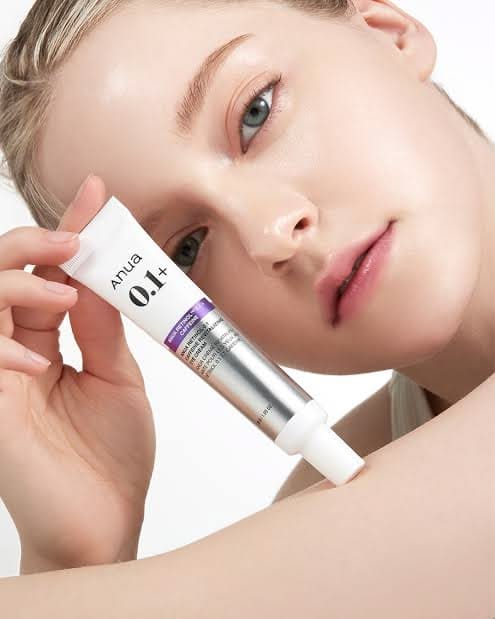
On hydration, the claim is more believable. With six ceramides, multiple hyaluronic acids, glycerin, panthenol, and squalane, this formula has the ingredients you’d expect from a hydrating eye cream. Anua’s US page also lists the cream at 4.8 out of 5 stars from 69 reviews, though brand-site reviews tend to lean positive.
Irritation Risks: Is It Really Gentle?
Anua calls the formula gentle and designed for sensitive skin. The cushioning ingredients support that idea, but “gentle for a retinol” isn’t the same as “can’t irritate.”
Retinol commonly causes dryness, flaking, redness, or a mild burning feeling while your skin adapts. The eye area tends to show this first because the skin is thin.
The American Academy of Dermatology suggests starting retinol every other day instead of daily while your skin adjusts, and that matches Anua’s own directions.
A few more cautions:
- Retinol makes skin more sun-sensitive, so daily sunscreen is non-negotiable
- Avoid layering it with strong exfoliating acids or at-home chemical peels in the same routine
- Stop and check with a doctor if you get persistent swelling, burning, or an itchy rash
- Retinoids are generally avoided during pregnancy, so ask your doctor first
If you’re already prone to irritation, patch test on a small area near the outer eye for several days before using it fully.
How to Use Anua Retinol Eye Cream
Keep it simple. Eye-area retinol works best with a slow, steady approach.
Week 1 to 2
Use it every other night. Apply a small amount in tiny dots along the orbital bone, the bony ridge around the eye, and pat gently outward. Don’t push product right up to the lash line.
Week 3 and Beyond
If your skin is calm, increase to most nights. If you feel tight or flaky, drop back a step. There’s no prize for going fast.
Morning Protection
Wear sunscreen every morning, including around the eyes. Our Ultra Violette Supreme sunscreen review and the EltaMD UV Clear vs Supergoop Unseen comparison can help you pick one.
Pairing Tips
Follow with a simple moisturizer if your skin feels dry. If you like gentle, fragrance-free options, see our Vanicream Enhanced Moisturizer review. And if your skin feels parched overall, our list of best moisturizers for dehydrated skin is worth a look.
Who Should Consider Anua Retinol Eye Cream (and Who Should Skip It)
Good Fit If You:
- Are new to retinol and want a mild starting point
- See early fine lines or crepey texture around the eyes
- Want hydration and barrier support in the same product
- Prefer fragrance-free formulas
- Like a lightweight cream that absorbs quickly
Think Twice If You:
- Are pregnant, planning pregnancy, or nursing (ask your doctor first)
- Have very reactive skin, active eczema, or rosacea around the eyes
- Expect it to fix deep wrinkles or structural under-eye hollows
- Are allergic to tree nuts, because the formula contains macadamia seed oil
- Won’t commit to daily sunscreen
If you’re in your 40s or beyond and building a fuller routine, our guide to skincare for mature skin pairs well with this review.
Anua Retinol Eye Cream Price and Value
On Anua’s US site, the 30 g tube sells for about $23. Prices vary by retailer and country, so check before you buy.
For a retinol eye cream with ceramides, peptides, and a meaningful niacinamide level, that’s competitive. Eye creams in this category often cost much more and don’t always add barrier support.
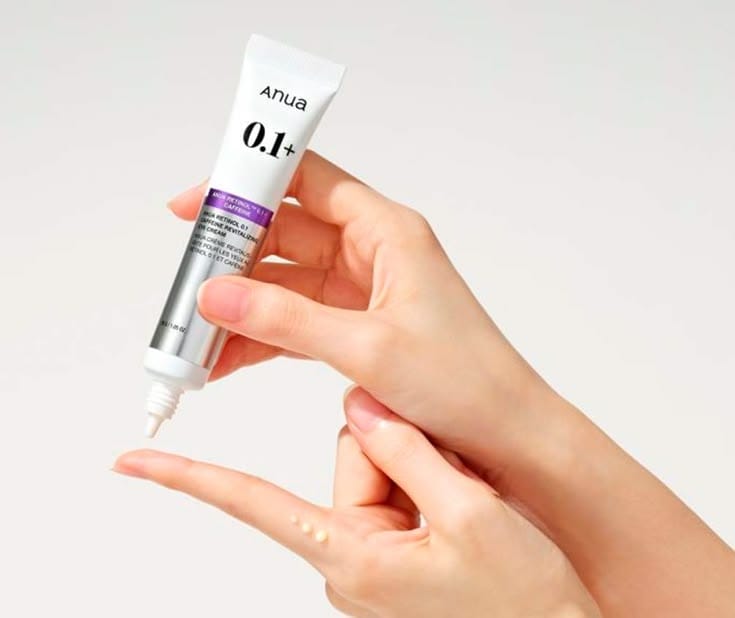
One practical point: 30 g is a generous eye-cream size. You only need a rice-grain amount per eye, so a tube should last a long time.
How It Compares With Other Eye Creams
If Anua’s retinol formula doesn’t feel right, here are a few directions to explore on Review Dermatica:
- For a gentler, non-retinol option, read our Beauty of Joseon eye cream review
- For a PDRN-based alternative, see the Medicube PDRN eye cream review
- For a brightening angle, check the Eucerin Radiant Tone eye cream review
- For another peptide-focused option, see our Elire eye cream reviews
- For a quick de-puffing boost, try COSRX eye patches
If you’re a fan of the brand overall, you may also enjoy our Anua azelaic acid serum ingredients breakdown and the Beauty of Joseon vs Anua comparison.
Pros and Cons
Pros:
- Sensible 0.1% retinol for the delicate eye area
- Six ceramides, cholesterol, and squalane help cushion the retinol
- Hydrating mix of hyaluronic acids, glycerin, and panthenol
- Meaningful niacinamide level near the top of the list
- No fragrance in the ingredient list
- Fast-absorbing, lightweight texture per the brand
- Reasonable price for a 30 g tube
Cons:
- Still a retinol, so dryness and peeling are possible
- Dark-circle results depend on the cause and aren’t guaranteed
- The 39.68% claim lacks published study details
- Contains silicone and macadamia seed oil, which not everyone wants
- Needs daily sunscreen and patience
Anua retinol eye cream review FAQ
Is Anua Retinol Eye Cream good for beginners?
Generally yes. The 0.1% strength is mild, and the ceramide and hyaluronic acid base helps with comfort. Start every other night and patch test first.
What are the main Anua Retinol Eye Cream ingredients?
The headline ingredients are 0.1% retinol, niacinamide, caffeine, six ceramides, multiple hyaluronic acids, peptides, adenosine, squalane, and panthenol. The full list is above.
Does Anua Retinol Eye Cream 0.1 work on dark circles?
It may help some people, especially if pigmentation is part of the cause. It’s unlikely to help dark circles caused by thin skin or hollows. Anua’s 39.68% result is a brand claim.
Can I use it every night?
Many people can, once their skin adapts. Begin every other night, and move up only if your skin stays comfortable.
How long until I see results?
Hydration can feel better within days. For fine lines and texture, plan on 8 to 12 weeks of consistent use.
Final Verdict: Is Anua Retinol Eye Cream Worth It?
For beginners and anyone who wants a gentle entry into eye-area retinol, yes, it’s worth considering. The formula is balanced, the retinol strength is sensible, and the ceramide-and-hyaluronic base is what you’d want around thin skin.
It’s not a miracle. The research on retinol and fine lines is real, but cosmetic-strength products show modest results, and Anua’s dark-circle claim comes from its own testing.
Our recommendation in this Anua Retinol Eye Cream review: buy it if you want a comfortable, fragrance-free retinol for early fine lines; patch test first, use sunscreen daily, and give it a couple of months before judging.