
EltaMD UV Clear vs Supergoop Unseen Sunscreen: Which One Is Actually Worth It? (2026)
If you’ve been going back and forth between the EltaMD UV Clear vs Supergoop Unseen Sunscreen, you’re not alone. These two are probably the most-talked-about face sunscreens in the skincare community right now —
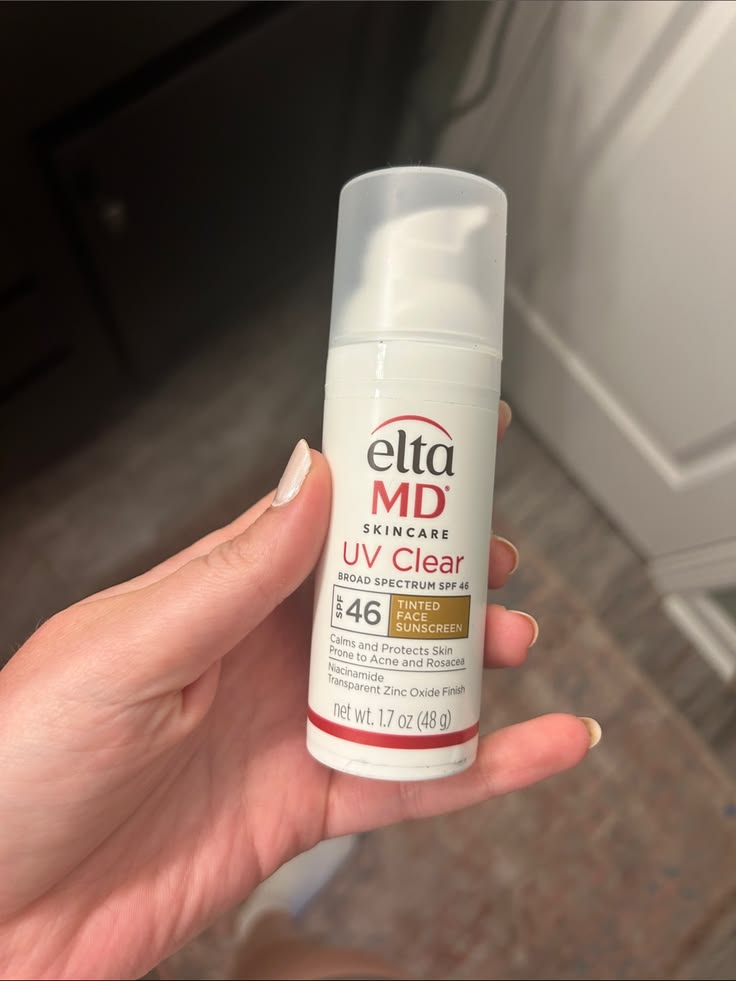
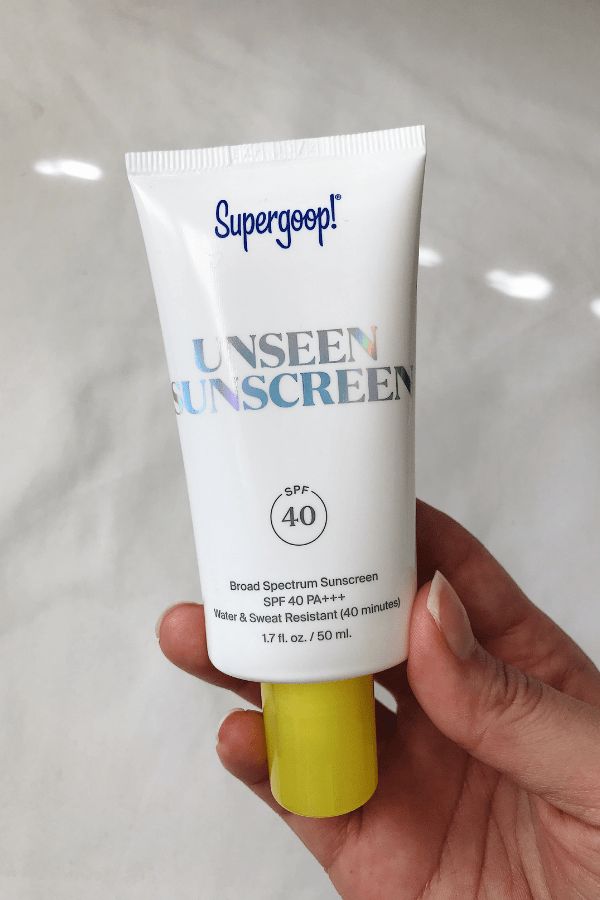
both dermatologist-recommended, both fragrance-free, both sitting in the $38–$45 price range. On the surface, they seem almost identical.
But here’s the thing: they’re actually built for very different skin needs. And picking the wrong one can mean breakouts, pilling under makeup, or just wasting $40 on a sunscreen you’ll stop using by week two.
Disclaimer: This article contains affiliate links. If you purchase through our links, we may earn a small commission at no extra cost to you. All opinions are our own and based on research and publicly available clinical data.
Quick Comparison: EltaMD vs Supergoop
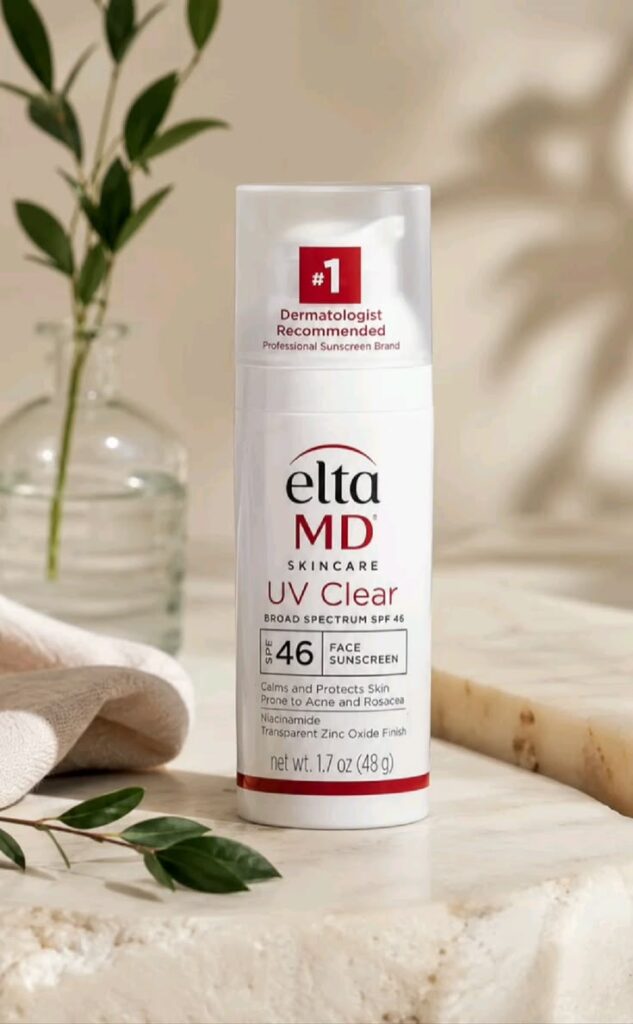
EltaMD UV Clear SPF 46
- Sunscreen Type: Hybrid (mineral + chemical)
- Active Filters: Zinc Oxide 9%, Octinoxate 7.5%
- Key Ingredients: 5% Niacinamide, Hyaluronic Acid, Lactic Acid
- Finish: Matte–satin
- Best For: Acne-prone, sensitive, rosacea-prone skin
- Fragrance-Free: Yes
- Non-Comedogenic: Yes
- White Cast: Minimal (micronized zinc)
- Price (1.7 oz): ~$41
Supergoop Unseen SPF 40
- Sunscreen Type: Chemical
- Active Filters: Avobenzone 3%, Homosalate 8%, Octisalate 5%, Octocrylene 4%
- Key Ingredients: Shea Butter, Frankincense, Meadowfoam Estolide
- Finish: Velvety, invisible
- Best For: All skin types, makeup wearers
- Fragrance-Free: Yes
- Non-Comedogenic: Not officially claimed
- White Cast: None
- Price (1.7 oz): ~$38
What Is EltaMD UV Clear SPF 46?
EltaMD UV Clear Broad-Spectrum SPF 46 is a hybrid sunscreen — meaning it uses both mineral and chemical UV filters. It’s been a dermatologist-recommended staple for over a decade, especially for people dealing with acne, rosacea, and post-procedure sensitivity. You’ve probably seen it recommended on every “best sunscreen for sensitive skin” list on the internet, and for good reason.
The formula is oil-free, fragrance-free, paraben-free, and non-comedogenic — which already makes it stand out in a crowded sunscreen market. But what really sets it apart is that it doesn’t just protect your skin. It actively works to improve it while you wear it.
You can read our full EltaMD UV Clear SPF 46 review for a deeper breakdown of long-term results, but for the purposes of this comparison, let’s focus on what matters most.
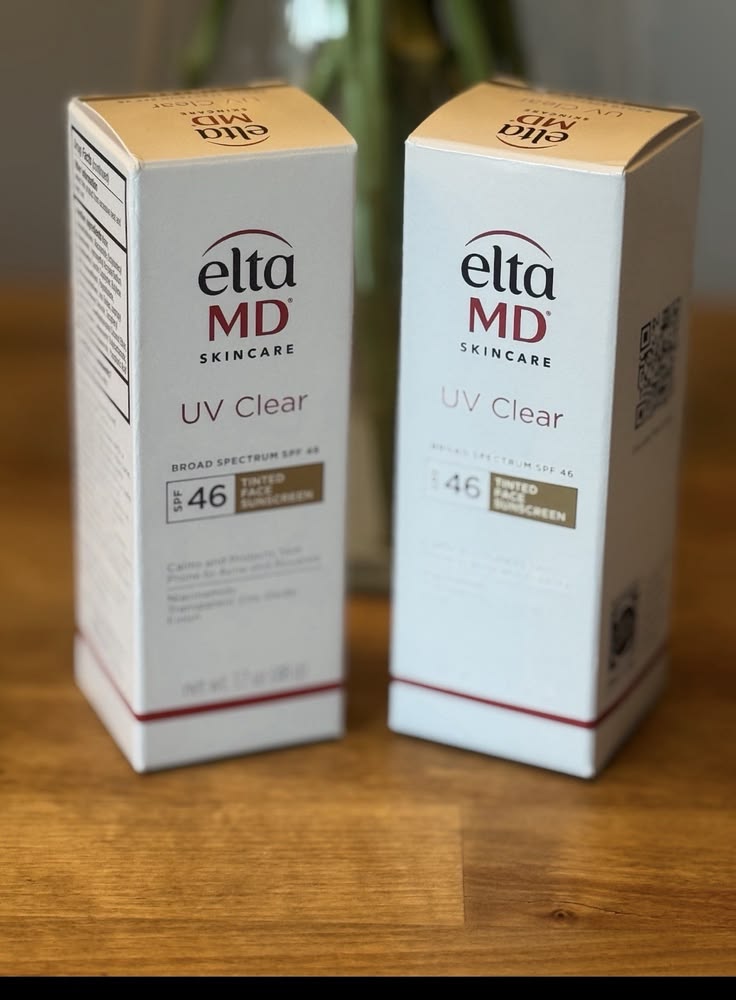
EltaMD UV Clear Active Ingredients
The two active UV filters are Zinc Oxide (9%) and Octinoxate (7.5%). Zinc Oxide is the gold-standard mineral filter — it offers the broadest spectrum UV protection available, covering UVB, UVA I, and UVA II, and it doubles as a skin-calming anti-irritant. The Octinoxate handles additional UVB absorption.
Beyond sun protection, the formula includes:
5% Niacinamide (Vitamin B3): This is the ingredient that makes EltaMD UV Clear genuinely different from most sunscreens. A comprehensive literature review published in Cosmoderma (2026) confirmed that topical niacinamide controls sebum production, delivers anti-inflammatory effects, and strengthens the skin barrier — all backed by randomized clinical trials. A separate study published in Scientific Reports (2025) found that niacinamide enhances the skin’s ability to retain moisture under varying humidity conditions. For acne-prone or rosacea-prone users, this is a meaningful addition, not just a marketing claim.
A landmark controlled study published in Cutis also confirmed that niacinamide-containing formulas significantly improve skin barrier function in rosacea patients, reducing both redness and sensitivity. You can explore the PubMed citation directly: Draelos et al., 2005 – PubMed.
Hyaluronic Acid (Sodium Hyaluronate): Pulls in moisture to keep the skin hydrated throughout the day without adding any greasiness.
Lactic Acid: A gentle AHA that promotes mild cell turnover, helping to fade post-acne marks and improve overall skin tone over time.
Tocopheryl Acetate (Vitamin E): An antioxidant that combats UV-triggered free radical damage.
Together, this formula does something most sunscreens don’t: it treats and protects simultaneously.
What Is Supergoop Unseen Sunscreen SPF 40?
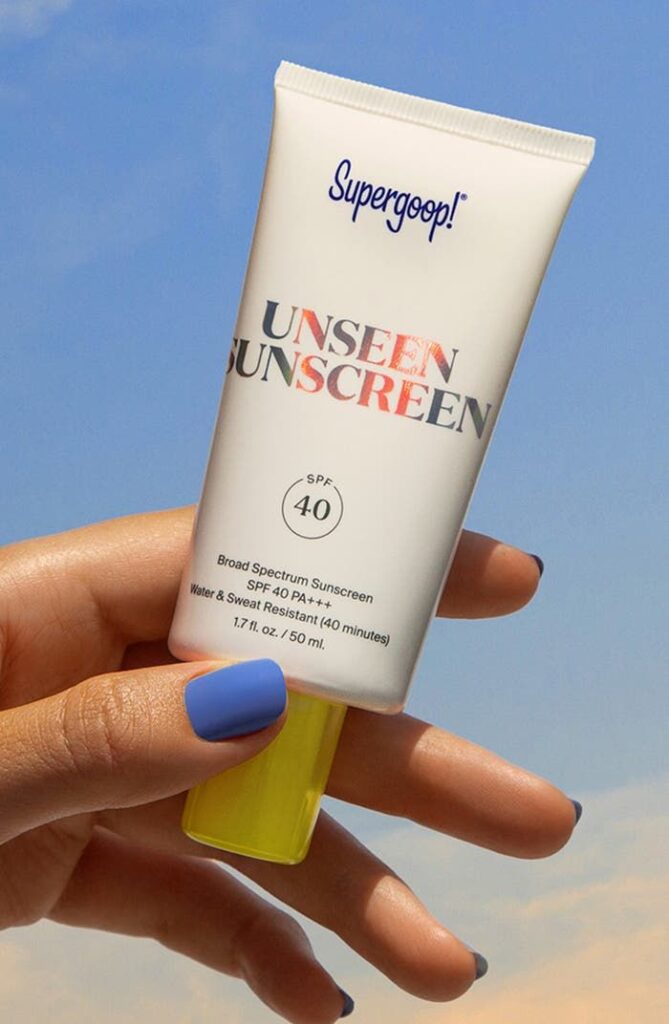
Supergoop Unseen Sunscreen SPF 40 is a 100% chemical sunscreen with a cult following — and honestly, it earned that following. If you’ve ever wished your sunscreen felt like nothing at all, this is the one people reach for. It’s completely transparent, has a velvety texture that grips makeup like a primer, and essentially disappears into the skin on application.
It’s a favorite among makeup wearers, content creators, and anyone who hated wearing sunscreen before they found this one.
Supergoop Unseen Sunscreen Active Ingredients
The four chemical UV filters are Avobenzone (3%), Homosalate (8%), Octisalate (5%), and Octocrylene (4%). This is a pure chemical formula — there are no mineral filters here.
Avobenzone is the workhorse of UVA protection in US chemical sunscreens. It’s the only globally approved chemical filter that covers the full UVA spectrum (310–400 nm), though it is photounstable and degrades with sun exposure — which is why consistent reapplication every two hours is important. The Octocrylene in the formula helps stabilize the Avobenzone, partially addressing this concern.
The bonus ingredients include:
Shea Butter: Provides a soft, conditioning effect without making the formula feel heavy.
Frankincense (Boswellia Serrata Resin Extract): A soothing botanical with anti-inflammatory properties.
Meadowfoam Estolide: A plant-derived emollient that creates the signature velvety texture.
Red Algae (Lithothamnion Calcareum Extract): Claimed to help increase skin moisture levels and protect against visible light.
Tocopherol (Vitamin E): Antioxidant protection.
One thing worth noting: the Supergoop Unseen Sunscreen formula has been verified as vegan, fragrance-free, and cruelty-free by SkinSAFE. However, it is not reef-safe, as it contains chemical UV filters that are restricted or banned in certain eco-sensitive marine areas.
Texture and Finish: A Real-World Comparison
This is where the two sunscreens diverge most clearly, and it matters because the best sunscreen is the one you’ll actually wear every day.
EltaMD UV Clear has a lotion-like consistency that absorbs quickly into the skin. It dries to a matte-to-satin finish — not cakey, not greasy, just a clean, skin-like surface. On oily or acne-prone skin, this finish is ideal. It doesn’t add shine or emphasize pores. If you wear it under makeup, it works best when you wait about 60 seconds after application before layering foundation on top — this prevents pilling.
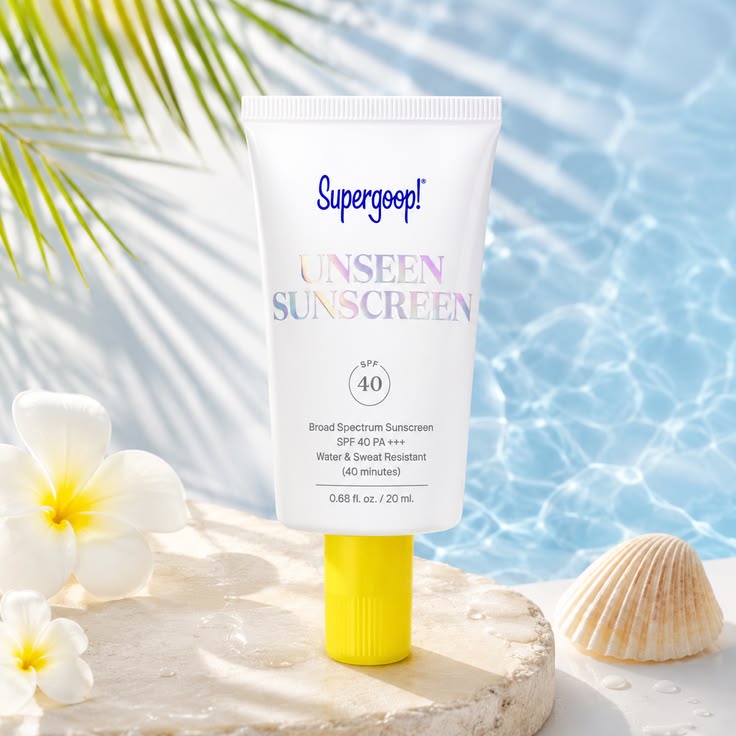
Supergoop Unseen Sunscreen has a completely different feel. It’s a clear, gel-like formula that glides onto skin with almost no resistance and dries down to a velvety, almost silicone-smooth finish. It leaves zero visible residue and no white cast whatsoever.
Its silicone-heavy base (Dimethicone Crosspolymer, Dimethicone/Bis-Isobutyl PPG-20 Crosspolymer) creates a pore-blurring effect that makes it an excellent makeup primer. Foundation grips to it naturally, and it works under both liquid and powder products.
The tradeoff? Some users with acne-prone or combination skin report that the silicone base can feel slightly tacky in humid conditions or cause congestion over prolonged daily use — though this is not universal.
For a broader look at how sunscreen formulas work under makeup in general, check out our comparison of SPF 30 vs SPF 50 sunscreens to understand how protection level and formula thickness are related.
Mineral vs Chemical Sunscreen: Does It Matter?
This is one of the most common questions that comes up in the EltaMD UV Clear vs Supergoop Unseen Sunscreen debate. Short answer: It depends on your skin.
EltaMD UV Clear is a hybrid — it uses both mineral (Zinc Oxide) and chemical (Octinoxate) filters. The mineral component physically reflects UV rays while the chemical component absorbs them. This makes it particularly well-tolerated by reactive, sensitive, or post-procedure skin, since Zinc Oxide is also a known anti-irritant and anti-inflammatory agent. Dermatologists frequently recommend mineral or hybrid formulas post-laser, post-peel, or after any treatment that compromises the skin barrier.
Supergoop Unseen is a pure chemical sunscreen. Chemical filters absorb UV radiation and convert it into heat, which is then released from the skin. For most healthy skin types, this is completely fine. However, for those with extremely sensitive or reactive skin, some chemical filters can occasionally trigger mild irritation — though the Supergoop formula is specifically designed to minimize this risk.
If you want a detailed, deep dive on this topic, our Mineral vs Chemical Sunscreen for Face guide covers everything you need to know.
Performance for Acne-Prone Skin
If you have acne-prone skin, this section matters more than any other.
EltaMD UV Clear is the stronger choice for acne-prone skin, and the reasons are backed by both formulation science and clinical evidence. The 5% Niacinamide actively reduces sebum production, calms inflammatory lesions, and helps fade post-acne discoloration. The Zinc Oxide adds a layer of anti-inflammatory protection. The formula is explicitly non-comedogenic and oil-free — it will not clog pores. Dermatologists routinely prescribe EltaMD UV Clear as part of acne treatment protocols, not just as a standalone sunscreen.
Supergoop Unseen is not formulated with active acne-fighting ingredients. It’s fragrance-free and oil-free, which are good starting points. However, its silicone-dominant base may cause issues for certain acne-prone skin types. Some users in community forums and product review databases report breakouts and even cystic acne after switching to Supergoop Unseen — though this is highly individual, and the formula works perfectly well for many acne-prone users.
If managing breakouts is your primary skincare concern, EltaMD UV Clear is the more targeted option. For best results with acne-prone skin, it’s worth pairing your sunscreen with a well-formulated exfoliating toner — our COSRX BHA Blackhead Power Liquid review explains how BHA exfoliants complement daily sun protection.
Performance for Sensitive and Rosacea-Prone Skin
For sensitive or rosacea-prone skin, EltaMD UV Clear is the clinical gold standard. The combination of Zinc Oxide (a known skin protectant), 5% Niacinamide (proven to reduce redness and strengthen the barrier), and a completely fragrance-free, paraben-free formula makes it the sunscreen most frequently recommended by dermatologists for post-redness skin conditions.
A landmark PubMed-published randomized controlled trial confirmed that niacinamide-based formulas significantly improve stratum corneum barrier function and reduce clinical signs of rosacea within weeks of consistent use (PubMed: 16209160). EltaMD UV Clear delivers this benefit daily, baked directly into the SPF routine.
Supergoop Unseen is also fragrance-free and gentle for most sensitive skin types. However, if your sensitivity is specifically reactive to any chemical UV filters, the pure chemical formula may not be the safest starting point.
Makeup Compatibility
This is where Supergoop Unseen wins clearly.
Its silicone-based formula essentially acts as a blurring primer before foundation. It grips makeup, softens the appearance of pores, and extends wear time. If you wear foundation daily and want a seamless base, Supergoop Unseen is purpose-built for this use case. Dermatologists and beauty editors consistently describe it as one of the best makeup-under-sunscreen combinations available.
EltaMD UV Clear works under makeup too — especially when you give it that 60-second window to set before applying foundation. The matte finish means it won’t cause slipping or sliding. However, it doesn’t provide the same pore-blurring, grip-enhancing effect that the Supergoop formula delivers.
White Cast: Is It a Real Concern?
For EltaMD UV Clear, the Zinc Oxide is micronized, which significantly reduces any whitening effect. On fair to medium skin tones, there is essentially no visible white cast. On deeper skin tones, a very faint residue may be noticeable, though the tinted version of EltaMD UV Clear addresses this completely. If you have deeper skin, opt for the tinted formula.
For Supergoop Unseen, white cast is a non-issue. The formula is 100% invisible on all skin tones, which is a meaningful practical advantage for users with medium-deep to deep complexions.
Price Comparison
Both products sit in similar price territory for a premium face SPF:
- EltaMD UV Clear SPF 46 (1.7 oz): approximately $41
- Supergoop Unseen Sunscreen SPF 40 (1.7 oz): approximately $38
The difference is minimal — about $3 per bottle. At correct daily application (a quarter-teaspoon for the face), a 1.7 oz bottle typically lasts around two to three months. Neither product offers better value per use dramatically, so this decision should come down entirely to skin compatibility rather than price.
Both are available on Amazon, Sephora, and directly from each brand’s website. For updated pricing, check the buttons below.
Check Today’s Price on Amazon: EltaMD UV Clear SPF 46 →
Check Today’s Price on Amazon: Supergoop Unseen Sunscreen SPF 40 →
EltaMD UV Clear vs Supergoop Unseen: Which One Is Right for You?
Here’s the honest breakdown:
Choose EltaMD UV Clear SPF 46 if:
- You have acne-prone, rosacea-prone, or sensitive skin
- You want your sunscreen to actively treat as well as protect
- You’ve had post-procedure work done (laser, chemical peels, microneedling)
- You prefer a hybrid mineral-chemical formula
- You want to fade post-acne discoloration and uneven skin tone over time
- You wear minimal or no makeup daily
Choose Supergoop Unseen Sunscreen SPF 40 if:
- You wear makeup every day and want a primer-in-sunscreen effect
- Texture and sensory experience are your top priorities
- You have normal, dry, or combination skin without significant breakout concerns
- You need a sunscreen that works on all skin tones with zero white cast risk
- You’ve tried mineral sunscreens and find them too heavy or occlusive
And if budget allows, some users genuinely keep both — EltaMD UV Clear for bare-face days when skin needs therapeutic support, and Supergoop Unseen on full-makeup days when the primer effect matters.
How They Fit Into a Complete Skincare Routine
Sunscreen is the final step of your morning routine and arguably the most important one — but its effectiveness depends on what you layer underneath it.
For acne-prone or oily skin, pairing either of these sunscreens with a non-comedogenic moisturizer is essential. Our roundup of the best non-comedogenic moisturizers covers options at every price point that work seamlessly under SPF. The Neutrogena Hydro Boost vs CeraVe comparison is also a useful read if you’re still deciding on your base moisturizer.
For those dealing with hyperpigmentation or post-acne marks alongside sun protection, adding a Vitamin C serum in the morning before your SPF can accelerate brightening results. Our guide to the best Vitamin C serum for sensitive skin breaks down the safest formulas for reactive complexions. You might also want to look at our La Roche-Posay Hyalu B5 Serum review for a hydrating serum that layers well under both of these sunscreens.
And if you’re after clean, baby-safe sunscreen options for comparison, our Thinkbaby Sunscreen review is worth a read.
Final Verdict
In the EltaMD UV Clear vs Supergoop Unseen Sunscreen debate, there’s no universal winner — but there is a right answer for your skin.
EltaMD UV Clear SPF 46 is the more therapeutically advanced option. Its 5% Niacinamide, Zinc Oxide, and hybrid formula make it the dermatologist’s choice for acne-prone, sensitive, rosacea-prone, and post-procedure skin. If your skin needs more than just protection, this is the one.
Supergoop Unseen Sunscreen SPF 40 is the more cosmetically elegant option. Its invisible, velvety, primer-like formula is unmatched in terms of wearability and makeup compatibility. If daily adherence and finish quality are your top priorities, this one will keep you consistent.
Both are excellent. The one that’s “worth it” is whichever one you’ll use every single day without skipping — because the best sunscreen is always the one that actually makes it onto your face.
Also Worth Reading on Review Dermatica
Building a complete skincare routine takes more than just sunscreen. Here are a few other guides that pair well with your sun protection:
- Best Non-Comedogenic Moisturizer — what to layer under sunscreen without clogging pores
- La Roche-Posay Toleriane Double Repair Moisturizer Review — a sensitive-skin favorite
- iUNIK Beta Glucan Power Moisture Serum — lightweight hydration that plays well with mineral SPF
- What Is Beta Glucan for Skin? — understand the ingredient behind calming and barrier repair
- Mineral vs Chemical Sunscreen for Face — the full breakdown you need before choosing your SPF
About the Editorial Team
The Strategic Architect
Asim | Founder & Lead Analyst
Asim is the visionary behind Review Dermatica, blending technical SEO expertise with clinical skincare auditing. As a professional developer and strategist, he strips away marketing hype to focus on data-driven results for the USA market. His analytical approach ensures every 3,500+ word deep-dive meets the highest standards of accuracy, transparency, and search visibility.
The Scientific Mind
Tahmina Zannat Lamya | Co-Founder & Clinical Researcher
Tahmina is the scientific backbone of Review Dermatica. As an expert in cosmetic formulation and microbiome science, she audits the molecular structure of advanced bio-actives like PDRN and Ceramides. She ensures every clinical review is grounded in pharmaceutical-grade research, making complex ingredient science accessible to the modern “Skintellectual” audience.
Clinical Insights Cited From
Dr. Shereene Idriss, MD | Board-Certified Dermatologist
To ground our ingredient analysis in established medical science, Review Dermatica references the publicly available clinical insights and expertise of Dr. Shereene Idriss, a Harvard-trained, board-certified dermatologist and founder of Idriss Dermatology (NYC). Her evidence-based perspectives on skin health, laser therapy, and facial rejuvenation help inform the medical context behind our technical evaluations. Dr. Idriss is not affiliated with or employed by Review Dermatica; she is cited as an external clinical authority whose published work supports the accuracy of our content.


2 thoughts on “EltaMD UV Clear vs Supergoop Unseen Sunscreen: Which One Is Actually Worth It? (2026)”