
Spicule Serum vs Derma Roller: Proven Winner for 2026
If you’ve spent any time on BeautyTok lately, you’ve probably seen someone pat a serum into their face, wince slightly, and call it “microneedling in a bottle.” That’s spicule serum. And a few scrolls later, you’ll probably see someone else rolling a spiky little wheel across their cheeks and calling it the same thing. That’s a derma roller.

Vs
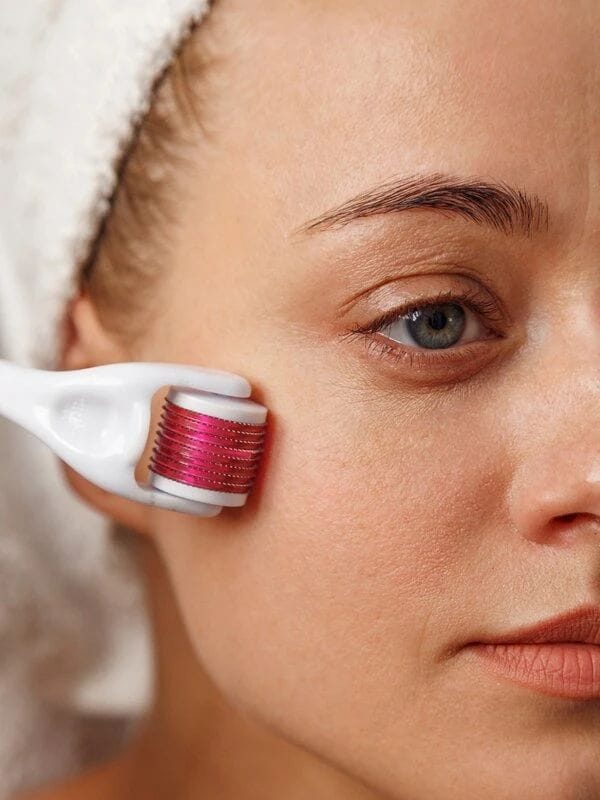
Here’s the problem. These two are not the same treatment; they don’t work the same way, and mixing them up can actually hurt your skin. So today we’re settling the spicule serum vs derma roller debate for good, with real research, real products, and real answers about which one actually deserves a spot in your routine.
By the end of this guide, you’ll know exactly what a spicule serum is, what a derma roller is, which one is safer, which one gives better results, and which three products in each category are actually worth your money in 2026.
Affiliate Disclosure: This article contains affiliate links. If you purchase through them, Review Dermatica may earn a small commission at no extra cost to you. We only recommend products we’ve genuinely researched and believe in.
Editorial Team: This article was researched and written by the Review Dermatica editorial team, with clinical and formulation input from co-founder Tahmina Zannat Lamya. All claims are cross-checked against peer-reviewed studies and dermatology sources where available.
What Is a Spicule Serum? (Liquid Microneedling Explained)
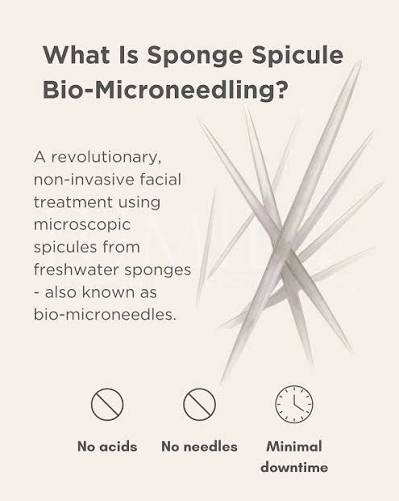
A spicule serum is a topical product infused with microscopic, needle-shaped particles called spicules. These are usually derived from hydrolyzed marine or freshwater sponges, though some brands use silica-based or lab-synthesized versions instead.
When you press a spicule serum into your skin, those tiny structures create shallow micro-channels in the outermost layer, the stratum corneum. This is why so many people call it liquid microneedling. It mimics the general idea of microneedling, but without an actual needle ever touching your face.
A widely cited study published in Molecular Pharmaceutics found that marine sponge spicules increased skin absorption of hydrophilic compounds by over 70 times compared to no treatment, and outperformed a traditional dermaroller in the same lab conditions. That’s a striking number, and it’s part of why spicule serum has become such a hot topic among skincare formulators this year.
The sensation is real too. Most people feel a light tingling or prickling when they apply a spicule serum, which is simply the spicules working through the top skin layer. It’s usually mild, but it is noticeable, and that’s part of why the trend spread so fast on social media.
Supporting keyword check: this is exactly the mechanism people mean when they search for at-home microneedling serum or liquid microneedling, even though, as we’ll get into, dermatologists are quick to point out it isn’t technically microneedling at all.
What Is a Derma Roller? (Traditional At-Home Microneedling)
A derma roller is a handheld device covered in a cylinder of fine needles, usually made of titanium or stainless steel. You roll it across your skin in different directions, and the needles create actual, physical punctures.
Unlike a spicule serum, a derma roller is a mechanical tool, not a formula. The needle length varies by product, typically between 0.25mm and 1.5mm for at-home use, and the depth you choose changes how intense the treatment is.
This is genuine microneedling, just done at home instead of in a clinic. Because the needles physically puncture the skin, your body responds with a real wound-healing cascade, releasing growth factors that stimulate collagen and elastin production over time.
That deeper mechanism is also why a derma roller carries more risk than a spicule serum if it’s used incorrectly, on the wrong skin type, or without proper hygiene. We’ll cover exactly how to lower that risk further down.
Spicule Serum vs Derma Roller: The Core Differences
Let’s break down the spicule serum vs derma roller comparison side by side, because this is really where most of the confusion online comes from.
Spicule Serum
- Mechanism: chemical/topical, spicules create microscopic surface-level channels
- Depth: stratum corneum only (surface layer)
- Sensation: mild tingling or prickling
- Downtime: none
- Bleeding risk: essentially none
- Best for: absorption boost, mild texture, glow, gentle exfoliation
- Frequency: can often be used daily to a few times a week, depending on strength
- Sterilization needed: no
Derma Roller
- Mechanism: mechanical, physical needles puncture the epidermis and can reach the upper dermis
- Depth: 0.25mm to 1.5mm, depending on the roller
- Sensation: mild to moderate discomfort, sometimes pinpoint bleeding
- Downtime: mild redness for a few hours to a day
- Bleeding risk: possible with longer needles
- Best for: acne scars, deeper texture concerns, fine lines, stretch marks
- Frequency: once every 1 to 2 weeks for most at-home lengths
- Sterilization needed: yes, essential
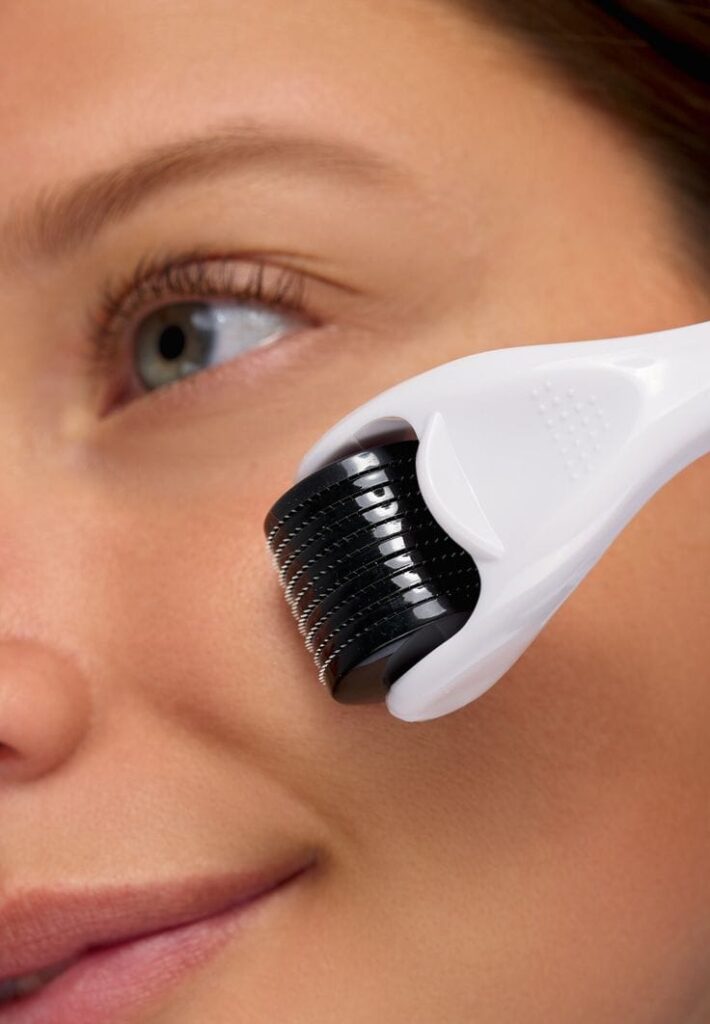
If you remember one thing from this spicule serum vs derma roller breakdown, remember this: a spicule serum works on the surface, a derma roller works underneath it. That single difference explains almost everything else about safety, results, and how each one should be used.
Spicule Serum Benefits
The spicule serum benefits that keep coming up in both marketing and independent reviews are fairly consistent, so let’s go through them honestly.
Better absorption of other actives. This is the single biggest, most research-backed benefit. Because spicules create tiny surface channels, whatever you apply next penetrates more effectively. This pairs especially well with hydrating serums like the one we reviewed in our La Roche-Posay Hyalu B5 Serum review.
Smoother texture. Regular use tends to soften rough patches and refine the look of pores, which is why spicule serum keeps showing up in “glass skin” routines.
Gentle exfoliation. The micro-channeling process also encourages surface cell turnover, giving skin a fresher look without a harsh chemical exfoliant.
Low barrier disruption. Compared to more aggressive actives, a well-formulated spicule serum tends to be gentler on the skin barrier, especially when paired afterward with something like our Vanicream Enhanced Moisturizer review.
No downtime. You can apply a spicule serum in the morning and still go about your day. No redness, no visible marks, no explaining to your coworkers why your face looks pink.
The honest caveat here is that a spicule serum benefits routine maintenance and mild concerns, but it’s not a replacement for genuine microneedling depth. If you’re chasing significant improvement in acne scarring, this alone probably won’t get you there.
Derma Roller Benefits
A derma roller earns its place for a different set of reasons, mostly tied to that deeper mechanical action.
Genuine collagen stimulation. Because the needles create real, controlled micro-injuries, your skin responds with an actual healing and remodeling process, not just surface renewal.
Better for scarring and deeper texture. Atrophic acne scars, enlarged pores, and fine lines tend to respond better to a derma roller than to any topical-only treatment.
Enhanced product penetration, at a deeper level. A derma roller can push actives further into the dermis than a spicule serum ever will, which is part of why so many people pair it with barrier-repair or hydrating formulas from our Best Non-Comedogenic Moisturizer guide immediately afterward.
More established clinical backing. Microneedling in general has decades of dermatology research behind it, including a comprehensive review published on the NCBI that documents its use for scars, wrinkles, and photo damage across skin tones.
The tradeoff, of course, is that a derma roller demands more respect. Wrong technique, dirty needles, or skipping aftercare turns a helpful tool into a source of irritation, infection, or even scarring.
Which One Gives Better Results?
Results really depend on what you’re targeting, so let’s separate this by concern.
For glow, hydration, and mild texture: spicule serum wins. It’s gentle enough for regular use and noticeably improves how well your other products absorb, especially serums built around hyaluronic acid, which we compare in depth in our Hyaluronic Acid vs Glycerin breakdown.
For acne scarring, deep texture, and fine lines: derma roller wins. The physical puncture depth simply reaches further than any topical spicule formula can, triggering a stronger collagen response over weeks of consistent use.
For daily maintenance: spicule serum wins, purely because of frequency. You can’t safely derma roll every day, but many spicule serums are formulated for regular use as part of a normal routine.
For dramatic, long-term structural change: derma roller wins, though it takes patience, consistency, and proper technique to get there safely.
Realistically, this is less about picking an outright champion and more about matching the tool to your goal, which we’ll cover next.
Who Should Choose a Spicule Serum?
A spicule serum is the better fit if any of this sounds like you.
You’re new to at-home microneedling and want to test the waters gently. You have sensitive, reactive, or easily irritated skin. You’re mainly chasing glow, smoother texture, and better product absorption rather than treating deep scarring. You want a treatment with zero downtime that fits into a daily or near-daily routine. You’re not comfortable with needles, visible redness, or the idea of controlled bleeding.
Who Should Choose a Derma Roller?
A derma roller makes more sense if you fall into this group instead.
You’re specifically targeting acne scars, enlarged pores, or fine lines and have already tried gentler options. Your skin tolerates active ingredients well and isn’t currently reactive or compromised. You’re willing to commit to proper sterilization, technique, and a slower, more disciplined routine. You understand and accept the small amount of downtime that comes with deeper needling. You’ve consulted a dermatologist, especially if you have any history of scarring or skin conditions.
Can You Use Both Together?
Yes, but not on the same day, and not without a plan.
Some estheticians recommend using a derma roller every one to two weeks for deeper renewal, and a spicule serum on the days in between for maintenance and glow. This layered approach lets you get structural benefits from the roller while keeping daily absorption and texture support from the serum.
Never derma roll and use a spicule serum in the same session. Doing both at once compounds the micro-injury to your skin barrier and significantly raises your risk of irritation, especially if you’re also using PDRN-based products, which we discuss in our Rejuran Turnover Ampoule vs Anua PDRN Cream comparison.
If you’re combining either treatment with actives like retinol or peptides, timing matters too. Our Peptides vs Retinol guide walks through how to layer actives without overwhelming your skin barrier.
Best Spicule Serums in 2026
We researched dozens of spicule serums currently sold worldwide and narrowed it down to three that consistently stand out for formulation quality, spicule sourcing, and real user results.
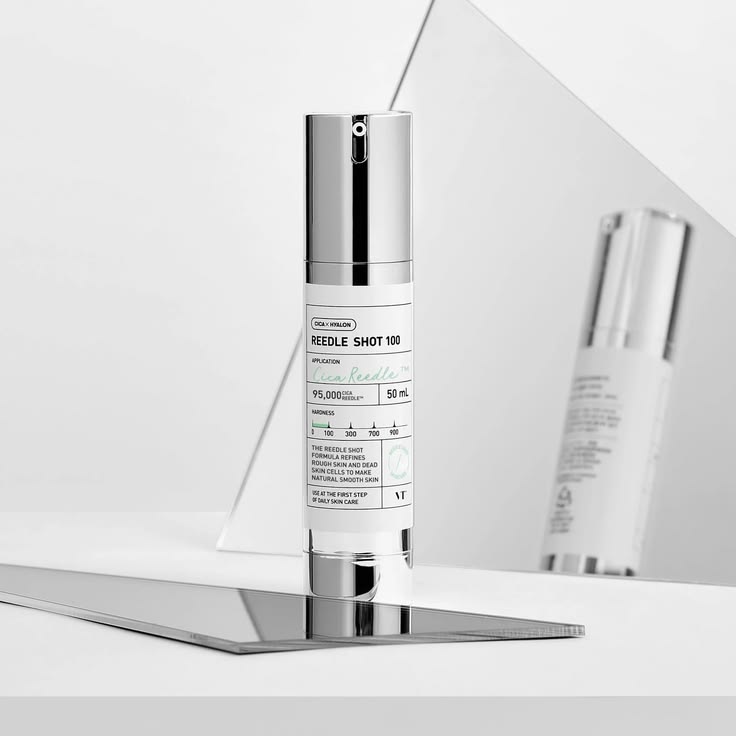
1. VT Cosmetics Reedle Shot (100 / 300 / 700)
This is the product that arguably started the spicule serum trend outside Korea, and it’s still the most recognized name in the category. The Reedle Shot uses “Cica Reedles,” spicules made from hydrolyzed marine sponge silica coated in a soothing centella complex, and comes in four strengths so you can start gentle and build up.
What we like: the tiered strength system makes it beginner-friendly, and the centella asiatica content helps offset any redness from the spicules themselves. It also layers well with barrier-supportive products, similar to what we recommend in our IUNIK Beta Glucan Power Moisture Serum review.
For the full breakdown, read our dedicated VT Cosmetics Reedle Shot review.
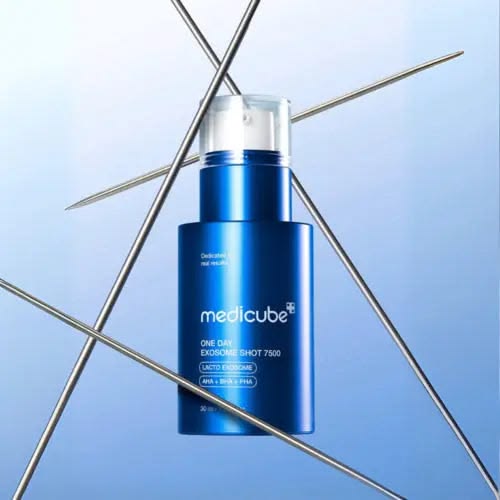
2. Medicube Exosome Shot Zero (2,000 / 7,500 PPM)
Medicube combines spicule technology with exosome-inspired ingredients and a gentle AHA, BHA, PHA blend, making this a strong pick if pore texture and mild exfoliation are your main goals alongside the spicule benefit.
What we like: the dual-strength options let oily and combination skin types push toward the higher PPM count, while drier or more reactive skin types can stay at the gentler tier. It’s a good pairing with lightweight hydrators rather than heavy occlusives.
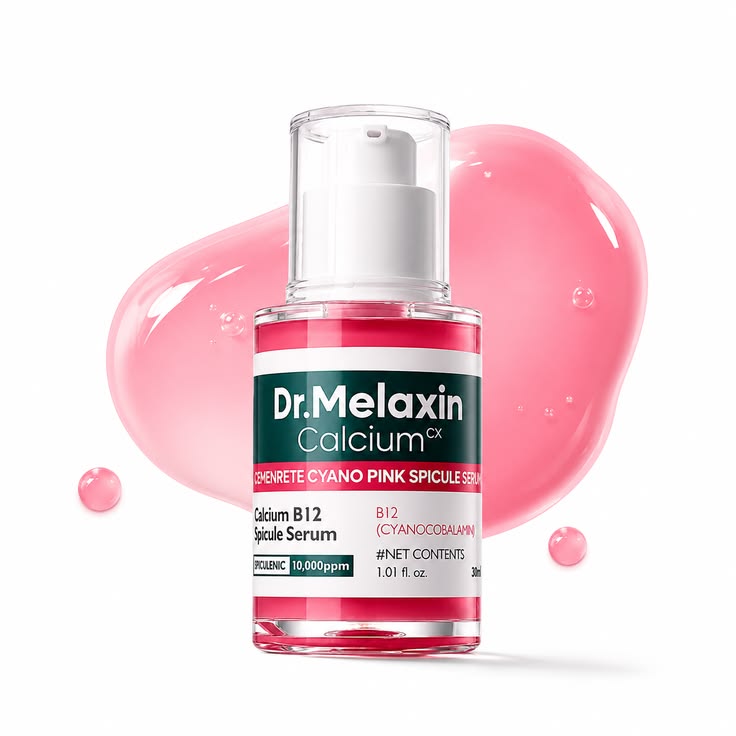
3. Dr. Melaxin Cyano Pink Spicule Serum
Formulated with hydrolyzed sponge spicules alongside a high concentration of vitamin B12, niacinamide, and hyaluronic acid, this one leans more clinical in its positioning, with a formula built around brightening and firming rather than just texture.
What we like: the added niacinamide gives it a multitasking edge for tone and pore appearance, on top of the standard spicule serum benefits. It’s a solid option if you want visible brightening alongside the absorption boost.
Best Derma Rollers in 2026
For the derma roller side, we focused on tools that dermatologists and licensed aestheticians actually recommend, prioritizing needle quality, hygiene design, and consistency across the roller head.
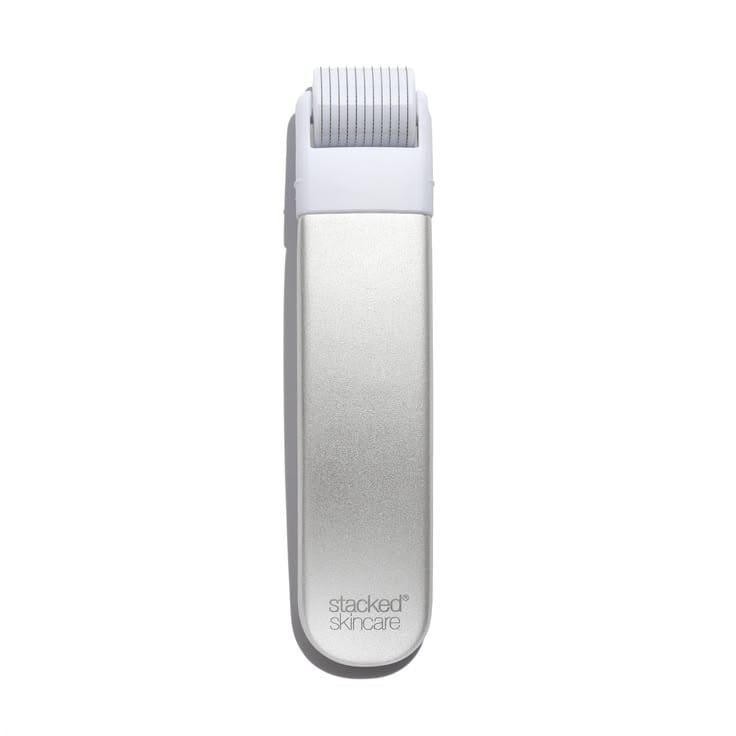
1. StackedSkincare MicroNeedling Skin Refining Tool
Designed by a licensed aesthetician, this derma roller is one of the most frequently recommended options among skincare professionals for at-home use. It’s built with an ergonomic handle and consistent needle spacing, which matters more than people realize for even results.
What we like: the quality control here reduces the risk of uneven or bent needles, which is one of the most common safety issues with budget derma rollers. Pair it with a soothing spray afterward, similar to what we cover in our Hypochlorous Acid Spray guide.
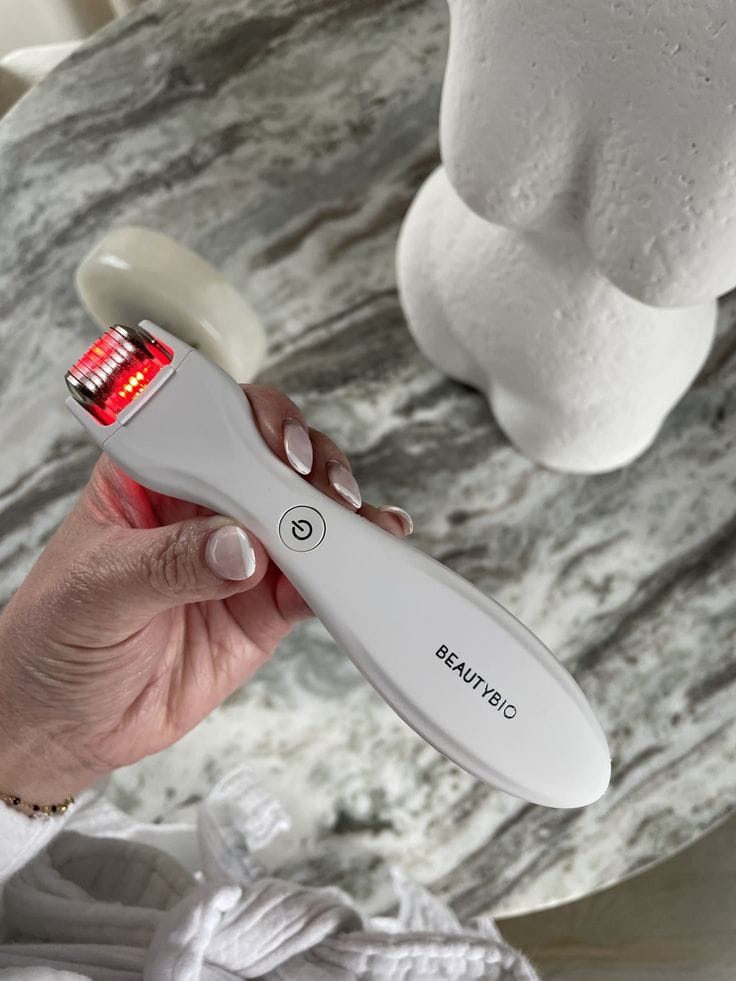
2. BeautyBio GloPRO Microneedling Tool
This is a slightly different format, a motorized microneedling tool rather than a manual roller, but it’s consistently named a top pick by dermatologists for at-home use. It includes a red LED light feature aimed at supporting the skin’s response after treatment.
What we like: the replaceable head system keeps hygiene simple, since you’re swapping a component rather than replacing the entire device. It’s a solid step up if you’ve already tried a basic manual roller and want more consistency.
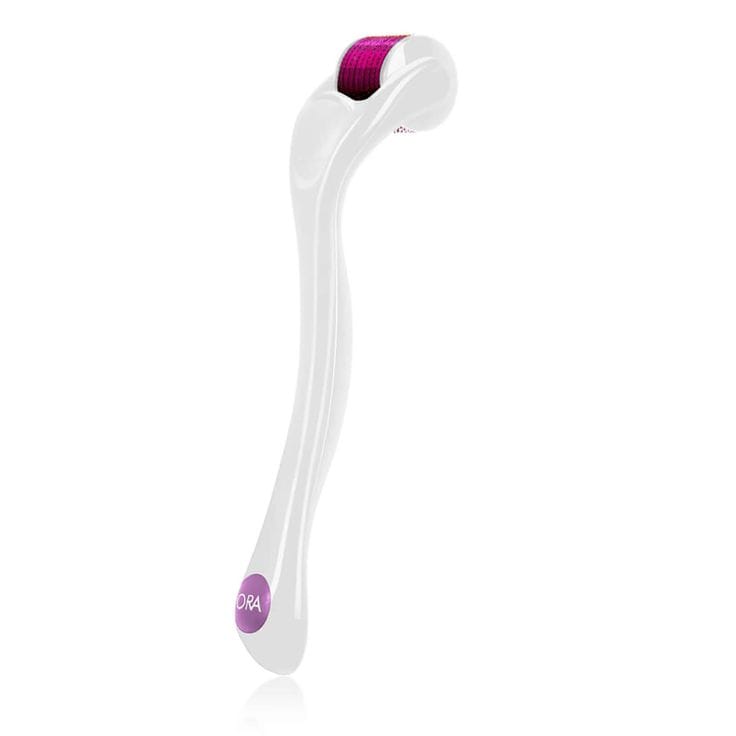
3. ORA Microneedle Face & Full Body Roller Kit
This kit stands out for its versatility, with multiple head attachments made from fine titanium needles suitable for different areas, including more delicate zones like under the eyes.
What we like: the multi-head design means you’re not using the same roller intensity on your cheeks that you’d use near your eyes, which is a smart safety feature for beginners still learning proper technique. Just make sure to follow it with a gentle, fragrance-free moisturizer, like the one in our La Roche-Posay Toleriane Double Repair review.
How to Use Each Safely
For spicule serum: cleanse first, apply to dry skin, pat gently rather than rubbing, and follow with a hydrating or barrier-supportive layer. Start with the lowest strength available and build up gradually. Avoid combining with strong acids or retinoids on the same night until you know how your skin responds.
For derma roller: always sterilize the roller with isopropyl alcohol before and after every use. Cleanse skin thoroughly first. Roll gently in vertical, horizontal, and diagonal directions, without pressing down hard. Never roll over active breakouts, open wounds, or irritated skin. Stick to once every one to two weeks for most at-home needle lengths, and always follow with a soothing, fragrance-free product.
Whichever you choose, sun protection afterward is non-negotiable. Freshly treated skin is more vulnerable to UV damage, so pairing either treatment with a reliable SPF, like the options we compare in our SPF 30 vs SPF 50 guide, matters more than people expect.
Aftercare: What to Pair With Either Treatment
Regardless of which side of the spicule serum vs derma roller decision you land on, aftercare is where a lot of people drop the ball.
After a spicule serum, a lightweight hydrating layer works best. Something like our recommendations in the Best Vitamin C Serum for Sensitive Skin guide can work well on non-treatment days, but immediately after a spicule serum, stick to plain hydration and barrier support.
After a derma roller, skin needs more deliberate calming. Avoid active ingredients like retinoids, vitamin C, or exfoliating acids for at least 24 hours. A simple, barrier-focused moisturizer, similar to what we outline in our Vanicream Enhanced Moisturizer vs Daily Facial Moisturizer comparison, is the safer choice immediately post-treatment.
In both cases, mineral sunscreen is generally the gentler pick for freshly treated skin, and our Mineral vs Chemical Sunscreen guide breaks down why that distinction matters more right after either treatment.
Final Verdict — Which One Wins in 2026?
If we’re naming an overall winner for most people, most of the time, spicule serum takes it, mainly on the strength of its safety profile, zero downtime, and genuine research backing for absorption benefits. It fits into more routines, works for more skin types, and carries a much smaller list of things that can go wrong.
That said, a derma roller isn’t losing this comparison because it’s a worse tool. It’s simply a more serious one, built for people chasing deeper structural results like scarring and fine lines, and willing to put in the discipline that proper technique and hygiene require.
The honest answer to spicule serum vs derma roller isn’t really “pick one forever.” It’s “start with the spicule serum, and add a derma roller later if your goals genuinely call for it.” That’s the safest, most realistic path for almost anyone reading this in 2026.
Frequently Asked Questions
Is a spicule serum the same as microneedling?
No. Dermatologists are clear that a spicule serum works only at the surface layer of skin and isn’t a true substitute for mechanical microneedling, even though it’s often marketed using that language.
Can I use a spicule serum every day?
Many formulas are designed for frequent use, but it still depends on your skin’s tolerance and the specific product’s strength. Start a few times a week and build up.
How often should I use a derma roller at home?
Most at-home needle lengths are recommended once every one to two weeks, giving your skin time to fully recover between sessions.
Which one is better for acne scars?
A derma roller generally performs better for scarring, since it reaches deeper into the skin than a topical spicule formula can.
Is a spicule serum safe for sensitive skin?
Generally yes, more so than a derma roller, but it’s still worth patch-testing first and starting with the gentlest strength available.

3 thoughts on “Spicule Serum vs Derma Roller: Proven Winner for 2026”