
Ultra Violette Supreme Sunscreen Review: Does It Live Up to TikTok? (Proven Results in 2026)
If you’ve spent any time on TikTok’s “GRWM” side over the last few months, you’ve probably seen someone patting on a slightly shimmery, dewy-finish sunscreen before their foundation and calling it a “skin-tinting SPF miracle.” That product is almost always Ultra Violette Supreme Screen — specifically the newer Sequin Supreme version — and it’s become one of the most talked-about sun care launches of 2026.
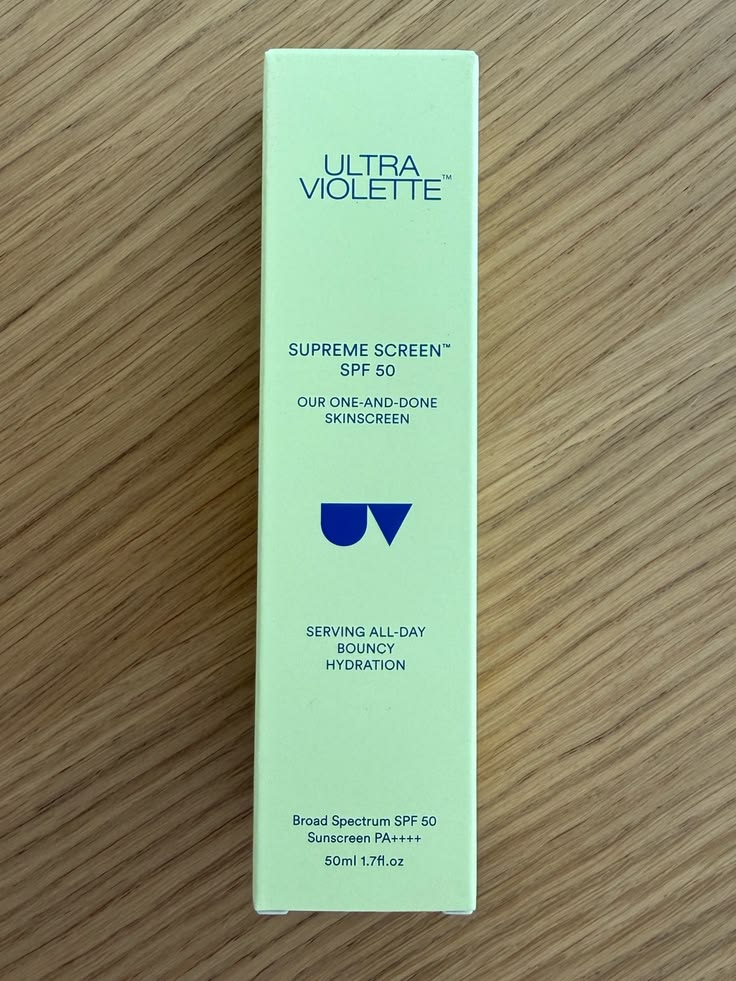
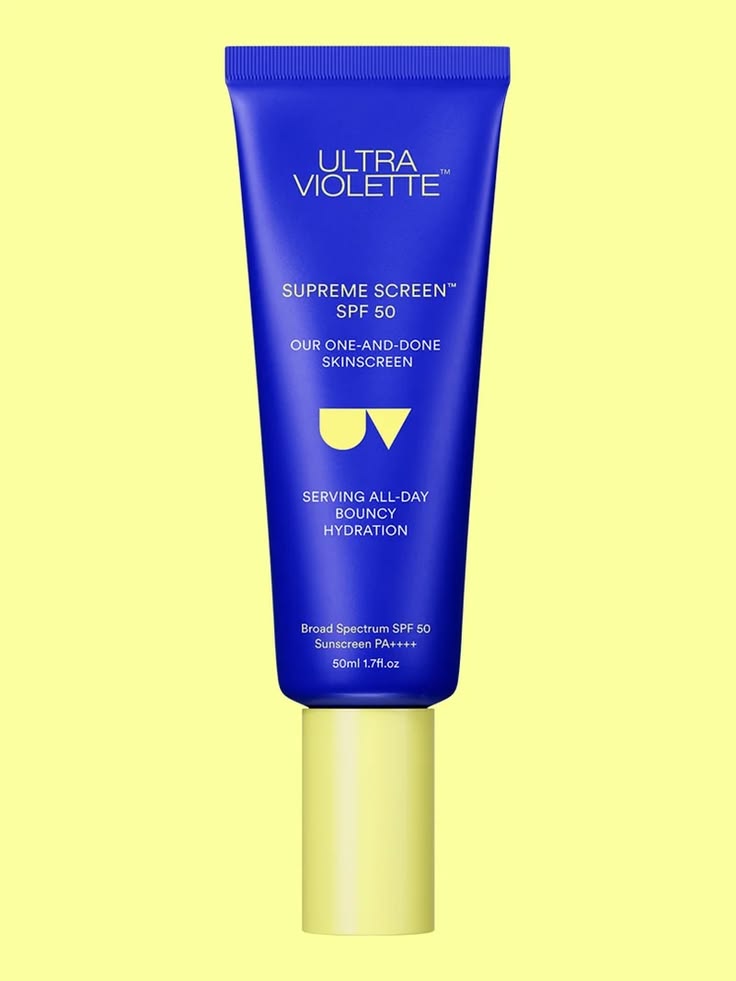
This Ultra Violette Supreme sunscreen review exists because we kept getting the same question from readers: is this Australian SPF actually worth the hype, or is it just another viral moment that fades by next season? We pulled the full ingredient list, compared it against the brand’s own clinical testing claims, and looked at how it performs across different skin types — including oily and combination skin, which is where most sunscreens tend to fall apart.
By the end of this Ultra Violette Supreme sunscreen review, you’ll know exactly what’s inside the formula, who it’s actually good for, and whether it deserves a spot in your routine.
Affiliate Disclosure: This post contains affiliate links. If you purchase through these links, Review Dermatica may earn a small commission at no extra cost to you. This helps us keep producing independent, research-backed skincare content. Read our full affiliate disclosure here.
Editorial Note: This article was researched and written by the Review Dermatica editorial team, with clinical and formulation insights reviewed by co-founder Tahmina Zannat Lamya. We do not accept payment from brands for positive coverage — every product mentioned is evaluated on ingredient science, published clinical data, and real-world performance.
Quick Summary: Ultra Violette Supreme Sunscreen Review
- Broad-spectrum SPF 50 sunscreen from Australian brand Ultra Violette, doubles as moisturizer + makeup primer.
- Uses chemical UV filters (Octocrylene, Homosalate, Octisalate, Avobenzone) — no white cast on any skin tone
- Key hydrating actives: Pentavitin (up to 72-hour hydration) and squalane for barrier support
- Sequin Supreme version adds light-reflecting mica for a soft, glowy “sequin” finish.
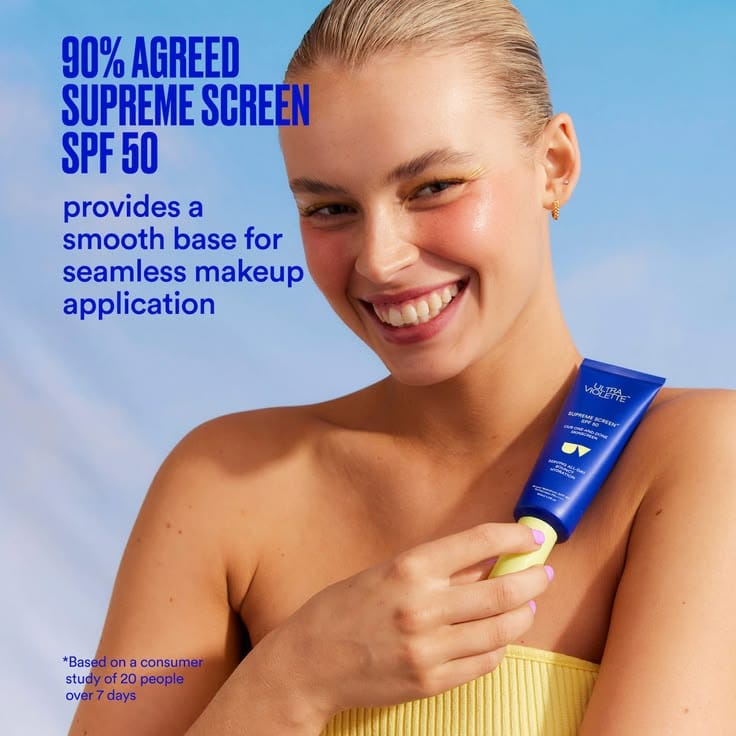
- Consumer study: 90% agreed it blends seamlessly under makeup, 100% said it absorbs easily
- Good for combination-to-oily skin; very oily skin types may need a light powder touch-up by afternoon
- Not ideal for highly sensitive/reactive skin due to chemical filter base
- Premium price point, but formula backs up most of its viral TikTok claims.
- Bottom line: Yes, it largely lives up to the hype — especially for anyone wanting a hydrating, glow-finish SPF that skips extra routine steps
What Is Ultra Violette Supreme Screen, Exactly?
Ultra Violette is an Australian skincare brand that built its reputation almost entirely on sunscreen — which, in a market flooded with SPF-as-an-afterthought products, is a meaningful distinction. The original Supreme Screen launched as a hydrating, primer-like SPF 50+ daily sunscreen. The newer Sequin Supreme version takes that same base formula and adds a soft-focus, glow-boosting twist using light-reflecting mica.
Both versions of Ultra Violette Supreme Screen are broad-spectrum, meaning they protect against UVA and UVB rays, and both are marketed as multi-taskers: sunscreen, moisturizer, and makeup primer rolled into one step. That “one-and-done” positioning is a big part of why this Ultra Violette Supreme Screen review keeps coming up in reader requests — people don’t want a five-step morning routine anymore, and Ultra Violette is betting its entire brand on that shift.
Ultra Violette Supreme Screen Ingredients: The Full Breakdown
This is the part most influencer content skips, and it’s the part that actually matters. Here’s what’s doing the work in the formula, based on the ingredient list and labeling.
UV Filters (Active Ingredients):
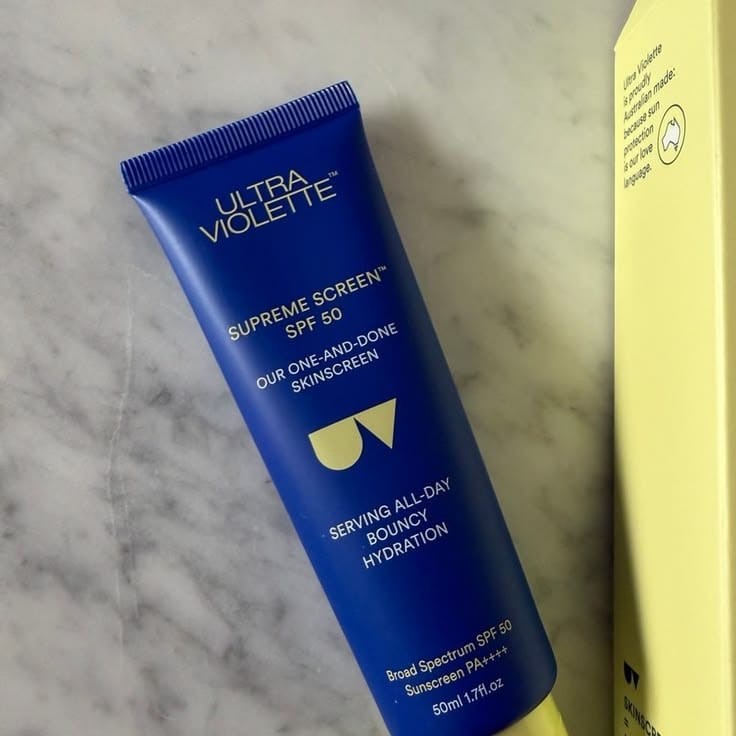
Ultra Violette Supreme Screen uses a chemical (organic) filter system, including Octocrylene, Homosalate, Octisalate, and Avobenzone, along with newer-generation filters like Bemotrizinol and Methylene Bis-Benzotriazolyl Tetramethylbutylphenol in some formulations. This is a broad-spectrum combination, meaning it’s designed to absorb both UVA and UVB radiation rather than physically block it the way mineral filters do.
If you have very reactive or rosacea-prone skin, chemical filters can occasionally cause stinging, so patch-testing this one is worth doing before committing to a full-size bottle.
Hydration and Skin-Feel Ingredients:
- Pentavitin – a plant-based ingredient that binds to skin’s outer layer and is marketed to provide hydration for up to 72 hours between applications
- Squalane – a lightweight, non-comedogenic emollient that mimics skin’s natural sebum and helps reinforce the skin barrier
- Mica – the ingredient responsible for the “sequin” glow finish, giving soft-focus light reflection without visible glitter
What It’s Free From:
The brand markets this Ultra Violette Supreme sunscreen as free of parabens, formaldehyde-releasing agents, phthalates, mineral oil, oxybenzone, and sulfates (SLS/SLES), and it’s formulated as cruelty-free.
For anyone specifically researching Ultra Violette Supreme Screen ingredients before buying, the short version is this: it’s a well-engineered chemical sunscreen with legitimate hydrating actives, not just a pretty finish with no substance behind it.
Texture, Finish, and Wear Test
On skin, Ultra Violette Supreme Screen applies as a lightweight lotion that sits somewhere between a serum and a primer. It doesn’t leave a white cast — unsurprising, since it uses chemical rather than mineral filters — and the Sequin version leaves a soft, lit-from-within shimmer rather than obvious glitter or sparkle.
According to the brand’s own consumer study (20 participants over 7 days), 90% agreed the sunscreen blended seamlessly into skin for makeup application, 100% agreed it absorbed easily, and 90% agreed it hydrated without feeling heavy. Independent reviewers echo this: multiple long-term testers describe it as one of the more “cosmetically elegant” sunscreens they’ve tried, with no pilling, greasiness, or dryness over a full day of wear, even in hot, humid conditions.
Where it can fall short: a small number of users report pilling specifically when layered under certain silicone-heavy foundations, so if you’re prone to product pilling, apply a thin, fully-absorbed layer and wait 60–90 seconds before makeup.
Ultra Violette Supreme Screen for Oily Skin: Is It Actually Suitable?
This is one of the most common searches tied to this product, and for good reason — a lot of “glowy” sunscreens turn into a slip-and-slide mess on oily skin by midday.
Supreme Screen sits closer to a satin-dewy finish than a true glow oil, and the squalane and Pentavitin base is genuinely lightweight rather than occlusive. Oily-skin users generally report it wearing well through several hours without excessive shine breakthrough, though very oily or acne-prone skin types may want to set it with a light powder in the T-zone by early afternoon.
It is not marketed as mattifying, so if you have significantly oily skin and want a fully matte finish, this may not be your first pick — but for combination and normal-to-oily skin, it performs comfortably.
Pros and Cons
What we liked:
- Broad-spectrum SPF 50 with a well-rounded, modern chemical filter system
- Genuinely hydrating base (Pentavitin, squalane) rather than a bare-bones SPF
- No white cast, wears beautifully under makeup
- Doubles as a primer, cutting a step from your morning routine
- Backed by consumer testing data, not just marketing claims
What to watch for:
- Chemical filters may not suit very reactive or sensitized skin
- Can pill under certain silicone-based foundations if over-applied
- Premium price point compared to drugstore SPF options
- Not a true matte finish for very oily skin types
Ultra Violette Supreme Sunscreen Review: Final Verdict
So, does it live up to the TikTok hype? Mostly, yes. This isn’t a case of viral marketing outrunning the formula — the ingredient list backs up most of the performance claims, and the hydration-plus-glow-plus-SPF combination genuinely solves a real problem for people who don’t want to layer five products before makeup.
If you’re comparing sunscreen finishes and formats more broadly, our SPF 30 vs SPF 50 breakdown and our mineral vs chemical sunscreen guide are good next reads before you buy.
Best Spicule Serums Worldwide (3 Top Picks)
Spicules are having a real moment right now, often marketed as “microneedling in a bottle.” They’re derived from hydrolyzed freshwater sponge and work by creating temporary micro-channels in the skin’s outermost layer, which can boost the absorption of active ingredients and improve surface texture. It’s worth being clear about what they can’t do: a spicule serum works on the surface layer only and cannot replicate the deeper collagen remodeling of professional microneedling devices.
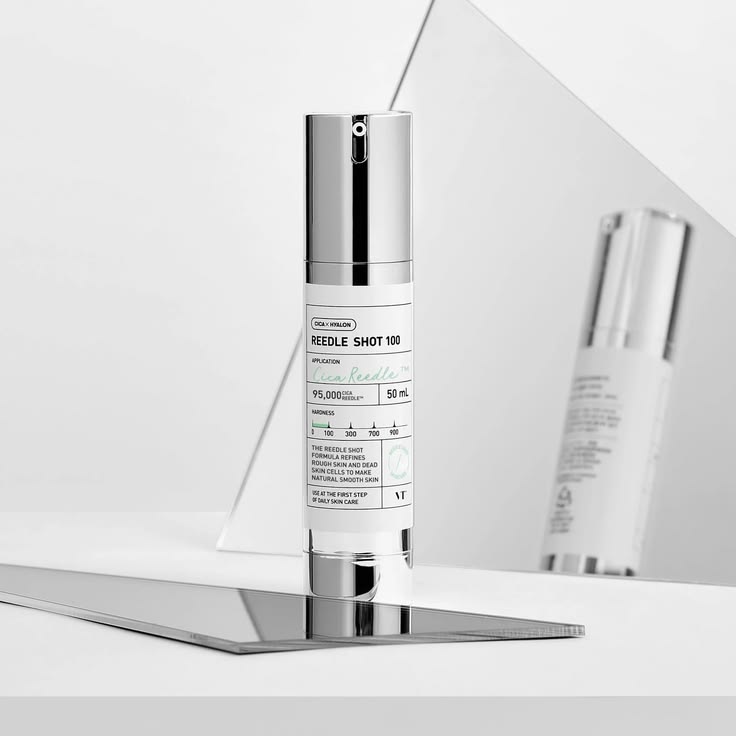
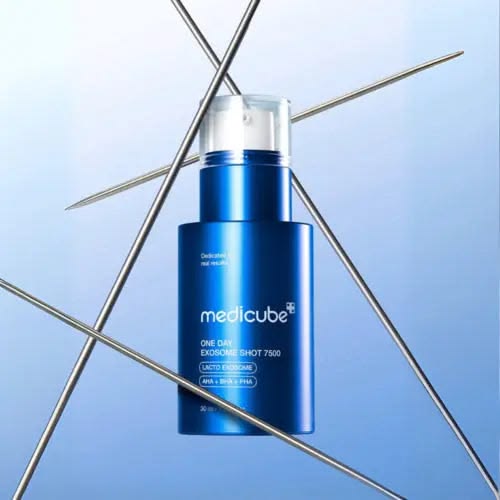
VT Cosmetics Reedle Shot
The product that arguably started the mainstream spicule trend. It combines spicules with niacinamide and soothing ingredients to target texture and pore appearance. We covered this in full detail in our VT Cosmetics Reedle Shot review, including how it compares to newer spicule launches.
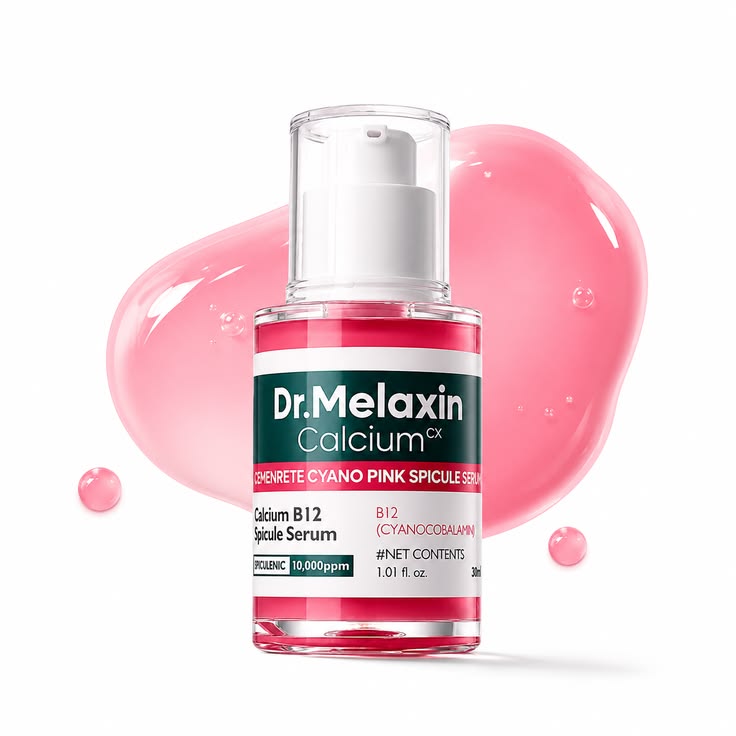
Dr.Melaxin Cyano Pink Spicule Serum
This one pairs hydrolyzed sponge spicules with a high concentration of Vitamin B12, plus niacinamide, collagen, and hyaluronic acid. It’s positioned for pore tightening, brightening, and reducing the look of dark circles, and it’s suitable for the eye area as well as the face — though it should be avoided on broken or highly sensitive skin.
Picomonte Rich Essence Spicule Serum
A gentler entry point into spicule skincare, built around a lighter essence base. It works well layered under heavier actives like retinol or vitamin C, similar in spirit to how we approached layering in our Peptides vs Retinol comparison.
Best Derma Rollers Worldwide (3 Top Picks)
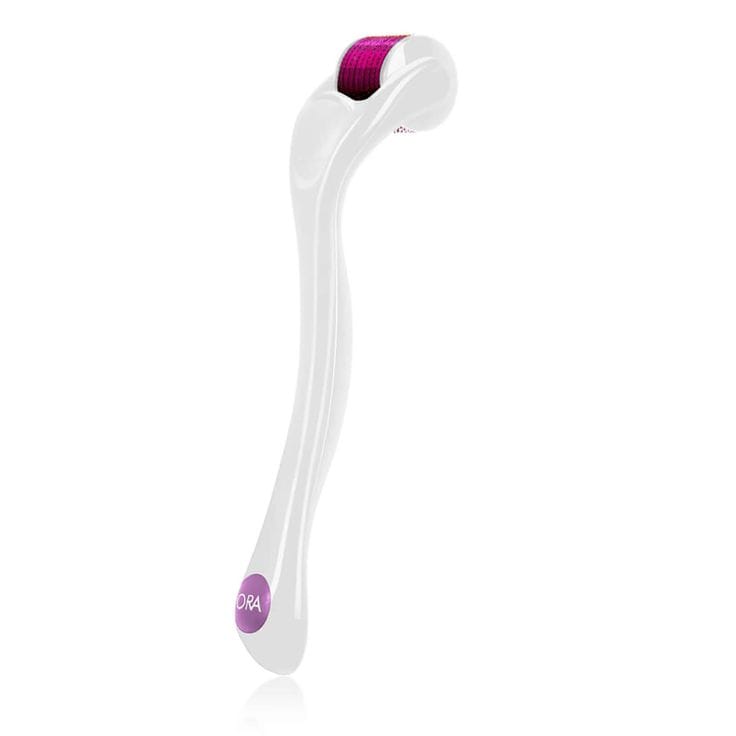
Derma rollers work through mechanical microneedling — real, physical needles (usually titanium or stainless steel) that create controlled micro-injuries to stimulate the skin’s natural collagen response. Unlike spicule serums, these go deeper, which means proper hygiene and gentler needle lengths for home use are essential.
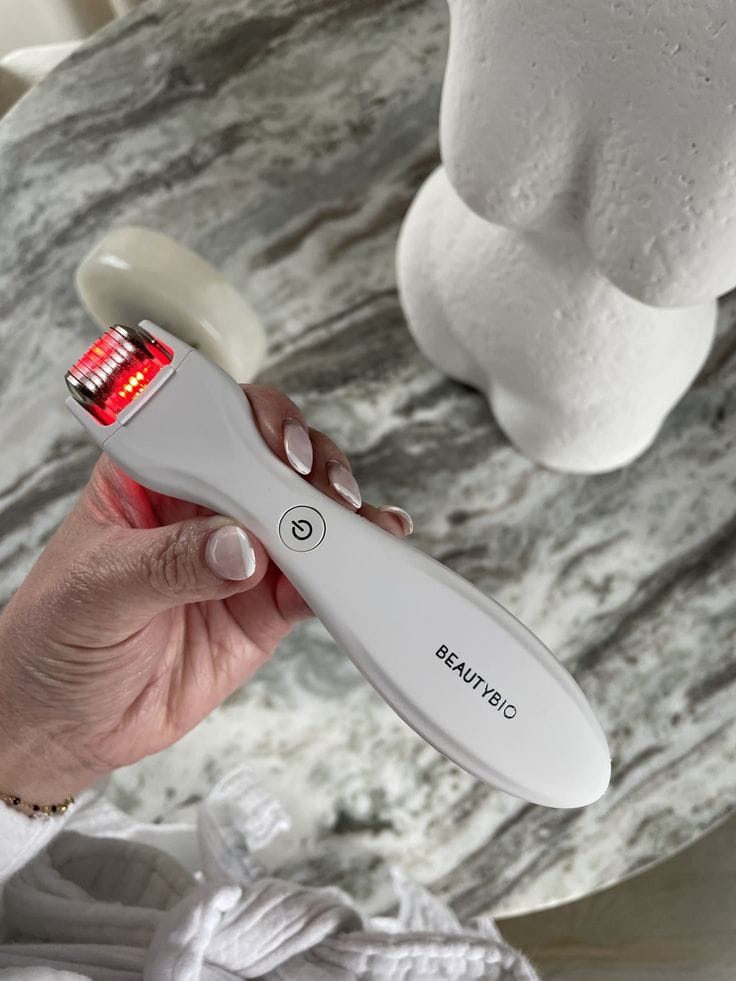
BeautyBio GloPRO Microneedling Regeneration Tool
A globally recognized, dermatologist-referenced device that uses micro-cosmetic needling to boost product absorption and support smoother-looking texture over time. It’s a favorite among skincare editors for its build quality and consistency.
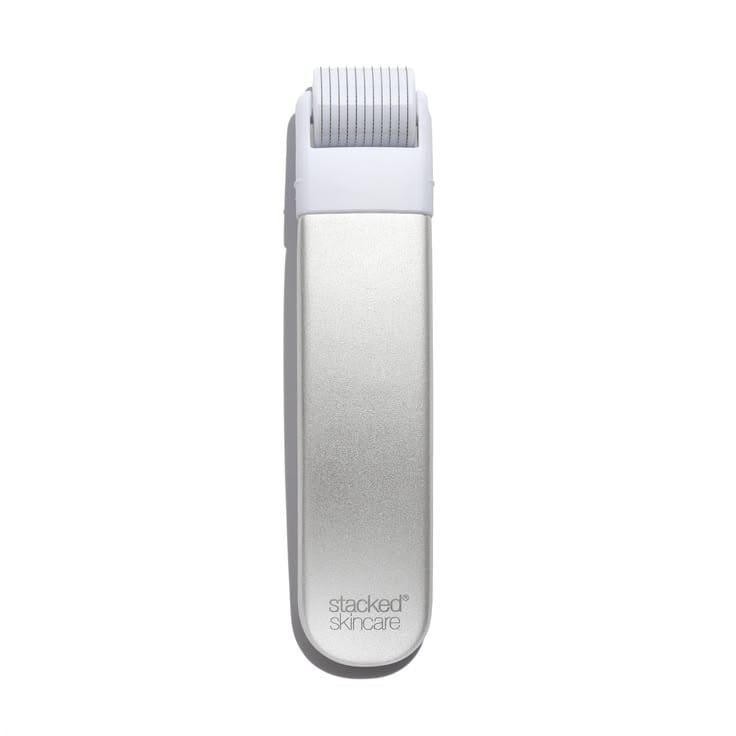
StackedSkincare Micro-Roller
A titanium-needle roller designed specifically for at-home use, widely recommended for beginners easing into microneedling. It pairs well with barrier-supportive serums — something we touched on in our beta-glucan explainer, since freshly-rolled skin benefits from calming, barrier-repairing ingredients afterward.
Sdara Skincare Derma Roller
One of the most popular budget-friendly options worldwide, with a 0.25mm titanium needle size that’s beginner-safe for face use. It’s a solid starting point if you want to test whether microneedling suits your skin before investing in a premium device.
How to Safely Combine Sunscreen, Spicules, and Derma Rolling
A quick but important note: if you’re using a derma roller or spicule serum, sun protection becomes non-negotiable, not optional. Freshly-microneedled skin is more vulnerable to UV damage and pigmentation, so applying a broad-spectrum SPF like Ultra Violette Supreme Screen the following morning — and every morning after — is essential to protect your results.
Never derma roll and apply active ingredients like retinol or vitamin C on the same day; give your skin at least 24 hours to recover. If you’re building out a full barrier-support routine around microneedling, our skin barrier and beta-glucan guide and our hyaluronic acid vs glycerin comparison are useful next steps.
Frequently Asked Questions
Is Ultra Violette Supreme Screen good for sensitive skin?
Yes, but with caution. It features modern broad-spectrum chemical filters (Tinosorb S, Uvinul A Plus) alongside hydrating glycerin and kakadu plum, making it generally gentle. However, organic UV filters can still trigger stinging on hyper-reactive skin, rosacea, or damaged barriers. Patch-test on your jawline for 24 hours first; if severe redness or burning occurs, switch to a zinc-oxide mineral sunscreen.
Does Ultra Violette Supreme Sunscreen leave a white cast?
No, it absorbs completely and is invisible on all Fitzpatrick skin tones. Since it uses next-generation organic chemical UV filters rather than physical blocks like Titanium Dioxide or Zinc Oxide, there are no chalky residues. It leaves a hydrating, dew-luxe glow with zero grey cast, making it an excellent moisturizing base under makeup.
Can I use spicule serums and derma rollers together?
you should never combine them in the same skincare session. Both spicules (micro-needles derived from marine sponges) and derma rollers create physical micro-channels in the epidermis to enhance active penetration. Stacking both triggers severe micro-trauma, mechanical friction, and acute barrier disruption, leading to contact dermatitis, prolonged erythema, and post-inflammatory hyperpigmentation (PIH). Alternate them on separate weeks instead.
How often should I use a derma roller?
For standard at-home 0.25mm needles, limit usage to 1–2 times per week max. This frequency allows the micro-punctures to stimulate epidermal turnover without overwhelming your stratum corneum. Always allow a full 72-hour recovery window between sessions, avoid active acids (AHAs/BHAs) or retinoids immediately after, and thoroughly sterilize your roller with 70% isopropyl alcohol before and after each use.
Does Ultra Violette Supreme Screen pill under makeup?
No. It formulates with lightweight emollients and hydrating humectants that sink directly into the skin without leaving a greasy film. Because it acts like a moisturizing primer, it grips foundation smoothly without pilling, balling up, or flaking—even when layered over heavy serums.
Is Ultra Violette Supreme Screen suitable for oily or acne-prone skin?
It works best for normal to dry skin types due to its satin-luxe finish. While it is non-comedogenic and won’t clog pores, those with very oily skin or active acne breakouts might find its hydrating finish too dewy. If you have an oily T-zone, consider setting it with a light translucent powder.
How does Ultra Violette Supreme Screen protect against photoaging?
It features high broad-spectrum protection (SPF 50+) using advanced UV filters that block both UVA and UVB rays. Additionally, it is enriched with Kakadu Plum—a potent source of Vitamin C—which neutralizes free radicals, prevents collagen breakdown, and fights premature fine lines caused by sun damage.
Further Reading
For general, brand-neutral sunscreen safety and UV filter information, the American Academy of Dermatology’s sunscreen guidance (aad.org) and the FDA’s consumer page on sunscreen (fda.gov) are both solid clinical references worth bookmarking.
5 thoughts on “Ultra Violette Supreme Sunscreen Review: Does It Live Up to TikTok? (Proven Results in 2026)”