Kahi Wrinkle Bounce Multi Balm Review: Is It Worth It in 2026?
Every winter, the same thing happens. The heating goes on, the humidity drops, and by mid-afternoon your skin feels one size too small. Fine lines look deeper, lips crack, and makeup settles into every dry patch.
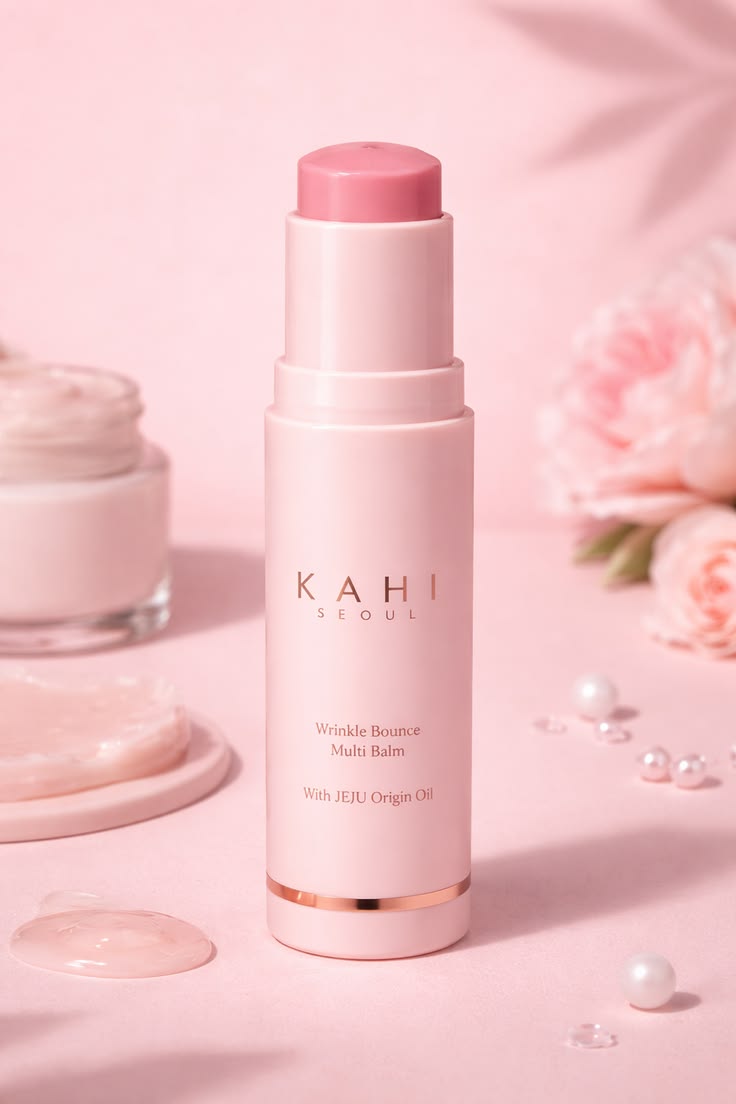
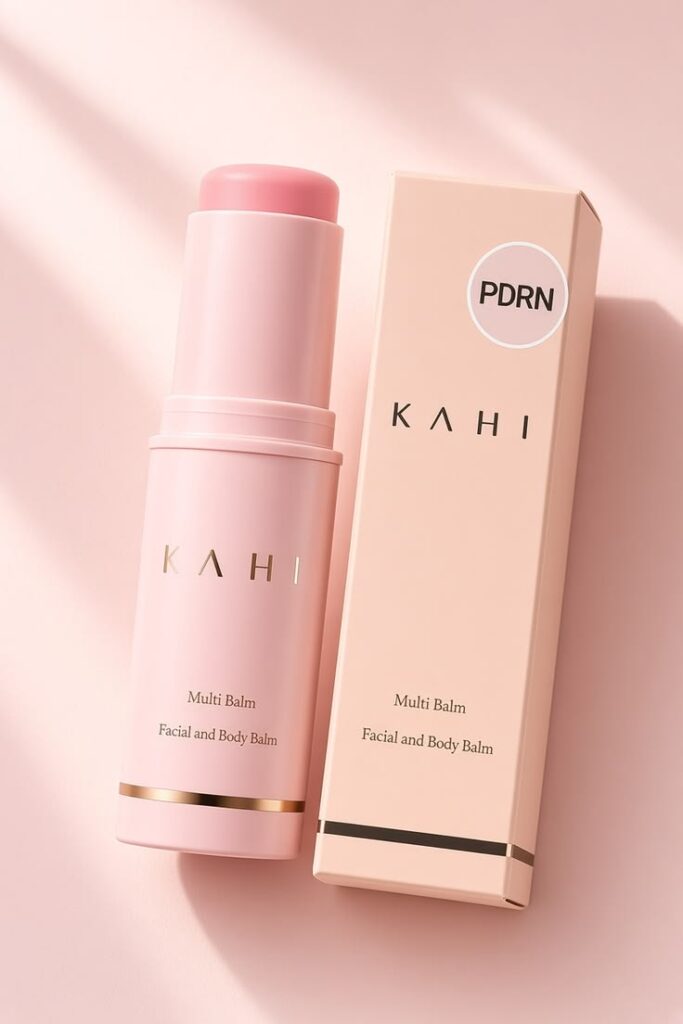
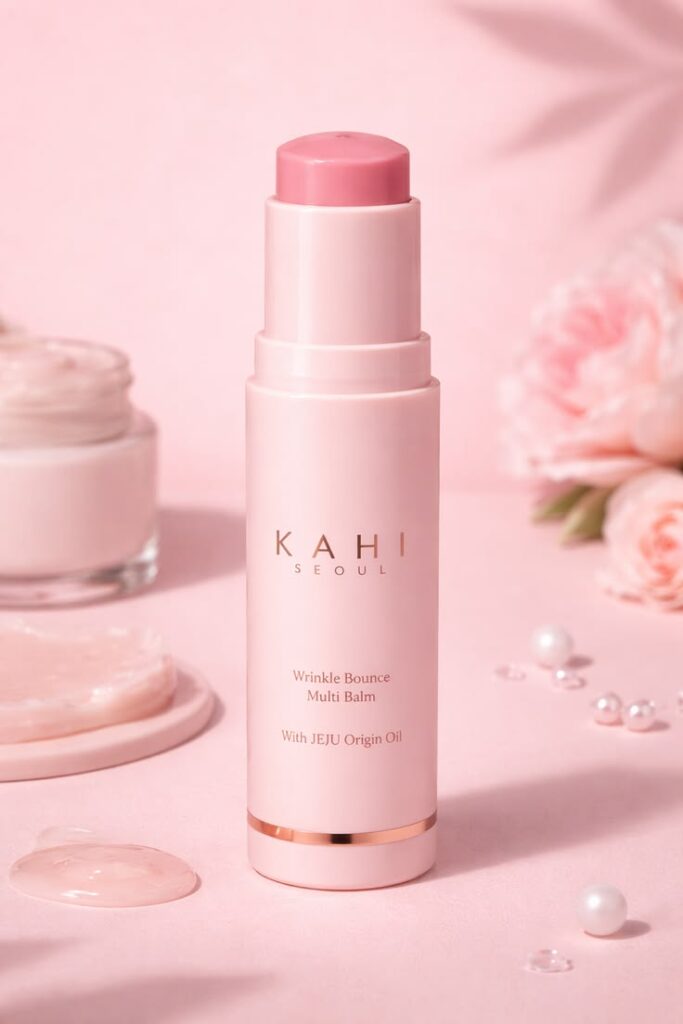
That is exactly when the Kahi Wrinkle Bounce Multi Balm starts showing up in your feed. It’s a small twist-up stick; it has been all over K-beauty pages and TikTok, and it promises hydration, smoother-looking skin, and a glow with one swipe.
But viral doesn’t mean right for you. A product can look wonderful in a fifteen-second clip and still leave your skin sticky, congested, or simply unchanged.
So in this Kahi Wrinkle Bounce Multi Balm review, we’re doing what we always do at Review Dermatica. We go ingredient by ingredient and claim by claim, with the actual research sitting next to the marketing.
One honest note before we start. We didn’t run a lab test. This review is built on the full ingredient list, published clinical studies, and patterns in shopper feedback across several retailers.
You’ll see what’s inside, what each active can realistically do, where the wrinkle claims fall short, and who should skip it. If you only want the short version, it’s right below.
Quick Summary
- What it is: a 9 g multi-use balm stick for face, lips, neck, under-eyes, dry patches, and even hair ends.
- Best for: dry, dehydrated, mature, or winter-stressed skin that needs a rich, portable top layer.
- What works: a rich base of shea butter, sunflower seed oil, and sweet almond oil, plus adenosine and licorice extract. It’s also easy to carry and sits well under makeup.
- What doesn’t: the collagen, salmon DNA, and proteoglycan are very unlikely to reach the deeper layers where wrinkles form. It also contains fragrance and several fragrance allergens.
- Watch out for: a sticky or oily feel, pilling under makeup, and breakouts in some shoppers.
- Typical price: roughly $20 to $40 depending on the seller.
- Our take: about 7.5 out of 10 as a winter moisturizing balm, and about 5 out of 10 as a wrinkle treatment.
Affiliate Disclosure
Review Dermatica is reader-supported. If you buy through a link on this page, we may earn a small commission at no extra cost to you. That never changes our verdict. We recommend products we’d be comfortable explaining to a friend, and we say so plainly when something falls short.
Editorial Team
This article was researched and written by Asim, founder and lead analyst at Review Dermatica. Clinical and formulation research is handled by our co-founder, Tahmina Zannat Lamya. This content is educational and isn’t medical advice. If you have eczema, rosacea, or persistent irritation, please talk to a board-certified dermatologist.
What Is the Kahi Wrinkle Bounce Multi Balm?
KAHI is a Korean brand that launched in 2020 and built its name on stick-format skincare. The Wrinkle Bounce Multi Balm is its signature product.
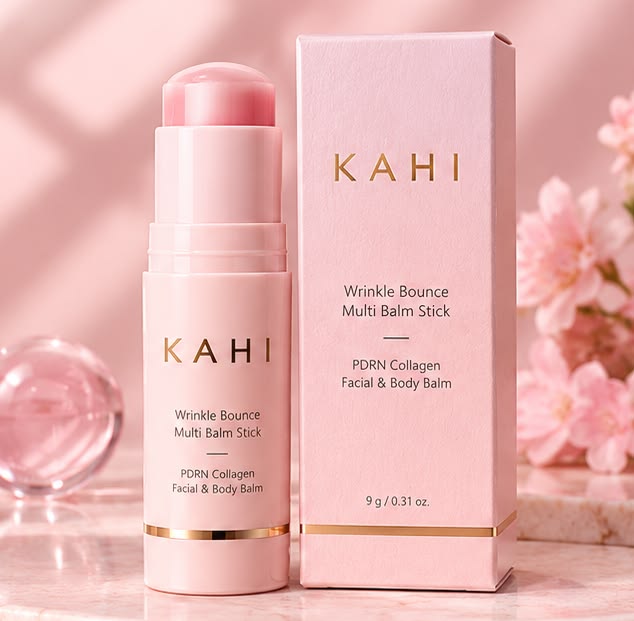
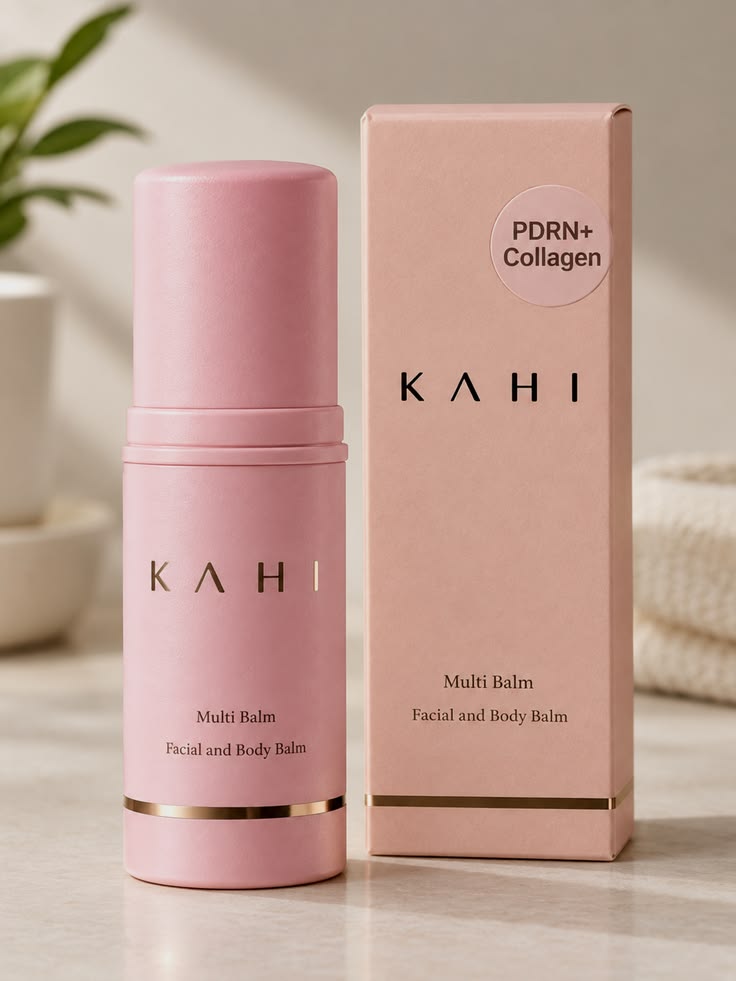
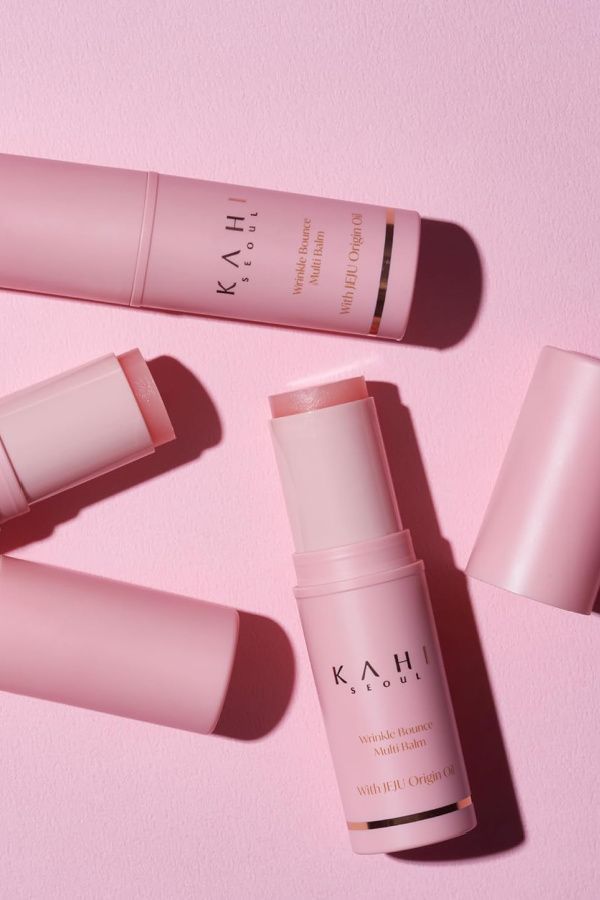
It comes in a 9 g twist-up tube. You turn the dial at the bottom to raise the balm, then swipe it over the area you want to treat. One retailer suggests raising it only about 5 mm at a time, which is sensible advice for a rich product.
The brand says you can use it on the face, lips, neck, smile lines, around the eyes, on dry patches, and on split ends. You can also layer it over or under makeup. Some stores list it as the Kahi Wrinkle Bounce Hydrating Multi Balm, and as far as we can tell, it’s the same stick with different wording.
The marketing leans on three ideas:
- A “salmon complex” built from salmon collagen, salmon PDRN (listed as sodium DNA), and soluble proteoglycan.
- Fermented oils from Jeju Island for glow and moisture retention.
- Visible wrinkle improvement “with one use.”
That third claim is the one we’ll test hardest later.
If the format sounds familiar, it should. Multi balm sticks have become their own category in K-beauty. We covered a close rival in our Medicube PDRN Pink Collagen Volume Multi Balm review, and the two share a lot of DNA, literally in some cases.
Why Winter Skincare Needs a Balm Like This
Before judging the balm, it helps to understand the problem it’s trying to solve.
Cold air holds very little moisture. When you heat that air indoors, the relative humidity drops even further. Your skin responds to that dryness in measurable ways.
A well-cited review in the Journal of the European Academy of Dermatology and Venereology concluded that low humidity and low temperatures lead to a general decrease in skin barrier function. The same review found skin becomes more reactive to irritants and allergens in those conditions.
In plain words, winter doesn’t only make skin feel dry. It makes the barrier leakier and the skin touchier.
The American Academy of Dermatology adds a point that explains why this balm is named what it is. Dry, cold air can make fine lines and wrinkles more noticeable. Much of that is dehydration, not permanent change, which is why a good moisturizer can make lines look softer within hours.
The AAD also advises using a cream or ointment instead of a lotion, and choosing fragrance-free products for dry skin. Keep both of those in mind. They matter later in this review.
A balm sits on the occlusive end of the moisturizer spectrum. It forms a protective layer that slows water loss, which is exactly what winter skin needs. If your skin is more dehydrated than dry, start with a hydrating base first. Our guide to the best moisturizers for dehydrated skin explains the difference, and our comparison of hyaluronic acid vs glycerin shows which humectants do the heavy lifting underneath a balm.
One more winter factor people forget is the water itself. Hard water can leave skin tight and dull, and we break that down in shower filter vs water softener.
Kahi Wrinkle Bounce Multi Balm Ingredients: What Is Actually Inside?
Here is the ingredient list as published by several retailers, in order: sunflower seed oil, polyglyceryl-2 triisostearate, candelilla wax, shea butter, sweet almond oil, apple seed oil, octyldodecanol, microcrystalline wax, a group of plant extracts, oil-soluble licorice extract, moringa seed oil, a Candida/Garcinia ferment, rice germ oil, schisandra extract, turmeric root extract, canola oil, carrot seed oil, hydrolyzed collagen, tocopherol, adenosine, water, butylene glycol, beta-carotene, tocopheryl acetate, soluble proteoglycan, sodium DNA, BHT, and fragrance with several fragrance components.
Formulas can change between batches, so always check the packaging on the tube you actually receive. Now let’s break the list into what matters.
The Base: Oils, Butters, and Waxes
This is the real engine of the product. Sunflower seed oil, shea butter, sweet almond oil, apple seed oil, rice germ oil, and moringa oil are all emollients. Candelilla wax and microcrystalline wax give the stick its shape and add an occlusive film.
Shea butter has the longest track record here. It’s rich in fatty acids and acts as an emollient and occlusive, which helps seal in moisture and support the barrier. Medical sources mostly back it for dry, rough, or irritated skin, especially in cold weather.
This base is why the balm feels comforting on chapped lips and flaky cheeks. It’s also the reason some people find it heavy. We’ll come back to that.
The Salmon Complex: PDRN, Sodium DNA, and Proteoglycan
This is the headline ingredient group, so let’s be fair to it.
PDRN stands for polydeoxyribonucleotide. It’s a DNA fraction, and in clinical medicine it has real credentials. A review of PDRN in wound healing reports that it can support cell growth, new blood vessel formation, and lower inflammation, partly by activating adenosine A2A receptors.
A newer systematic review of randomized trials found that PDRN and polynucleotide treatments improved wrinkle-related outcomes, scar quality, and wound healing. The most consistent results were in wound healing.
Here’s the catch. Most of that evidence comes from injections and clinic procedures, where the ingredient is placed beneath the skin’s outer barrier. A balm stick works on the surface. PDRN molecules are large, and the stratum corneum is built to keep large molecules out.
So the honest reading is this. PDRN has a strong scientific story, but the story doesn’t automatically transfer to a topical stick. Whether Kahi’s salmon DNA does anything beyond conditioning the surface hasn’t been shown in public clinical data that we could find.
If you want to understand how PDRN compares with other buzzy repair ingredients, read NAD vs PDRN and our breakdown of Rejuran vs Anua PDRN cream. For a lighter-weight take, the Anua PDRN Hyaluronic Acid 100 review is also worth a look.
Hydrolyzed Collagen
Collagen is the most overpromised ingredient in skincare, and this product leans on it.
Native collagen is a huge protein. Early research in the Journal of the Society of Cosmetic Chemists found that native collagen and its fragments did not cross intact skin. Hydrolyzed collagen is smaller, but it still works mainly at the surface.
At the surface, it does a decent job. It attracts and holds water, and it leaves skin feeling smoother. That’s useful in winter. What it can’t do is rebuild your own collagen from the outside.
Adenosine
Adenosine is the quiet overachiever on this list.
In a randomized, placebo-controlled study of 126 women aged 45 to 65, creams containing adenosine improved skin smoothness around the eyes after three weeks, with results holding at eight weeks. The cream also improved frown lines between the brows.
Two caveats matter. The women applied it twice daily for two months, so this is a slow-and-steady ingredient, not a one-swipe miracle. And we don’t know how much adenosine is in this balm, since brands rarely say.
Licorice Extract
The balm uses an oil-soluble licorice extract, which is the right type for a balm. The active compound most studied for brightening is glabridin, found in the oil-loving fraction of licorice root.
Laboratory and animal research shows glabridin can slow melanin-producing enzyme activity and reduce UVB-induced pigmentation and redness. That’s encouraging, but it’s early-stage evidence, and we can’t tell how much glabridin the extract here contains.
Treat it as a gentle brightening bonus, not a dark spot treatment. And if brightening matters to you, daily sunscreen matters more. Our Ultra Violette Supreme Screen review is a good place to start.
The Fragrance Question
Near the end of the list, you’ll find fragrance, followed by components like benzyl salicylate, hexyl cinnamal, citronellol, and others commonly flagged as potential allergens.
For many people, that’s fine. For reactive or compromised winter skin, it’s the biggest red flag in the formula, especially since dermatologists specifically recommend fragrance-free products for dry, sensitive skin. If that’s you, our guide to the best products for sensitive skin has safer options.
Does the Kahi Wrinkle Bounce Multi Balm Really Reduce Wrinkles?
Let’s separate what you’ll see tonight from what you might see in two months.
Tonight: Temporary Smoothing
Dry skin shows lines more sharply. When you coat it with emollients and a light film of humectants, the surface plumps and the lines soften. Add a little sheen and the skin looks fresher.
That’s real, and it’s why many people love this balm on first use. But it’s an optical and hydration effect. It isn’t structural repair.
Over Weeks: Possible Modest Gains
Adenosine has the best supporting data in the formula, and consistent use over six to eight weeks could improve smoothness around the eyes and between the brows. Licorice may add a small brightening effect.
Both are plausible. Neither is guaranteed at the unknown concentrations in this stick.
The “One-Time Wrinkle Improvement” Claim
This is marketing language, and we’d read it as “looks smoother after one application.” Even one retailer’s own FAQ admits it does not replace retinol or professional wrinkle treatments.
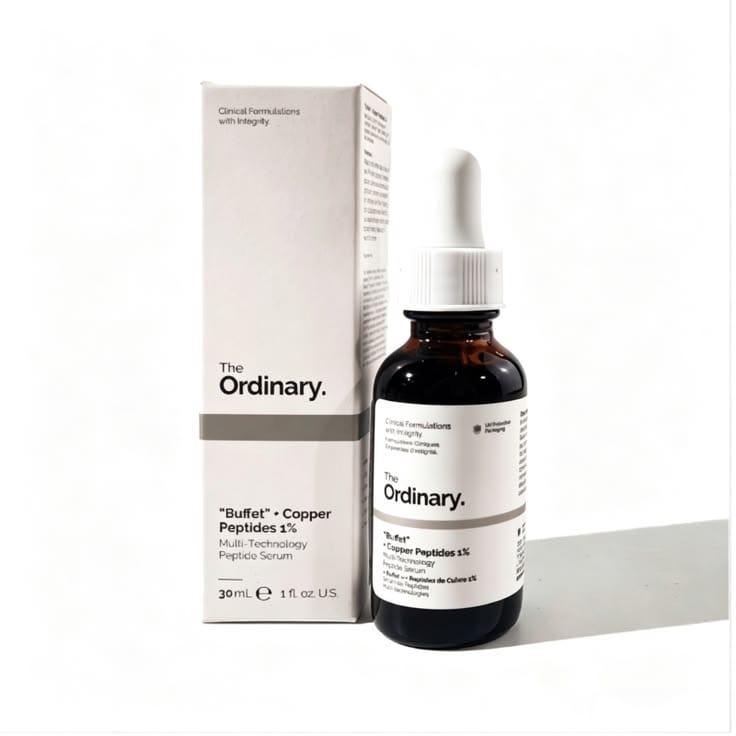
If wrinkles are your main goal, a balm is a finishing step. Retinoids, peptides, and sunscreen do the heavy lifting, and we compare the first two in peptides vs. retinol. A peptide serum like The Ordinary Buffet can sit comfortably under a balm like this.
Benefits of the Kahi Wrinkle Bounce Multi Balm in Winter
It Seals In Moisture
The butter, oil, and wax base slows water loss, which is the job of any winter product. Applied over a hydrating layer, it helps skin stay comfortable for hours.
One Stick, Many Dry Spots
Lips, cheek patches, the sides of the nose, cuticles, knuckles, and the neck all get dry in winter. Having one balm that handles all of them is genuinely convenient. If your lips are the main problem, the Laneige Lip Sleeping Mask review covers a dedicated option.
It Plays Well With Makeup
Dry areas make foundation cling and crack. A small swipe on dry patches beforehand, or a touch on the high points afterward, gives a soft glow and can reduce that cakey look.
Portable and Mess-Free
The stick format is the quiet winner. Keep it in your coat pocket, your desk, or your car. Reapplying on the go takes five seconds and no washing of hands.
A Friendlier Option Around the Eyes
Under-eye skin is thin and gets crinkly in dry weather. One Korean reviewer who normally gets milia from eye creams said this balm didn’t trigger them. That’s a single anecdote, not proof, and rich balms don’t suit everyone near the eyes, but it shows how personal the response can be. If you’d rather use a dedicated product, see our reviews of Beauty of Joseon Eye Cream, CeraVe Eye Repair Cream, and Elire Eye Cream.
Drawbacks You Should Know Before Buying
It Can Feel Oily or Sticky
Across large shopper review pools, the most repeated complaints are oiliness and a sticky residue. That’s the nature of a wax-and-oil balm, but it’s worth planning around. A rice-grain amount goes much further than a full swipe.
Pilling Under Makeup or Skincare
Some users report the product rolling into little flakes. This usually happens when too much is applied or when it’s layered over products that haven’t dried. Less product, more patience.
Breakouts in Some Skin Types
Oily and acne-prone users report congestion more often. Rich butters and oils can clog pores in people who are prone to it, even if each ingredient is low-risk on paper. If you’re acne-prone, keep it to dry patches and lips rather than your whole face, and read our list of the best non-comedogenic moisturizers for a lighter daily base.
Fragrance and Allergen Content
We covered this above, but it’s worth repeating. If your skin reacts easily, this is the main reason to patch test or skip. Our guide to the best skincare brands for sensitive skin lists gentler alternatives.
Possible Allergy Concerns
The formula contains salmon-derived ingredients, shea, and sweet almond oil. If you have a fish allergy or tree nut allergy, speak to your doctor before using it.
Marketing Outpaces the Science
The wrinkle and collagen language is bolder than the evidence supports for a topical stick. The product is a good moisturizer. It isn’t a collagen-building treatment.
The Price Per Gram
At around $20 or more for 9 g, it’s a premium price for a small tube. Many people find it lasts a good while because you use so little, but if you want a basic occlusive layer, cheaper options exist.
How to Use It for the Best Results
Step by Step
- Cleanse gently with lukewarm water, not hot.
- Apply a hydrating serum or toner to slightly damp skin.
- Add your regular moisturizer.
- Turn the dial a tiny amount and warm the balm on your fingertip.
- Press, don’t drag, over dry areas like cheeks, around the nose, lips, and neck.
- In the morning, wait a minute or two before sunscreen and makeup.
Smart Winter Habits
- Use it as the final step, because balms seal in what’s underneath.
- Patch test on your inner arm for a day or two first, especially if your skin is sensitive.
- On nights you use an exfoliating treatment, keep the rest of your routine simple. Our best at-home chemical peels guide explains how to space them out.
- Pair it with a basic fragrance-free moisturizer on your face, and use the balm only where you need extra. The Vanicream Enhanced Moisturizer review and our Aveeno Oat Gel Moisturizer ingredient breakdown both cover easy foundations for this.
- If you notice little water droplets on the stick, that’s a temperature reaction and not spoilage. Keeping it out of hot cars and direct sun helps.
A humidifier in the bedroom and shorter, cooler showers will do as much for winter skin as any product, and dermatologists back both.
Who Should Buy It, and Who Should Skip It
A Good Fit If You Have
- Dry or dehydrated skin that tightens by afternoon
- Mature skin that looks dull or crepey in cold weather
- Chapped lips, dry patches, or rough cheeks
- A busy day that needs a reapply-anywhere product
- No fragrance sensitivity and no fish or nut allergy
For more mature-skin routines, read our guide to the best skincare for mature skin.
Think Twice If You Have
- Oily or acne-prone skin that congests easily
- Reactive or eczema-prone skin that dislikes fragrance
- A fish, shellfish, or tree nut allergy
- A tight budget and a plain-hydration goal
- Expectations of a retinol-level wrinkle result
Price and Where to Buy
Prices swing by region and seller. In our research, we saw it listed from about $20 on K-beauty retailers and marketplaces, up to roughly $40 at some boutique shops. Korean retail pricing is around 42,000 won.
Because it’s a popular product, please buy from established sellers and check the packaging for authenticity. Very cheap listings from unknown sellers are worth a second look.
Alternatives Worth Considering
- If you want a similar format with a PDRN angle, the Medicube PDRN Pink Collagen Volume Multi Balm is the closest rival.
- If you want a dedicated eye product, our Medicube PDRN Eye Cream review is a good next read.
- If you want a fragrance-free daily base, Vanicream is the safer pick.
- If wrinkles are the real target, start with sunscreen, a retinoid, and a peptide serum, then use a balm to finish.
Final Verdict: Kahi Wrinkle Bounce Multi Balm review in 2026-27?
As a winter moisturizing balm, the Kahi Wrinkle Bounce Multi Balm is good. The base is rich and comforting, the stick format is clever, and the glow it leaves under makeup explains the hype.
As a wrinkle treatment, it’s modest. Adenosine and licorice have some support behind them, but the collagen and salmon DNA are far better at sounding impressive than at reaching deeper skin.
Whether it earns the title of best winter balm depends on your skin. For dry, mature, fragrance-tolerant skin, it’s a strong contender. For oily, acne-prone, or reactive skin, a simpler fragrance-free option is likely the better call.
Our advice is simple. Buy it for what it is: a portable, well-made winter balm, and treat the wrinkle claims as a bonus rather than the reason.
Frequently Asked Questions
Is the Kahi Wrinkle Bounce Multi Balm good for dry skin?
Yes. The shea butter, sunflower oil, and almond oil base is well suited to dry skin, particularly in winter. Layer it over a hydrating product for best results.
Can I use the Kahi Wrinkle Bounce Multi Balm as a lip balm?
Yes, the brand lists lips as an intended use. If you have a fragrance sensitivity, test it first, since lips can react easily.
Does it actually boost collagen?
The brand says so, but there’s no public clinical evidence that a topical stick stimulates collagen. The collagen in the formula mainly works as a surface moisturizer.
Is it safe for sensitive skin?
It contains fragrance and several fragrance allergens, so it may not suit very reactive skin. Patch test first.
Can I use it under makeup?
Yes, in a very small amount on dry areas. Too much can cause pilling.
Sources and Further Reading
- Humidity, temperature, and skin barrier function (JEADV, PubMed)
- Cold weather and your skin (American Academy of Dermatology)
- Dermatologists’ top tips for relieving dry skin (American Academy of Dermatology)
- PDRN and impaired skin wound healing (MDPI, PMC)
- PDRN randomized trials, systematic review (PMC)
- Adenosine and facial wrinkles trial (PubMed)
- Glabridin, melanogenesis, and inflammation (PubMed)
- Collagen skin penetration study (Journal of the Society of Cosmetic Chemists)