Medicube Sudan Red Scandal Explained: Is the PDRN Pink Collagen Cream Safe? (2026 Update)
If you have been anywhere near K-beauty TikTok in the past couple of months, you have probably seen the words “Medicube” and “Sudan Red” appearing in the same sentence, usually with a panicked caption attached. It is a jarring pairing. Medicube is one of the biggest names in Korean skincare right now, the brand behind viral devices, PDRN serums, and a Pink Collagen line that has been all over your feed. Sudan Red, on the other hand, is not a skincare ingredient at all. It is an industrial dye that has no legal business being anywhere near something you put on your face.
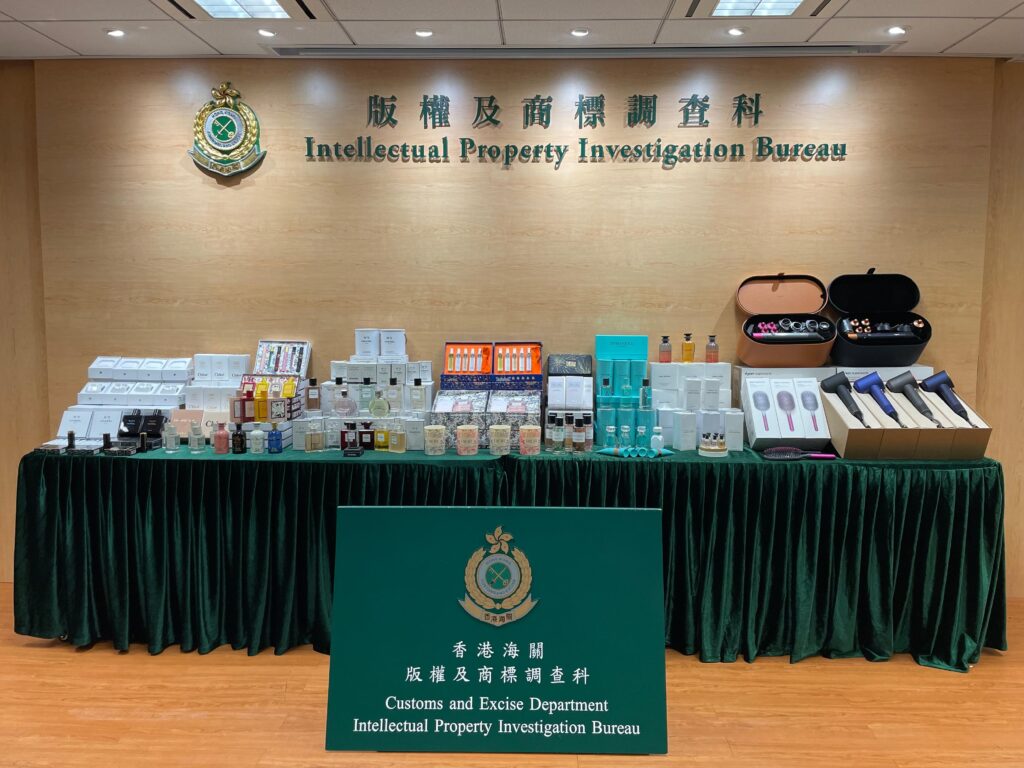
So what actually happened here? Is this a case of a beloved brand getting caught cutting corners, or is it a messier story about lab discrepancies, supply chains, and a raw material scandal that started long before Medicube’s name was ever attached to it? We dug through the official Hong Kong Customs notice, Medicube’s own statements, the Singapore recall action, and the toxicology behind Sudan Red itself to give you the full picture, without the drama-channel spin.
Quick Summary For medicube sudan red scandal
- In late July 2026, Hong Kong Customs tested a Medicube PDRN Pink Collagen Capsule Cream bought from a local shop and found it contained Sudan Red, a substance banned in cosmetics.
- Sudan Red is a family of synthetic industrial dyes (Sudan I–IV) classified as genotoxic and potentially carcinogenic. It has no approved use in cosmetics anywhere in the world.
- Medicube disputes the finding. A Korean third-party lab it commissioned reported Sudan Red as “not detected,” though at a detection threshold that would miss very low trace amounts.
- Singapore’s Health Sciences Authority (HSA) has since worked with three local sellers to pause sales and recall the same product as a precaution.
- The scandal is specific to one SKU, the PDRN Pink Collagen Capsule Cream, and appears linked to a raw material called “CampoRed” tied to an earlier, separate Sudan dye contamination scare in China in late 2025.
- No other Medicube product line has tested positive for Sudan Red, and the brand has not been banned outright in any market.
- Our take: pause use of this specific product until the discrepancy is resolved, but there is no evidence right now that Medicube’s wider catalog, or the brand as a whole, is unsafe.
What Actually Happened: The Medicube Sudan Red Timeline
The story starts, as these things often do, with a routine market check rather than a whistleblower moment.
July 24, 2026 — Hong Kong Customs Issues the Warning
Hong Kong Customs and Excise Department was following up on earlier media reports about a suspected unsafe collagen cream circulating in local shops. Officers bought a sample from the market and sent it to the Government Laboratory for safety testing.
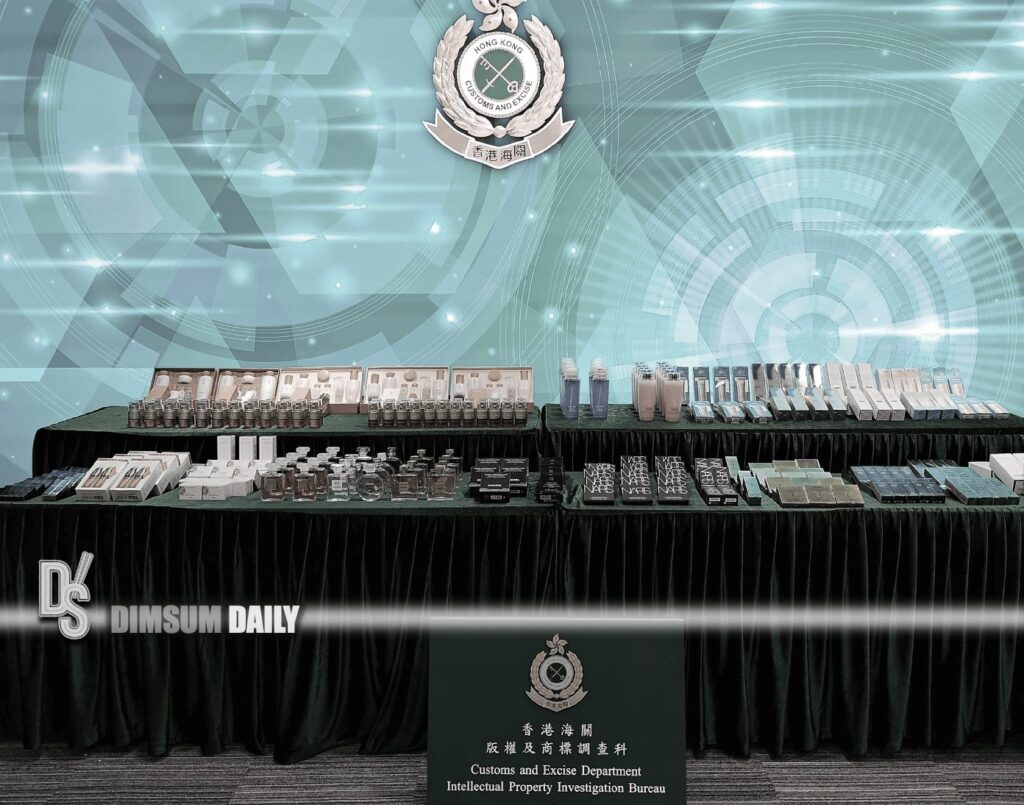
The results came back positive for Sudan Red, a substance explicitly prohibited under Hong Kong’s cosmetic safety standards. Customs issued a public alert the same day, telling consumers to stop using the product and telling retailers to pull it from shelves. Separately, they also flagged that the packaging carried warning text only in English and Korean, without the Chinese-language warnings required by local law, a labeling breach on top of the ingredient issue.
The product was not named directly in the earliest notice, but media outlets quickly matched the packaging photos in the release to Medicube’s PDRN Pink Collagen Capsule Cream.
July 25, 2026 — Medicube Pushes Back
Medicube’s Hong Kong team responded fast, posting a statement on Instagram the next day. According to the brand, an accredited third-party laboratory in Korea tested the same product and reported Sudan Red as “not detected.” Medicube said it had shared this report with Hong Kong Customs and requested further documentation on the government’s findings.
Here is the detail that matters, and one that most panic-driven social posts skip: the Korean lab’s detection threshold was 10 parts per million (ppm). A “not detected” result at that sensitivity does not mean zero Sudan Red is present. It means any amount below 10 ppm would not register at all. So the two labs are not necessarily contradicting each other on hard numbers; they may simply be using tests with different sensitivity, which is a common and genuinely tricky problem in cosmetic chemistry.
August 2026 — The Story Spreads to Singapore
By mid-August, Singapore’s Health Sciences Authority confirmed it was aware of the Hong Kong findings and had worked with three companies marketing the Medicube PDRN Pink Collagen Capsule Cream locally to suspend sales and recall the product as a precaution.
Under Singapore’s cosmetic regulations, Sudan Red dyes are explicitly prohibited, and supplying a product containing them can carry fines up to S$50,000 and up to two years in jail. HSA also flagged that the product was still listed on marketplaces like iHerb, Shopee, and Lazada, and advised anyone who had purchased it to stop using it while the investigation continued.
September 2026 — The Bigger Picture Emerges
Industry coverage through September connected this incident to something bigger: a Sudan dye contamination scare that had already rocked the Chinese cosmetics market in late 2025, traced back to a raw material called “CampoRed,” supplied by a Singapore-registered ingredient company called Campo Research.
Medicube reportedly used CampoRed in the original formulation of the Pink Collagen cream. The brand has since acknowledged updating the formulation, with the new version reportedly on shelves in Hong Kong since March 2026. That timing raises an obvious question: was the flagged sample old stock still circulating on the market, or does the new formula still have a problem? As of this writing, that has not been definitively answered, and we will update this article as more information comes out.
You may recognize this pattern if you followed our earlier coverage of the Neutrogena makeup wipes recall — supply chain and raw-material issues tend to surface the same way, well after a product has already been on shelves for months.
What Is Sudan Red, and Why Do Regulators Take It So Seriously?
This is the part that genuinely matters for your safety, so let’s slow down here.
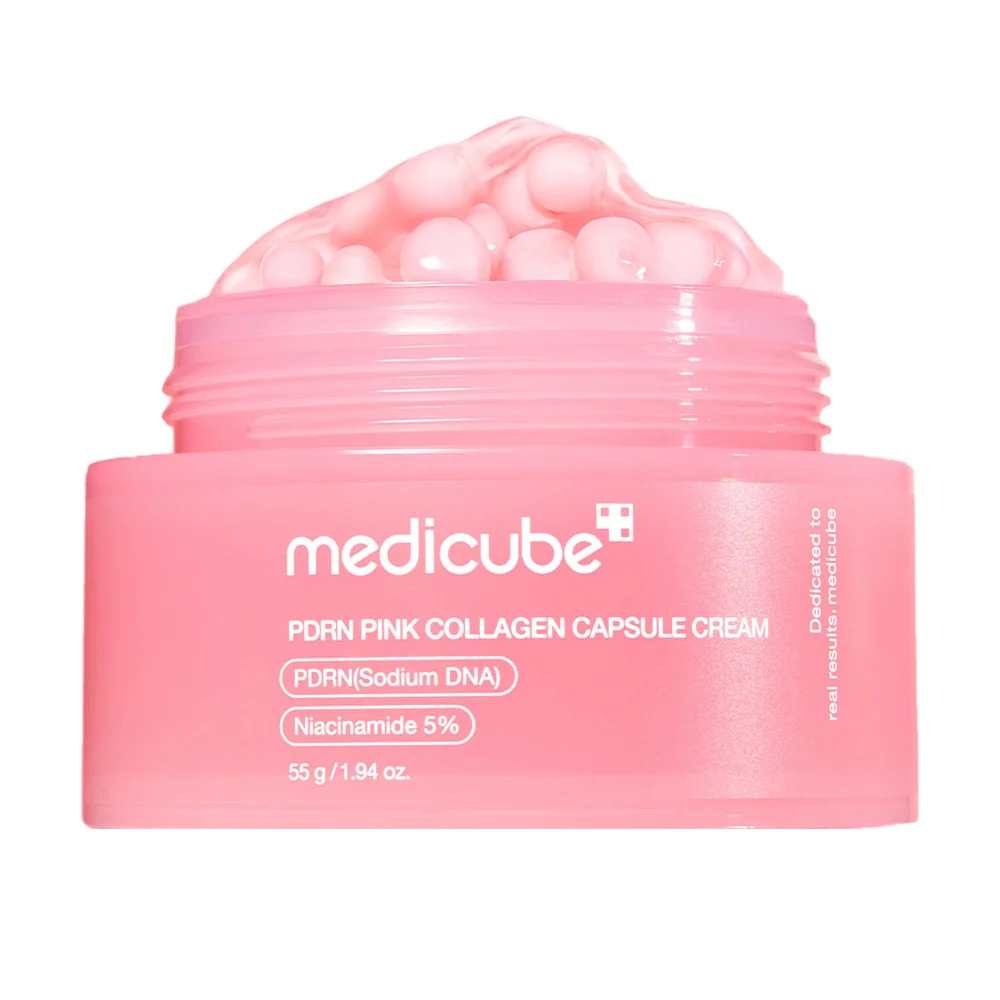
Sudan dyes are a family of synthetic, oil-soluble azo dyes originally developed to color things like waxes, shoe polish, and petroleum products, not skin or food. There are four main types, Sudan I, II, III, and IV, each with a slightly different chemical structure. .
What they share is a classification as genotoxic carcinogens, meaning laboratory studies have shown they can damage DNA and, in animal studies, contribute to tumor formation. A widely cited toxicology review on Sudan dyes (Fonovich, Drug and Chemical Toxicology, 2013) outlines this genotoxic and carcinogenic profile in detail, which is why food and cosmetic regulators worldwide treat these dyes as a hard no rather than a “use with caution” ingredient.
To be clear about the actual risk: the real-world danger from any single exposure depends heavily on the exact dye, the dose, how much skin contact occurred, how long the exposure lasted, and whether the skin barrier was intact. A tub of cream sitting in your bathroom for a few weeks is a very different risk profile than industrial-scale occupational exposure. That said, “probably low individual risk” is not the same as “acceptable,” which is exactly why regulators do not allow any level of these dyes in products meant for repeated, long-term skin contact. Cosmetic safety standards are precautionary by design.
If you are the type of reader who likes to see how skincare pairs with genuinely protective daily habits rather than risky viral ingredients, our guide on hypochlorous acid spray covers one of the gentler, well-studied alternatives that has become popular for calming compromised or reactive skin, which is worth knowing about if your skin barrier has taken a hit from any product, Medicube or otherwise.
Why Would Two Labs Get Different Results on the Same Product?
This is the single most confusing part of the whole story for most readers, so here is the plain-language version of what can cause it:
- Different batches or formula versions. If Hong Kong Customs tested older market stock while Medicube tested a newer batch, the two samples may not even be chemically identical.
- Different detection sensitivity. As mentioned above, a 10 ppm detection limit will miss anything below that threshold. Government labs sometimes use more sensitive, more expensive testing methods specifically because they are screening for banned substances rather than confirming a formula spec.
- Raw material contamination upstream. This is the most likely explanation given the CampoRed connection. If a supplier’s raw material was inconsistently contaminated, some batches manufactured from that material could contain the dye while others do not, even under the same brand name and SKU.
- Cross-contamination during manufacturing. Shared equipment or production lines can introduce trace contamination that has nothing to do with the intended formula.
- Counterfeit or grey-market stock. Products purchased outside official retail channels do not carry the same quality control guarantees, and Hong Kong Customs has not confirmed the exact retail source of its sample.
None of these explanations excuse the outcome. A brand is responsible for the safety of what reaches a consumer’s bathroom shelf regardless of where the breakdown happened in the supply chain. But they do explain why “Medicube said their lab found nothing” and “Hong Kong’s government lab found Sudan Red” can both be true statements at the same time.
Is This a Medicube Brand-Wide Problem, or Just One Product?
Here is where we want to be fair to Medicube, because a lot of the social media coverage has blurred this line badly.
Every official notice so far, Hong Kong Customs, Singapore HSA, and Medicube’s own statement, refers specifically to the PDRN Pink Collagen Capsule Cream. No regulator has issued a warning covering Medicube’s other bestsellers, including its booster devices, its Zero Pore pads, its exosome ampoules, or its other PDRN products. If you use a different item from the brand, this specific scandal does not currently apply to it .
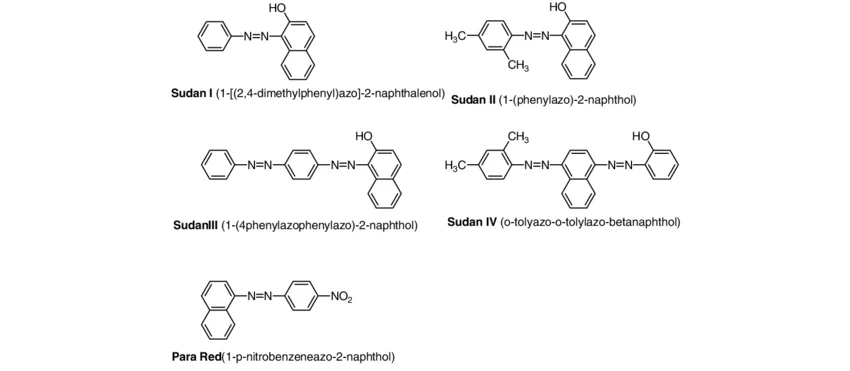
We have separately reviewed several other Medicube products on Review Dermatica, and it’s worth noting that none of them have been implicated in this issue. If you’re curious how the brand’s broader PDRN lineup holds up, our Medicube PDRN Eye Cream review and our Medicube Zero Exosome Shot review both cover ingredient lists and performance for products that sit outside this recall. If you specifically own something from the wider Pink Collagen range, our Medicube PDRN Pink Collagen Volume Multi Balm review is worth a look too, since it is the closest related product in the same sub-line, even though it has not been flagged in any recall notice.
The Other Side: Why Medicube Built So Much Trust in the First Place
It would be lazy, and honestly a little unfair, to write this article as if Medicube has always been a shady operator. It hasn’t. Part of why this scandal has generated so much noise is precisely because the brand had built up so much goodwill before it happened.
Medicube’s rise has been genuinely impressive. Its Age-R booster devices helped popularize at-home microcurrent and radiofrequency skincare tools well beyond the K-beauty niche, and its PDRN and exosome-based serums rode the same regenerative-skincare wave that made salmon DNA extracts a mainstream talking point rather than a strange, clinic-only treatment.
The brand has invested heavily in credibility-building moves too: high-profile global ambassadors, partnerships with recognizable beauty industry names, and a track record of transparent ingredient labeling that, until now, had not attracted this kind of regulatory attention. Plenty of dermatology-adjacent reviewers and skincare educators have covered Medicube’s formulations positively over the past couple of years, which is part of why this particular scandal landed as such a shock to loyal users.
None of that erases what Hong Kong Customs found. But it is worth holding both truths at once: this is a real, serious lapse involving one specific product, and it does not automatically mean everything the brand makes is compromised. If your relationship with the brand goes beyond this one item, our Medicube PDRN Eye Cream review walks through the ingredient list in detail so you can judge that specific product on its own merits rather than by association.
What Should You Do If You Own the Medicube PDRN Pink Collagen Capsule Cream?
If you currently have this product in your routine, here is the practical, non-alarmist advice:
- Pause use immediately. This is the position taken by Hong Kong Customs, Singapore’s HSA, and independent aesthetic doctors covering the story. Until the lab discrepancy is resolved, it is the sensible default.
- Do not throw away your proof of purchase. Keep the jar, the outer box, the batch code, and your receipt or order confirmation. If a formal recall with refunds is issued in your country, you will likely need these.
- Photograph the full label, especially the batch or lot number, in case region-specific batches turn out to be the ones affected rather than the entire production run.
- Check where you bought it. If it came from an unofficial third-party seller or a marketplace listing outside the brand’s authorized retailers, treat that as an additional reason for caution, since counterfeit and grey-market stock skip standard quality checks entirely.
- Watch for updates from your local regulator, not just social media. Hong Kong and Singapore have both acted; depending on where you live, your country’s cosmetic safety authority may or may not have issued formal guidance yet.
How to Check If Your Specific Product Might Be Affected
Because this traces back to a raw material used in an earlier formulation, the safest approach is to check your packaging against what has been reported so far. Look for:
- The exact product name: PDRN Pink Collagen Capsule Cream (this is the only SKU currently named in any official notice).
- Whether your packaging shows warning text only in English and Korean, without Chinese-language warnings, which matches the batch described in the Hong Kong Customs notice.
- Where and when you purchased it. Stock bought before March 2026 is more likely to reflect the older formulation reportedly linked to the CampoRed raw material.
If any of this matches, follow the pause-and-document steps above. If your product is a different Medicube item entirely, this specific scandal does not currently apply to you, though it is always reasonable to keep an eye on updates.
Looking for a Safer PDRN Alternative in the Meantime
If this whole story has made you want to step back from this particular product while things get sorted out, you do not have to give up on PDRN-based skincare altogether. It remains one of the more genuinely promising ingredient categories for barrier repair and regenerative skincare; this scandal is about one contaminated batch of one product, not a problem with PDRN as an ingredient itself.
Our Anua PDRN Hyaluronic Acid 100 review covers a well-regarded, widely available alternative that has not been connected to any safety concerns. If you are trying to decide between the clinic-grade route and an at-home option, our comparison piece on Rejuran Turnover Ampoule vs Anua PDRN Cream breaks down how the two approaches differ in strength, cost, and realistic results. And if your skin has become more reactive lately, whether from this product or general overuse of actives, our roundup of the best skincare brands for sensitive skin is a good place to rebuild a calmer routine.
Frequently Asked Questions
Is Medicube banned in Hong Kong or Singapore?
No. Both notices apply specifically to the PDRN Pink Collagen Capsule Cream. No regulator has banned the Medicube brand as a whole.
Does Sudan Red actually cause cancer?
Sudan dyes are classified as genotoxic and carcinogenic in laboratory and animal studies. The real-world cancer risk from cosmetic-level skin exposure in humans is not precisely established, which is exactly why regulators apply a precautionary ban rather than waiting for definitive human data.
Why did Medicube's own lab say Sudan Red was not detected?
Most likely due to a combination of a different sample batch and a less sensitive detection threshold (10 ppm) than the government laboratory used, not necessarily because the brand is lying.
Should I stop using all Medicube products?
Based on everything published so far, no. The concern is limited to the PDRN Pink Collagen Capsule Cream specifically. Other Medicube products have not tested positive for Sudan Red.
Is this the same as the Sudan Red scandal in China in 2025?
It is closely related. Reporting has linked the contamination to the same raw material, CampoRed, that was implicated in an earlier, separate Sudan dye issue affecting multiple brands in China and Taiwan.
Our Final Verdict
This is a genuinely serious safety concern, and we are not going to soften that for the sake of a “just relax, it’s fine” hot take. A government laboratory found a banned, potentially carcinogenic dye in a product that millions of people were applying to their faces, and Medicube’s own counter-testing has not fully resolved the discrepancy as of this writing.
At the same time, it is important to be precise about what has and has not been established. This is currently a one-product issue tied to a specific raw material, not evidence that Medicube as a brand is systematically unsafe. If you own the PDRN Pink Collagen Capsule Cream, pause use and keep your documentation. If you use other Medicube products, there is no current evidence you need to do the same, though it is always fair to keep watching how this story develops.
We will keep this article updated as Hong Kong Customs, Singapore’s HSA, and Medicube release further information.
Sources:
- Hong Kong Customs and Excise Department — Official Press Release, July 24, 2026
- Mothership Singapore — HSA Recall Coverage, August 21, 2026
- ChemLinked — Hong Kong Customs Warns Against Unsafe Collagen Cream
- Fonovich, T.M. “Sudan Dyes: Are They Dangerous for Human Health?” Drug and Chemical Toxicology, 2013 — PubMed