The Ultimate Guide to the Best Anti-Aging Serums (Tested & Reviewed)
If you have ever stood in front of a wall of bottles wondering which one deserves your money, you are in good company. The best anti-aging serums are rarely the ones with the loudest packaging or the longest ingredient list. They are the ones built around active ingredients that have real research behind them, in formulas that your skin can actually tolerate every day.
We spent weeks going through ingredient lists, brand claims, clinical literature, and real-world use to build this list of top-rated anti-aging serums for 2026. Some are splurges. Some cost less than a takeaway dinner. All of them earned their spot for a specific reason.
Here is the honest truth up front. No single anti-aging serum erases wrinkles overnight. What a good one can do is soften the look of fine lines, even out tone, support hydration, and help protect the collagen you already have. That is a realistic goal, and it is a worthwhile one.
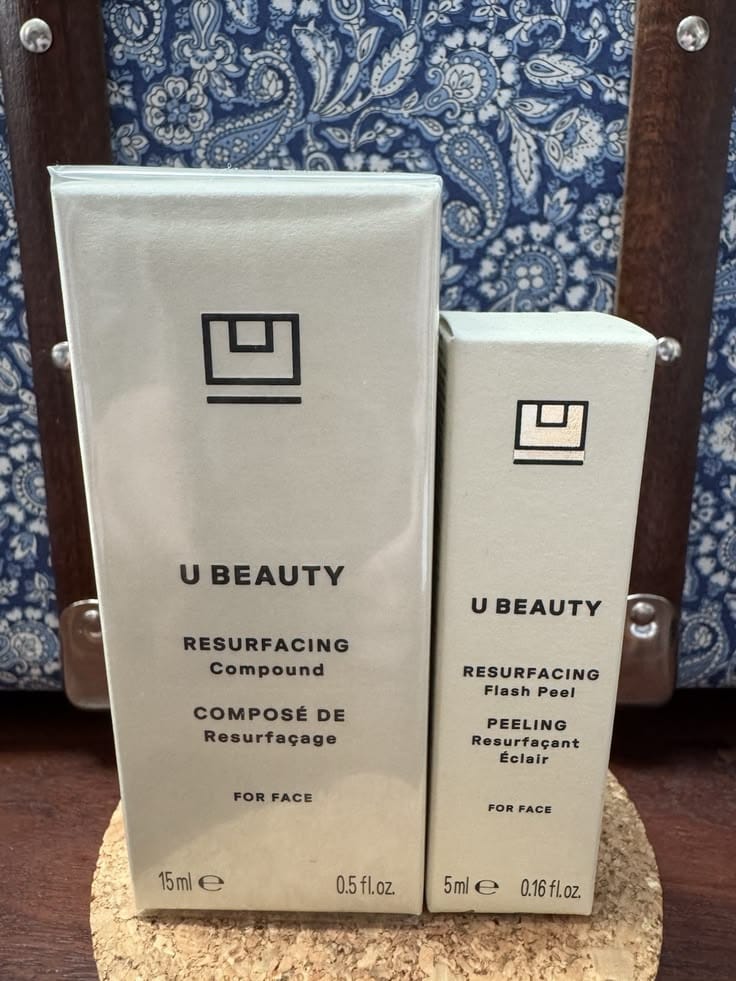
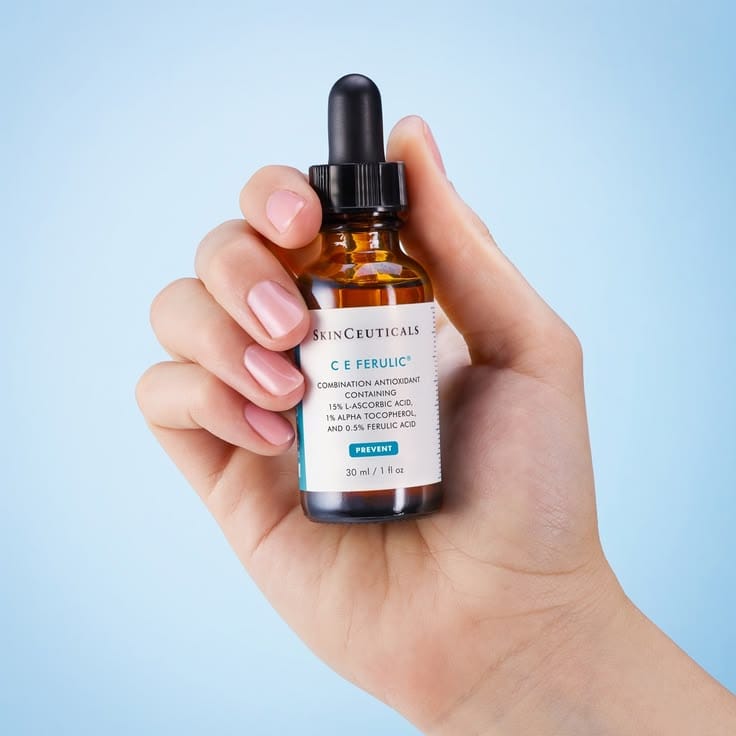
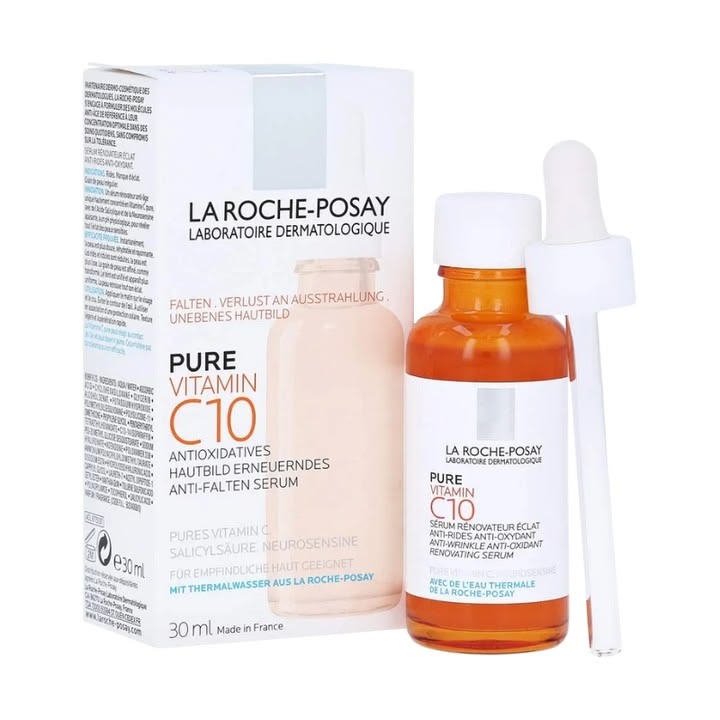
Our number one pick this year is the U Beauty Resurfacing Compound, a multitasking formula that combines gentle acids, a vitamin C derivative, and a retinoid in one bottle. Right behind it are two vitamin C classics, SkinCeuticals C E Ferulic and La Roche-Posay Pure Vitamin C10 Serum. If you want a vitamin C anti-aging serum, you will find a premium option and a more affordable one below.
Let’s get into it.
Affiliate Disclosure & Editorial Team
Review Dermatica is reader-supported; we may earn a small commission via links at no extra cost to you, but our rankings remain strictly unbiased based on formulation quality and research. This guide was prepared by founder Asim (product selection & analysis) and co-founder Tahmina Zannat Lamya (formulation research). We provide skincare analysis, not medical advice—consult a dermatologist for personal conditions or prescription use.
Quick Summary: Our Top Picks at a Glance
Short on time? Here is the short version of our list of the best anti-aging serums.
- 1st Place: U Beauty Resurfacing Compound (Best Overall)
A one-bottle formula with glycolic, lactobionic, and mandelic acids, a stable vitamin C derivative, retinyl palmitate, and hyaluronic acid. It is the most complete anti-aging serum for glowing skin on this list, though it is a premium purchase and needs sunscreen every morning.
- 2nd Place: SkinCeuticals C E Ferulic (Best Premium Vitamin C Serum)
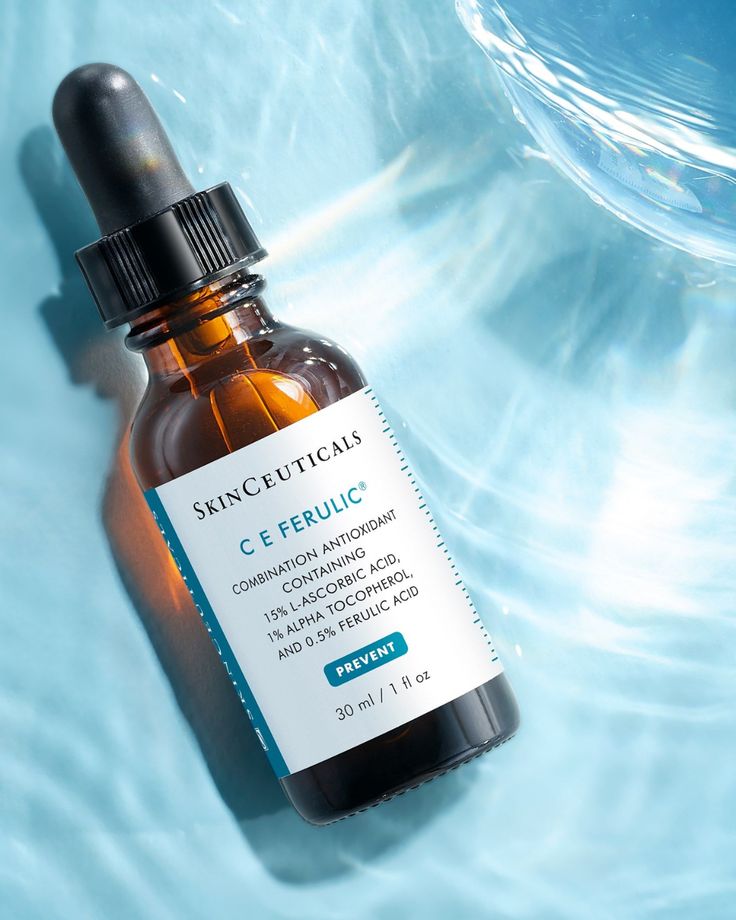
The benchmark vitamin C anti-aging serum. It pairs 15% L-ascorbic acid with 1% vitamin E and 0.5% ferulic acid for stronger antioxidant protection.
- 3rd Place: La Roche-Posay Pure Vitamin C10 Serum (Best Value Vitamin C Serum)
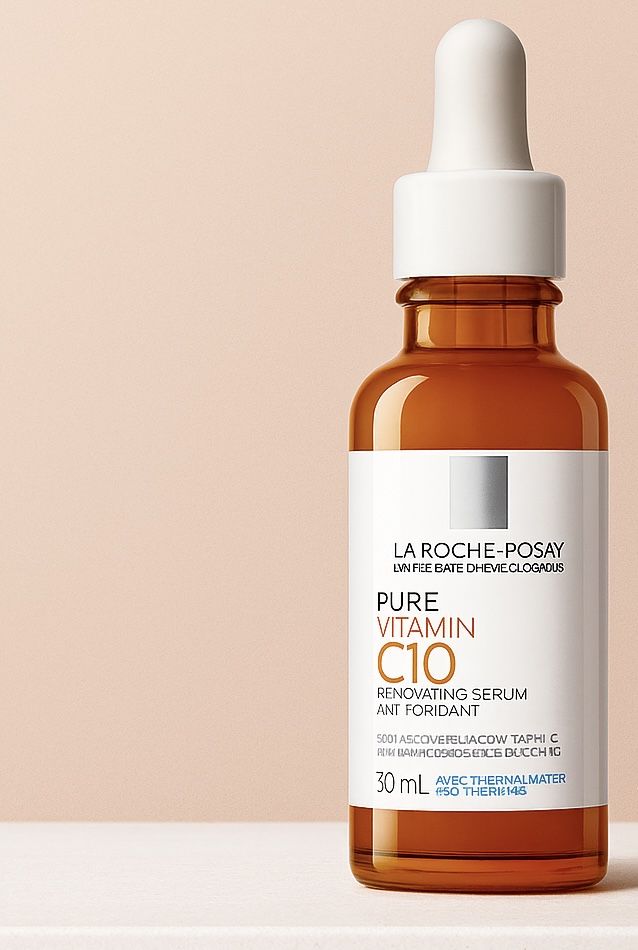
A 10% pure vitamin C formula with salicylic acid and a soothing ingredient, made for people who want a proven antioxidant without the luxury price tag.
- 4th Place: Paula’s Choice Clinical 1% Retinol Treatment (Best Retinol Serum)
High-strength retinol with peptides for visible wrinkle smoothing. Powerful, but not for beginners.
- 5th Place: The Ordinary Multi-Peptide + HA Serum (Best Budget Peptide Serum)
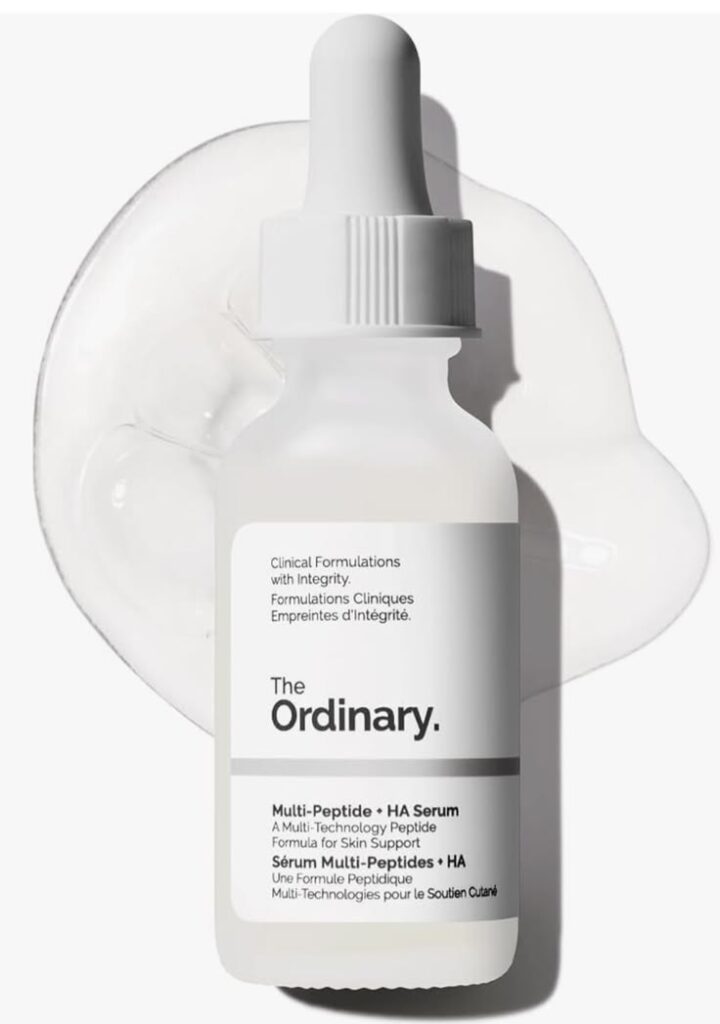
The formula many people still call “Buffet.” Several peptide technologies plus hyaluronic acid at a very friendly price.
How Anti-Aging Serums Actually Work
Before we rank anything, it helps to understand what an anti-aging serum is trying to do. Once you know that, the labels stop looking like a foreign language.
Skin ages in two ways. The first is intrinsic aging, the slow, natural process that depends on genetics and time. The second is extrinsic aging, mostly caused by sun exposure and pollution. Research on skin aging consistently points to ultraviolet radiation as the single biggest driver of visible aging, which is why photoaging shows up so often in the clinical literature.
Over time, collagen breaks down, the skin holds less water, dead cells linger on the surface, and uneven pigmentation creeps in. A well-designed anti-aging serum goes after one or more of these problems.
Antioxidants: Defending Against Daily Damage
Vitamin C is the most studied antioxidant in skincare. A review of vitamin C in dermatology describes it as a potent antioxidant that can be used topically to treat and prevent changes associated with photoaging (Source ). It also supports collagen synthesis and can fade dark spots.
The catch is stability. Pure L-ascorbic acid oxidizes quickly when exposed to air and light. That is why formulas such as SkinCeuticals C E Ferulic combine it with vitamin E and ferulic acid, and why packaging matters so much. A second review of topical vitamin C notes that the real challenge is finding the most stable and permeable formulation .
Retinoids: Speeding Up Renewal
Retinoids, the vitamin A family, are among the best-studied anti-aging ingredients. They encourage faster cell turnover and support collagen production. A well-known overview of retinoids in skin aging found histological and clinical improvement across many retinoids, while noting that irritation is the main reason people quit (Source).
That is why you will see retinol, retinal, and gentler esters across different serums. The stronger the form, the stronger the result and the higher the chance of dryness or peeling.
Acids: Clearing the Way
Alpha hydroxy acids such as glycolic acid loosen the bonds between dead skin cells so they shed more easily. The result is smoother texture and a brighter look. A short editorial on hydroxy acids notes that clinical trials show these ingredients can improve wrinkles, elasticity, tone, and hydration (Source).
There is a trade-off. Research on hydroxy acids has also found that glycolic acid can increase the skin’s sensitivity to sunlight (Source). Daily sunscreen is not optional with these products.
Peptides: Sending Repair Signals
Peptides are short chains of amino acids. Signal peptides mimic the fragments released when collagen breaks down, which nudges skin cells to make more of it. A review of cosmetic peptides explains that they can improve collagen synthesis, support skin cell growth, and calm inflammation, while also pointing out limits around how well they penetrate the skin.
If you are weighing peptides against vitamin A, our breakdown of peptides vs retinol (Source) walks through who should choose which.
Humectants: Plumping From the Inside Out
Hyaluronic acid can hold a large amount of water, which is why it keeps skin looking full and bouncy. The research on skin aging calls it the key molecule involved in skin moisture . It will not rebuild collagen, but dehydrated skin shows lines more clearly, so keeping it hydrated makes a visible difference. If you are curious how it compares with other humectants, see our guide to hyaluronic acid vs glycerin (Source).
How We Chose the Best Anti-Aging Serums
We looked at five things when ranking these top-rated anti-aging serums for 2026:
First, the active ingredients and whether they have published research behind them. Second, the formulation, including stability, packaging, and pH where it was disclosed. Third, tolerability, because a serum you cannot use consistently does not help anyone. Fourth, price compared with what you actually get. Fifth, how well each product works for different skin types and budgets.
We also leaned on brand-reported results carefully. Where a company cites a clinical study, we mention it as the brand’s claim rather than treating it as independent proof.
The 5 Best Anti-Aging Serums
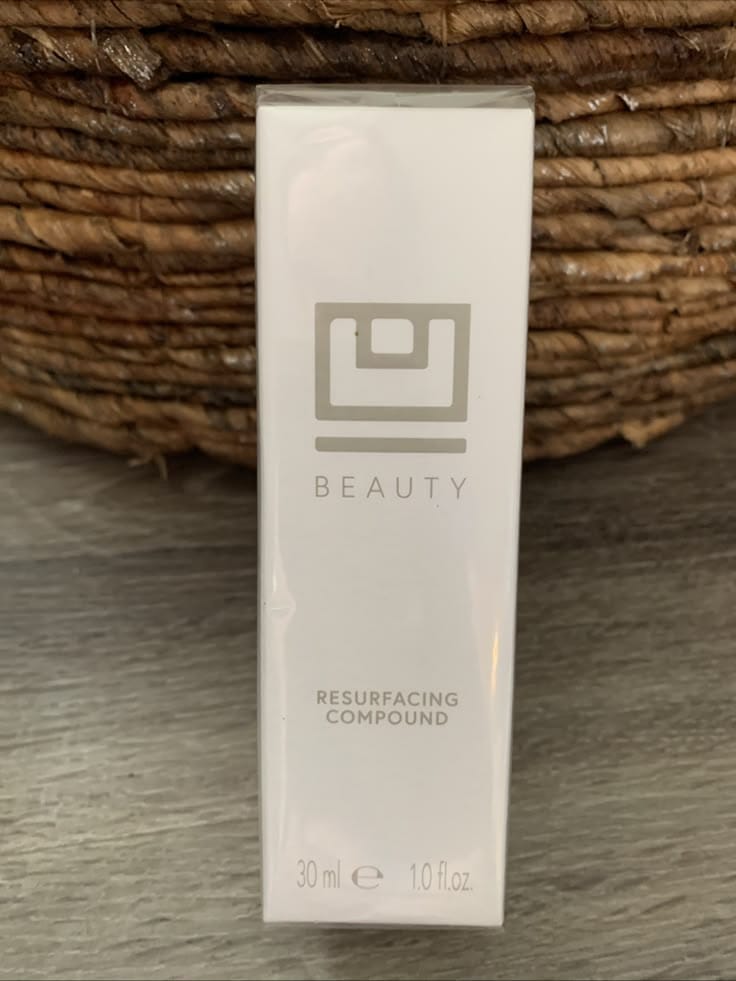
#1. U Beauty Resurfacing Compound: Best Overall Anti-Aging Serum
U Beauty built this serum around a clever idea: combining the benefits of up to 8 skincare steps into one hardworking formula. After going through the formulation and clinical data, we think it is the most complete anti-aging serum for glowing skin you can buy right now, which is why it takes the top spot on our list.
How It Works
The formula layers several high-performing mechanisms at once through U Beauty’s signature SIREN Capsule Technology™, targeting damaged areas without overloading the skin.
- For resurfacing: It uses a trio of acids: glycolic acid (an AHA), lactobionic acid (a gentler polyhydroxy acid), and mandelic acid. Together, they loosen dull surface cells and smooth rough texture, while lactobionic acid also provides antioxidant protection.
- For antioxidant protection: The formula includes sodium ascorbyl phosphate—a stable vitamin C derivative—along with tocopherol (vitamin E), glutathione, and superoxide dismutase. This offers a gentler route to brightening without the instability of pure L-ascorbic acid.
- For renewal: It features retinyl palmitate, a mild yet highly effective vitamin A derivative that helps refine skin texture and soften the look of fine lines and wrinkles.
- For hydration and repair: It uses sodium hyaluronate, hydrolyzed hyaluronic acid, a signal peptide (N-Prolyl Palmitoyl Tripeptide-56 Acetate), aloe, and witch hazel. These keep the skin plump, calm, and deeply hydrated so the serum feels comfortable on the skin.
In an independent 30-volunteer instrumental study, 90% of participants saw a reduction in visible wrinkles and imperfections after 30 days of twice-daily use, alongside a 28% reduction in fine lines. Because these figures come from independent clinical testing rather than simple consumer feedback, they carry real weight.
Why It Ranks First
It targets texture, tone, dullness, fine lines, and hydration in a single streamlined step. For anyone looking to simplify a complex routine without sacrificing results, it is a game-changer. It also layers beautifully under a moisturizer and sunscreen.
For application, the brand recommends 2 to 3 pumps on dry skin after cleansing, followed by a moisturizer. It can be used in the morning, evening, or both depending on your preference. (Note: If you use other active products like strong prescription retinoids or high-strength glycolic acids, we recommend pacing them out to avoid over-exfoliation).
What to Watch For
It is a premium investment. The brand lists it starting from $88 on its site for the 15 ml size, as well as 30 ml and 50 ml options. Because it contains resurfacing acids, applying a broad-spectrum sunscreen daily is essential.
Who It Suits
Anyone looking to target dullness, uneven texture, and early to mature fine lines with a streamlined, high-performance product.
2. SkinCeuticals C E Ferulic: Best Premium Vitamin C Anti-Aging Serum
If you ask a dermatologist to name a vitamin C anti-aging serum, there is a good chance this is the bottle they mention. It has been a reference point in the category for years.
How It Works
The formula pairs 15% L-ascorbic acid with 1% alpha-tocopherol (vitamin E) and 0.5% ferulic acid. This is not random. Vitamin E and ferulic acid help stabilize the vitamin C and amplify its antioxidant effect. The vitamin C review we mentioned earlier notes that topical vitamin C works best in combination with vitamin E .
Once on the skin, the serum helps neutralize free radicals created by UV light and pollution. Over time, that supports a brighter tone, a smoother look, and better defense against the oxidative stress that speeds up visible aging. Vitamin C also plays a role in collagen production, which is why it appears in so many anti-aging routines.
The ingredient list is short: water, ethoxydiglycol, ascorbic acid, glycerin, propylene glycol, laureth-23, phenoxyethanol, tocopherol, triethanolamine, ferulic acid, panthenol, and sodium hyaluronate. There is no filler and no fragrance padding. It works because of the three headline actives.
What We Like
It has the strongest track record of any serum on this list for antioxidant protection. The texture is lightweight, and the 30 ml dropper bottle protects the formula from light. Many people use it in the morning under sunscreen, where antioxidants do the most good.
3. La Roche-Posay Pure Vitamin C10 Serum: Best Value Vitamin C Serum
Not everyone wants to spend triple digits on a bottle. This is where La Roche-Posay steps in. It is one of the best affordable ways to try a real vitamin C anti-aging serum.
How It Works
The headline ingredient is 10% pure vitamin C (ascorbic acid). Research suggests that about 10% topical vitamin C can offer photoprotection, and it works best alongside vitamin E, which this formula includes in the form of tocopherol.
It also contains salicylic acid, a beta hydroxy acid that gently exfoliates and helps refine the look of pores. Add sodium hyaluronate, hydrolyzed hyaluronic acid, adenosine, and La Roche-Posay’s thermal spring water, and you have a serum that brightens while keeping the skin comfortable.
The brand also includes neurosensine, a soothing ingredient, and describes the pH as physiological, which is part of why it is marketed as suitable for sensitive skin.
What We Like
The price is far lower than SkinCeuticals, and the formula is made for people who tend to react to stronger vitamin C. It can brighten dull skin and soften the look of fine lines over time, which makes it a strong anti-aging serum for glowing skin on a modest budget.
4 . Paula’s Choice Clinical 1% Retinol Treatment: Best Retinol Anti-Aging Serum
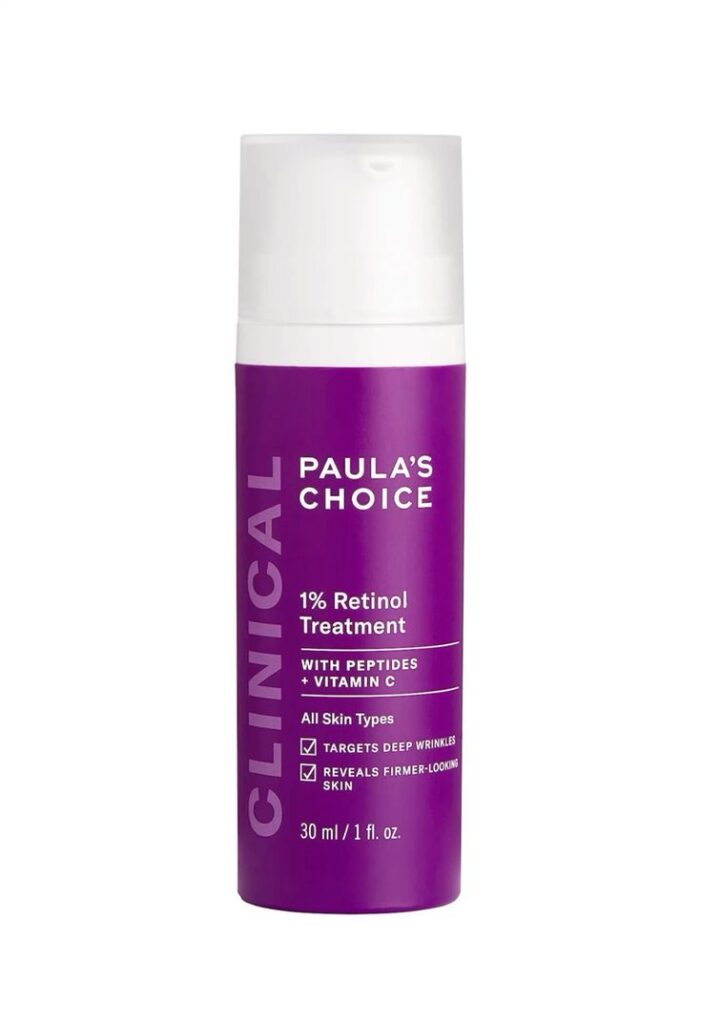
- How It Works: Delivers a potent 1% Retinol concentration to accelerate cell turnover and boost collagen production. Balanced with a peptide blend, Vitamin C, and soothing extracts (oat, willow bark, licorice) to minimize irritation.
- What We Like: Uses protective airless pump packaging to prevent retinol degradation; clear, accurate labeling; high efficacy at a lower price point (~$65) than luxury alternatives.
- What to Watch For: High strength—not for retinoid beginners. Can cause initial dryness/flaking. Requires gradual intro (3x/week), mandatory daily sunscreen, and avoiding during pregnancy/breastfeeding.
- Who It Suits: Experienced retinol users looking for a stronger step-up, or anyone willing to introduce a high-potency formula slowly for skin firmness.
5. The Ordinary Multi-Peptide + HA Serum: Best Budget Peptide Serum
How It Works: Formerly known as “Buffet,” this stacks Matrixyl 3000, Matrixyl Synthe’6, Syn-Ake, and Argireline-type peptides with Hyaluronic Acid and amino acids to support collagen and smooth expression lines.
- What We Like: Outstanding value (~$20); fragrance-free and alcohol-free; pregnancy-safe alternative when strong actives are off-limits; layer-friendly for daily routines.
- What to Watch For: Results are subtle and cumulative; avoid mixing directly with direct Vitamin C, strong acids, Salicylic Acid, or Resveratrol/Ferulic Acid in the same routine.
- Who It Suits: Sensitive skin types, beginners, pregnancy/nursing individuals, or anyone seeking a budget-friendly, long-term anti-aging maintenance serum.
Best Anti-Aging Serums Compared
Here is a plain-language comparison to help you narrow things down.
If you want the most complete single product, choose U Beauty Resurfacing Compound. If you want the strongest antioxidant protection and have the budget, choose SkinCeuticals C E Ferulic. If you want vitamin C at a gentler price, choose La Roche-Posay Pure Vitamin C10.
If wrinkles and firmness are your priority, Paula’s Choice 1% Retinol is the strongest option, but only if you are ready to build up slowly. For a low-risk, budget-friendly approach, The Ordinary Multi-Peptide + HA Serum is the pick.
How to Build a Simple Anti-Aging Routine With These Serums
You do not need all seven. Most people do best with two or three.
Morning
Cleanse, apply a vitamin C anti-aging serum (SkinCeuticals or La Roche-Posay), follow with a moisturizer, and finish with broad-spectrum sunscreen. If you prefer, swap vitamin C for the U Beauty compound, but do not use both in the same routine.
Evening
Cleanse, apply a hydrating serum , then your retinol (Paula’s Choice) two or three nights a week, followed by moisturizer. On non-retinol nights, use a peptide serum like The Ordinary Multi-Peptide + HA.
A Few Rules That Save Your Skin
Introduce one active at a time and give it two to three weeks. Patch test behind the ear or on the inner forearm. Do not combine retinol with strong acids on the same night. And please, wear sunscreen daily. If you are choosing one, our comparison of EltaMD UV Clear vs Supergoop Unseen Sunscreen (Source) can help.
The eye area needs its own care too. If you want a dedicated product, see our reviews of the Beauty of Joseon eye cream (Source) and the CeraVe Eye Repair Cream (Source).
Frequently Asked Questions About Anti-Aging Serums
What is the best anti-aging serum overall?
For a single all-round formula, we pick the U Beauty Resurfacing Compound. For pure antioxidant protection, SkinCeuticals C E Ferulic remains the benchmark. The best anti-aging serum for you depends on your skin type, concerns, and budget.
At what age should I start using an anti-aging serum?
Many dermatologists suggest starting prevention in your mid-to-late twenties with sunscreen and an antioxidant. Retinoids and stronger treatments are usually added later, when fine lines begin to show.
How long does an anti-aging serum take to work?
Hydrating serums feel different right away. Vitamin C and peptides usually need eight to twelve weeks. Retinoids can take twelve weeks or longer for visible change.
Can I use vitamin C and retinol together?
Many people use vitamin C in the morning and retinol at night, which avoids the question entirely. Using both at once can irritate sensitive skin.
Is a vitamin C anti-aging serum worth it?
For most people, yes. Vitamin C is one of the best-supported topical antioxidants, and it helps protect the skin from daily environmental damage. Look for stable formulas in dark or airless packaging.
Are anti-aging serums safe during pregnancy?
Retinoids should be avoided during pregnancy and breastfeeding. Peptide and hyaluronic acid serums are generally considered lower risk, but please check with your doctor.
Do I still need moisturizer and sunscreen?
Yes, both. A serum delivers actives, but moisturizer seals them in and sunscreen protects against the main cause of visible aging.
Final Verdict: Which of the Best Anti-Aging Serums Should You Buy?
If you want one serum that does the most, buy the U Beauty Resurfacing Compound. It earned the top spot among the best anti-aging serums because it works on texture, tone, and hydration together.
If antioxidant protection is your priority, SkinCeuticals C E Ferulic is the gold standard, and La Roche-Posay Pure Vitamin C10 gives you a respectable version for far less. Add Paula’s Choice 1% Retinol when you are ready for a stronger night treatment, or keep things gentle with The Ordinary Multi-Peptide + HA .
Whichever you choose, the formula only works if you use it consistently and protect your skin from the sun. Start slowly, be patient, and judge results after a couple of months rather than a couple of weeks.
Looking for more help? Explore our other reviews, including the Medicube Zero Exosome Shot review, and tell us in the comments which serum you are trying first.
Medical Disclaimer
This article is for educational purposes only and does not replace advice from a qualified healthcare provider. Individual results vary. Prices and formulations can change, so check the brand’s current label and price before buying.