Best Moisturizers for Dehydrated Skin (2026 Tested Picks)
Tight skin by lunchtime. Makeup that clings to every fine line. A face that looks dull even after eight hours of sleep.
If that sounds familiar, your skin is probably asking for water, not just oil. And finding the best moisturizers for dehydrated skin is harder than it sounds, because most “hydrating” creams stop at the surface and wear off before the afternoon.
At Review Dermatica, we went through the formulas, the ingredient lists, and the published research to find the creams that actually hold moisture in. Some are luxury. Some cost less than a lunch out. All of them earned their place for a reason.
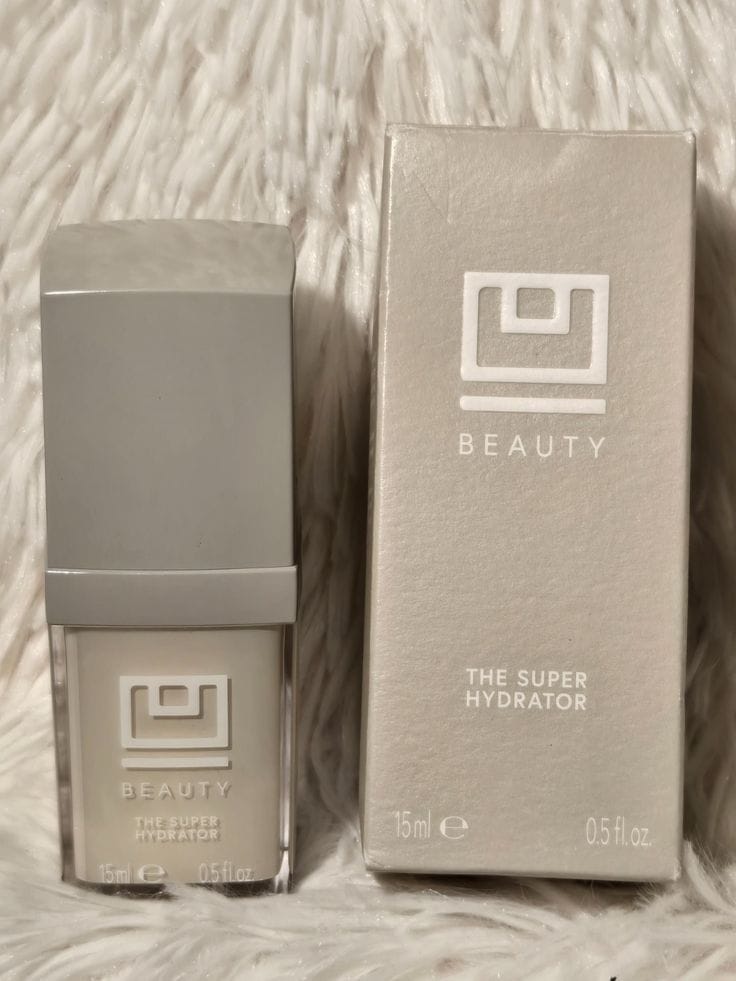
Our #1 pick is U Beauty The Super Hydrator, a moisturizer built around five sizes of hyaluronic acid and designed to keep skin hydrated for up to 48 hours. But the best choice for you depends on your skin type, your budget, and how sensitive your skin is, so we have broken down all five.
Affiliate Disclosure and Editorial Team
Affiliate Disclosure: Review Dermatica is reader-supported. If you buy through links on this page, we may earn a small commission at no extra cost to you. This never changes our rankings. Products are placed based on formulation, research, and value, not on payout.
Editorial Team: This article was researched and written by Asim (Newaj Hossain Asim), founder and lead analyst of Review Dermatica, with clinical and formulation research by co-founder Tahmina Zannat Lamya. Our content is meant to educate, not to replace advice from a doctor or dermatologist. If you have eczema, rosacea, or a persistent skin condition, speak with a qualified professional before changing your routine.
Quick Summary: Our Top 5 Picks
Short on time? Here is the ranking.
- Rank #1: U Beauty The Super Hydrator. Best overall for deep, long-lasting hydration. A premium pick for dry and dehydrated skin.
- Rank #2: CeraVe Moisturizing Cream. Best value for barrier repair. Ceramides plus hyaluronic acid in a rich, fragrance-free cream.
- Rank #3: La Roche-Posay Toleriane Double Repair Face Moisturizer. Best for sensitive, easily irritated skin. Ceramide-3, niacinamide, and glycerin in a light daily lotion.
- Rank #4: Kiehl’s Ultra Facial Cream. Best classic everyday cream with a cushiony, comfortable feel.
- Rank #5: Neutrogena Hydro Boost Water Gel-Cream. Best lightweight option for oily, combination, or humid-climate skin.
- The short version: if you want the strongest hydration and can spend more, choose #1. If you want proven barrier support on a budget, choose #2. If your skin reacts to everything, start with #3.
Dry Skin vs. Dehydrated Skin: What Is the Difference?
People use these two words as if they mean the same thing. They do not, and the difference changes which moisturizer you should buy.
Dry skin is a skin type
Dry skin does not produce enough oil (sebum). It tends to feel rough, flaky, and tight all the time, no matter the season or what you eat.
Dehydrated skin is a skin condition
Dehydrated skin lacks water. Any skin type can be dehydrated, including oily skin. You can have a shiny T-zone and still feel tight around the cheeks.
Common signs include dullness, fine “dehydration lines” that vanish when you pinch the skin, makeup that looks patchy, and skin that feels tight right after cleansing.
Why it matters for your moisturizer
A dry skin type needs oils and lipids to replace what is missing. Dehydrated skin needs water-binding ingredients and a barrier that keeps that water from escaping.
The best moisturizers for dehydrated skin usually do both jobs. They pull water in, then lock it down.
One thing worth knowing: a moisturizer does not actually add much water to skin. Research on moisturizer function explains that it works mainly by reducing water evaporation, which lets the skin rehydrate from within. That is why the formula matters more than the price tag.
What to Look for in the Best Moisturizers for Dehydrated Skin
Before the reviews, here is the checklist we used. It will also help you judge any other cream you come across.
Humectants that draw water in
Hyaluronic acid and glycerin are the two big ones. They attract and hold water in the upper layers of skin. A systematic review of hyaluronic acid’s effects on skin covers how it behaves at the cellular level.
Not sure which humectant is better? We compared them directly in our guide on hyaluronic acid vs glycerin.
Ceramides for a skin barrier repair moisturizer
Ceramides are fats that sit between your skin cells like mortar between bricks. When levels drop, skin loses water faster and feels dry and reactive.
A qualitative review in the clinical literature reports that ceramide-containing products can improve dry skin and barrier function. This is why any good skin barrier repair moisturizer should list ceramides near the top.
A clinical study on a ceramide cream also found that it significantly increased skin hydration and reduced dryness for at least 24 hours after a single application.
Emollients and light occlusives
Squalane, dimethicone, petrolatum, and plant oils smooth the surface and slow water loss. You do not need a heavy balm. A thin, well-balanced layer is often enough.
Peptides for support
A peptide hydrating cream pairs water-binding ingredients with signal peptides that support a firmer, bouncier look over time. Peptides are a bonus, not a requirement, for dehydration. If you are curious how they compare with stronger actives, read our breakdown of peptides vs retinol.
Oat for calming
An oat extract skin repair cream is a good fit if your dehydrated skin also feels itchy or reactive. A systematic review of oatmeal-containing moisturizers concluded they can improve both clinical and measured signs of hydration-related skin problems. We cover one popular example in our look at Aveeno Oat Gel Moisturizer ingredients.
What to skip
Heavy fragrance, drying alcohols, and strong essential oils can make dehydrated skin worse. If your skin is easily irritated, our list of the best skincare brands for sensitive skin is a good place to start.
How We Picked These Moisturizers
We did not rank by brand popularity. Each product was reviewed on five points.
- First, the hydration system: which humectants are in the formula and how many.
- Second, barrier support: ceramides, cholesterol, fatty acids, or similar lipids.
- Third, tolerance: fragrance, common irritants, and suitability for sensitive skin.
- Fourth, texture and wearability under sunscreen and makeup.
- Fifth, value: what you get for the money, based on current retail prices.
We reviewed brand-published ingredient lists and claims, retailer information, and the clinical literature linked in this article. Prices change often, so check the retailer for today’s number.
Rank #1: U Beauty The Super Hydrator
Why It Ranks First
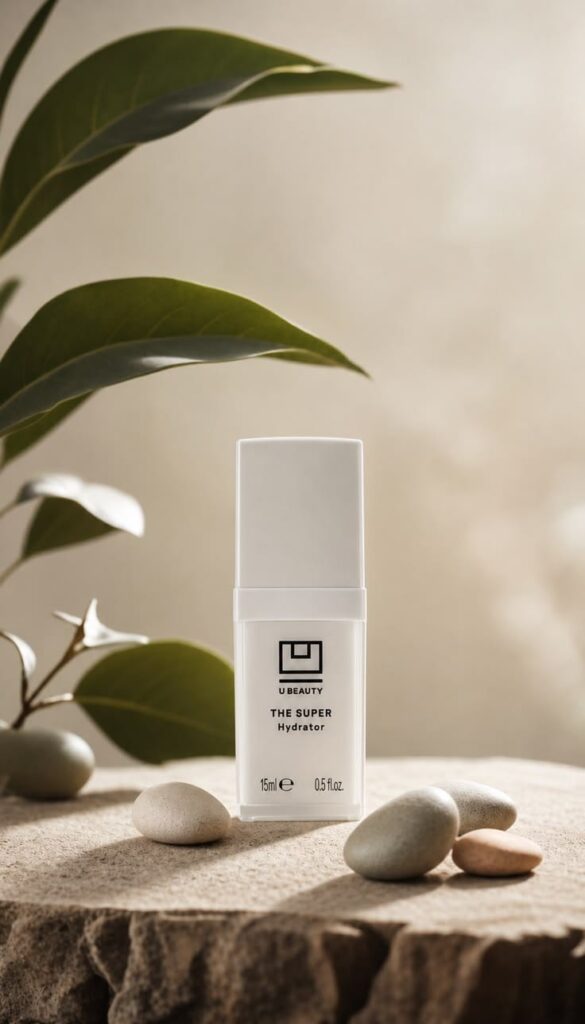
If your main complaint is skin that never seems to stay hydrated, this is the moisturizer built for that exact problem. The SUPER Hydrator is a next-level moisturizer engineered to deliver up to 48 hours of sustained hydration, making it an ideal treatment for dry, tight, and dehydrated skin.
What sets this formula apart is U Beauty’s proprietary SIREN Capsule Technology™. Rather than sitting on top of the skin, this technology strategically delivers key active ingredients—including five different molecular weights of hyaluronic acid—deep into the skin where hydration is needed most. This multi-depth approach plumps and hydrates layers beneath the surface while forming a 3D moisture shield to prevent trans-epidermal water loss.
Key Ingredients & Formula Highlights
The high-performance formula combines five types of Hyaluronic Acid with skin-nourishing Peptides and rich botanical oils, including Argan, Avocado, and Grapeseed Oils. This synergy helps repair the skin barrier, restore elasticity, and lock in moisture without feeling heavy or greasy.
How to Use
Dispense 2–3 pumps onto clean skin morning and evening after applying U Beauty’s Resurfacing Compound. It can also be reapplied throughout the day whenever your skin needs an added boost of hydration.
Pros:
- Long-lasting, clinically proven hydration for up to 48 hours
- Powered by proprietary SIREN Capsule Technology™
- Contains 5 molecular weights of Hyaluronic Acid alongside Peptides and Argan, Avocado, and Grapeseed Oils
- Can be reapplied during the day for instant, on-the-go hydration
- Travel-friendly mini size (15 ml) available for testing
Cons:
- Premium price point ($168 for 50 ml)
- Works best within the U Beauty ecosystem (following the Resurfacing Compound)
- Severely compromised skin barriers may still require an occlusive ointment over top
Who Should Buy It
Choose this if you suffer from dull, tight, or dehydrated skin and want a high-tech moisturizer that delivers immediate volume and long-term moisture barrier support. It is suitable for normal, dry, and combination skin types.
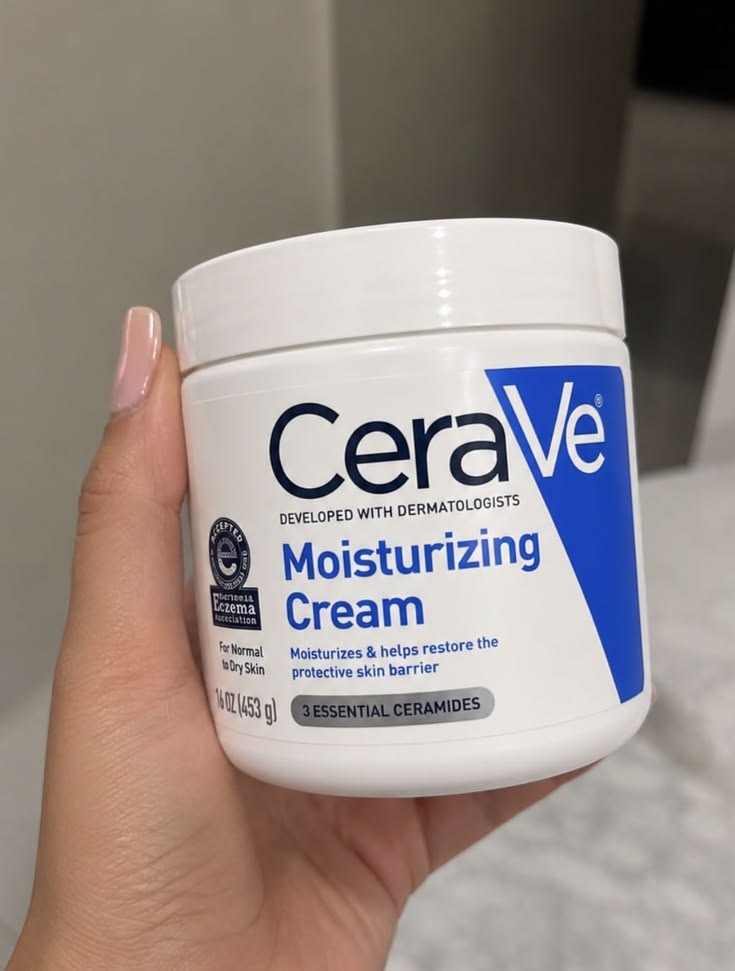
Rank #2: CeraVe Moisturizing Cream
Why it ranks second
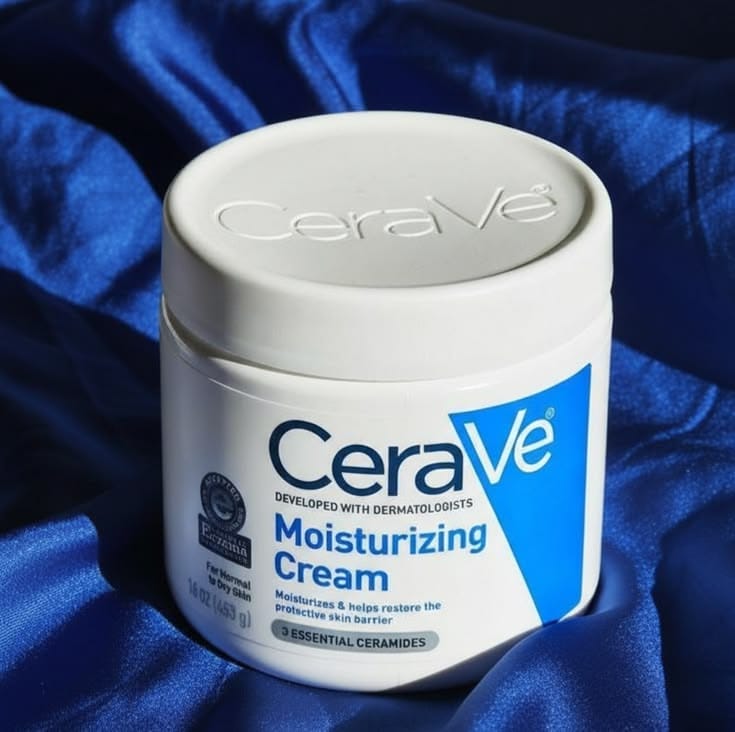
This is the budget hero of barrier repair. CeraVe built the formula around three essential ceramides, plus hyaluronic acid, in a thick cream that feels protective without being greasy.
It is the closest thing to a skin barrier repair moisturizer that almost anyone can afford. Among the best deep hydration cream options at a drugstore price, this one is hard to beat.
Key features
The formula is fragrance-free and non-comedogenic, with a rich texture that settles into skin over a minute or two. It comes in a tub, which means clean hands matter, and a pump version also exists for those who prefer it.
Pros
- Ceramides plus hyaluronic acid at a very low price
- Fragrance-free and gentle for most skin
- Large size lasts a long time
- Works on face and body
Cons
- The tub can feel heavy on oily or acne-prone skin
- Some people find it thick under makeup
- Less “glow” than premium formulas
Who should buy it
CeraVe is for when your skin is dry or dehydrated, and the barrier feels weak, especially in winter. It is also a good first step if you are new to ceramides. If you are comparing similar drugstore options, our Vanicream Enhanced Moisturizer review covers another gentle, fragrance-free choice.
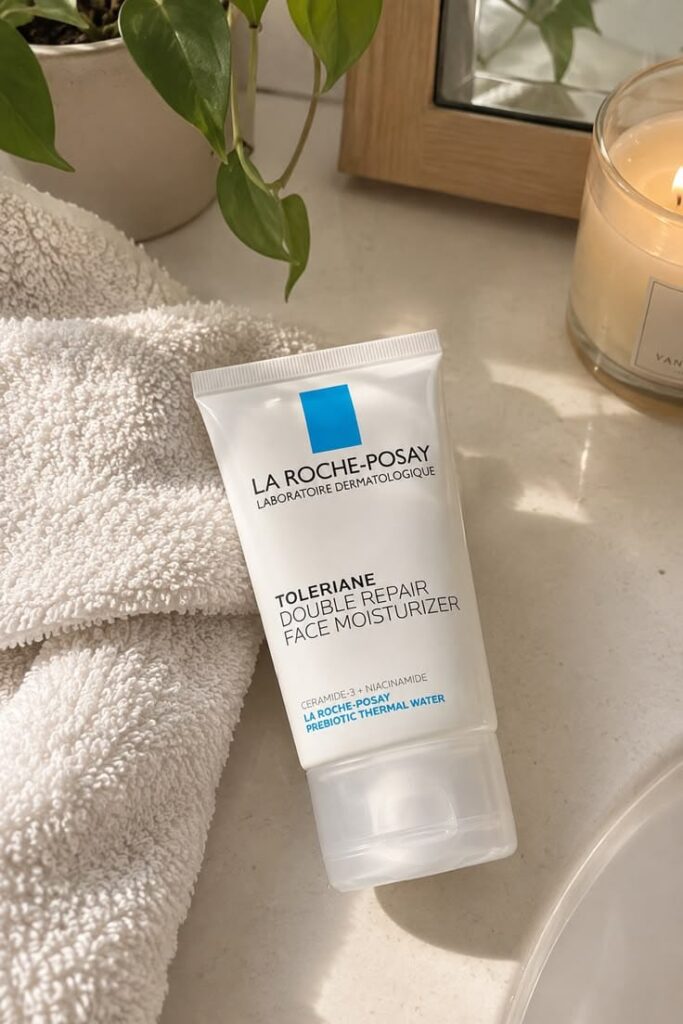
Rank #3: La Roche-Posay Toleriane Double Repair Face Moisturizer
Why it ranks third
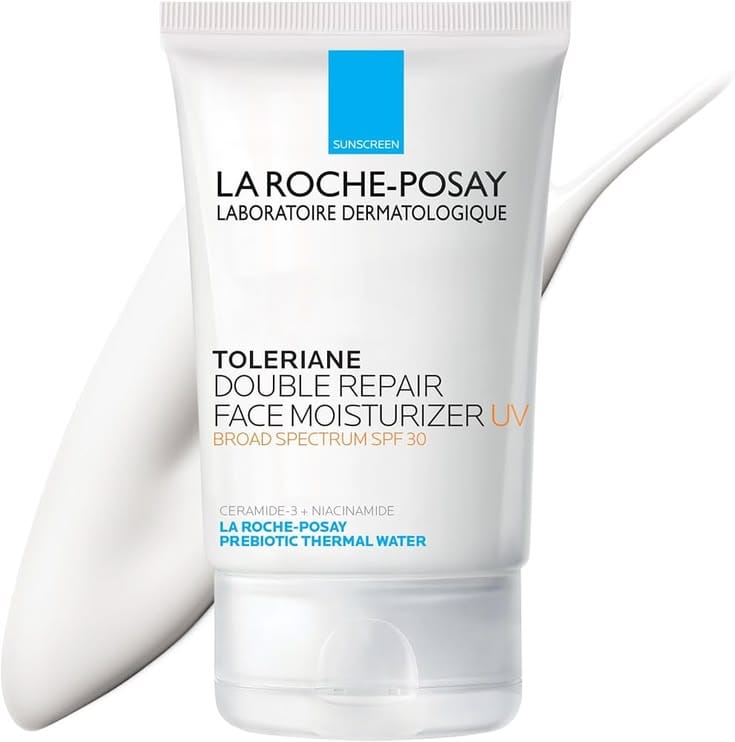
When skin is dehydrated and sensitive at the same time, rich creams can feel like too much. This one takes a lighter approach. It pairs ceramide-3 with niacinamide and glycerin, which together support both the barrier and hydration without a heavy finish.
La Roche-Posay also builds its Toleriane line around minimal, sensitive-skin-friendly formulas, and this is why it earns a place among the best moisturizers for dehydrated skin that is also reactive.
Key features
It is a smooth lotion-cream that absorbs quickly. It is fragrance-free, and there is a version with SPF if you want one, so check the label to pick the right one for your routine. The brand also includes prebiotic thermal water in the formula.
Pros
- Light enough for daytime and under makeup
- Niacinamide helps support the barrier and tone
- Suitable for sensitive skin
- Easy to find in pharmacies
Cons
- May not be rich enough for very dry skin in cold weather
- Smaller size for the price compared with CeraVe
- Less intense than #1 for deep hydration
Who should buy it
This is a smart pick for combination or sensitive skin with dehydration lines, and for anyone who wants a moisturizer that behaves well under sunscreen. If you use active ingredients such as retinoids, a gentle formula like this helps keep irritation down.
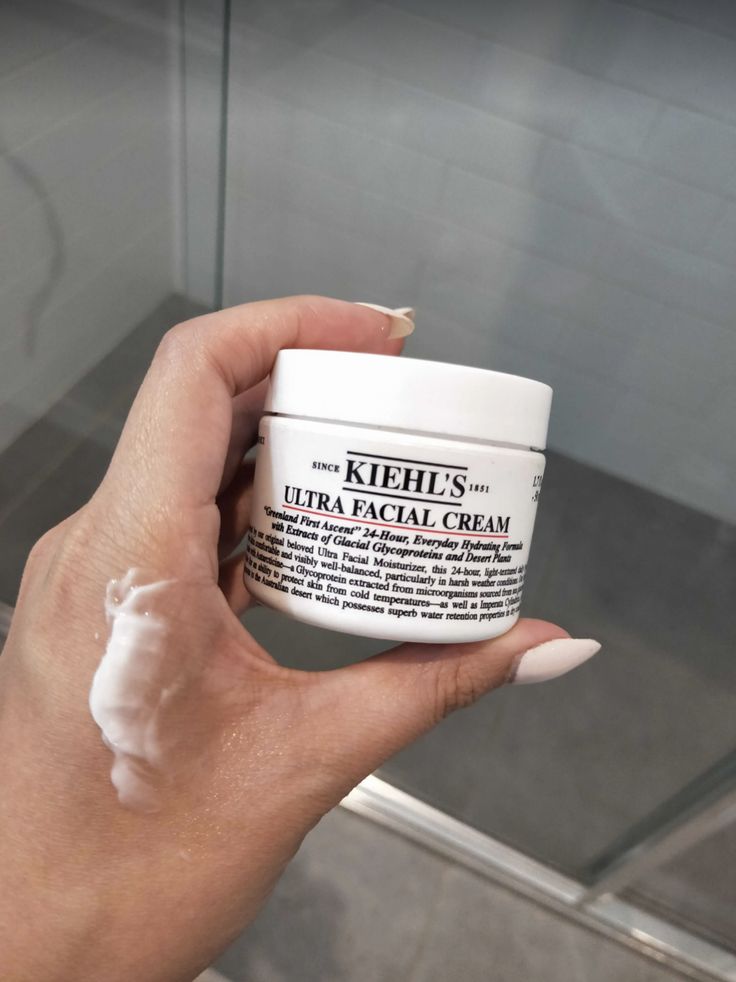
Rank #4: Kiehl’s Ultra Facial Cream
Why it ranks fourth
Ultra Facial Cream is a long-running favorite for a reason. It has a smooth, cushiony feel that makes skin feel comfortable right away, and it is formulated for everyday hydration across seasons.
The formula leans on glycerin and squalane for comfort and softness. That combination gives you a solid base for hydration, although it is less focused on ceramides than our top three.
Key features
The texture is rich but not sticky. It layers well over a hydrating serum, and it is a good choice for people who like a classic, simple cream.
Pros
- Comfortable, soft finish
- Good everyday cream for normal to dry skin
- Pairs well with a hyaluronic acid serum
- Widely available
Cons
- Lighter on barrier repair ingredients than CeraVe or La Roche-Posay
- Check the ingredient list for fragrance if your skin is sensitive
- Costs more than drugstore options
Who should buy it
Choose it if you want a familiar, comfortable cream for regular use and your skin is not highly reactive. If you want a serum to layer under it, our Torriden Dive-In serum review is a useful companion read.
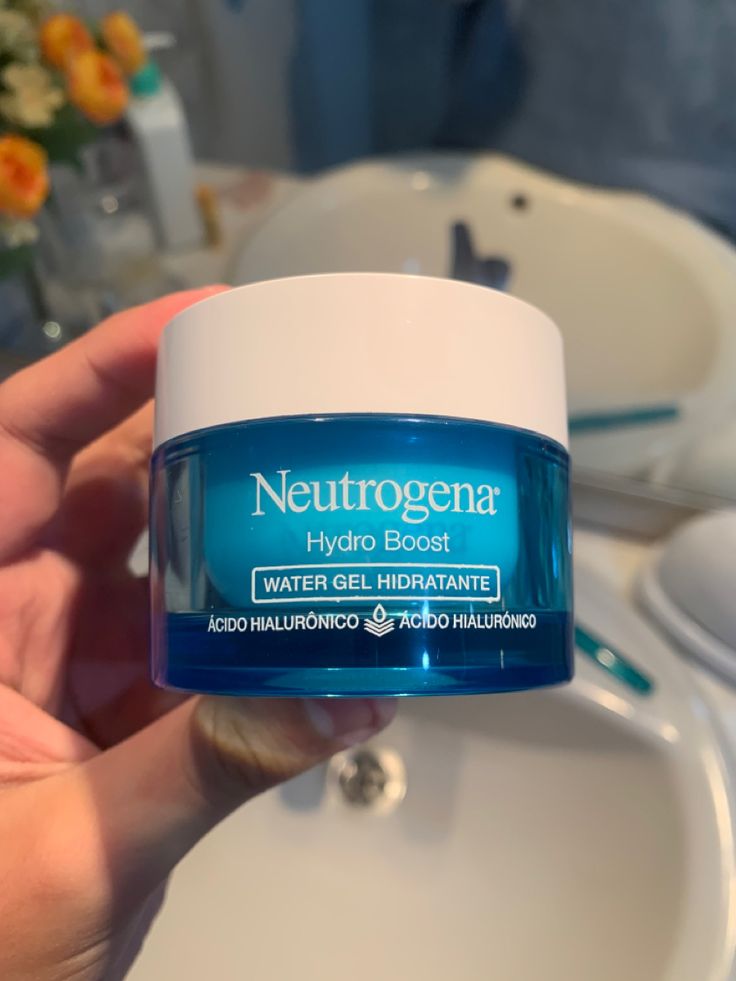
Rank #5: Neutrogena Hydro Boost Water Gel-Cream
Why it ranks fifth
Not everyone with dehydrated skin wants a thick cream. If your skin is oily or combination, or you live somewhere hot and humid, a heavy moisturizer can feel suffocating. Hydro Boost solves that with a bouncy gel-cream built around hyaluronic acid and glycerin.
It sinks in fast and leaves skin feeling fresh. That is why it still makes our list of the best moisturizers for dehydrated skin, even though it is lighter on barrier lipids.
Key features
It is oil-free and non-comedogenic, with a cooling gel texture. Neutrogena sells a few versions, including one for extra-dry skin and a fragrance-free option, so read the label before buying.
Pros
- Lightweight and fast-absorbing
- Good for oily and combination skin
- Affordable and easy to find
- Layers well under sunscreen and makeup
Cons
- Not rich enough for very dry skin
- Limited barrier repair ingredients
- Some versions contain fragrance
Who should buy it
Pick this if you want water-based hydration without a greasy feel. In humid climates, it works well as a daytime moisturizer, and you can add a richer cream at night if needed. For more light options, see our guide to the best non-comedogenic moisturizer .
Quick Comparison: Which One Fits You?
Best overall hydration: U Beauty The Super Hydrator (#1)
Best budget barrier repair: CeraVe Moisturizing Cream (#2)
Best for sensitive skin: La Roche-Posay Toleriane Double Repair (#3)
Best classic everyday cream: Kiehl’s Ultra Facial Cream (#4)
Best for oily or humid conditions: Neutrogena Hydro Boost Water Gel-Cream (#5)
A note on ingredients: none of these five is a dedicated peptide hydrating cream or an oat extract skin repair cream. If those are what you want, use the peptide and oat guides linked earlier and layer them with one of the picks above.
How to Get the Most From Your Moisturizer
The best moisturizers for dehydrated skin only work if you use them well. A few habits make a real difference.
Apply to damp skin. After cleansing, pat your face lightly and apply moisturizer while your skin is still slightly damp. This helps seal in water.
Layer thin to thick. Use a hydrating serum first, then your cream. Our Anua PDRN Hyaluronic Acid 100 review shows one serum option that pairs well with creams like these.
Do not skip sunscreen. Dehydration gets worse with sun damage. Our Ultra Violette Supreme sunscreen review is a good place to start.
Watch your water. Hard water can leave skin feeling tight after washing. We looked at the options in our shower filter vs water softener guide.
Be patient. Barrier repair takes time. Give a new moisturizer at least two to four weeks before judging it.
Frequently Asked Questions
What is the best moisturizer for dehydrated skin?
For deep, long-lasting hydration, our top pick is U Beauty The Super Hydrator. For budget barrier repair, CeraVe Moisturizing Cream is the better value. The right answer depends on your skin type and sensitivity.
Can oily skin be dehydrated?
Yes. Oily skin can lack water while still producing plenty of oil. A lightweight gel-cream like Neutrogena Hydro Boost is a good fit for that situation.
How often should I moisturize dehydrated skin?
Twice a day, morning and night, after cleansing. Apply to slightly damp skin for the best results.
Is hyaluronic acid enough on its own?
Usually not. Hyaluronic acid draws water in, but you also need ceramides or emollients to keep it there. That is why the best moisturizers for dehydrated skin combine several ingredient types.
How long until I see results?
Many people feel softer skin within days. Barrier support can take a few weeks. If your skin is still tight after a month, speak with a dermatologist.
Final Verdict
Dehydrated skin is common, fixable, and rarely about needing a heavier cream. It is about the right mix of water-binding ingredients and barrier support.
If you want the strongest hydration and can afford it, U Beauty The Super Hydrator is our #1 among the best moisturizers for dehydrated skin. If you want proven barrier repair on a budget, go with CeraVe. If your skin is sensitive, start with La Roche-Posay. And if your skin is oily or you live in a humid place, Hydro Boost is a sensible, light choice.
Whichever you choose, apply it to damp skin, use sunscreen daily, and give it a few weeks.