The Ordinary vs Naturium Niacinamide: Which Serum Wins in 2026?
If you have ever stood in front of a skincare shelf or a shopping cart trying to pick between two niacinamide serums, you already know how confusing it gets. Both bottles promise smaller-looking pores. Both promise calmer, clearer skin. And both cost less than a decent lunch.
That is exactly why the Ordinary vs Naturium niacinamide debate keeps showing up in skincare forums, Reddit threads, and comment sections.
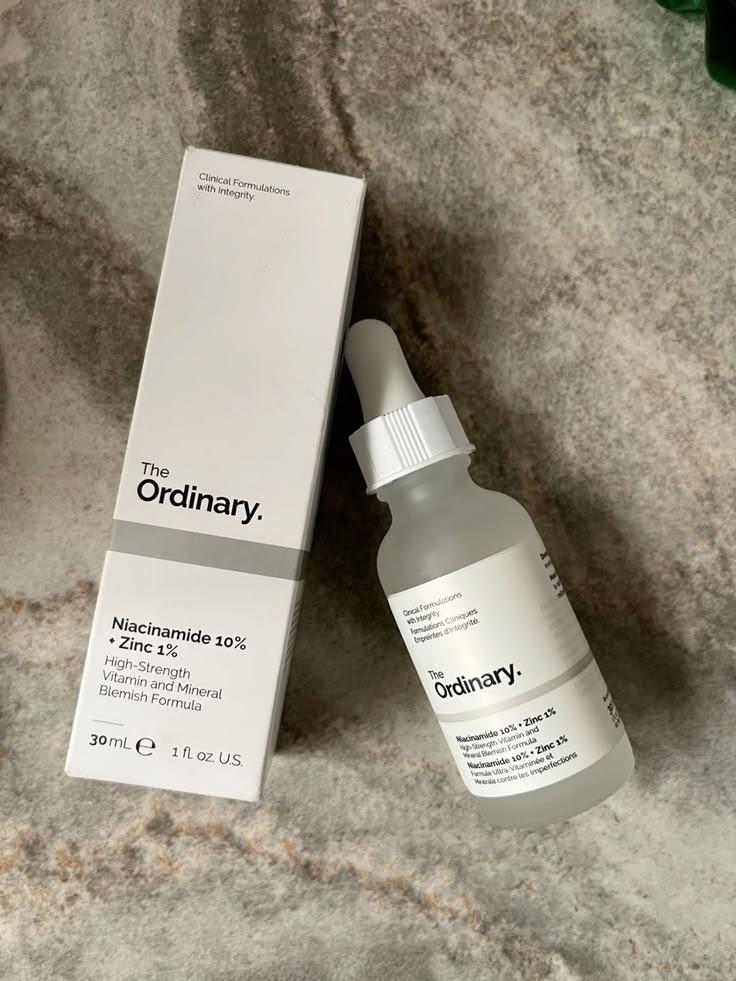
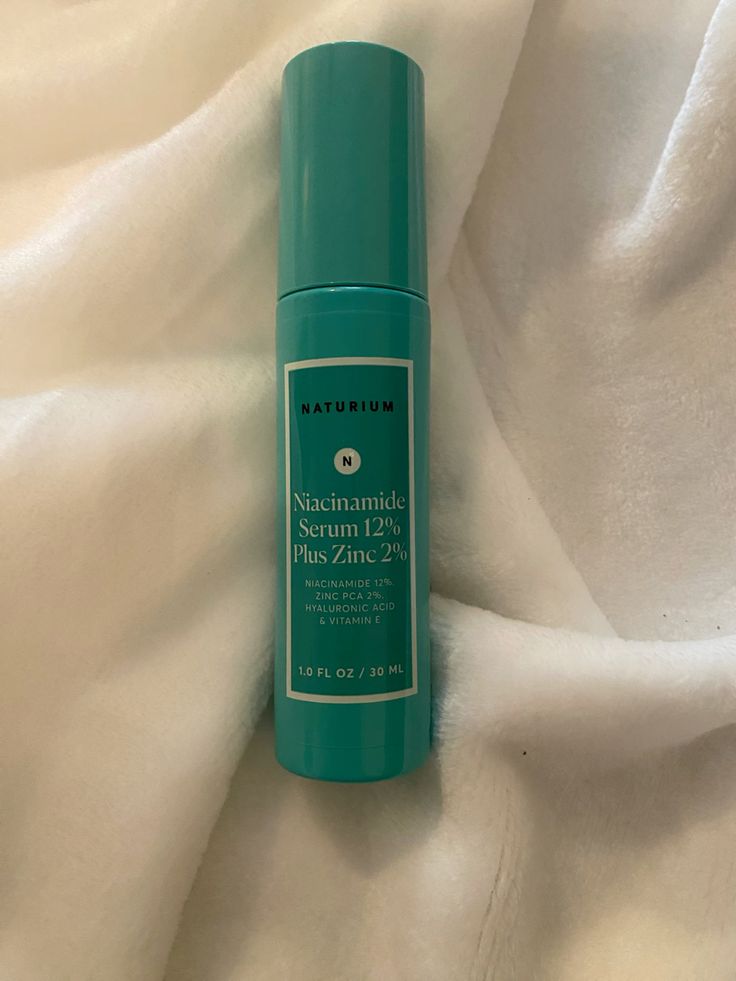
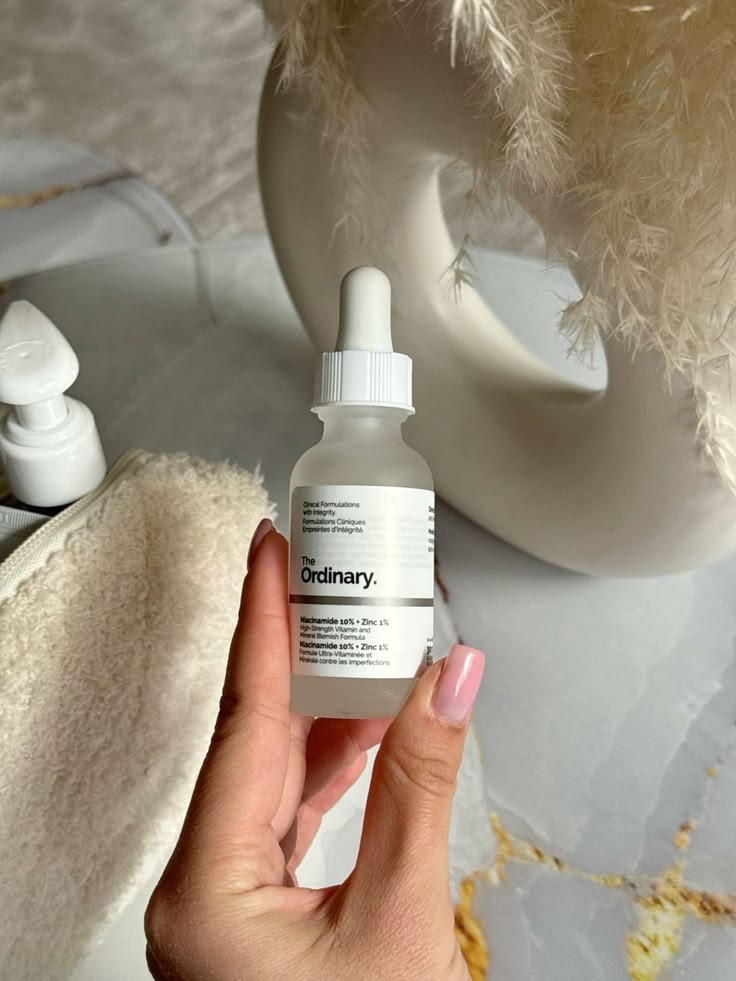
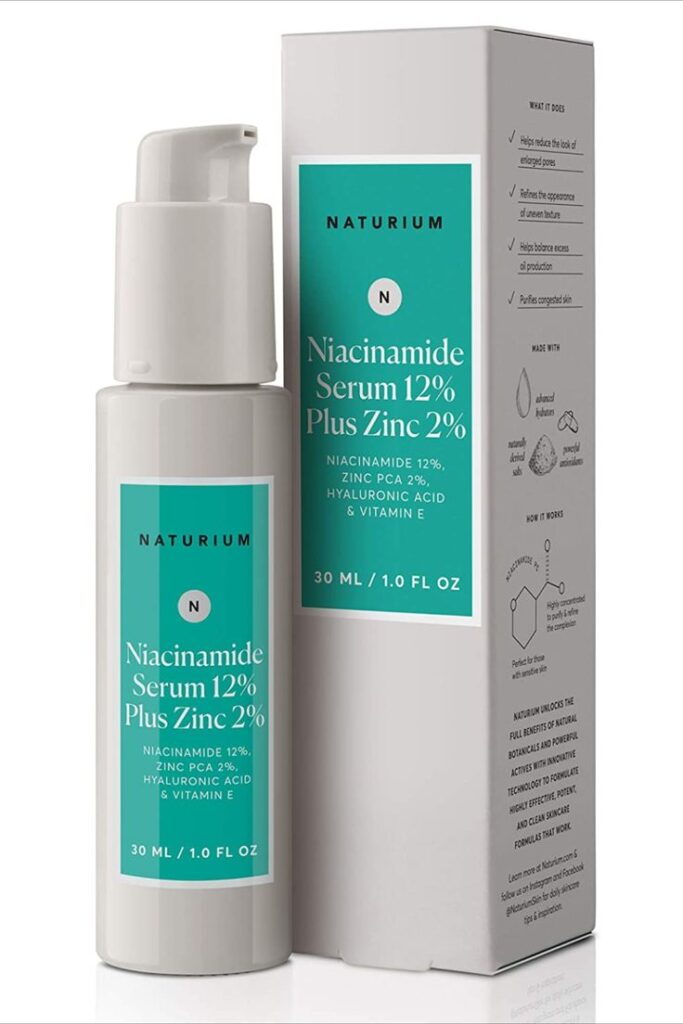
The Ordinary Niacinamide 10% + Zinc 1% is the budget classic that made high-strength niacinamide mainstream. Naturium Niacinamide Serum 12% Plus Zinc 2% is the newer, slightly pricier challenger with a higher dose and a silkier finish.
Vs
On paper, the numbers look close. In real life, the two feel quite different on your face.
In this guide, we compare the Ordinary niacinamide vs Naturium niacinamide in detail. We look at ingredients, texture, price, performance on acne-prone skin, and what everyday users report. By the end, you will know which one fits your skin type and your budget, and which one you can skip.
Quick Summary
Short on time? Here is the fast version.
The Ordinary Niacinamide 10% + Zinc 1% is the better pick if you want the best value, have sensitive or easily irritated skin, or are new to niacinamide. It costs only a few dollars, the formula is simple, and 10% is plenty for most people.
Naturium Niacinamide Serum 12% Plus Zinc 2% is the better pick if you have oily or congested skin, want a smoother and more elegant texture, and your skin already tolerates active ingredients. The extra zinc and the silicone-based slip make it feel more refined.
Quick comparison:
The Ordinary: 10% niacinamide, 1% zinc PCA, 30 ml or 60 ml, roughly $6 to $8 for the small bottle, a thin, water-like gel that can feel slightly tacky.
Naturium: 12% niacinamide, 2% zinc PCA, 30 ml, about $17 (around £18 in the UK), a silky lightweight serum that dries down smooth.
Our verdict: For most people, The Ordinary wins on value. For oily, acne-prone skin that handles actives well, Naturium wins on feel and extra oil control. If your skin is reactive, start with The Ordinary.
Affiliate Disclosure and Editorial Team
Affiliate Disclosure: This is not a sponsored post. Review Dermatica is reader-supported, so some links here are affiliate links. If you buy through them, we may earn a small commission at no extra cost to you. It never changes our opinion.
Editorial Team: Written by Asim, founder and lead analyst, with clinical research support from co-founder Tahmina Zannat Lamya. This article is for education only, not medical advice.
What Is Niacinamide, and Why Do Both Serums Use So Much of It?
Niacinamide is the amide form of vitamin B3. It is water-soluble, stable, and gentle compared with many other actives, which is why it ended up in everything from budget serums to luxury creams.
The science behind it is reasonably solid. A review in the Journal of Cosmetic Dermatology discusses topical niacinamide in the treatment of acne, melasma, atopic dermatitis, and rosacea. Another review in the journal Antioxidants covers its role in skin aging and pigmentation.
In plain language, niacinamide can help with:
Visible pores and oiliness. It does not shrink pores physically, but better oil balance makes them look smaller.
Uneven tone and post-acne marks. Over weeks, it can help fade dark spots.
Barrier support. It helps skin hold water, which is useful if you are also using stronger products.
Redness and inflammation. This is part of why it shows up in acne routines.
Zinc PCA, the second star in both formulas, is a zinc salt used to help regulate sebum. That is why you see it paired with niacinamide in almost every “blemish” serum.
If you want more detail on how The Ordinary stacks up against another big name, our comparison of The Ordinary vs Paula’s Choice is a good companion read.
The Ordinary vs Naturium Niacinamide at a Glance
Before we go deeper, here is a simple side-by-side.
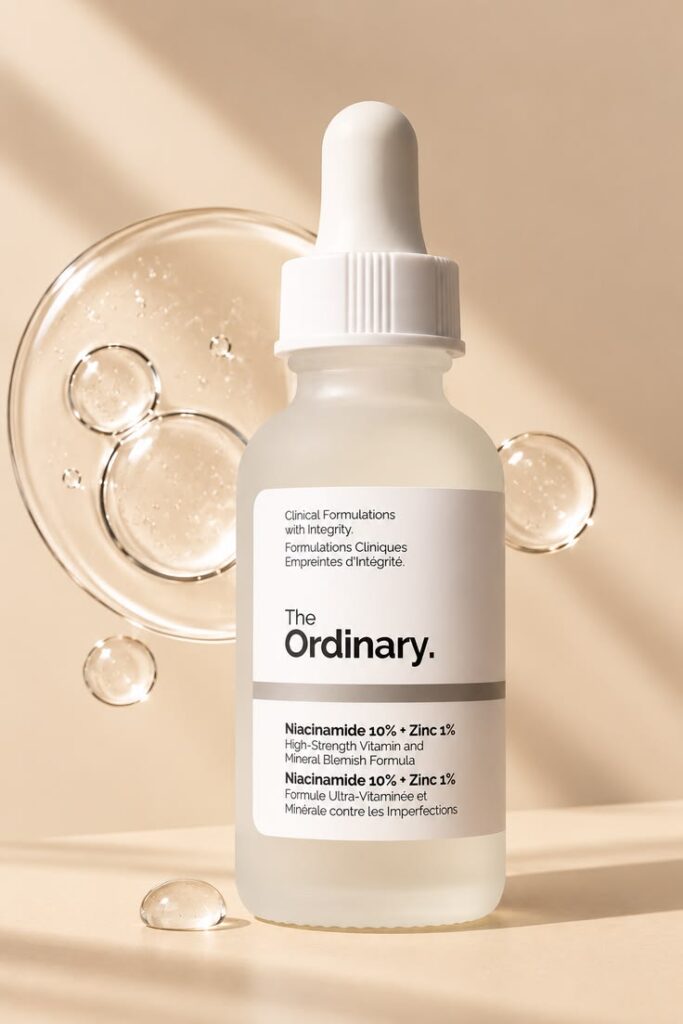
The Ordinary Niacinamide 10% + Zinc 1%
Niacinamide: 10%
Zinc PCA: 1%
Sizes: 30 ml and 60 ml
Texture: Thin, watery gel
Finish: Can feel slightly tacky
Price: Very low, with the 60 ml size giving the best value
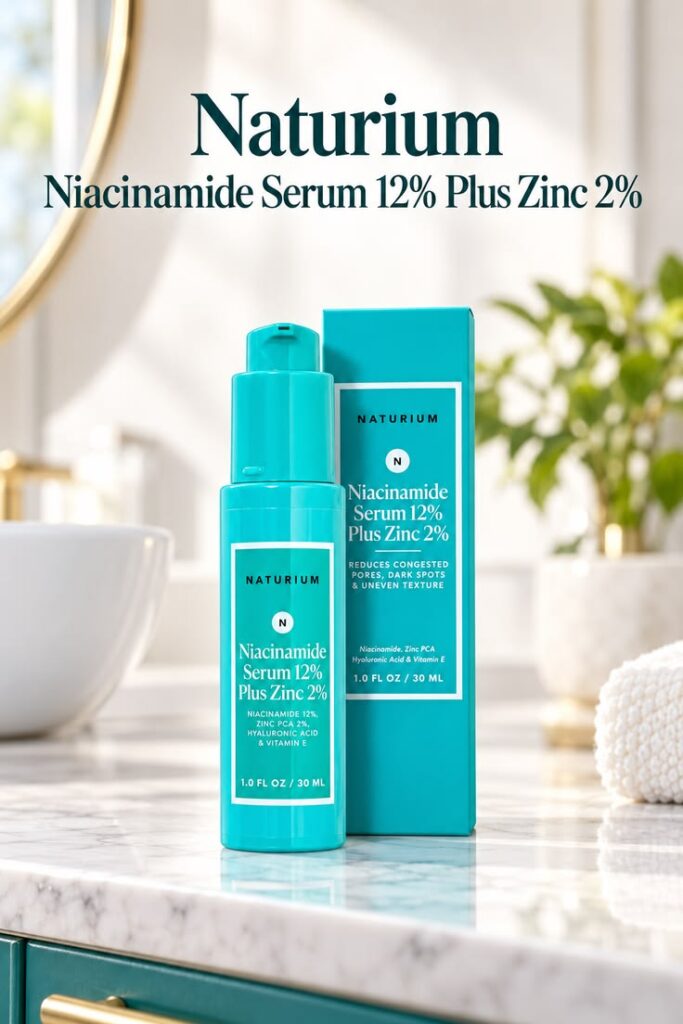
Naturium Niacinamide Serum 12% Plus Zinc 2%
Niacinamide: 12%
Zinc PCA: 2%
Size: 30 ml (1 fl oz)
Texture: Lightweight, silky serum
Finish: Smooth, slightly soft
Price: Around $17 in the US and about £18 at Boots in the UK
So the Ordinary vs Naturium niacinamide question really comes down to three things: how much your skin can handle, how much you care about texture, and how much you want to spend.
Ingredients Breakdown
The Ordinary Niacinamide 10% + Zinc 1% Ingredients
The full ingredient list reads: Aqua (Water), Niacinamide, Pentylene Glycol, Zinc PCA, Dimethyl Isosorbide, Tamarindus Indica Seed Gum, Xanthan Gum, Isoceteth-20, Ethoxydiglycol, Phenoxyethanol, Chlorphenesin.
It is a short, clean, no-nonsense list. There is no fragrance, no essential oils, and no heavy extras. Pentylene Glycol adds light hydration and helps the preservative system. Dimethyl Isosorbide helps other ingredients absorb. Tamarind seed gum and xanthan gum give the serum its slightly gel-like body.
That short list is part of the appeal. Fewer ingredients means fewer chances of irritation for some people.
Naturium Niacinamide Serum 12% Plus Zinc 2% Ingredients
The Naturium list reads: Water, Niacinamide, Propanediol, Glycerin, Zinc PCA, Polyacrylate Crosspolymer-11, Sodium Hyaluronate, Dimethicone, Caprylyl Glycol, Phenoxyethanol, Xanthan Gum, Potassium Sorbate, Glyceryl Polyacrylate, Tocopheryl Acetate, Hexylene Glycol, Citric Acid.
This one has a little more going on. Glycerin and sodium hyaluronate add hydration. Tocopheryl Acetate is a form of vitamin E. And Dimethicone, a silicone, is the reason this serum glides on so smoothly and leaves a soft, primer-like finish.
If you prefer to avoid silicones, that is worth noting. If you like a silky feel, that is a point in its favor.
For readers who care about the hydration side of things, our guide on hyaluronic acid vs glycerin explains why both of these humectants matter.
Is 12% Niacinamide Really Better Than 10%?
This is the question most people actually want answered, so let us be honest.
Not necessarily.
Most of the benefit of niacinamide shows up well below 10%. Going from 10% to 12% is a small step, not a leap. Higher strength does not automatically mean faster or better results. It does, however, raise the chance of flushing, tingling, or irritation in some skin types.
The more meaningful difference is the zinc. Naturium uses 2% zinc PCA, which is double what The Ordinary uses. If your main goal is oil control, that extra zinc may matter more than the extra 2% niacinamide.
So if someone tells you Naturium is simply “stronger and therefore better,” take it with a grain of salt. Stronger is not the same as better for your face.
Texture, Feel, and Daily Use
This is where the two serums feel most different.
The Ordinary Texture
The Ordinary formula is thin and watery with a slightly gel-like slip. It spreads easily, but it can feel a little sticky as it dries. Some people find it a bit tacky for a few minutes.
A related issue, often discussed by users, is pilling. If you layer a sunscreen or moisturizer over it too soon, or use too much product, small flakes can roll off the skin. The fix is simple. Use only a few drops, let it settle for a minute or two, and then continue your routine.
Naturium Texture
Naturium feels more like a modern, polished serum. It is smooth and lightweight, spreads evenly, and dries to a soft finish with little stickiness. That finish comes largely from the dimethicone.
If you wear makeup, many people find it layers more comfortably under foundation. If you dislike any hint of tackiness, this is the more pleasant of the two.
Texture winner: Naturium. It is not close.
Performance for Acne-Prone Skin
Since this is where most readers land, let us treat it with care.
Neither product is an acne treatment on its own. They support clearer skin by helping regulate oil, calming redness, and fading the marks acne leaves behind. If you have active, painful, or cystic acne, you should still talk to a dermatologist.
With that said, here is how each one tends to behave.
The Ordinary works well for mild to moderate breakouts, shiny T-zones, and visible pores. It is gentle enough that many people can use it twice a day. The effect builds slowly. Most people need around four to eight weeks before judging results.
Naturium takes a stronger approach, with more niacinamide and double the zinc. For very oily, congested skin, that combination can feel more effective at keeping shine under control through the day. On the other hand, it is also the one more likely to cause that warm, tingly feeling on a skin barrier that is already stressed.
If you are in the middle of a flare-up and your skin already feels raw, neither of these is the first thing to reach for. Calm the barrier first. Our guide to the best non-comedogenic moisturizers can help you pick a simple partner product.
Anyone dealing with stubborn blackheads might also enjoy our review of the COSRX BHA Blackhead Power Liquid, which pairs nicely with a niacinamide serum on alternate nights.
Which One Is Better for Your Skin Type?
Oily Skin
Naturium has a slight edge. The 2% zinc PCA and the lightweight finish suit oily skin that wants control without heaviness.
Combination Skin
Both work. The Ordinary is the safer starting point. Naturium is good if your T-zone is very oily and your cheeks tolerate actives.
Dry Skin
The Ordinary is usually easier to live with, simply because it is the milder option. Whichever you choose, follow it with a good moisturizer. Our roundup of the best moisturizers for dehydrated skin is a helpful place to start.
Sensitive Skin
Start with The Ordinary, and patch test first. A 12% serum is simply a lot for reactive skin. We cover gentler options in our guide to the best products for sensitive skin and the best skincare brands for sensitive skin.
Mature Skin
Both can help with tone and texture. If fine lines are your main concern, niacinamide is a supportive player rather than a star. Our guide to the best skincare for mature skin goes deeper.
Price and Value
Money is a big part of the Ordinary niacinamide vs Naturium niacinamide decision, so let us talk numbers.
The Ordinary Niacinamide 10% + Zinc 1% Price
The Ordinary Niacinamide 10% + Zinc 1% Price
The 30 ml bottle typically sits at roughly $6 to $8 in the US. The larger 60 ml bottle often costs about $12 to $13 at big retailers. In Europe, the 60 ml size can drop to around €10 at some stores.
Cost per milliliter: about $0.20 to $0.27 for the 30 ml, and about $0.20 to $0.22 for the 60 ml.
How long it lasts: with two or three drops per application, a 30 ml bottle lasts about two to three months, and a 60 ml bottle lasts about four to six months.
Monthly cost: roughly $2 to $3.
Yearly cost: roughly $25 to $35.
The 60 ml size is the smart buy if you already know your skin likes niacinamide. It gives you the lowest cost per milliliter and keeps you stocked for half a year.
Naturium Niacinamide Serum 12% Plus Zinc 2% Price
Naturium costs more.
In the US, it is typically around $17 for 30 ml. In the UK, it sits at about £18 at Boots for the same size. There is only one size, so you cannot save by buying bigger.
Cost per milliliter: about $0.57, or roughly £0.60 in the UK.
How long it lasts: about two to three months with daily use.
Monthly cost: roughly $6 to $8.
Yearly cost: roughly $70 to $80.
So what does the extra money buy? Mainly three things. First, the higher dose, 12% niacinamide instead of 10%, which is a small jump. Second, double the zinc, 2% zinc PCA instead of 1%, which is the more meaningful upgrade for oil control. Third, the silky, non-tacky texture that comes from dimethicone and the extra humectants. For many people, that finish is what they are really paying for.
Retailers sometimes run discounts on Naturium, which narrows the gap a little.
Side Effects and Who Should Be Careful
Niacinamide is generally well tolerated, but high concentrations are not for everyone. Some people experience:
Redness or flushing
Tingling or mild burning
Small bumps or purging-like breakouts
Dryness if used with too many other actives
If your skin barrier is damaged, wait until it recovers. Always patch test on the inner arm or behind the ear for a couple of days.
It is also worth knowing that zinc PCA, phenoxyethanol, and other common ingredients can bother people with specific sensitivities. If you have a known ingredient allergy, read the label every time, because formulas can change.
For more on the science of safety and mechanism, this open-access review on niacinamide’s functions in skincare is a useful read, and so is this overview of nicotinamide’s mechanism of action in dermatology.
How to Use Either Serum for the Best Results
Whichever bottle you choose, a few habits make a big difference.
First, apply to clean, slightly damp skin. Two or three drops are enough for the whole face. More does not mean better, and it is the number one cause of pilling.
Second, start slow. Use it once a day for the first week or two, then move to twice daily if your skin is calm.
Third, wait one to two minutes before the next step. This lets the serum settle and reduces tackiness.
Fourth, always finish with moisturizer and sunscreen in the morning. Niacinamide supports your skin, but sunscreen is what protects the results. If you need a recommendation, our review of the Ultra Violette Supreme Screen and our comparison of ELTAMD UV Clear vs Supergoop Unseen are good starting points.
Fifth, be careful with strong exfoliants. If you also use acids, alternate nights rather than stacking everything at once. Our guide to the best at-home chemical peels explains how to space them out.
Finally, give it time. Most people see changes in oil and texture within a few weeks and changes in dark marks after two to three months.
What Else Pairs Well With Niacinamide?
Niacinamide plays well with most ingredients. Good partners include hyaluronic acid, ceramides, peptides, and gentle moisturizers.
If you like peptides, you may enjoy our review of The Ordinary Multi-Peptide + HA Serum, formerly known as Buffet, and our explainer on peptides vs retinol.
If breakouts are your top concern and you want another option to compare, take a look at the La Roche-Posay Effaclar Ultra Concentrated Serum and the Anua Azelaic Acid Serum ingredients.
If you are curious about the K-beauty side of the shelf, our comparisons of Beauty of Joseon vs Anua and COSRX vs Beauty of Joseon are worth a read.
The Final Verdict: The Ordinary vs Naturium Niacinamide
After comparing ingredients, texture, price, and user feedback, here is where we land.
Choose The Ordinary Niacinamide 10% + Zinc 1% if:
You are new to niacinamide.
Your skin is sensitive or easily irritated.
You want the best value.
You are happy to trade a bit of elegance for a very low price.
Choose Naturium Niacinamide Serum 12% Plus Zinc 2% if:
Your skin is oily or congested.
You already tolerate actives well.
You want a smoother texture that layers nicely under makeup.
You do not mind paying more for the finish.
So, which is better? Honestly, there is no single winner. If we had to pick one for the largest number of readers, we would pick The Ordinary, because it delivers most of the benefit at a much lower price and with less risk of irritation.
But if you have very oily skin and you have already proven that your barrier can handle active ingredients, Naturium is a genuinely good upgrade. The extra zinc and the silky feel are real advantages.
And if you are still searching for the best niacinamide serum for your own face, the smartest move is to start with the gentler option, patch test, and move up only if your skin asks for more.
Frequently Asked Questions
Is The Ordinary or Naturium niacinamide better for acne-prone skin?
Both can support acne-prone skin. Naturium has more zinc and may help more with oil control, while The Ordinary is gentler and easier to start with. Neither replaces proper acne treatment.
Can I use The Ordinary and Naturium niacinamide together?
There is no reason to. Using two niacinamide serums at once adds irritation risk without adding much benefit. Pick one.
Is 12% niacinamide too strong?
For many people, no. For sensitive or reactive skin, it can be. Start with a patch test and build up slowly.
How long does niacinamide take to work?
Oil balance and texture can change in a few weeks. Dark marks usually need two to three months of steady use.
Can I use niacinamide with vitamin C or retinol?
Yes, for most people. Many users layer it with both. Introduce one new product at a time and watch how your skin reacts.
Does niacinamide shrink pores?
Not permanently. It can make pores look smaller by reducing excess oil and improving skin texture.
Final Thoughts
The Ordinary vs Naturium niacinamide is really a choice between simple and smooth. One is cheap, gentle, and dependable. The other is pricier, silkier, and a bit stronger.
Start with what your skin can comfortably handle, give it at least a month, and pair it with a good moisturizer and daily sunscreen. That combination matters more than the logo on the bottle.