
Aveeno Oat Gel Moisturizer Ingredients: 2026 Powerful Soothing Guide
If your face has ever felt tight, flushed, or irritated after trying a “gentle” moisturizer that turned out to be anything but gentle, you already understand why so many people are searching for the Aveeno oat gel moisturizer ingredients list before they buy. Sensitive skin doesn’t forgive guesswork, and a single fragrance molecule or harsh surfactant can undo weeks of careful skincare.
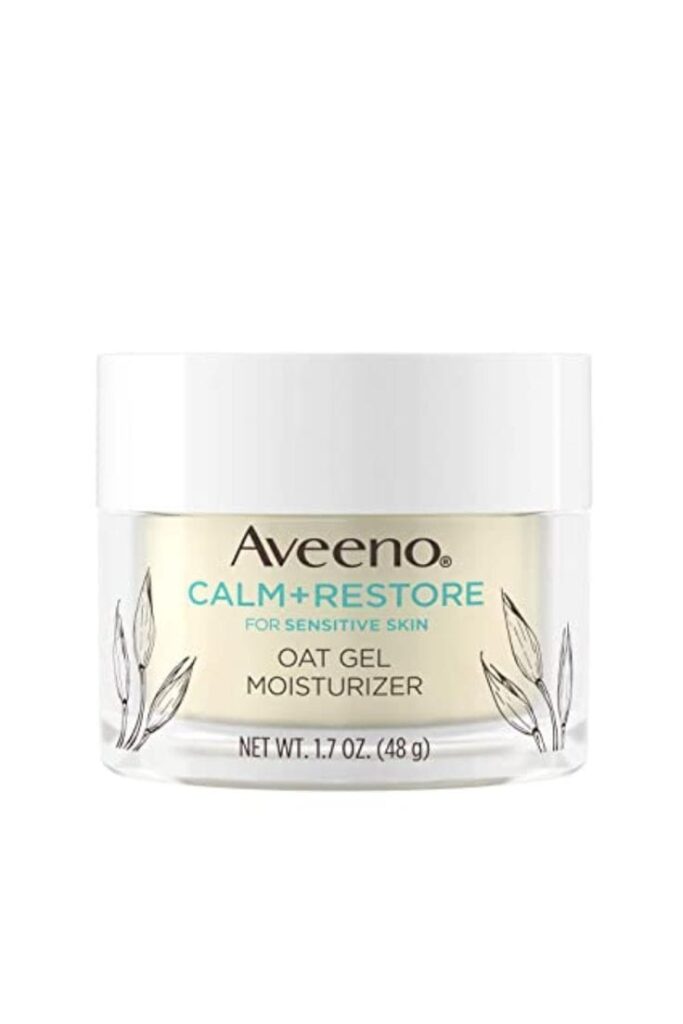
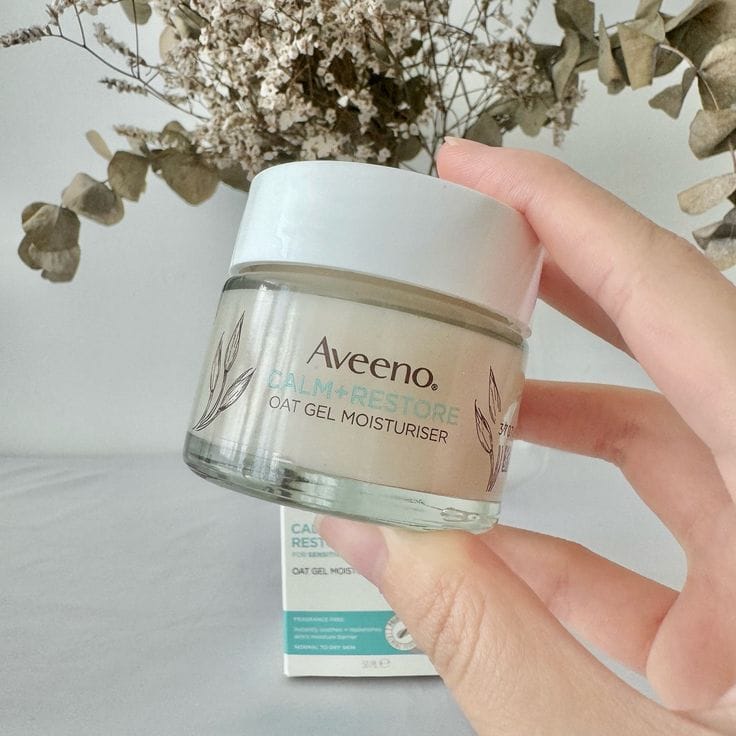
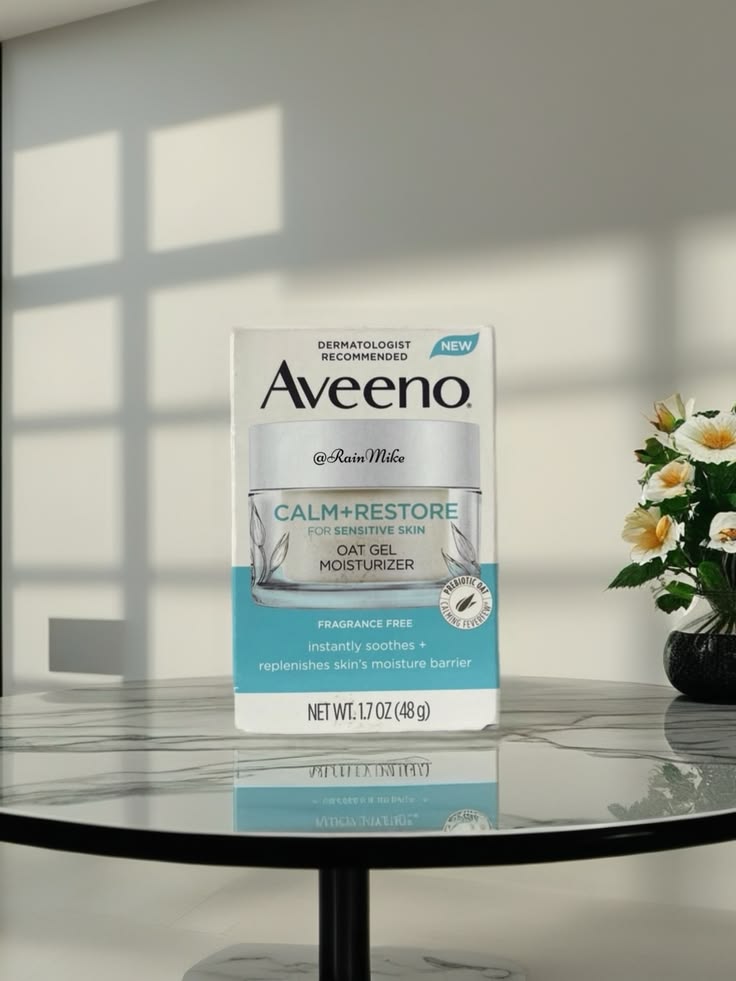
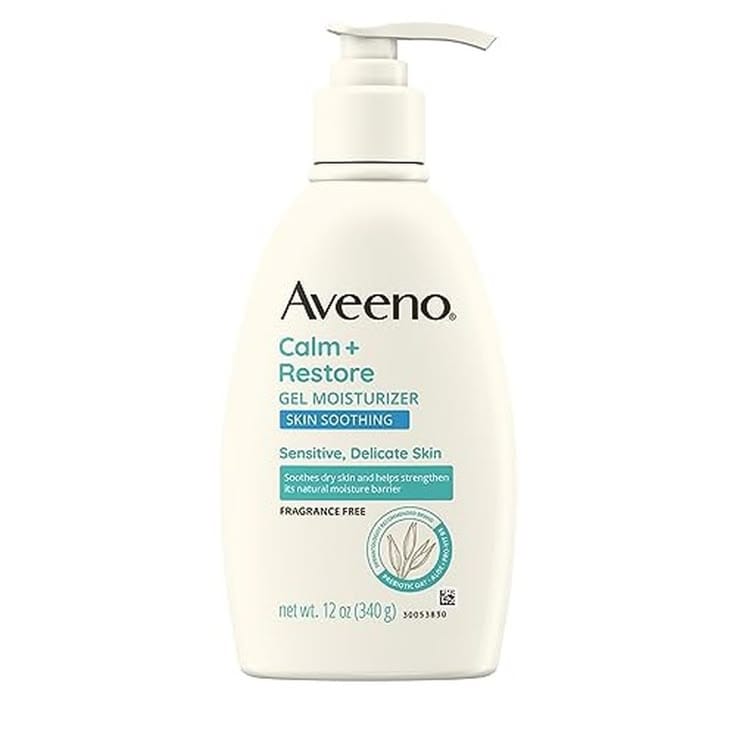
The Aveeno Calm Restore Oat Gel Moisturizer has become one of the most talked-about drugstore picks for reactive, easily irritated skin, largely because of two standout ingredients: prebiotic oat and feverfew. But what do these ingredients actually do once they’re on your skin, and does the rest of the formula hold up to scrutiny? In this Aveeno oat gel moisturizer review, we’re breaking down every ingredient, checking the clinical research behind the headline actives, looking at real-world performance, and covering the Aveeno Calm Restore Oat Gel Moisturizer price so you know exactly what you’re paying for.
Quick Summary
The Aveeno Calm + Restore Oat Gel Moisturizer is a lightweight, fragrance-free gel built around prebiotic colloidal oat and feverfew (chrysanthemum parthenium), supported by centella asiatica, panthenol, and dimethicone. It’s designed for sensitive, reactive, dry, or barrier-compromised skin that needs calming hydration without heaviness or grease. It’s not a heavy-duty ceramide cream, so if you have very dry or eczema-prone skin that needs deeper barrier repair, one of the three alternatives near the end of this guide may serve you better.
Affiliate Disclosure
Review Dermatica is reader-supported. When you buy through links on this page, we may earn an affiliate commission at no extra cost to you. This does not influence our testing process or our opinions.
Editorial Team
This article was researched and fact-checked by the Review Dermatica editorial team, combining hands-on product testing with a review of peer-reviewed dermatological literature.
What Is the Aveeno Calm Restore Oat Gel Moisturizer?
The Aveeno Calm Restore Oat Gel Moisturizer sits in Aveeno’s “Calm + Restore” line, a range built specifically for sensitive and irritated skin rather than general dry skin. Unlike a traditional cream, it has a gel-cream texture: it feels cool and light going on, absorbs quickly, and doesn’t leave the greasy film that heavier moisturizers can leave behind.
That texture matters more than people realize. Sensitive skin doesn’t just react to specific chemicals; it often reacts to occlusion and heaviness too, which is why a lightweight gel format is such a deliberate choice for this product. The brand markets it as fragrance-free, dye-free, paraben-free, and non-comedogenic, which checks most of the boxes dermatologists recommend for reactive skin types.
Full Aveeno Oat Gel Moisturizer Ingredients List
Here is the complete INCI ingredient list for the Aveeno Calm + Restore Oat Gel Moisturizer:
Water, Glycerin, Dimethicone, Cetearyl Olivate, Avena Sativa (Oat) Kernel Flour, Sorbitan Olivate, Polyacrylamide, Synthetic Beeswax, Phenoxyethanol, C13-14 Isoparaffin, Butylene Glycol, Dimethicone Crosspolymer, Panthenol, Chlorphenesin, Dimethiconol, Carbomer, Laureth-7, Chrysanthemum Parthenium (Feverfew) Flower/Leaf/Stem Juice, Ethylhexylglycerin, Sodium Hydroxide, Avena Sativa (Oat) Kernel Extract, Centella Asiatica Extract.
That’s 22 ingredients total, which is a fairly minimal, no-frills list for a moisturizer in this category. Reading through the Aveeno oat gel moisturizer ingredients, you’ll notice there’s no added fragrance, no essential oils, and no known common allergens on the label, which is part of why it’s positioned specifically for sensitive skin.
Key Aveeno Oat Gel Moisturizer Ingredients, Explained
Let’s go through what actually matters in this formula.
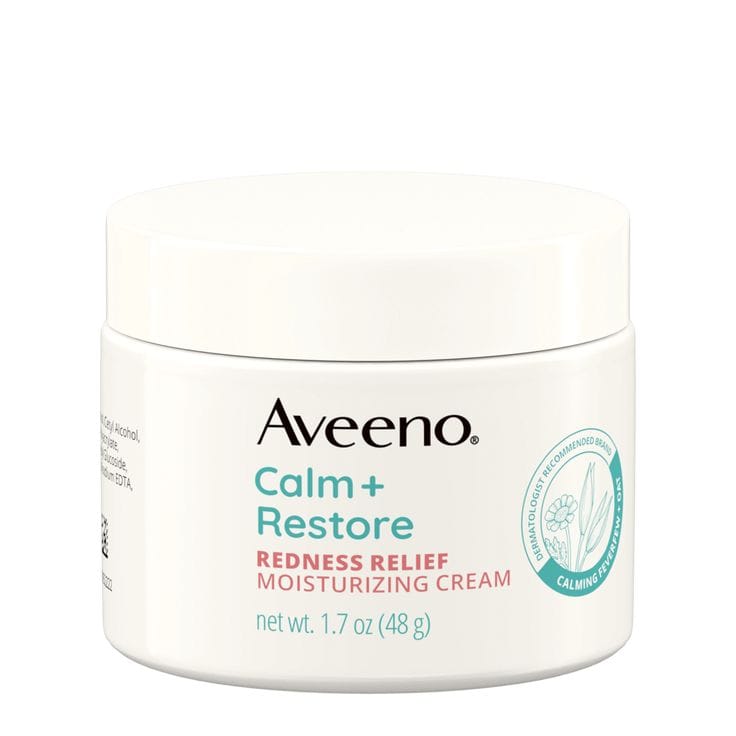
Prebiotic Oat (Avena Sativa Kernel Flour and Extract)
Oat is the headline ingredient in the Aveeno Calm Restore Oat Gel Moisturizer, and it’s not just marketing. Colloidal oat has a long clinical history in dermatology, and modern research helps explain why it works. A widely cited review in the peer-reviewed literature describes colloidal oatmeal’s mechanisms as including direct anti-inflammatory, antioxidant, and barrier-repair activity, along with beneficial effects on skin pH (source: PubMed – Colloidal Oatmeal Part I).
Separately, an in vitro and clinical study published in the Journal of Drugs in Dermatology found that colloidal oatmeal extracts increased the expression of genes tied to skin barrier strength, tight junctions, and lipid production, and that a colloidal oatmeal lotion produced measurable clinical improvements in dryness and barrier function in human subjects (source: JDD Online). Another PubMed-indexed review notes that oats’ high beta-glucan and starch content is responsible for its water-holding and protective functions on skin (source: PubMed – Colloidal oatmeal: history, chemistry and clinical properties).
If you want to understand more about how beta-glucan specifically supports moisture retention, our breakdown of what beta-glucan does for skin goes deeper into the science.
Feverfew (Chrysanthemum Parthenium Flower/Leaf/Stem Juice)
Feverfew is the second calming pillar of this formula, and it’s the ingredient most specific to the “Calm + Restore” line. DermNet NZ notes that feverfew appears to inhibit several pro-inflammatory cytokines and impairs prostaglandin production, actions that help reduce inflammation in irritated skin (source: DermNet NZ – Feverfew).
A separate peer-reviewed study analyzing feverfew extracts found that the plant’s flower extract had the highest antioxidant potential of any part of the plant, and that hydroethanolic extracts from feverfew showed a protective effect on skin cells (source: PMC – Chemical Composition of Extracts from Feverfew). One important nuance worth knowing: feverfew’s potentially irritating compound, parthenolide, is typically removed or minimized in cosmetic-grade extracts, which is what allows it to be used as a soothing ingredient rather than a sensitizing one.
Centella Asiatica Extract
Centella asiatica, also known as Gotu Kola or Cica, is a well-established calming ingredient in Korean and Western skincare alike. It’s included here in a supporting role alongside oat and feverfew, contributing additional anti-inflammatory and skin-conditioning benefits.
Dimethicone, Dimethiconol, and Dimethicone Crosspolymer
These three form the silicone backbone of the formula. Dimethicone and dimethiconol are emollients; they create a light, breathable film on the skin surface that slows water loss without feeling heavy or pore-clogging. Dimethicone crosspolymer helps with texture, giving the gel its smooth, non-tacky glide.
Glycerin, Panthenol, and Butylene Glycol
These are the humectants of the formula, ingredients that pull water into the skin. Glycerin is one of the most well-studied humectants in skincare, and panthenol (pro-vitamin B5) has both hydrating and mild anti-inflammatory properties. If you’re curious how glycerin stacks up against other popular hydrators, we’ve compared it directly in our hyaluronic acid vs. glycerin guide.
Cetearyl Olivate, Sorbitan Olivate, and Polyacrylamide
These are the formula’s emulsifiers and thickeners, olive-derived emulsifiers that keep the water and oil phases stable, plus polyacrylamide, which helps give the moisturizer its gel-like consistency without adding heaviness.
Aveeno Oat Gel Moisturizer Review: How It Performs
On paper, the Aveeno oat gel moisturizer ingredients read like a textbook sensitive-skin formula, but how does it actually perform on skin?
Texture and application: The gel is genuinely lightweight. It spreads easily, absorbs within a minute or two, and leaves a soft, slightly cushioned finish rather than a greasy one. It layers well under sunscreen or makeup, which matters if you’re using it as a morning step.
Soothing effect: Within the first few uses, most users with reactive, easily flushed skin notice a calming effect, less tightness, and less visible redness after cleansing. This tracks with what we’d expect given the oat and feverfew research above.
Hydration level: This is where expectations need to be realistic. As a gel-cream, it’s built for sensitive and normal-to-dry skin, not for very dry, flaky, or eczema-prone skin that needs a heavier, more occlusive barrier cream. If your skin is on the drier end of the spectrum, you may need to layer a richer moisturizer on top, especially at night.
Fragrance and irritation potential: Being completely fragrance-free is a genuine advantage here. Combined with the absence of essential oils and common allergens, this is one of the more conservative formulas you’ll find at this price point.
If you’re also looking at how this compares to other non-comedogenic options, our guide to the best non-comedogenic moisturizers is a useful next read, and if hydrating serums are part of your routine, pairing this with something like the Iunik Beta Glucan Power Moisture Serum can help boost hydration underneath the gel.
Aveeno Calm Restore Oat Gel Moisturizer Price: Is It Worth It?
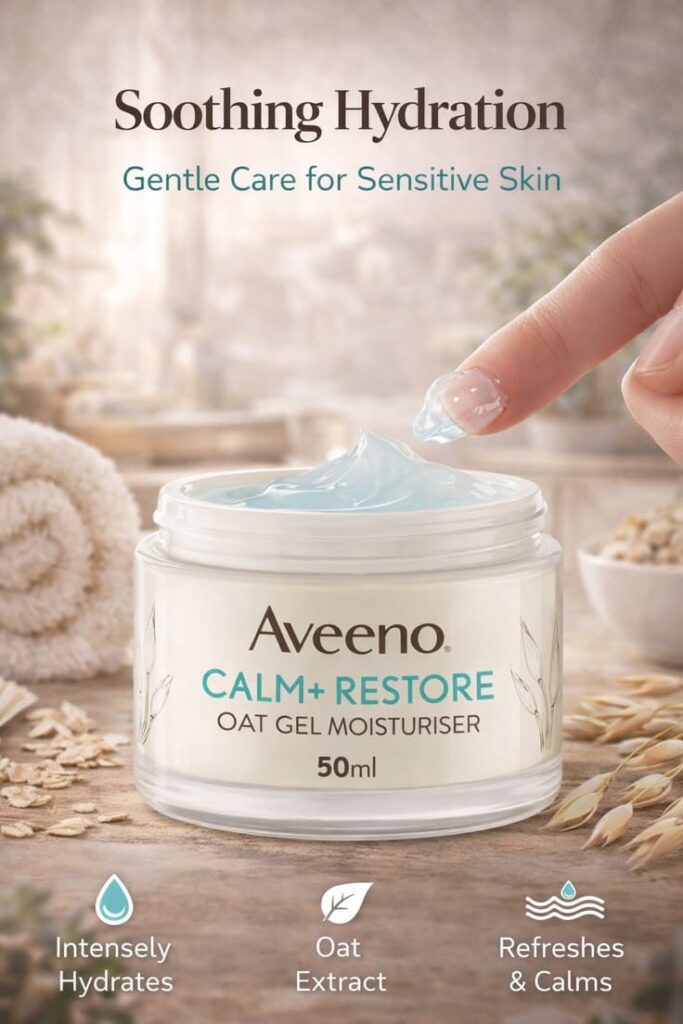
The Aveeno Calm Restore Oat Gel Moisturizer price typically sits between $14 and $19 for the standard 1.7 fl oz size at major US retailers like Amazon, Walmart, and Ulta, depending on ongoing promotions and pack size. Larger multi-packs bring the per-ounce cost down noticeably if you already know it works for your skin.
For what you’re getting, a fragrance-free, dermatologist-recommended formula with two well-researched calming ingredients, the price sits comfortably in the mid-range of drugstore skincare. It’s more expensive than Aveeno’s basic daily moisturizing lotion, but that premium reflects the added feverfew and centella asiatica in the formula. Compared to prestige sensitive-skin moisturizers that can run $30 to $50, the Aveeno Calm Restore Oat Gel Moisturizer price makes it one of the more accessible ways to try a targeted, calming formula.
Who Should Use This Moisturizer (and Who Shouldn’t)
This product is a strong fit if you have:
- Sensitive, reactive, or easily flushed skin
- Normal to mildly dry skin that needs a lightweight, non-greasy option
- A preference for fragrance-free, minimal-ingredient formulas
- Skin that reacts to heavier, more occlusive creams
It may not be the right fit if you have:
- Very dry, flaky, or eczema-prone skin needing deeper barrier repair
- A preference for ceramide-forward formulas
- Skin that needs more targeted actives like niacinamide or hyaluronic acid layered into the moisturizer itself
If either of those describes your skin better, that’s genuinely fine; no single moisturizer works for everyone, and there are excellent alternatives worth considering.
Not the Right Fit? 3 Alternative Moisturizers Worth Considering
The Aveeno oat gel moisturizer ingredients work beautifully for sensitive, reactive skin, but if your skin leans drier or you simply prefer a different texture or ingredient profile, these three alternatives are all well-formulated, dermatologist-friendly options worth a look.
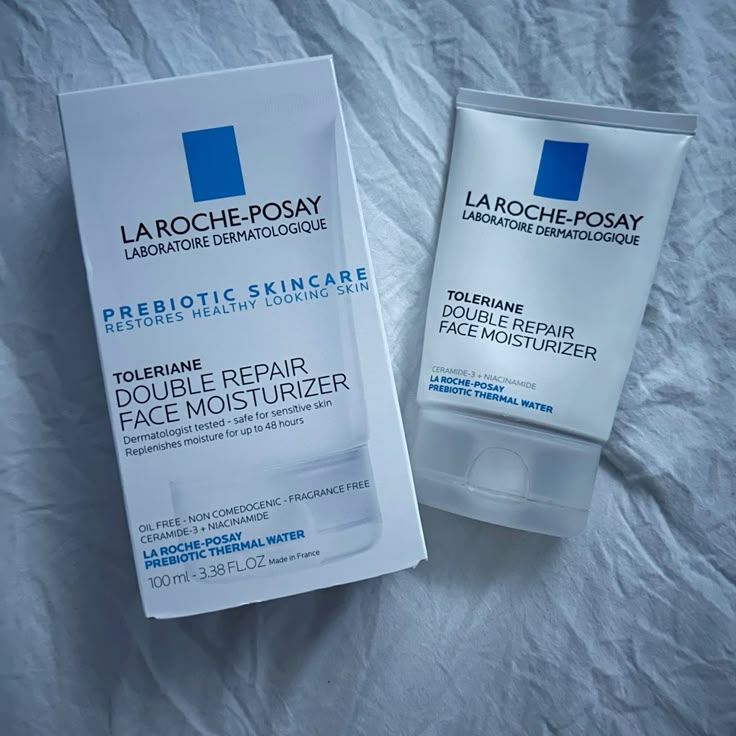
1. La Roche-Posay Toleriane Double Repair Face Moisturizer
This one leans more into barrier repair, combining ceramides with niacinamide in a slightly richer, still non-greasy formula. It’s a great pick if you want more overnight barrier support than a gel can offer. Read our full breakdown in the La Roche-Posay Toleriane Double Repair review.
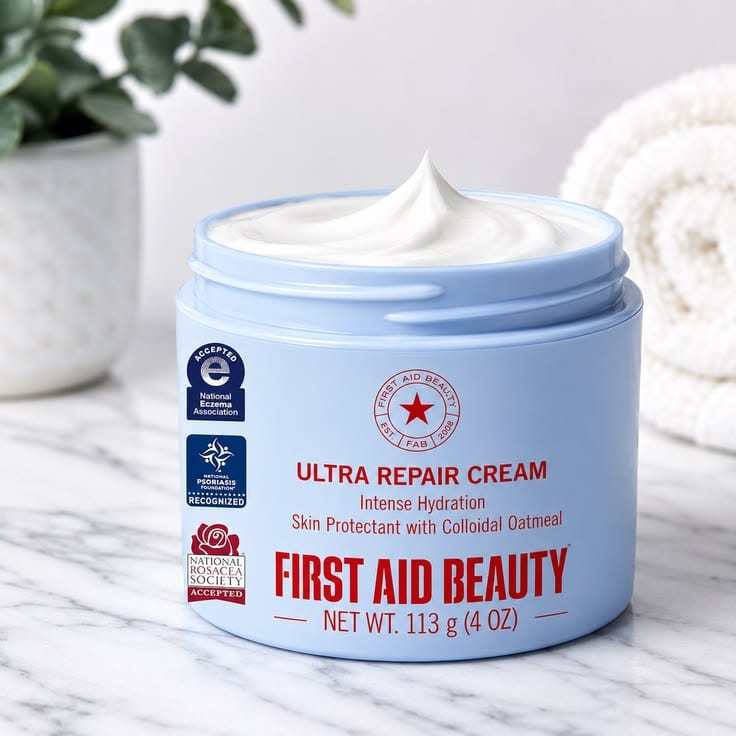
2. First Aid Beauty Ultra Repair Cream
Built around colloidal oatmeal and shea butter, this is a heavier, more occlusive option for anyone whose skin needs serious moisture retention, particularly useful in colder or drier climates. See our detailed First Aid Beauty Ultra Repair Cream review for the full ingredient analysis.
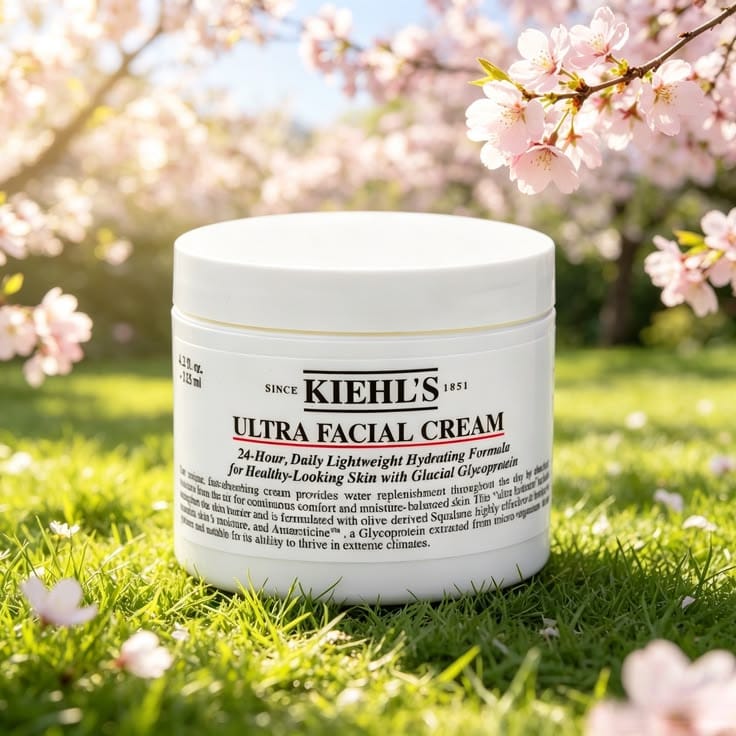
3. Kiehl’s Ultra Facial Cream
A cult-favorite for a reason, this one uses squalane and glacial glycoprotein to lock in hydration for up to 24 hours, with a slightly more traditional cream texture than Aveeno’s gel. Check out our Kiehl’s Ultra Facial Cream review to see if it fits your routine better.
None of these are “better” in an absolute sense; they simply serve different skin needs. If your skin is calm and reactive rather than chronically dry, the Aveeno Calm Restore Oat Gel Moisturizer is likely still your best starting point.
How to Build a Full Routine Around This Moisturizer
Since this is a lightweight gel rather than a heavy cream, it pairs well with actives layered underneath. If you’re using a vitamin C serum in the morning, check our guide to the best vitamin C serum for sensitive skin before layering it under this gel. At night, if you’re also using retinol or peptides, our comparison of peptides vs. retinol can help you sequence your routine correctly so the calming benefits of the oat gel aren’t undone by an aggressive active layered on top.
And regardless of which moisturizer you land on, daytime protection matters just as much as what you put on at night; our guide to mineral vs. chemical sunscreen for the face can help you choose an SPF that won’t undo the calming work this moisturizer is doing.
Frequently Asked Questions
Is the Aveeno oat gel moisturizer good for sensitive skin?
Yes, Aveeno Calm + Restore is a solid choice for reactive, sensitive skin. Its combination of fragrance-free formulation, colloidal oat, and feverfew extract makes it one of the more conservative, well-tolerated options on the market for reactive skin.
The oat works as a natural anti-irritant, helping to calm surface-level redness and discomfort, while feverfew — a botanical known for its calming properties — specifically targets the visible redness that often comes with reactive, easily-triggered skin. Unlike many “sensitive skin” products that still sneak in masking fragrances, essential oils, or a long list of unnecessary additives, this formula keeps things deliberately minimal, which lowers the odds of an unexpected reaction.
That conservative approach is exactly why it tends to work well as an entry point for people who are still figuring out what their reactive skin can and can’t tolerate, or for anyone easing back into a routine after a flare-up.
What are the main active ingredients in Aveeno Calm Restore Oat Gel Moisturizer?
The two standout ingredients are prebiotic oat (Avena Sativa Kernel Flour and Extract) and feverfew (Chrysanthemum Parthenium), supported by centella asiatica and panthenol.
Is this moisturizer non-comedogenic?
Yes, Aveeno markets this formula as non-comedogenic and suitable for daily use on the face.
How much does the Aveeno Calm Restore Oat Gel Moisturizer cost?
The standard 1.7 fl oz size typically retails between $14 and $19, depending on the retailer and any active promotions.
Can I use this if I have very dry skin?
You can, but you may need to layer a richer cream over it, especially in the evening. If you have very dry or eczema-prone skin, one of the three alternatives above may work better as a standalone option.
Final Verdict
The Aveeno oat gel moisturizer ingredients hold up well under scrutiny. Prebiotic oat and feverfew are both backed by genuine peer-reviewed research on inflammation and barrier repair, and the rest of the formula is built conservatively, with no fragrance, no common allergens, and a lightweight, non-greasy finish. For sensitive, reactive skin that needs calming without heaviness, this is one of the stronger drugstore picks available in 2026.
If your skin needs more intensive, long-lasting hydration rather than calming, the La Roche-Posay Toleriane Double Repair, First Aid Beauty Ultra Repair Cream, or Kiehl’s Ultra Facial Cream are all excellent, well-tested alternatives worth trying instead.
6 thoughts on “Aveeno Oat Gel Moisturizer Ingredients: 2026 Powerful Soothing Guide ”