NAD vs PDRN Dermatica Review: Which Serum Actually Repairs Skin?
Intro
If you’ve spent any time scrolling K-beauty TikTok or Reddit’s skincare threads lately, you’ve probably run into two names constantly being thrown around together: NAD and PDRN. Both are marketed as “regenerative” skincare ingredients, both promise firmer, younger-looking skin, and both have suddenly appeared in half the serums launching in 2026.
But here’s the problem — most articles either lump NAD and PDRN together as if they’re interchangeable, or they get so technical that you close the tab halfway through. That’s exactly the gap we’re filling here.
Vs

At Review Dermatica, we get asked this question constantly: NAD vs PDRN, which one should actually be in your routine? So instead of guessing, we pulled the clinical research, compared how each ingredient behaves on real skin, and broke it down in plain English. By the end of this guide, you’ll know exactly what NAD is, what PDRN does differently, and which NAD serum or PDRN serum is worth your money in 2026.
Editorial Team & Affiliate Disclosure
This article was researched and reviewed by the Review Dermatica editorial team, with formulation and ingredient-safety input from our co-founder, whose background is in cosmetic formulation and clinical skincare research. Wherever relevant, we also reference general clinical insight from board-certified dermatologists in the public domain, including Dr. Shereene Idriss — this is done purely for educational context and does not imply any affiliation, partnership, or endorsement.
Review Dermatica is a reader-supported site. Some links in this article are Amazon affiliate links, meaning we may earn a small commission if you purchase through them, at no extra cost to you. This never affects which products we recommend — our picks are based on ingredient research and formulation quality, not commission rates.
Quick Summary
Before we go deep, here’s the short version if you’re in a hurry:
- NAD (Nicotinamide Adenine Dinucleotide) is a coenzyme that powers cellular energy production — it works from the inside of the cell, boosting repair, mitochondrial function, and resilience against environmental stress.
- PDRN (Polydeoxyribonucleotide) is a DNA-derived ingredient originally used in wound care — it works by directly stimulating tissue regeneration, collagen synthesis, and faster healing.
- NAD is better suited for prevention, energy-depleted or dull, tired-looking skin, and long-term anti-aging maintenance.
- PDRN is better suited for active repair — think barrier damage, acne scarring, post-procedure recovery, and visible texture concerns.
- Both can technically be used together, but if you had to pick one first, your skin concern decides the winner, not the hype.
- Neither ingredient is a miracle overnight fix — clinical studies show real but gradual improvement over weeks, not days.
What Is NAD? A Simple Breakdown
Let’s start with the basics, because “what is NAD” is genuinely one of the most searched skincare questions of 2026.
NAD stands for Nicotinamide Adenine Dinucleotide. It’s not a plant extract or a trendy Korean botanical — it’s a coenzyme found inside literally every living cell in your body, including your skin cells. Its main job is helping mitochondria produce energy (ATP), which your cells need for basically everything: DNA repair, antioxidant defense, and cellular renewal.
Here’s the catch — NAD levels naturally decline as you age. Researchers have documented that intracellular NAD levels drop over time, and that decline is closely tied to reduced tissue maintenance and slower DNA repair. When your skin cells are running low on cellular energy, you see it on the surface as dullness, slower cell turnover, and reduced elasticity.
This is exactly why NAD serum formulas exploded in popularity. The theory is simple: if you can replenish NAD at the skin level, you’re essentially giving skin cells back the fuel they need to repair themselves and function like younger cells.
A notable in vitro study on human fibroblasts found that exogenous NAD offered protective effects against both UV-induced (extrinsic) aging and natural (intrinsic) aging, and that these effects were significantly amplified when paired with specific plant compounds that block an enzyme called CD38, which otherwise breaks NAD down (source: NCBI/PubMed).
Separately, researchers testing a liposomal NAD formulation on human keratinocytes found that this delivery method meaningfully improved skin penetration and reduced markers of cellular senescence — essentially, aging at the cell level — compared to using NAD alone (source: NCBI PMC).
There’s also an active clinical trial currently underway evaluating topical nicotinamide riboside, an NAD precursor, specifically for visible signs of facial aging over a 12-week period, sponsored in collaboration with several skincare and diagnostics companies (source: ClinicalTrials.gov).
In simple terms — NAD skincare is less about instant plumping and more about long-term cellular resilience. If your skin has started looking tired, dull, or slower to bounce back after stress (sun exposure, pollution, poor sleep), NAD is designed to work on that root cause.
If you’re also exploring other energy- and barrier-focused actives, our breakdown of hyaluronic acid vs glycerin is a good companion read, since hydration support directly affects how well NAD performs on the skin barrier.
What Is PDRN? A Simple Breakdown
Now let’s flip to the other side of the NAD vs PDRN debate.
PDRN stands for Polydeoxyribonucleotide. Unlike NAD, this isn’t something your body produces — PDRN is a DNA-derived compound, typically extracted from salmon or trout sperm, that has been used in regenerative medicine for decades, primarily for wound healing.
PDRN’s mechanism is different from NAD’s. Instead of powering cellular energy, PDRN directly signals your skin cells (through something called adenosine A2A receptors) to increase cell migration, boost angiogenesis (new blood vessel formation), and reduce inflammation. In plain terms — PDRN tells your skin, “start rebuilding, right now.”
This is why PDRN became a favorite in clinics for post-laser recovery, scar treatment, and impaired wound healing long before it showed up in your average PDRN serum at Sephora or on Amazon.
A comprehensive review covering 25 years of PDRN research described it as a “promising biological platform” for skin regeneration, noting its consistent ability to accelerate wound closure and reduce inflammatory markers across in vitro, in vivo, and clinical studies (source: NCBI PMC).
An even more recent systematic review of randomized clinical trials, covering nearly 200 participants, found that PDRN and related polynucleotide treatments consistently improved wrinkle-related outcomes, scar quality, and wound-healing speed — with the strongest, most reliable results specifically in wound-healing settings, where PDRN accelerated re-epithelialization (skin resurfacing) and shortened recovery time compared to control groups (source: PubMed).
PDRN has also been studied for reducing hyperpigmentation caused by photoaging, with lab research showing it can lower melanin production markers in skin cell cultures (source: NCBI PMC).
So while NAD is playing a long, slow, cellular-energy game, PDRN is more of an active repair signal — which is exactly why it’s become the go-to ingredient in “skin booster” ampoules, injectable-adjacent skincare, and the viral spicule serum trend we’ve covered in our spicule serum vs derma roller comparison.
If barrier damage, acne scarring, or post-procedure downtime is your main concern, PDRN is usually the ingredient dermatology-adjacent formulas lean on first.
NAD vs PDRN — The Real Head-to-Head Comparison
This is where most articles get lazy and just say “both are good, use whichever.” We’re not going to do that. Here’s how NAD vs PDRN actually differ once you look past the marketing.
How They Work
NAD works from inside the cell — it’s a metabolic fuel source that supports mitochondrial energy, DNA repair, and long-term resilience. PDRN works more like a repair signal from outside the cell, activating specific receptors that push your skin into active regeneration mode.
Think of NAD as recharging the battery, and PDRN as sending an emergency repair crew.
Speed of Visible Results
This is one of the biggest differences people ask about. Clinical data on PDRN consistently shows faster, more measurable improvements — especially for wound healing and scar quality — because it’s directly triggering tissue repair pathways. NAD’s benefits tend to build more gradually, since it’s supporting cellular function rather than forcing a repair response.
If you want to see change in weeks, PDRN serum formulas tend to show visible texture and tone improvement faster. If you’re playing the long game against aging and dullness, an NAD serum is the more sustainable pick.
Best Skin Concerns for Each
NAD is the better match for: dullness, fatigue-looking skin, early fine lines, general anti-aging maintenance, and skin that’s been stressed by sun or pollution exposure.
PDRN is the better match for: acne scarring, post-procedure or post-laser recovery, compromised skin barrier, uneven texture, and stubborn discoloration from past damage.
Safety and Tolerability
Both ingredients have strong safety profiles in the research. PDRN specifically has shown a “very good safety profile” across multiple clinical trials, with the previously mentioned systematic review reporting no serious treatment-related adverse events across all included studies (source: PubMed). NAD is generally well tolerated topically as well, though people with very reactive or compromised skin barriers should always patch test any new active, including NAD or PDRN.
Which Should You Actually Choose?
If we’re being direct — this isn’t really a competition where one ingredient “wins” outright. NAD vs PDRN is more like choosing between a long-term investment and a targeted fix. A lot of derm-adjacent routines actually now use both, just at different stages: PDRN for active repair phases, NAD for daily maintenance afterward.
For readers who also want to compare this against other trending anti-aging actives, our peptides vs retinol guide covers a similar “which one first” decision framework that applies here too.
3 Best NAD Serums to Try in 2026
Based on formulation quality, ingredient concentration, and how well they align with the research above, here are our top NAD serum picks right now.
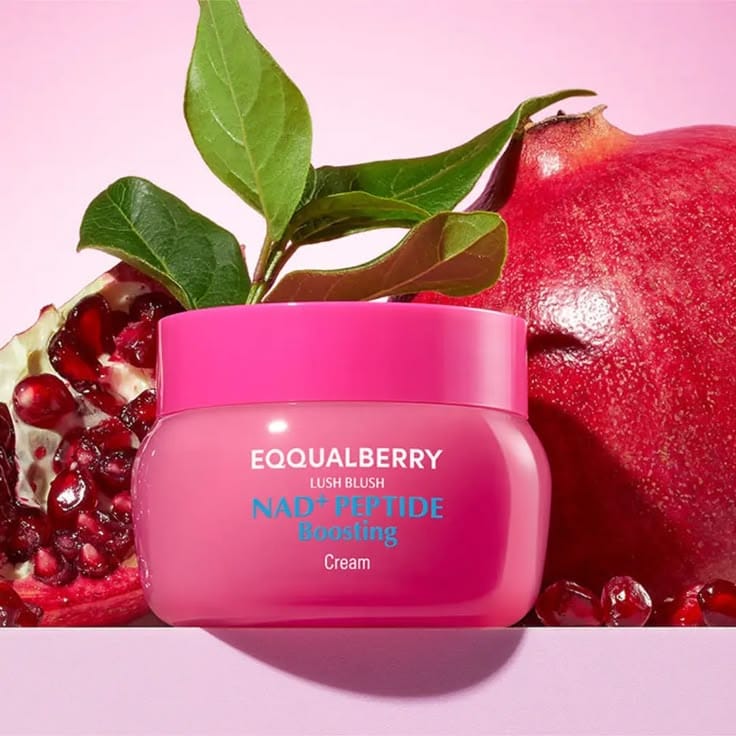
1. EQQUALBERRY NAD+ Peptide Boosting Serum
This one consistently ranks among the best-selling NAD serum formulas on Amazon, and for good reason — it pairs NAD+ with a 14-peptide complex plus five ceramides, which helps address both the energy-support side and the barrier-support side at once. It’s a solid daily-use option if dullness and early fine lines are your main concern.
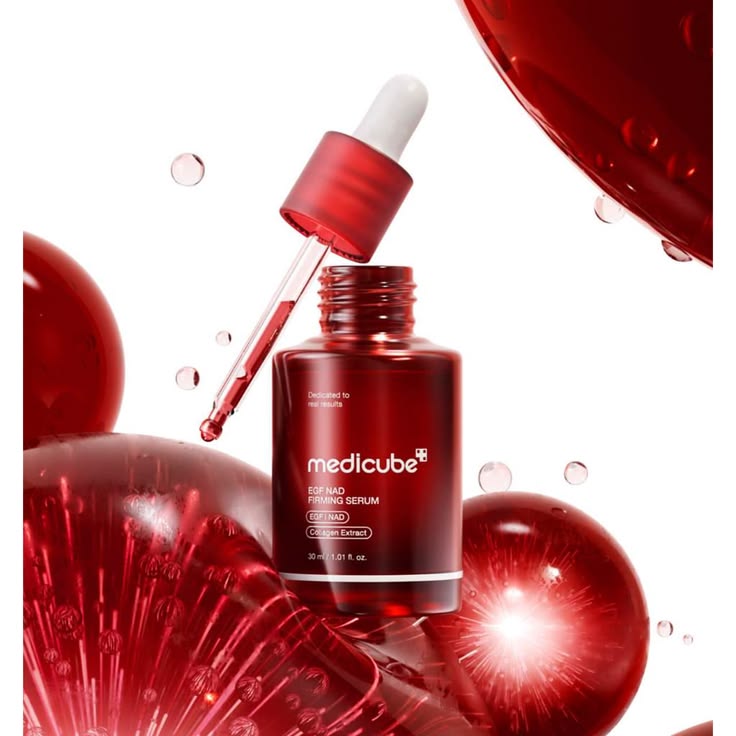
2. Medicube EGF NAD Firming Serum
Medicube combines NAD with EGF (epidermal growth factor), a protein that signals skin renewal in a similar spirit to peptides. This is a good pick if you want an NAD serum that also leans into firmness and elasticity, not just brightness. We’ve previously reviewed Medicube’s regenerative lineup in our Medicube Zero Exosome Shot review, and this serum fits the same “cellular renewal” philosophy.
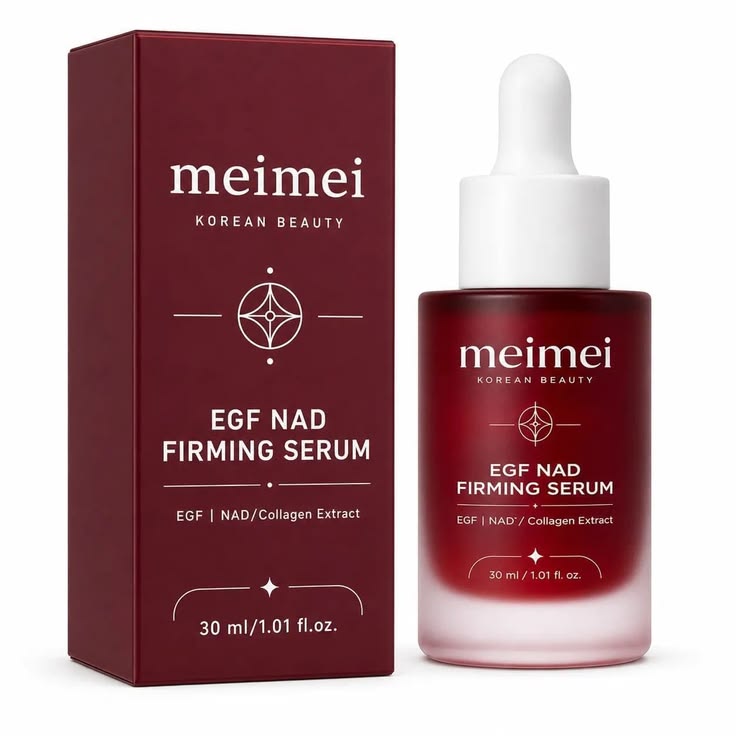
3. Meimei NAD+ Firming Serum with EGF Collagen
A more budget-friendly option that still checks the right boxes — NAD+, EGF, and eight peptides in one formula. It won’t outperform higher-concentration formulas, but it’s a reasonable entry point if you’re testing whether NAD serum works for your skin before committing to a pricier bottle.
3 Trending PDRN Products Worth Knowing About
PDRN serum and PDRN-adjacent products have exploded this year, especially inside the broader “skin booster” and spicule skincare trend. These three are the ones actually backed by real formulation strength, not just viral packaging.
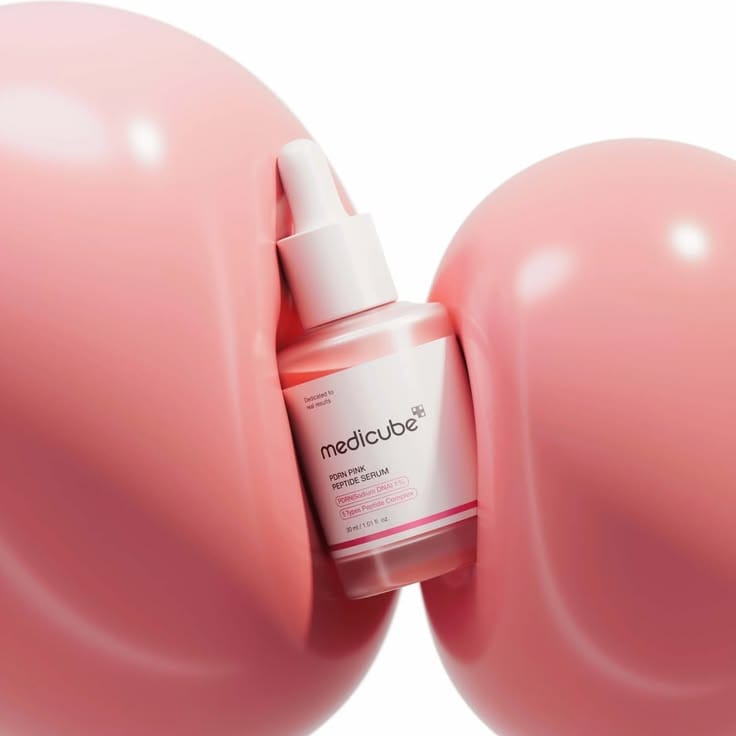
1. Medicube PDRN Pink Peptide Serum with Salmon DNA
This is currently one of the top-selling PDRN products on Amazon, and it’s easy to see why — it combines PDRN with peptides and niacinamide specifically for hydration and firmness, with a texture that layers well under other actives. Great starting point if this is your first PDRN serum.
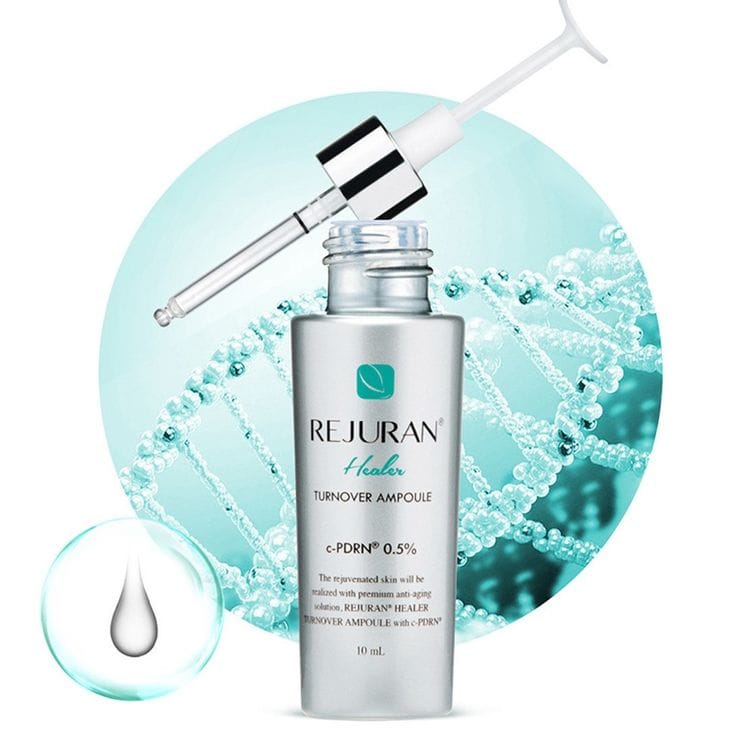
2. Rejuran Turnover Ampoule
Rejuran is practically the clinical benchmark brand for PDRN in skincare — it’s the same regenerative philosophy used in professional PDRN treatments, translated into an at-home ampoule. If you want the closest thing to clinic-grade PDRN, this is it. We’ve compared it directly in our Rejuran Turnover Ampoule vs Anua PDRN Cream breakdown.
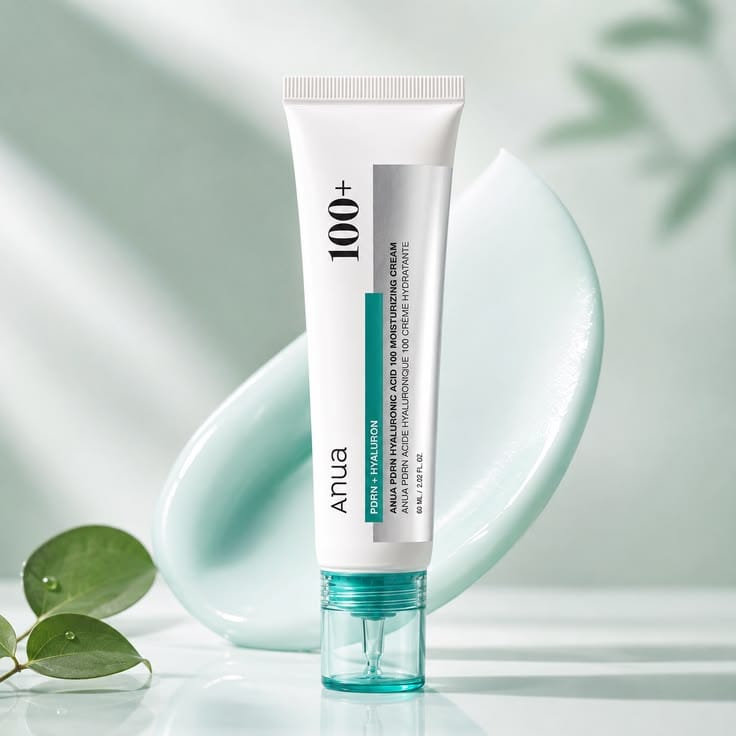
3. Anua PDRN Hyaluronic Acid 100 Moisturizing Cream
If serums feel like too many steps, this cream folds PDRN into a daily moisturizer alongside hyaluronic acid, which makes it an easy way to get consistent PDRN exposure without adding another bottle to your routine. We covered this one in depth in our Anua PDRN Hyaluronic Acid 100 review.
Frequently Asked Questions
Can I use NAD and PDRN together in the same routine?
Yes, and it’s actually one of the more effective ways to use both. Since NAD works from inside the cell (supporting energy and repair) and PDRN works from the outside (signaling active regeneration), they don’t compete or cancel each other out.
A common approach is using PDRN serum in the evening when skin does most of its repair work, and an NAD serum in the morning as part of your antioxidant-protective step. Just introduce them one at a time, a few weeks apart, so you can actually tell which one your skin is responding to.
Which one is better for acne scars — NAD or PDRN?
PDRN, by a clear margin. The clinical research behind PDRN is heavily built around wound healing and tissue repair, including improved re-epithelialization and scar quality in randomized trials. That’s exactly the mechanism acne scarring needs — active collagen remodeling and faster tissue turnover.
NAD can still help indirectly by supporting overall skin resilience, but it isn’t formulated or studied as a targeted scar-repair ingredient the way PDRN is.
How long before I see results from an NAD serum or PDRN serum?
Most clinical studies measuring visible improvement ran between 4 to 12 weeks, not days. PDRN tends to show earlier signs of change — usually within 3 to 4 weeks — because it’s directly triggering repair pathways. NAD’s benefits build more slowly since it’s supporting cellular energy rather than forcing a repair response, so 8 weeks of consistent use is a more realistic checkpoint.
If a product promises overnight transformation from either ingredient, that’s marketing, not the research talking.
Is PDRN safe for sensitive or reactive skin?
Generally, yes. Systematic reviews of PDRN clinical trials have reported no serious treatment-related adverse events across the studies analyzed, which is a strong safety signal. That said, “clinically safe” doesn’t mean zero risk for every individual — some people can still react to specific formulations, fragrance, or delivery vehicles the PDRN is packaged in.
Always patch test a new PDRN serum for a few days before applying it to your full face, especially if your barrier is already compromised.
Do I need a prescription or clinic visit to use PDRN, or is the skincare version enough?
Clinic-administered PDRN (injections or micro-needling with PDRN solutions) delivers the ingredient deeper into the skin and tends to show stronger, faster results — that’s the version used for post-procedure recovery and deeper scarring. Topical PDRN serum, on the other hand, works at the surface and upper skin layers, so results are real but more gradual.
For everyday concerns like dullness, mild texture issues, or general regeneration support, a topical PDRN serum is genuinely enough. For deeper scarring or post-laser recovery, a clinic-based option will always outperform what a serum can do on its own.
Final Verdict — NAD vs PDRN, Which One Wins?
If you came here wanting a single winner, here’s the honest answer: it depends on what your skin actually needs right now, not what’s trending harder on TikTok this week.
Choose an NAD serum if your skin looks tired, dull, or is showing early signs of slowed-down renewal — you’re playing a maintenance and prevention game.
Choose a PDRN serum if you’re dealing with visible damage — scarring, barrier compromise, uneven texture, or you’re recovering from a procedure — because PDRN’s job is active, targeted repair.
And if you genuinely can’t decide, the research actually supports using both, just at different times in your routine — PDRN during active repair phases, NAD as your everyday maintenance step afterward. That’s not a marketing compromise; that’s just how these two ingredients are designed to work.
Whichever one you start with, give it at least 6–8 weeks before judging results — both NAD and PDRN work at the cellular level, and cellular-level change was never going to happen overnight.