Aestura 365 vs Dr Althea 345: Which Winter Cream Should You Buy?
If you’ve been standing in front of your shelf trying to decide between Aestura 365 and Dr Althea 345, you’re not alone. Both are Korean creams with ceramides and niacinamide in the formula. Both skip fragrance. Both get recommended the moment someone’s skin turns tight and cranky in November.
Here’s the catch. They aren’t really the same kind of cream.
Vs
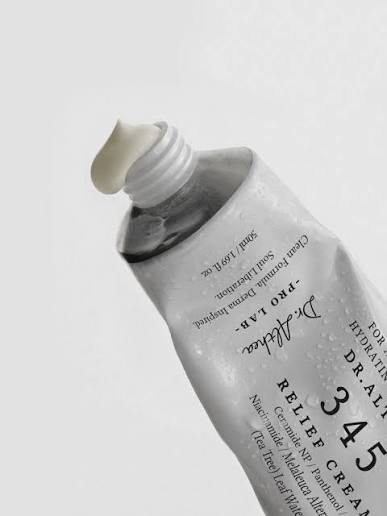
One is a rich barrier cream built around skin lipids. The other is a lightweight gel-cream designed for breakout-prone, easily irritated skin. In summer, you could swap them and barely notice. In winter, when dry air and indoor heating keep pulling water out of your face, that difference starts to matter a lot.
We went through both ingredient lists line by line, checked the brands’ own claims, and looked at what the research says about ceramides, niacinamide, and barrier repair. This Aestura vs Dr Althea comparison will tell you which one fits your skin and your winter, and when it makes sense to use both.
Quick Summary For Aestura 365 vs Dr Althea 345
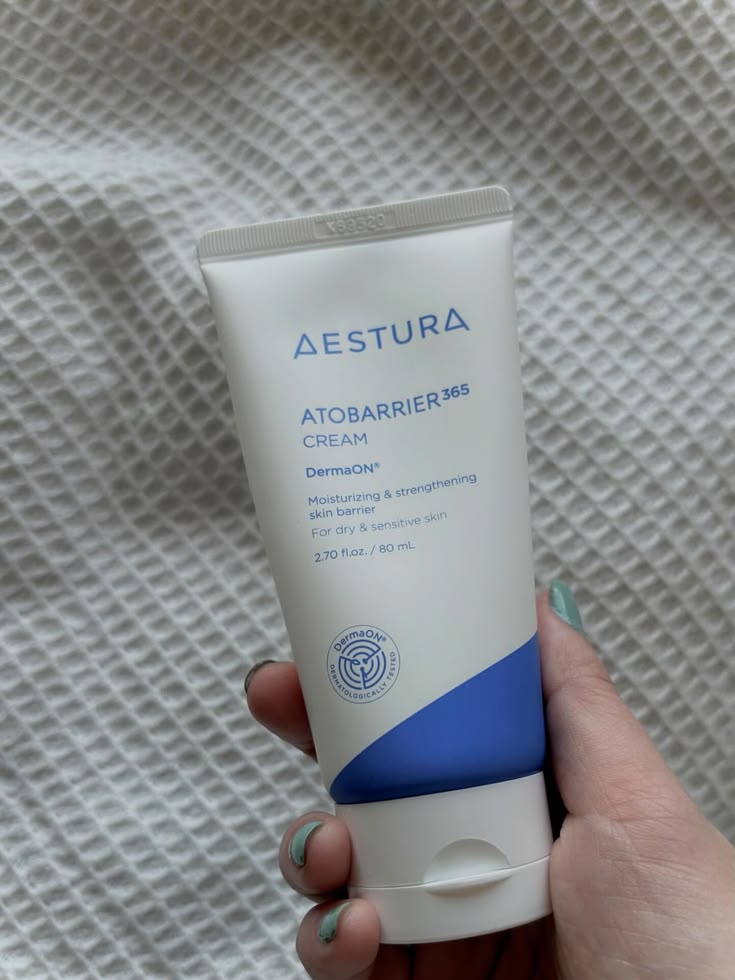
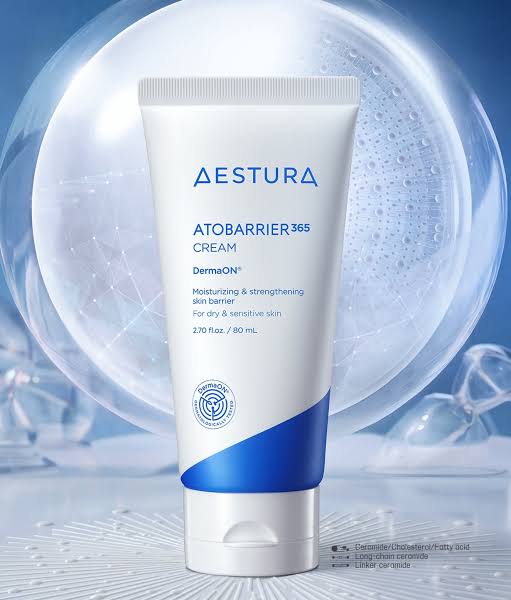
Aestura Atobarrier 365 Cream is the better pick for dry, dehydrated, sensitive, and eczema-prone skin. It contains ceramide, cholesterol, fatty acids, pseudo-ceramides, and squalane, and it appears in the National Eczema Association’s product directory.
Dr. Althea 345 Relief Cream is the better pick for combination, oily, or acne-prone skin that still gets sensitive and dull in winter. It’s lighter, gel-like, and clinically tested by the brand as non-comedogenic.
For very dry winter skin, Aestura wins on barrier support. For breakout-prone or post-acne skin, Dr. Althea wins on comfort and weight. If your skin swings between both, using Dr. Althea in the morning and Aestura at night is a sensible compromise.
- Aestura: 80 mL, about $32 list price
- Check Today’s Price on Amazon →
- Dr. Althea: 50 mL, $27 on the brand’s site
- Check Today’s Price on Amazon →
Affiliate Disclosure and Editorial Team
Review Dermatica may earn a small commission if you buy through links on this page. It doesn’t cost you anything extra, and it doesn’t change what we write. Our verdicts come from ingredient analysis and published research.
This comparison was written by Newaj Hossain Asim, lead analyst at Review Dermatica, with clinical and formulation research by co-founder Tahmina Zannat Lamya. It’s educational content, not medical advice. If you have diagnosed eczema, rosacea, or severe acne, check with a dermatologist before changing your routine.
Aestura 365 vs Dr Althea 345: What Each Cream Is Built For
Start with the brands’ own descriptions, because they tell you a lot.
Aestura is a dermatology-focused Korean brand, and Atobarrier 365 is its flagship barrier line. The name points to atopic skin, and the formula is built to replace the lipids that dry, reactive skin is missing.
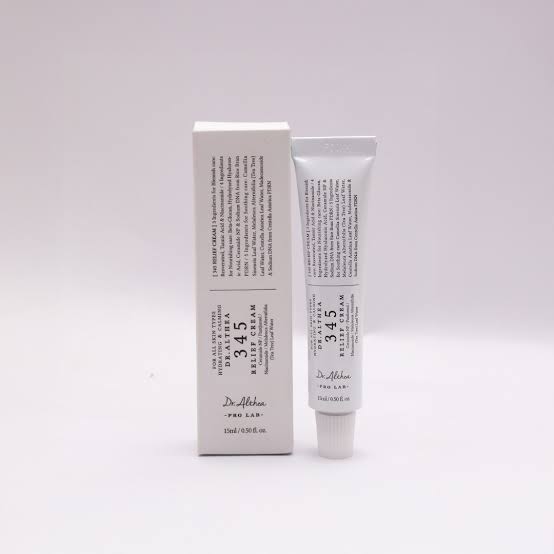
Dr. Althea’s 345 Relief Cream is marketed as a lightweight daily moisturizer for acne-prone and sensitive skin dealing with post-breakout redness, uneven texture, and lingering marks. The numbers in the name refer to its blend of three blemish-relief ingredients, four nourishing ingredients, and five soothing ones.
So when people search Aestura 365 vs 345 Relief Cream, they’re really comparing two different goals. Aestura rebuilds. Dr. Althea calms and balances.
Neither goal is better. It just depends on what your skin is doing right now.
Why Winter Changes the Question
Cold weather doesn’t just make skin dry. It makes skin leaky.
Low humidity outside and dry heat inside pull water out of the upper skin layers faster than usual. If the barrier lipids that normally seal things in are low, that water loss speeds up, and that’s when you get tightness, flaking, and stinging.
Dermatologists tend to give the same basic advice for this. The American Academy of Dermatology says people dealing with dry, eczema-prone skin should use a cream or ointment instead of lotion and look for fragrance-free products. Thicker products hold up better because they contain more oil to slow evaporation.
That’s a point in Aestura’s favor on paper. But a thick cream isn’t automatically right for everyone, especially if your winter skin is dry and breakout-prone at the same time. That’s the exact spot where Dr. Althea’s lighter formula makes sense.
Aestura 365 Ingredients: What’s Actually in the Jar
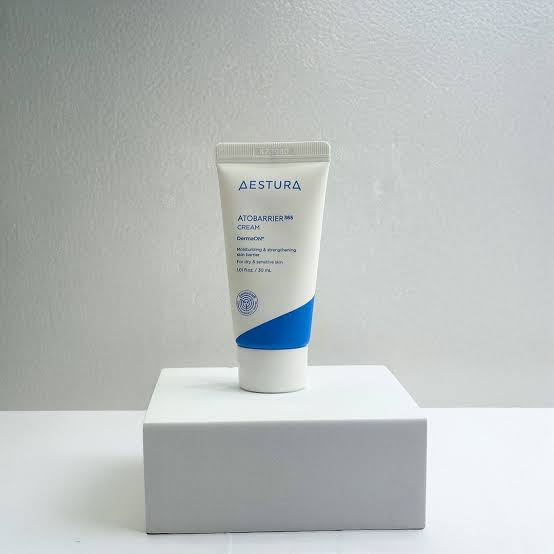
The full Aestura Atobarrier 365 cream ingredients list has 42 ingredients. The top of the list reads Water, Butylene Glycol, Glycerin, then a run of lightweight esters, squalane, behenyl alcohol, and dimethicone.
The real story is the lipid lineup further down. Ceramide NP, cholesterol, phytosphingosine, sphingolipids, and four fatty acids (stearic, palmitic, arachidic, and oleic) are all there. Add two pseudo-ceramides, Hydroxypropyl Bispalmitamide MEA and Hydroxypropyl Bislauramide MEA, sitting near the top, and you have a formula that looks a lot like the skin’s own barrier recipe.
That matters because lipids work better together. A 1997 study in the Journal of the American Academy of Dermatology found that a mix of ceramides, cholesterol, and fatty acids sped up barrier recovery in older skin, and that the balance between them mattered.
Supporting players include glycerin, betaine, and mannitol for water, plus niacinamide, allantoin, and tocopherol. There’s no fragrance or parfum in the list.
Two honest caveats. Cholesterol sits 19th, and Ceramide NP sits 25th, which hints at modest amounts rather than a ceramide-packed jar. And the formula uses silicones and several fatty esters, which some acne-prone people prefer to avoid.
For a longer ingredient-by-ingredient walkthrough, see the full Aestura Atobarrier 365 cream review on Review Dermatica.
Dr Althea 345 Ingredients: What’s Actually in the Jar
The current Dr. Althea 345 Relief Cream formula has 38 ingredients. Water comes first, followed by tea tree leaf water, propanediol, and glycerin.
Niacinamide shows up 9th, which suggests a real amount. One retailer listing mentions around 1%, which would fit that position, though we couldn’t confirm it from the brand. The effect of niacinamide on skin lipids has real support. In a study by Tanno and colleagues, niacinamide boosted ceramide synthesis in skin cells and reduced water loss in dry skin.
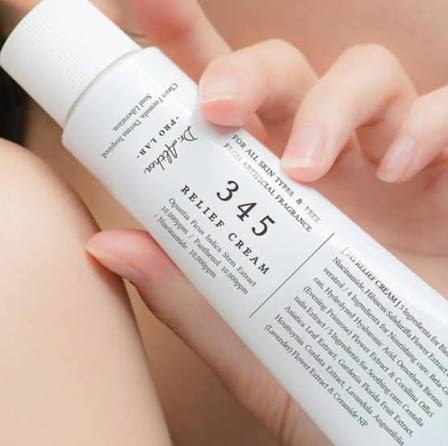
The soothing cast is where this cream earns its name. It includes centella asiatica water and extract, madecassoside, green tea leaf water, beta-glucan, panthenol, and coptis root extract. Hyaluronic acids add water-binding, and resveratrol and tocopherol provide antioxidants.
Then there’s the PDRN. Sodium DNA appears near the end of the list, so the amount is probably small. Research on PDRN is promising, but most of it comes from medical and wound-healing settings. A review of PDRN in skin wound healing covers that evidence. We’d treat PDRN in a cosmetic cream as a nice extra rather than the reason to buy. If you’re curious, our Anua PDRN hyaluronic acid review and the Rejuran Turnover Ampoule vs Anua PDRN Cream comparison go deeper on PDRN.
What’s thin here? Barrier lipids. Ceramide NP sits 35th on the list, and there’s no cholesterol or fatty acid line in the current formula. The barrier help comes from humectants, panthenol, niacinamide, and soothing extracts, not from rebuilding the lipid layer.
Two small flags. Tea tree leaf water is the second ingredient. It’s a water extract, not the essential oil, but if tea tree has irritated you before, patch test. And like Aestura, the formula contains silicones (vinyl dimethicone, caprylyl methicone). The brand says there are no essential oils and no added oils, and it describes the formula as clinically tested as non-comedogenic by the Korea Institute of Dermatological Sciences. Those are brand claims we couldn’t verify independently.
Aestura vs Dr Althea: Barrier Support Compared
This is the heart of the comparison.
Aestura gives your skin the building blocks. Ceramide, cholesterol, fatty acids, pseudo-ceramides, and phytosphingosine all sit in the formula. A 2023 meta-analysis of ceramide moisturizers in atopic dermatitis found that ceramide-containing moisturizers improved eczema severity scores more than other moisturizers in the five trials it pooled. The evidence isn’t perfect, and results varied, but it supports the idea that lipid-rich creams help dry, eczema-prone skin.
Dr. Althea takes a softer route. It hydrates and calms the skin while supporting the barrier indirectly. For skin that’s irritated but not truly dry, that can be plenty.
Here’s a way to picture it. Aestura is like repairing the wall. Dr. Althea is like keeping the room comfortable while the wall holds up on its own.
If your winter skin feels tight, flaky, or stings when you apply other products, the wall probably needs help. If it just feels dull, a bit red, and mildly dehydrated, the room-comfort approach may be all you need.
For more options in the same lane, our guides to the best moisturizers for dehydrated skin and the best products for sensitive skin are worth a look.
Texture and Finish: Rich Cream vs Gel-Cream
Texture is where most people decide, and it’s where these two feel least alike.
Aestura describes the original Atobarrier 365 Cream as rich and creamy. Based on the formula (squalane, esters, fatty alcohols, and dimethicone), expect a cushiony cream with a soft, slightly padded finish. It sits on the skin like a protective layer.
Dr. Althea 345 is a gel-cream hybrid. Retailer descriptions call it lightweight and fast-absorbing, and the formula backs that up with a water-heavy base and light emollients. The brand says it leaves skin comfortable without a heavy or greasy finish.
We haven’t tested either on our own faces, so we won’t promise how they feel on yours. Texture is personal. But the formulas point in a clear direction: Aestura for when you want to feel wrapped, Dr. Althea for when you want to feel moisturized without noticing it.
That also matters for makeup and sunscreen. Lightweight creams usually layer more easily under SPF. If you wear sunscreen daily, our Ultra Violette Supreme sunscreen review is a good place to start.
Aestura 365 vs 345 Relief Cream for Acne-Prone Skin
This is where Dr. Althea pulls ahead.
The 345 Relief Cream was built with breakout-prone skin in mind. It’s marketed for post-acne redness and marks; it carries a non-comedogenic claim, and it has no added oils. The niacinamide and soothing extracts suit skin that’s irritated from acne treatments.
Aestura lists acne-prone skin among its target concerns, so it isn’t off-limits. But it’s a richer cream, and the lipid-heavy formula includes several ingredients that ingredient-checking tools flag for people prone to Malassezia (fungal acne) breakouts. SkinSort’s analysis of Aestura flags stearic acid, palmitic acid, ethylhexyl palmitate, and polyglyceryl-10 laurate. By contrast, SkinSort lists the 345 Relief Cream as fungal-acne safe.
Does that mean Aestura will break you out? No. Concentration and your own skin matter a lot. But if you break out easily, Dr. Althea is the safer first try.
If you’re using strong acne actives, the 345 also works well as a buffer. Dr. Althea even suggests a sandwich method with retinoids, applying a light layer first, then the active, then another layer on top. If that’s your routine, our peptides vs retinol guide and the La Roche-Posay Effaclar Ultra Concentrated Serum review are good companions. For non-greasy picks in general, see the best non-comedogenic moisturizer roundup.
Dry, Sensitive and Eczema-Prone Skin: Where Aestura Wins
If your skin is dry, reactive, or eczema-prone, Aestura is the stronger choice. It’s not close.
Atobarrier 365 Cream is listed in the National Eczema Association’s product directory, which is a useful screening signal for sensitive-skin shoppers. We couldn’t find a similar listing for Dr. Althea 345, though that doesn’t mean it’s unsuitable.
The lipid-rich formula, the thicker texture, and the absence of fragrance in the ingredient list all line up with what dermatologists generally suggest for dry skin and eczema care. Keep in mind that a cosmetic cream supports skin; it doesn’t treat eczema. If you have diagnosed eczema, a moisturizer is one part of a plan your doctor sets up.
On very cold days, Aestura also has the edge. When the air is dry and windy, a thin gel-cream may not be enough to keep up.
Brands to compare if you want even more sensitive-skin options include the ones in our best skincare brands for sensitive skin guide. And if you want a classic pharmacy-style ceramide cream, read our CeraVe Moisturizing Cream review.
Price and Value
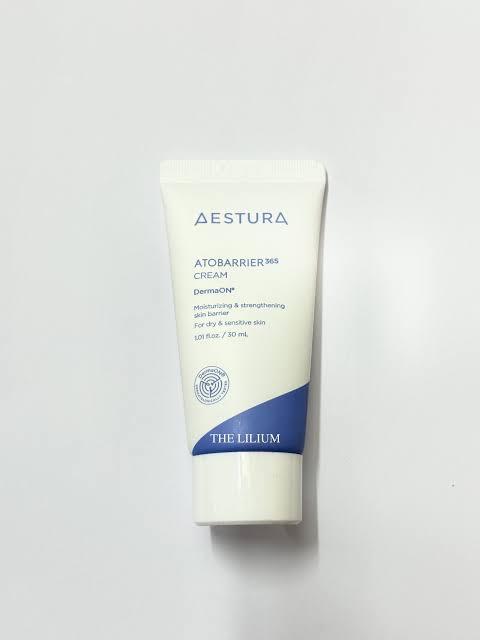
Aestura Atobarrier 365 Cream comes in an 80 mL jar, with U.S. retailer listings around $32. Dr. Althea 345 Relief Cream is a 50 mL tube priced at $27 on the brand’s site.
Per milliliter, Aestura works out to roughly 40 cents and Dr. Althea to roughly 54 cents. So you get more cream for your money with Aestura.
That said, “value” depends on how much you’ll actually use. A lightweight cream you reach for every morning beats a rich jar that sits unused because it feels heavy. Prices change often and vary by seller, so check before you buy.
Be careful with marketplace sellers on any skincare product. Stick to official stores or well-known retailers, and check batch codes and expiry dates when your order arrives.
Can You Use Both? A Simple Winter Plan
Yes, and for a lot of people this is the smartest answer.
Combination skin in winter often behaves like two different skin types. Your forehead and nose might stay normal or oily while your cheeks go dry and tight. One cream rarely suits both.
A simple split looks like this. Use Dr. Althea 345 in the morning, since lightweight layers sit better under sunscreen and makeup. Use Aestura at night, when a richer cream has hours to work without anything layered on top.
A few practical tips apply either way:
Apply to damp skin, because that helps either cream hold onto water.
Skip heavy exfoliation while your barrier is rough. That includes strong acids and at-home chemical peels.
Mind your shower. Hard water can leave skin feeling tight, so a shower filter or water softener may be worth a look in some homes.
Add a water-binding step if you like. If you’re unsure how humectants differ, our guide on hyaluronic acid vs glycerin explains it.
Don’t forget your lips. Winter wrecks them too, and our Laneige Lip Sleeping Mask review covers a popular fix.
Who Should Pick Which?
Choose Aestura Atobarrier 365 Cream if:
Your skin is dry, tight, or flaky in winter. You have sensitive or eczema-prone skin and want a fragrance-free, lipid-rich cream. You prefer a thicker, more protective texture. You want more product for the price.
Choose Dr. Althea 345 Relief Cream if:
Your skin is combination, oily, or breakout-prone. You’re dealing with post-acne redness or marks. You want a light, gel-like cream that layers easily. You use active treatments and need a calming buffer.
Skip both, or ask a professional first, if:
You have severe eczema, open or cracked skin, or an active skin infection. You’re allergic to any ingredient on the list. You’ve reacted badly to similar products before. In those cases, a dermatologist can point you toward something more suitable. If you want a simple oat-based option to compare, our Aveeno Oat Gel Moisturizer ingredients breakdown is a gentle starting point, and the Vanicream Enhanced Moisturizer review covers an ultra-minimal one.
Aestura 365 vs Dr Althea 345 FAQ
Which is better for winter, Aestura 365 or Dr Althea 345?
For dry or sensitive skin, Aestura is the better winter cream because of its richer, lipid-based formula. For combination or acne-prone skin, Dr. Althea 345 is lighter and less likely to feel heavy. Many people with mixed skin do well using both at different times of day.
Is Dr Althea 345 good for dry skin?
It can handle mild dryness and dehydration, thanks to glycerin, hyaluronic acid, and panthenol. But it has fewer barrier lipids than Aestura, so very dry or flaky skin may want something richer.
Is Aestura good for oily or acne-prone skin?
Aestura lists acne-prone skin among its concerns, but the cream is rich and contains ingredients some acne-prone people avoid. Patch test first, or start with a lighter cream like Dr. Althea 345.
Do either of them contain fragrance?
Neither lists fragrance or parfum in its ingredients. Dr. Althea also states that the 345 contains no essential oils. If fragrance is a trigger for you, check the packaging on the exact product you buy.
Can I use Aestura and Dr Althea together?
Yes. A common approach is a lightweight layer like Dr. Althea in the morning and a richer layer like Aestura at night. You can also layer a thin pass of Dr. Althea under Aestura on very dry days, though you may not need to.
Is Dr Althea 345 the same as the 147 Barrier Cream?
No. Dr. Althea 147 Barrier Cream is a separate product aimed at deeper hydration and barrier strengthening, while 345 Relief Cream focuses on post-acne and sensitive skin. If barrier repair is your main goal, the 147 may be a closer match to Aestura than the 345 is.
Final Verdict: Aestura 365 vs Dr Althea 345
So which one should you buy?
If your winter skin is dry, tight, or sensitive, go with Aestura Atobarrier 365 Cream. It has a stronger barrier lipid profile, a recognized listing with the National Eczema Association, and a texture built for cold, dry weather.
If your skin is combination, oily, or still breaking out, pick Dr. Althea 345 Relief Cream. It’s lighter, built for acne-prone skin, and easier to layer under sunscreen.
And if you’re somewhere in between, which is most people in January, don’t feel forced to choose. A lighter cream in the morning and a richer one at night cover a lot of ground.
Whichever you pick, patch test first, apply to damp skin, and give it a few weeks. Barrier repair is slow, and the best winter routine is usually the simple one you’ll actually stick with.