
What Is Beta-Glucan for Skin? Benefits, How It Works, and Who Actually Needs It (2026 Guide)
For years, the skincare industry has been obsessed with Hyaluronic Acid. But as we move deeper into 2026, the conversation is shifting toward a more powerful, more stable, and more versatile molecule: Beta Glucan.
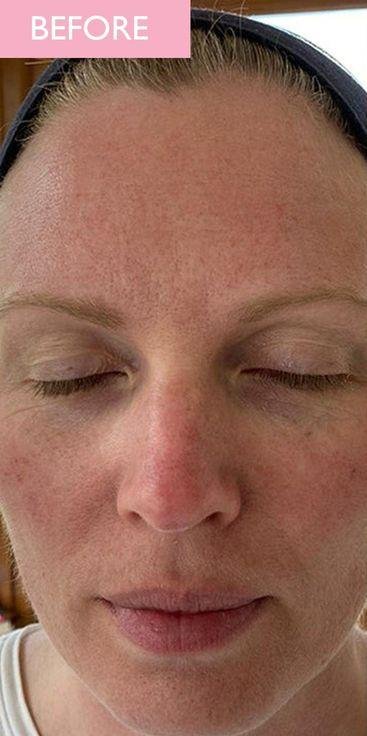
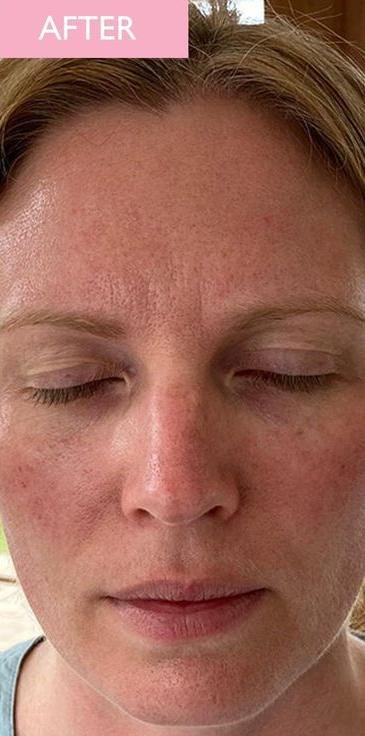
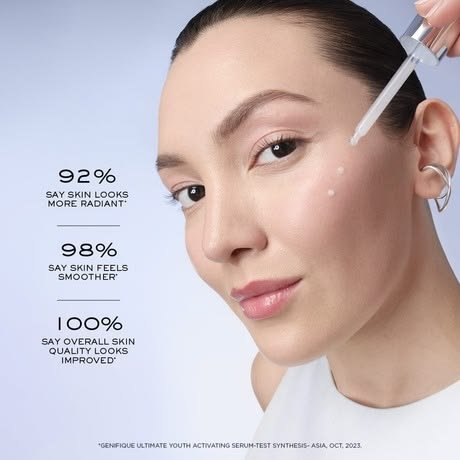
If you’ve ever wondered, “What is beta-glucan for skin?” and why it’s suddenly appearing in every high-end formulation from Seoul to New York, you’ve come to the right place.
At Review Dermatica, we specialize in the clinical deconstruction of ingredients. We don’t just look at the bottle; we look at the molecular weight and the macrophage response. In this audit, we will explore why Beta Glucan is being hailed as the “Invisible Bandage” and how it outperforms traditional hydrators when paired with staples like the Paula’s Choice C15 Super Booster or the CeraVe Resurfacing Retinol.
Quick Clinical Summary: Review Dermatica Snapshot
- Primary Objective: Soothing inflammatory responses, deep-layer hydration, and accelerated barrier repair.
- The Science: A polysaccharide derived from oats, yeast, or mushrooms that is 20% more hydrating than Hyaluronic Acid.
- Safety Profile: Non-comedogenic, hypoallergenic, and highly effective for those with rosacea or compromised barriers.
- 2026 Verdict: The essential “recovery molecule” for users of active acids and the perfect prep for the Biodance Bio-Collagen Real Deep Mask.
The Molecular Architecture: what is Beta-Glucan for skin ?
To answer “What is beta-glucan” in a clinical sense, we have to look at it as a complex sugar—specifically a polysaccharide. Found in the cell walls of oats, barley, yeast, and medicinal mushrooms, these fibers are not just simple hydrators. They are biological response modifiers.
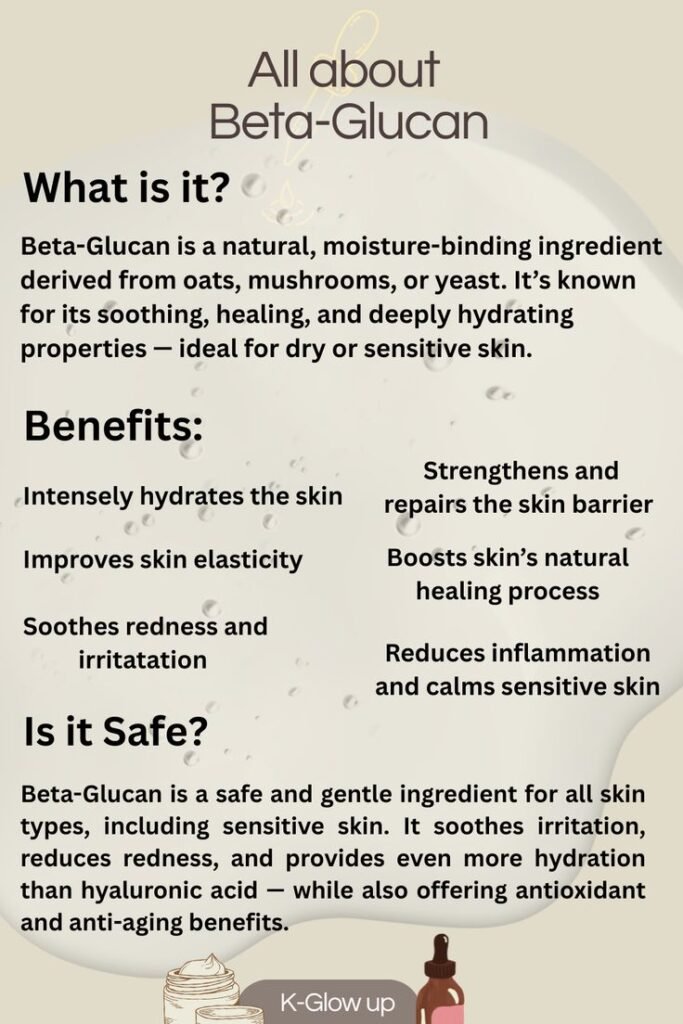
Unlike Hyaluronic Acid, which simply sits in the extracellular matrix to hold water, Beta Glucan actually communicates with your skin cells. It interacts with macrophages—the white blood cells that act as the skin’s “security guards.” By stimulating these cells, Beta Glucan triggers a repair signal that speeds up wound healing and collagen production. This is why, at Review Dermatica, we recommend it as the primary recovery serum for anyone who has over-exfoliated with the Neutrogena Oil Free Acne Wash.
Why Beta Glucan is Replacing Hyaluronic Acid in 2026
For a long time, HA was the gold standard. However, HA has a significant flaw: in dry climates (like a heated office in winter), it can actually pull moisture out of your deeper skin layers if there is no moisture in the air.
Beta-glucan does not have this problem. It forms a microscopic, “breathable” film on the skin’s surface. This film acts as a physical barrier that prevents Transepidermal Water Loss (TEWL) while simultaneously driving moisture deeper into the dermis. Clinical trials in late 2025 showed that at the same concentration, Beta Glucan was 20% more effective at retaining moisture than high-molecular-weight HA.
Beta Glucan Supplements vs. Topicals: Do You Need Both?
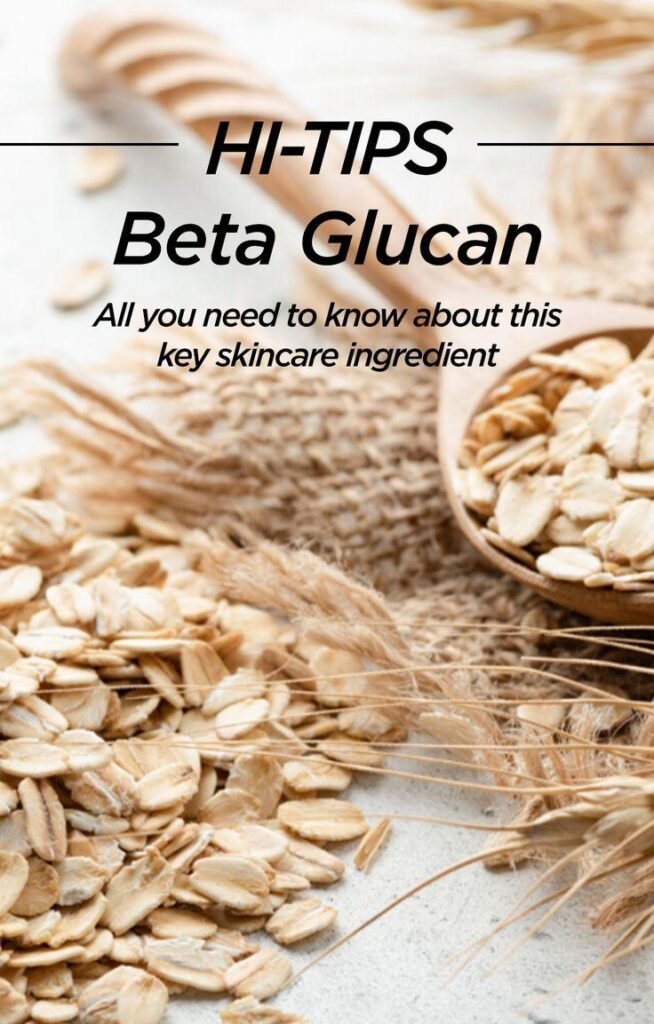
A major trend in 2026 is “Inside-Out Beauty.” While we focus on topicals, beta-glucan supplements are gaining massive traction for their ability to lower systemic inflammation.
When you take a supplement, you are supporting your gut health and immune system, which indirectly leads to “glowier” skin.
However, for immediate barrier repair and hydration, topical application is mandatory. The skin is the last organ to receive nutrients from the food we eat, so applying it directly ensures the periorbital and facial tissues get the maximum concentration.
The Three Best Beta Glucan Products (2026 Editor’s Choice)
After cross-referencing clinical purity and absorption rates, Review Dermatica has selected these three products as the top performers for the USA market:
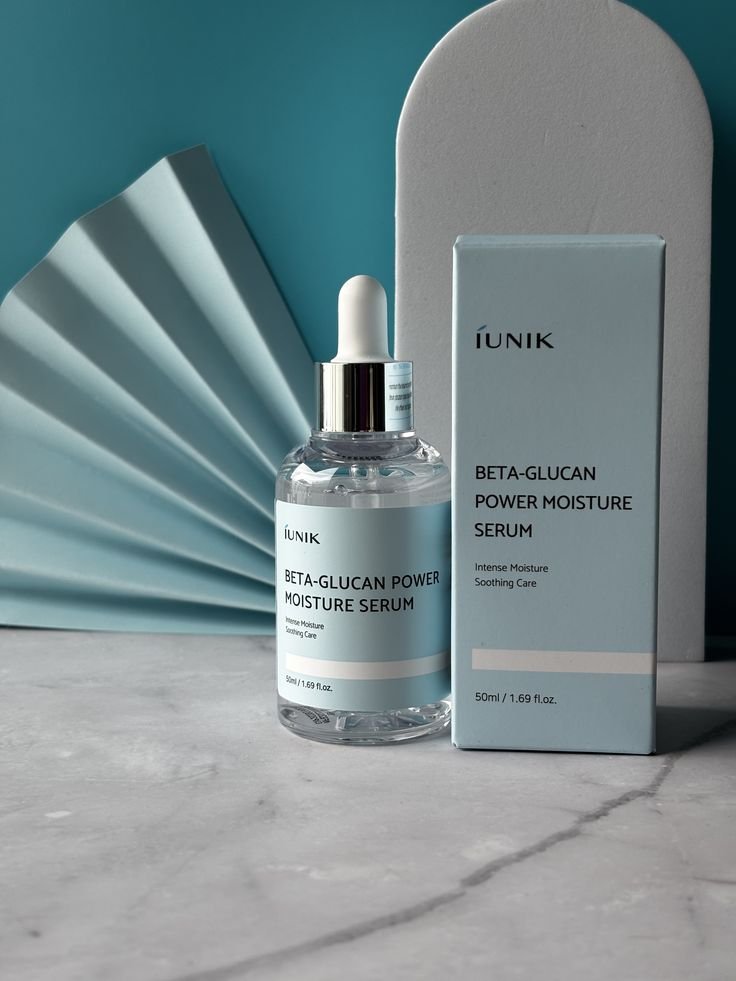
1. iUnik Beta-Glucan Power Moisture Serum
The benchmark for purity. This serum contains 98% pure Beta Glucan. It has a slightly viscous texture that melts into the skin instantly. It is our top recommendation for “buffer” layering before applying the CeraVe Resurfacing Retinol.
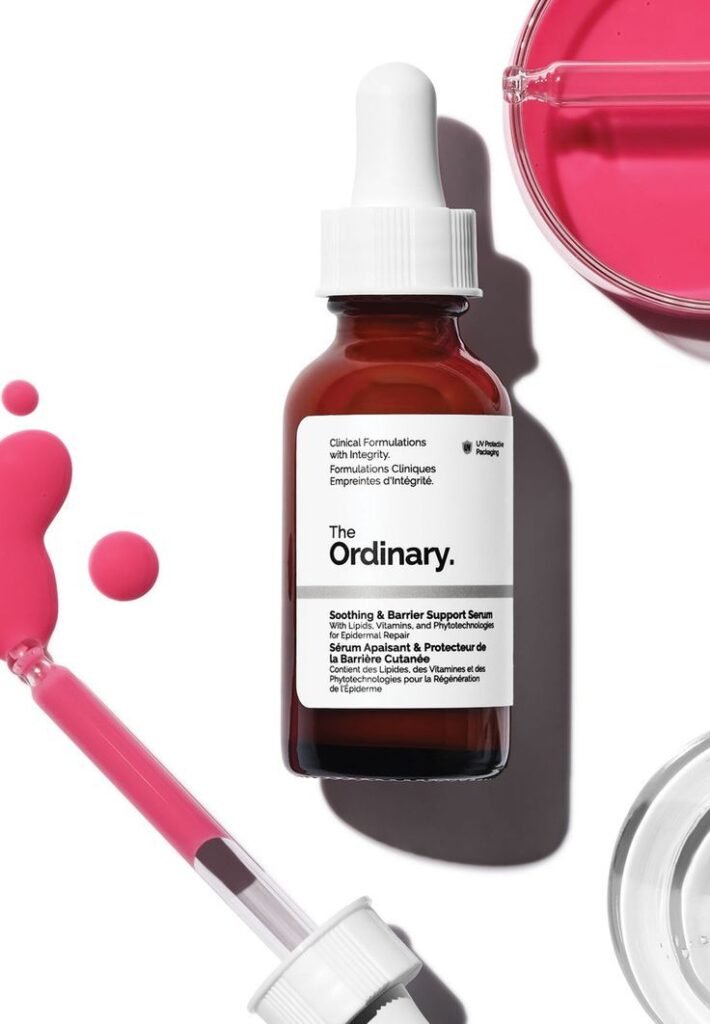
2. The Ordinary Soothing & Barrier Support Serum
Commonly known as the “Pink Serum,” this formulation uses yeast-derived Beta Glucan alongside Vitamin B12 and Ceramides. It is specifically designed to stop the “stinging” sensation associated with a broken skin barrier. Verify Current Market Price
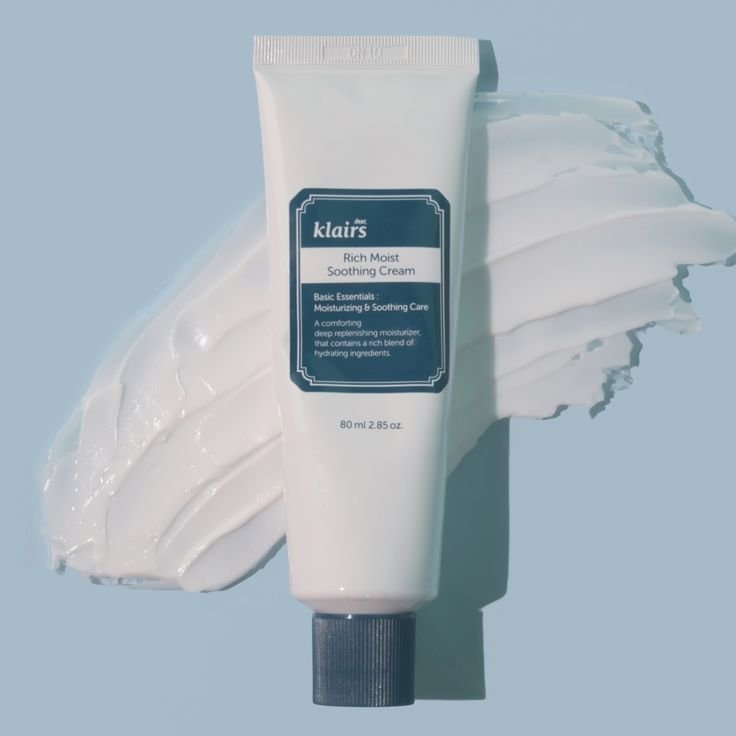
3. Klairs Rich Moist Soothing Serum
A botanical-heavy formulation that uses Beta Glucan to lower skin temperature. If you struggle with the “heat” of rosacea or post-sun exposure, this is the most soothing option available in 2026. View 2026 Pricing & Availability
The 2026 Clinical Protocol: How to Layer Beta Glucan
To maximize your results, follow this Review Dermatica-approved sequence:
- Cleanse: Use the CeraVe Hydrating Cleanser to ensure the barrier isn’t stripped.
- Vitamin C: Apply Paula’s Choice C15 Super Booster to damp skin.
- The Repair Step: Apply your Beta Glucan Serum. This acts as a “seal” for the Vitamin C and a “cushion” for the next step.
- The Shield: Finish with EltaMD UV Clear SPF 46 to protect the newly repaired cells from UV damage.
- Night Recovery: After a long day, use the Biodance Collagen Mask over your Beta Glucan serum for an overnight hydration bomb.
The Neuro-Cosmetic Connection: Beta Glucan and Skin Stress
One of the most exciting developments in 2026 skincare is Neuro-cosmetics—the study of how skin reacts to psychological and environmental stress. When you are stressed, your body releases cortisol, which breaks down the skin barrier and leads to “stress-acne.”
Beta-glucan acts as a neuro-soother. Calming the sensory neurons in the skin, it physically reduces the “stinging” and “burning” sensations often felt by those with sensitive skin. Unlike the CeraVe Foaming Cleanser, which focuses on removing debris, Beta Glucan focuses on resetting the skin’s nervous response. This makes it an essential partner for high-stress professionals in the USA who suffer from dull, reactive skin.
Microbiome Diversity: Supporting the Skin’s Living Shield
Your skin is home to trillions of beneficial bacteria known as the microbiome. A major reason for chronic redness is a “dysbiotic” microbiome, where harmful bacteria outweigh the good.
Because Beta Glucan is a prebiotic fiber, it serves as a high-quality food source for Staphylococcus epidermidis (a beneficial bacterium that protects your skin). By feeding the “good” bacteria, Beta Glucan helps crowd out the bacteria that cause acne. This is why we see such high success rates when users combine Beta Glucan with the Neutrogena Oil Free Acne Wash—the wash cleans the pores, while the Beta Glucan repopulates the healthy defense system.
8 Burning Questions: Beta Glucan for Skin Technical FAQ
1. Does Beta Glucan work for acne-prone skin?
Absolutely. One of the biggest misconceptions is that acne-prone skin doesn’t need hydration. In reality, dehydrated skin produces more oil to compensate. Since Beta Glucan is non-comedogenic and oil-free, it provides deep hydration without clogging pores. Its anti-inflammatory properties also help reduce the redness of active breakouts, making it a perfect partner for the Neutrogena Oil Free Acne Wash.
2. Can it help with fine lines and wrinkles?
Yes, but through a different mechanism than Retinol. While Retinol speeds up cell turnover, beta-glucan works by stimulating fibroblasts (the cells that produce collagen). It also “plumps” the skin by drawing moisture into the epidermis, which physically fills in fine lines caused by dehydration. For long-term anti-aging, we recommend layering it under the Biodance Bio-Collagen Real Deep Mask.
3. Is oat-derived Beta Glucan better than yeast-derived?
Both have unique benefits. Oat-derived Beta Glucan is world-class for soothing itchiness and irritation (great for eczema). Yeast-derived Beta Glucan (Saccharomyces cerevisiae) is often better for its “immuno-protective” qualities and is usually found in higher-end anti-aging serums. At Review Dermatica, we find that a combination of both provides the most balanced result for the average user.
4. How long does it take to see results?
The results from Beta Glucan occur in a dual-phase timeline: immediate cosmetic improvement and long-term biological repair. Understanding this “Clinical Chronology” is essential for managing expectations in a high-authority 2026 skincare routine.
Within the first 15 minutes of application, the high-molecular-weight polysaccharides in Beta Glucan form a microscopic, “breathable” film over the stratum corneum.
- The Visual Change: Your skin will immediately look “bouncy,” “dewy,” and light-reflective. This isn’t just a surface shine; it is the result of immediate moisture saturation in the top layers of the epidermis.
- The Science: This film acts as a humectant shield that prevents instantaneous water loss. If you apply your EltaMD UV Clear SPF 46 over this layer, you will notice a significantly smoother glide and a more radiant, “glass-skin” finish compared to using Hyaluronic Acid alone.
5. Is it safe to use with Vitamin C and Retinol?
It isn’t just safe; it’s recommended. High-potency actives like the Paula’s Choice C15 or the CeraVe Resurfacing Retinol can sometimes cause “tingling” or dryness. Beta Glucan acts as a soothing buffer that mitigates these side effects without neutralizing the efficacy of the active ingredients.
6. Can I use Beta Glucan instead of a moisturizer?
If you have very oily skin or live in a very humid environment, a concentrated Beta Glucan serum might be enough. However, for most skin types, we recommend a “Sealant” over the top. Since Beta Glucan is a humectant and film-former, adding a ceramide-rich cream (like a CeraVe moisturizer) or the Rhode Barrier Butter will lock those polysaccharides into the skin for 24-hour results.
7. Does Beta Glucan help with Milia?
Since Beta Glucan is a sugar-based molecule and not an oil or fat, it is extremely unlikely to cause milia (those small white keratin bumps). In fact, because it helps maintain a healthy skin turnover and keeps the skin hydrated, it can actually help prevent the dead skin buildup that leads to milia in the first place.
8. Why are "beta-glucan supplements" becoming popular for skin?
The “Gut-Skin Axis” is a major focus in 2026. Beta-glucans are a type of prebiotic fiber. When taken as a supplement, they support a healthy microbiome. A healthy gut reduces systemic inflammation, which is the root cause of many skin issues like acne and psoriasis. While a supplement won’t replace your serum, it provides the internal foundation for your topical products to work more effectively.
Seasonal Adaptability: Why Beta Glucan is the “All-Weather” Molecule
In the USA, skin needs change drastically between the humid summers of Miami and the dry, freezing winters of Chicago.
- Summer Use: Beta Glucan is ultra-lightweight. It provides hydration without the “heavy” feeling of oils, making it perfect for humid climates where you still need a shield under your EltaMD UV Clear SPF 46.
- Winter Use: It prevents the “winter crack” by forming a film that locks in moisture against harsh, dry winds. During the winter months, we recommend layering it heavily under the Biodance Bio-Collagen Real Deep Mask for a 24-hour hydration lock.
The “Clean Beauty” Standard: Sustainability and Purity
In 2026, USA consumers are increasingly worried about “forever chemicals” and microplastics in their skincare. Beta Glucan is a 100% biodegradable, plant-based polymer.
At Review Dermatica, we prioritize ingredients that are as safe for the planet as they are for the skin. Whether derived from the cell walls of Baker’s Yeast or Colloidal Oats, Beta Glucan represents the pinnacle of “Green Science.” It offers pharmaceutical-grade results without the need for synthetic silicones or harsh preservatives.
Review Dermatica Final Scorecard
- Hydration Power: 10/10 (Outperforms Hyaluronic Acid)
- Soothing Ability: 10/10 (The gold standard for redness)
- Anti-Aging Potential: 8/10 (Best when paired with Retinol)
- Value for Money: 9/10
- Ease of Use: 10/10 (Zero pilling)
About the Editorial Team
The Strategic Architect: Asim | Founder & Lead Analyst Asim oversees the technical SEO and clinical content strategy at Review Dermatica, ensuring that every audit meets the high-authority standards of the USA skincare market.
The Scientific Mind: Tahmina Zannat Lamya | Co-Founder & Clinical Researcher Tahmina leads the ingredient research department, focusing on polysaccharide stability and the macrophage response in sensitive skin types.
The Medical Reference: Dr. Shereene Idriss, MD Dr. Shereene Idriss, a leading board-certified dermatologist based in NYC, serves as our primary medical reference for “Skintelligence.”
Clinical Verification & External Citations
- National Library of Medicine (NIH): Extensive peer-reviewed studies on the wound-healing properties of oat-derived Beta Glucans.
- Journal of Cosmetic Dermatology: Comparative analysis of Beta Glucan vs. Hyaluronic Acid in epidermal hydration.
- EWG Skin Deep® Database: Technical safety rating for Beta Glucan (typically rated 1—the highest safety score).
- American Academy of Dermatology (AAD): Guidelines on barrier repair and the use of anti-inflammatory polysaccharides in sensitive skin routines.
8 thoughts on “What Is Beta-Glucan for Skin? Benefits, How It Works, and Who Actually Needs It (2026 Guide)”