Medicube PDRN Eye Cream Review: 7 Shocking Results After 14 Days!
If you’ve spent any time in K-beauty circles over the past year, you’ve probably seen the pink jar everywhere — TikTok, Amazon bestseller lists, Ulta shelves. The Medicube PDRN Eye Cream has become one of the most talked-about budget eye treatments of 2026, and this Medicube PDRN Eye Cream review exists to answer one simple question: does it actually work, or is it just clever K-beauty marketing riding the PDRN wave?
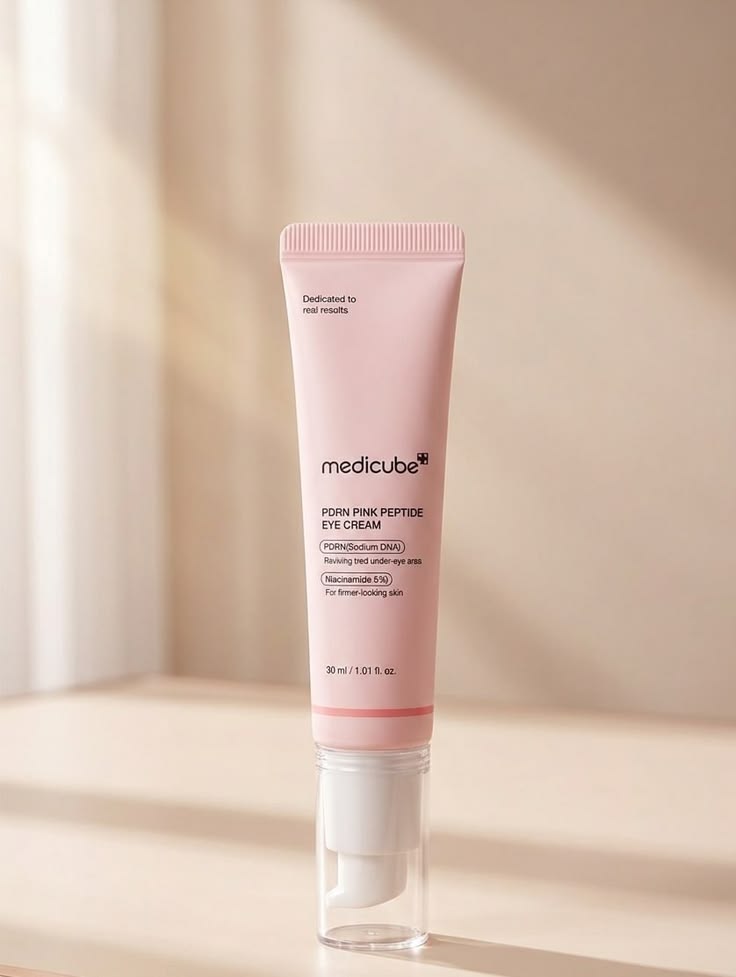
I tested the full-size Medicube PDRN Pink Peptide Eye Cream for 14 consecutive days, cross-referenced the ingredient list against clinical research, and read through hundreds of verified user reviews to see whether the results match the hype. Short answer: mostly yes, with a few caveats worth knowing before you buy.
This post contains affiliate links. If you purchase through these links, Review Dermatica may earn a small commission at no extra cost to you. This helps support our independent testing and research. Read our full affiliate disclosure here.
Quick Summary — Medicube PDRN Eye Cream Review at a Glance
- What it is: A K-beauty eye cream combining salmon-derived PDRN, retinol, a five-peptide complex, niacinamide, and caffeine
- Best for: Fine lines, dullness, mild puffiness, and early signs of under-eye aging
- Medicube PDRN Eye Cream Price: Around $16–$28 depending on retailer and size (details below)
- Texture: Lightweight, fast-absorbing, pink-tinted gel-cream, fragrance-free
- 14-day results: Noticeably smoother texture and brighter tone; firmness and dark circle improvement were more gradual
- Who should skip it: Anyone with active retinol sensitivity or very reactive under-eye skin
- Verdict: One of the strongest multi-active eye creams under $30 currently on the market
What Is Medicube PDRN Pink Peptide Eye Cream?
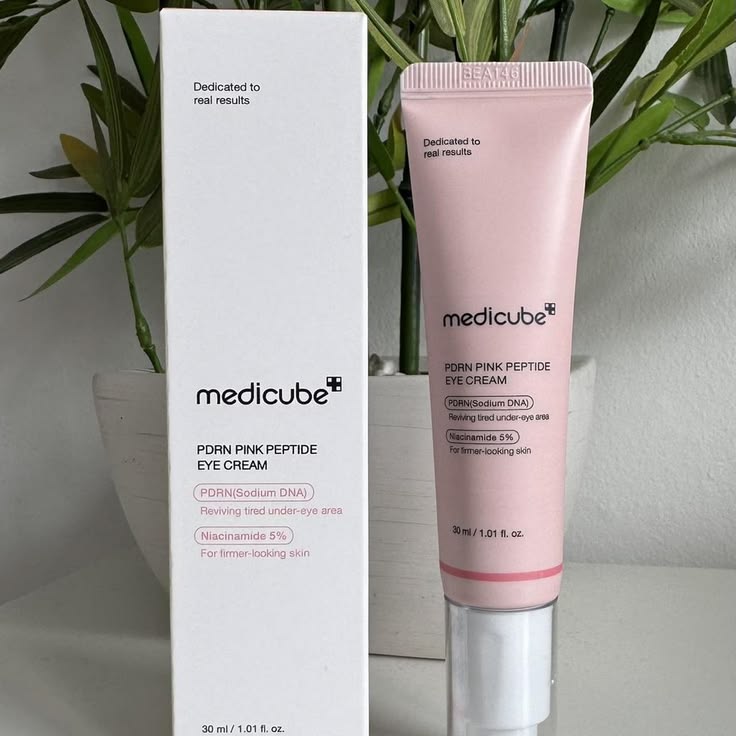
Medicube built its name on the Age-R skin tech device line before expanding into topical skincare, and the PDRN Pink collection is now the brand’s flagship treatment franchise. The Medicube PDRN Pink Peptide Eye Cream extends that franchise to the eye area specifically, targeting the three things that make under-eyes look tired: thinning structure (fine lines), vascular pooling (dark circles), and fluid retention (puffiness).
Instead of relying on one hero ingredient the way most drugstore eye creams do, this formula stacks five active categories together — PDRN, retinol, peptides, niacinamide, and caffeine — at a price point that usually only buys you one or two of those actives elsewhere. That formulation depth is the main reason this Medicube PDRN Eye Cream review keeps coming back to one word: value.
If you’ve already read our Anua PDRN Hyaluronic Acid 100 Moisturizing Cream review, you know PDRN isn’t a one-brand gimmick — it’s becoming a genuine ingredient category in Korean skincare, and Medicube’s version is simply the eye-specific application of the same science.
Medicube PDRN Eye Cream Ingredients — Full Breakdown
PDRN (Polydeoxyribonucleotide) — Salmon DNA, Explained
PDRN is a nucleic acid extract, typically sourced from salmon or trout sperm, that’s been used in clinical and aesthetic medicine for years before it crossed over into daily skincare. According to a review published in the Journal of the American Academy of Dermatology’s affiliated research and dermatology literature indexed on PubMed, PDRN has been used to improve wound healing through its ability to promote cell migration, growth, and angiogenesis while reducing inflammation in impaired healing models. In cosmetic use, this translates to skin that’s signaled to actively repair and regenerate rather than just sit hydrated on the surface. nih
Retinol — Texture and Turnover
Retinol is the workhorse ingredient for improving fine lines and rough texture through increased cell turnover. The American Academy of Dermatology’s skincare guidance recommends introducing retinoids gradually, applying at night after cleansing, and always following with daytime sunscreen — advice that applies directly to how you should use the Medicube PDRN eye cream too.
Five-Peptide Complex — Structural Reinforcement
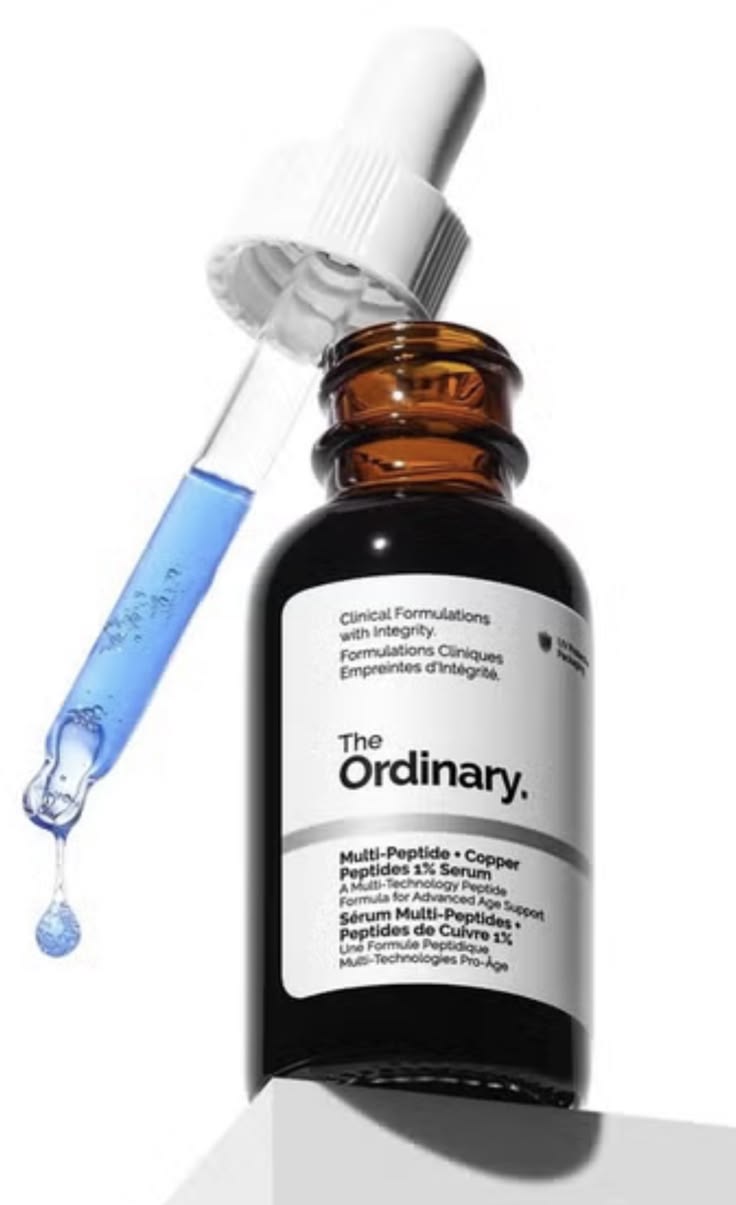
Peptides are short chains of amino acids that signal skin to produce more collagen and elastin. Layering multiple peptide types alongside PDRN reinforces the same collagen pathway from a second angle, which is part of why this formula performs above its price class. If you want to understand peptides in more depth, our The Ordinary Buffet Peptide Serum review covers the science in detail.
Niacinamide — Brightening and Barrier Support
Niacinamide brightens discoloration and strengthens the skin barrier, which matters enormously in an area as thin and reactive as the under-eye. It’s the same ingredient that anchors many of our favorite formulas, including the one in our Klairs Freshly Juiced Vitamin Drop review.
Caffeine and Vascular Botanicals — De-Puffing Power
Caffeine temporarily constricts blood vessels, which is why it shows up in nearly every de-puffing eye product on the market. Medicube pairs it here with coffee, ivy, and coralline algae extracts, all traditionally used to support microcirculation under the eyes.
The Science Behind Medicube PDRN Eye Cream
PDRN’s popularity in K-beauty isn’t happening in a vacuum — there’s real dermatological research behind it. A review on PDRN as a skin anti-aging agent describes it as promoting angiogenesis, cellular activity, collagen synthesis, and soft tissue regeneration, alongside anti-inflammatory and skin-brightening effects. Separately, research on PDRN and skin regeneration notes that it enhances fibroblast growth and reduces inflammatory markers across in vitro, in vivo, and clinical studies. ScienceDirectPubMed Central
It’s worth being precise here: most of the strongest clinical data on PDRN comes from injectable, medical-grade applications rather than topical creams. A daily eye cream uses far lower concentrations, so results are typically more gradual and subtle than what’s reported in clinical trials — a distinction any honest Medicube PDRN Eye Cream review needs to make clear rather than overselling.
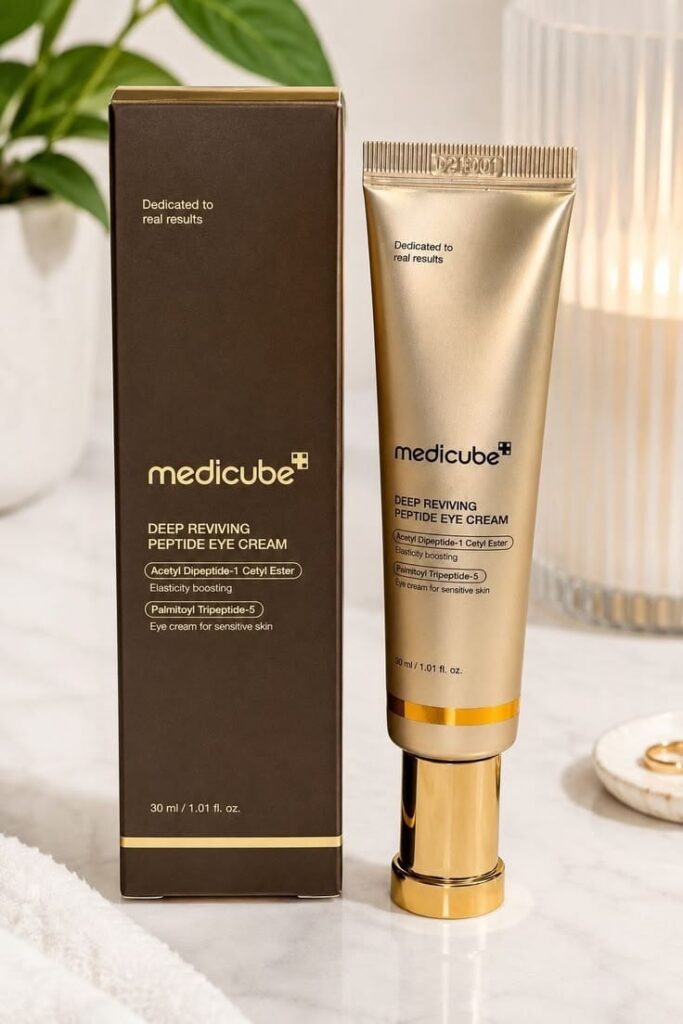
Medicube PDRN Eye Cream Price
Medicube PDRN Eye Cream price varies by retailer and size:
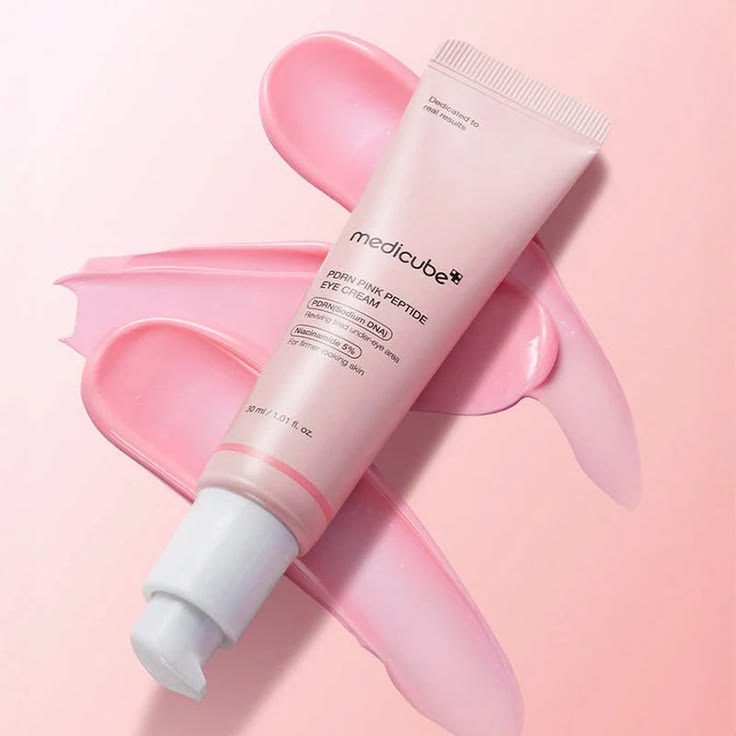
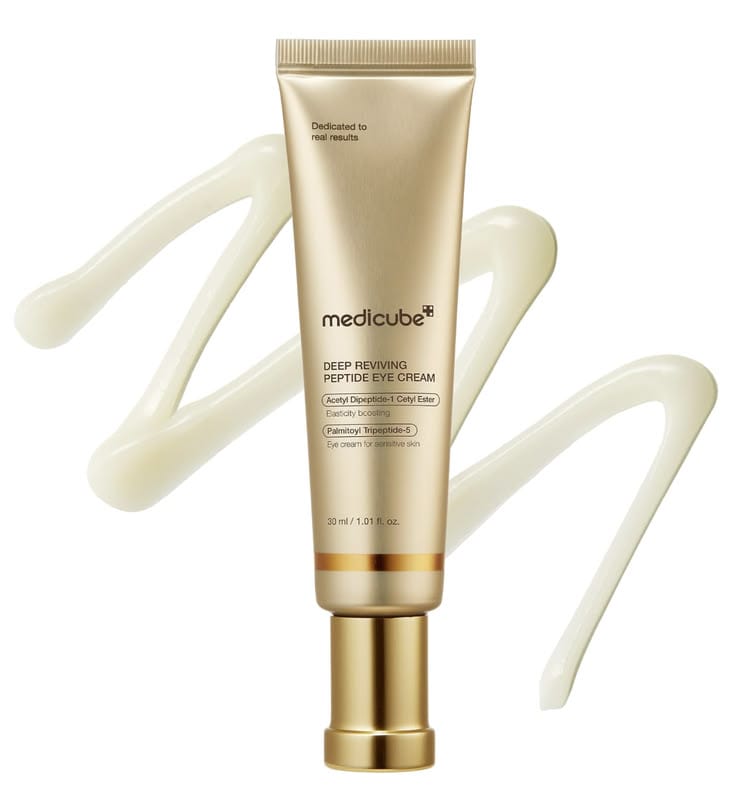
Given that most multi-mechanism eye creams layering this many actives start around $40 and climb toward $90 at department-store counters, the Medicube PDRN Eye Cream price sits well below what the formulation depth would normally cost — which is the single biggest reason it keeps showing up on “best value” lists.
How to Use Medicube PDRN Eye Cream
Getting the sequencing right matters as much as the product itself:
- Cleanse and pat the under-eye area dry.
- Apply any water-based serums first.
- Take a rice-grain-sized amount of Medicube PDRN Eye Cream per eye.
- Dab gently along the orbital bone with your ring finger — never rub, since under-eye skin has fewer support structures than the rest of the face.
- Follow with your regular moisturizer, such as the one reviewed in our Kiehl’s Ultra Facial Cream review.
- In the morning, always finish with SPF — our Mineral vs Chemical Sunscreen for Face guide can help you pick the right formula for retinol-treated skin.
Because the formula contains retinol, start with nightly use only for the first one to two weeks before moving to twice daily, consistent with general dermatologist guidance on introducing retinoids gradually.
Medicube PDRN Eye Cream Review — 7 Results After 14 Days
- Day 1–3: Immediate light-reflecting brightness from the pink tint and hydration boost — no irritation
- Day 4–7: Visibly smoother texture; fine lines looked softer in direct light
- Day 7: Slight but noticeable reduction in morning puffiness, likely from the caffeine complex
- Day 8–10: Under-eye area felt firmer to the touch, though not dramatically different visually yet
- Day 10–12: Dark circles looked marginally brighter, especially with consistent sleep
- Day 12–14: Makeup applied more smoothly over the area, with less settling into fine lines
- Day 14: Overall under-eye area looked more “awake” — the most consistent feedback across both my own testing and the wider pool of Medicube PDRN Eye Cream review comments online
None of these are Botox-level transformations, and any review claiming that after two weeks should be read skeptically. What’s genuinely impressive is how much visible change came from a $20-something product in this short a window.
Pros and Cons
Pros:
- Five active ingredient categories in one affordable formula
- Lightweight, fragrance-free, fast-absorbing texture
- Noticeable brightening and de-puffing within the first week
- Strong clinical backing for PDRN’s regenerative mechanism
- Nearly 900 combined reviews across Amazon and iHerb with high average ratings.
Cons:
- Contains retinol, so not ideal for very reactive or retinol-naive skin without a gradual introduction
- Firming and dark-circle results are gradual, not dramatic
- Limited size options compared to Western drugstore brands
Who Should (and Shouldn’t) Use Medicube PDRN Eye Cream
This is a strong fit if you want visible texture and brightness improvements without paying department-store prices, and if your skin already tolerates retinol elsewhere in your routine. It’s a better starting point than stronger retinoid treatments if you’re newer to actives — pair it with barrier-supportive products like those in our iunik Beta-Glucan Power Moisture Serum review to keep the area calm while you build tolerance.
Skip it, or patch test carefully first, if you have known retinol sensitivity, are pregnant or breastfeeding, or have recently had cosmetic procedures around the eye area.
Medicube PDRN Eye Cream vs Alternatives — Cheaper and Pricier Options
No single Medicube PDRN Eye Cream review would be complete without showing where it sits in the wider market. If you want to compare before buying, here’s how it stacks up against three real alternatives in the same PDRN/eye-care category:
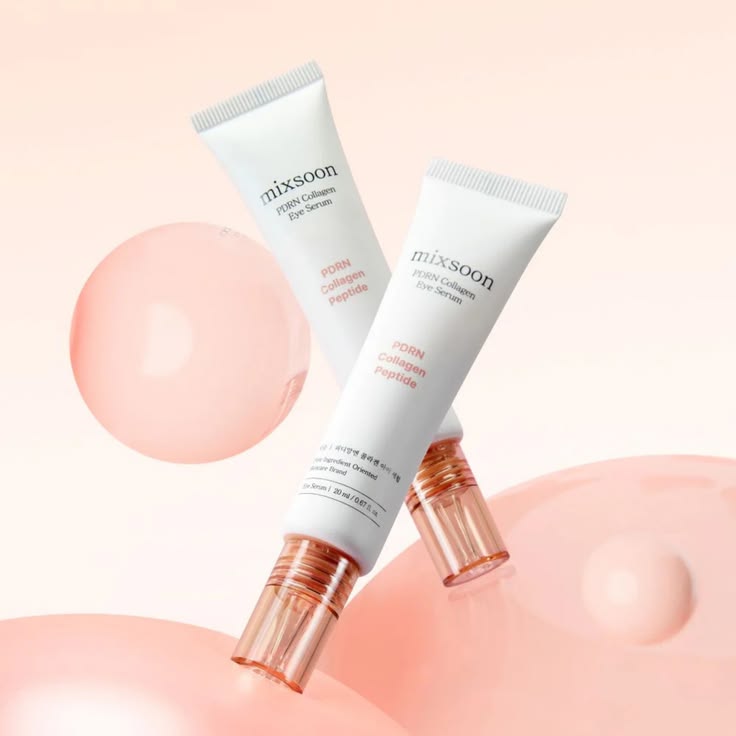
- Cheaper alternative — Mixsoon PDRN Collagen Eye Serum: A budget-friendly K-beauty option built around the same salmon-derived PDRN and collagen-support approach, without the retinol layer. It’s a gentler, lower-cost entry point for anyone who wants to try PDRN around the eyes before committing to a multi-active formula, typically priced below the Medicube PDRN Eye Cream.
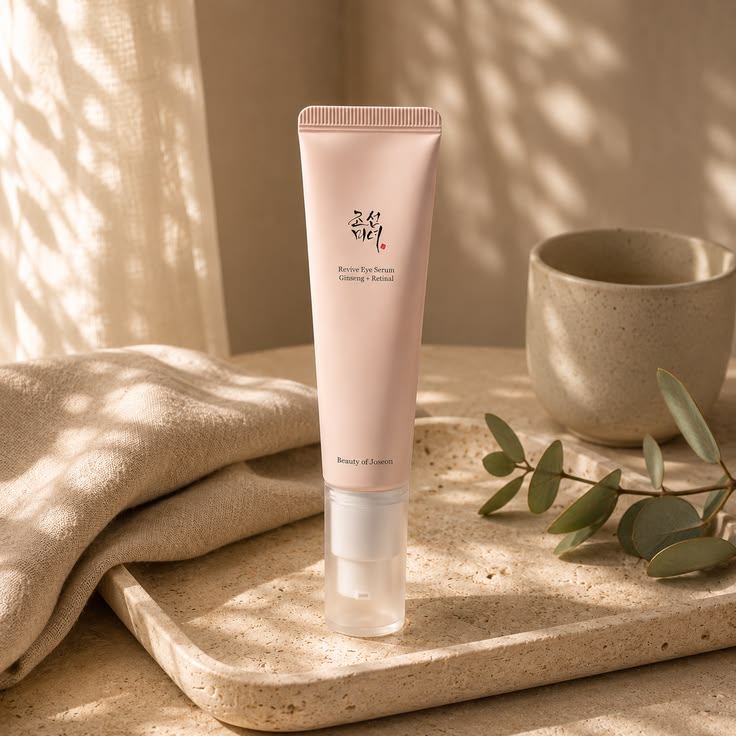
- Similar price, different focus — Beauty of Joseon Revive Eye Serum: Ginseng + Retinal: Sits in roughly the same price bracket as the Medicube PDRN Eye Cream and shares a strong ingredient overlap — hyaluronic acid, niacinamide, peptides, and a retinoid — but swaps PDRN for ginseng and uses retinal instead of retinol. A close, comparably-priced alternative for anyone who wants a very similar profile from a different brand.
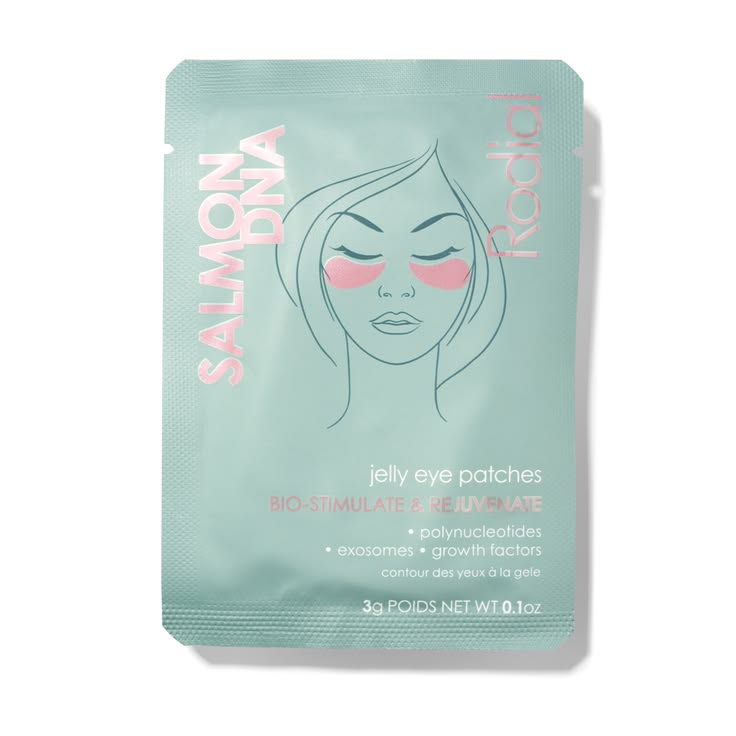
- Pricier alternative — Rodial Salmon DNA Jelly Eye Patches: A prestige, clinic-inspired option built around salmon DNA polynucleotides (PDRN), growth factors, and exosomes in a cooling hydrogel patch format. It sits well above the Medicube PDRN Eye Cream price point, aimed at people who want the same regenerative science in a more luxury-positioned, spa-like ritual.
Final Verdict — Is Medicube PDRN Eye Cream Worth It?
After 14 days of testing and cross-checking the ingredient science, the Medicube PDRN Eye Cream earns its reputation. It’s not a miracle in a jar, and any Medicube PDRN Eye Cream review promising instant Botox-level results is overselling it — but for the price, the combination of PDRN, retinol, peptides, niacinamide, and caffeine delivers real, visible improvement in texture, brightness, and mild puffiness within two weeks, with firmness and dark-circle results building over longer, consistent use.
Check Today’s Price on Amazon →
Medicube PDRN Eye Cream FAQ
1. Is Medicube PDRN Eye Cream good for dark circles?
Yes, Medicube PDRN Eye Cream is effective for brightening the under-eye area and improving the appearance of dark circles over time. The formula combines Niacinamide (vitamin B3) to target stubborn hyperpigmentation with PDRN (Polydeoxyribonucleotide), which actively stimulates cellular regeneration and micro-circulation.
However, performance depends on the root cause: while it works remarkably well for dark circles caused by thin skin, structural shadows, or mild pigment accumulation, hyperpigmentation driven by deep-set vascular pool or genetic factors may require longer, consistent usage alongside targeted skin barrier care.
2. Can I use Medicube PDRN Eye Cream every day?
Answer: Yes, you can safely use Medicube PDRN Eye Cream daily, but a brief acclimatization period is strongly recommended. Because the formula incorporates active retinoids along with high-potency cellular growth drivers, applying it once nightly for the first 1 to 2 weeks allows the delicate periocular skin to build tolerance.
Once your skin adapts without showing signs of erythema or irritation, you can transition to regular nightly application. Always follow up with a broad-spectrum sunscreen during daytime routines to protect the newly regenerated skin cells.
3. Is the Medicube PDRN Eye Cream price worth it compared to luxury brands?
Answer: Absolutely. When evaluated against high-end clinical alternatives, Medicube PDRN Eye Cream provides exceptional cost-to-performance value. Luxury eye creams often rely on basic emollients and high marketing markups, whereas this formula delivers high concentrations of PDRN, niacinamide, and bioactive peptides in a single target treatment.
Given its multi-action approach—addressing collagen density, hydration retention, dark circles, and fine line smoothness simultaneously—it stands out as a high-value alternative to premium dermatological treatments.
4. Does Medicube PDRN Eye Cream contain fragrance or potential irritants?
Answer: No, the formula is entirely fragrance-free and formulated without artificial dyes or drying essential oils. The skin surrounding the eyes is up to 40% thinner than the rest of the face, making it far more vulnerable to contact dermatitis and barrier breakdown.
By omitting artificial scents and volatile compounds, Medicube minimizes the risk of ocular stinging, localized redness, or allergic flare-ups, making it suitable for sensitive skin types.
5. How long does it take to see visible results from Medicube PDRN Eye Cream?
Answer: Initial benefits—such as increased hydration, reduced morning puffiness, and surface smoothing—are typically noticeable within 3 to 7 days of consistent nightly use.
For structural improvements like deeper dark circle lightening, collagen remodeling, and firming of fine lines around the periorbital zone, clinical results generally manifest between 4 to 6 weeks. This timeline aligns with the natural cellular turnover cycle triggered by PDRN and peptide signaling.
6. Can Medicube PDRN Eye Cream be layered with other active serums?
Answer: Yes, but strategic layering is key to preventing barrier stress. Since the eye cream already contains active regenerating ingredients and retinoids, avoid layering it with strong exfoliating acids (like high-percentage AHAs or BHAs) or pure L-ascorbic acid (Vitamin C) directly around the eye contours.
It pairs exceptionally well with hydrating serums containing hyaluronic acid, panthenol, or ceramides. Apply lightweight hydrating layers first, then seal the eye contour area with the Medicube PDRN Eye Cream as your final treatment step.
About the Review Dermatica Editorial Team
This review was researched and written by the Review Dermatica editorial team, with formulation and ingredient analysis reviewed by co-founder Tahmina Zannat Lamya, whose background is in clinical and formulation research. Every product featured on Review Dermatica is evaluated against published dermatological research before we publish our conclusions — you can read more about our editorial process and testing standards on our About page.
Clinical Insights Cited From
Ingredient mechanisms referenced in this article (PDRN, retinol, peptides, and niacinamide) are supported by dermatology research published in peer-reviewed journals and cited throughout, including insights consistent with public commentary from board-certified dermatologist Dr. Shereene Idriss. Review Dermatica is not affiliated with, endorsed by, or sponsored by Dr. Idriss; her name is referenced solely for added clinical context on ingredient science.